Gymnema Sylvestre, also known as the Australian cow plant, Buti, and Kober, is a perennial woody vine native to Asia, Africa, and Australia. This plant has been used in Ayurvedic medicine for centuries. The Hindi term ‘gurmar,’ meaning ‘sugar destroyer,’ emphasizes its traditional use in treating diabetes.
Gymnema sylvestre reduces sugar cravings and improves glucose control. The plant produces chemicals that limit how much sugar enters the bloodstream. It also stimulates the pancreas to release more insulin, which helps the body regulate blood sugar levels more effectively. Researchers continue to study the plant, and several studies already show promising results in treating diabetes and reducing sugar cravings.
People use the Australian cow plant as a natural remedy for many health conditions. The herb provides anti-inflammatory properties and lowers cholesterol levels. Some studies also suggest that it helps treat obesity and reduce body weight. As with any natural remedy, individuals should consult a healthcare provider before using Gymnema sylvestre to address health concerns.
Historical Background
Gymnema Sylvestre is a medicinal plant that has been used for centuries in Ayurvedic medicine. As a part of the Indian flora, it belongs to the family Asclepiadaceae and is a woody climber. The plant is also commonly known as the Australian Cowplant.
Traditional Uses
The plant has been traditionally used in Ayurvedic medicine to treat various ailments, including diabetes, obesity, and digestive problems. The leaves of the plant are believed to have anti-diabetic properties and are used to control blood sugar levels. The plant has also been used as a natural remedy for weight loss, as it is believed to reduce sugar cravings.
Etymology and Classification
The name Australian cow plant derives from the Greek words gymnos and nema, which mean “naked” and “thread.” This origin highlights the plant’s thread-like appearance. People also call it the “sugar destroyer” because it reduces the taste of sweetness.
Botanists classify Gymnema sylvestre in the family Asclepiadaceae, a group of flowering plants. The species grows natively in Asia, Africa, and Australia and thrives in tropical forests.
Botanical Description
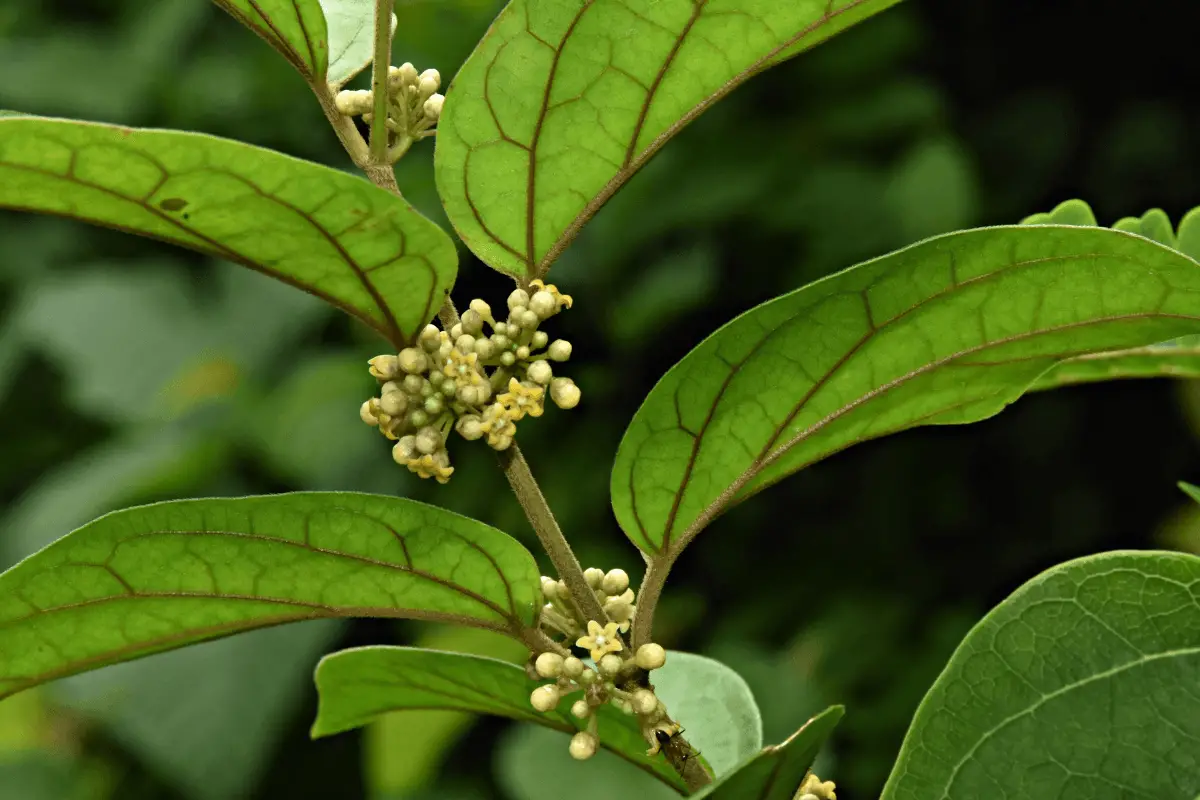
Researchers describe Gymnema sylvestre as a slow-growing, perennial, woody climber that belongs to the family Asclepiadaceae. The plant grows natively in central and peninsular India and thrives in other regions of Asia as well. It develops highly branched stems that climb to the tops of trees. Its elongated-oval leaves feature soft hairs on the upper surface.
Plant Characteristics
Australian cow plant has a small, yellow, umbelliferous inflorescence that is produced throughout the year. The plant is a potent antidiabetic agent and is used in folk, ayurvedic, and homeopathic systems of medicine. It is also used in the treatment of asthma, eye complaints, inflammations, and family planning.
Active Compounds
Gymnema sylvestre contains several active compounds, including gymnemic acid, saponins, tannins, and gurmarin. Researchers focus most on gymnemic acid because it drives the plant’s antidiabetic properties. They also identify saponins as compounds that lower cholesterol levels.
Tannins contribute astringent effects, while gurmarin, a peptide found in the leaves, blocks sweet taste sensations and reduces the appeal of sugary foods.
Known as the Australian cow plant, this slow-growing perennial woody climber grows natively in central and peninsular India. It develops highly branched stems, elongated-oval leaves with soft hairs on the upper surface, and small, yellow, umbelliferous flowers that bloom throughout the year.
By producing gymnemic acid, saponins, tannins, and gurmarin, Gymnema sylvestre demonstrates antidiabetic, cholesterol-lowering, astringent, and sweet-blocking properties that strengthen its role in both traditional and modern medicine.
Health Benefits and Uses
Buti is a herb that has been used for centuries in Ayurvedic medicine to treat a variety of conditions. It has several potential health benefits that can be beneficial for people looking to improve their overall wellness.
Blood Sugar Regulation
Australian cow plant has been shown to have a positive effect on blood sugar levels. It may help reduce sugar cravings by making sweet foods taste less appealing, which can be beneficial for people with diabetes or those who are trying to manage their blood sugar levels. Additionally, it may help improve insulin sensitivity, which can help regulate blood sugar levels.
Weight Management
Gymnema Sylvestre may also be beneficial for people looking to manage their weight. It has been shown to help reduce cravings for sweet foods, which can be helpful for people looking to lose weight. Additionally, it may help reduce the absorption of fat and carbohydrates, which can help promote weight loss.
Anti-Inflammatory Effects
Gymnema Sylvestre has anti-inflammatory properties that can be beneficial for people with conditions such as arthritis and asthma. It may help reduce inflammation in the body, which can help alleviate symptoms associated with these conditions.
Cardiovascular Health
Buti may also be beneficial for cardiovascular health. It has antioxidant properties that can help reduce oxidative stress in the body, which can be beneficial for heart health. Additionally, it may help reduce cholesterol levels, which can help reduce the risk of heart disease.
Overall, Gymnema Sylvestre has several potential health benefits that can be beneficial for people looking to improve their overall wellness. It may be particularly beneficial for people with conditions such as diabetes, obesity, arthritis, and asthma. However, it is important to talk to your healthcare provider before taking any supplements to ensure they are safe and effective for you.
Gymnema Sylvestre Mechanisms of Action
As a medicinal plant, Buti has been used to treat various ailments, including diabetes, obesity, and hypoglycemia. The plant contains several active phytoconstituents such as gymnemic acids, gymnemasaponins, and gurmarin, which have been identified as having various pharmacological properties.
Insulin Secretion and Production
One of the mechanisms of action of Gymnema Sylvestre is its ability to stimulate insulin secretion and production. According to a study published in the Journal of Clinical Biochemistry and Nutrition, gymnemic acids found in the plant can increase insulin secretion by inducing the regeneration of pancreatic beta cells. This regeneration leads to an increase in insulin production, which can help regulate blood glucose levels in individuals with diabetes.
Gymnema Sylvestre Sugar Absorption Inhibition
Another mechanism of action of Buti is its ability to inhibit sugar absorption in the intestines. This inhibition is due to the presence of gymnemic acids, which bind to the receptors on the taste buds responsible for detecting sweet flavors. As a result, the absorption of sugar in the intestines is reduced, which can help regulate blood glucose levels.
Regulation of Metabolism
Gymnema Sylvestre also plays a role in the regulation of metabolism. According to a study published in the Journal of Ethnopharmacology, the plant can help regulate lipid metabolism by reducing the absorption of fat in the intestines. This reduction in fat absorption can lead to a decrease in cholesterol levels, which can help prevent cardiovascular diseases.
Gymnema Sylvestre has several mechanisms of action that make it a promising medicinal plant for the treatment of various ailments. Its ability to stimulate insulin secretion and production, inhibit sugar absorption, and regulate metabolism makes it a valuable addition to traditional medicine.
Gymnema Sylvestre Supplements
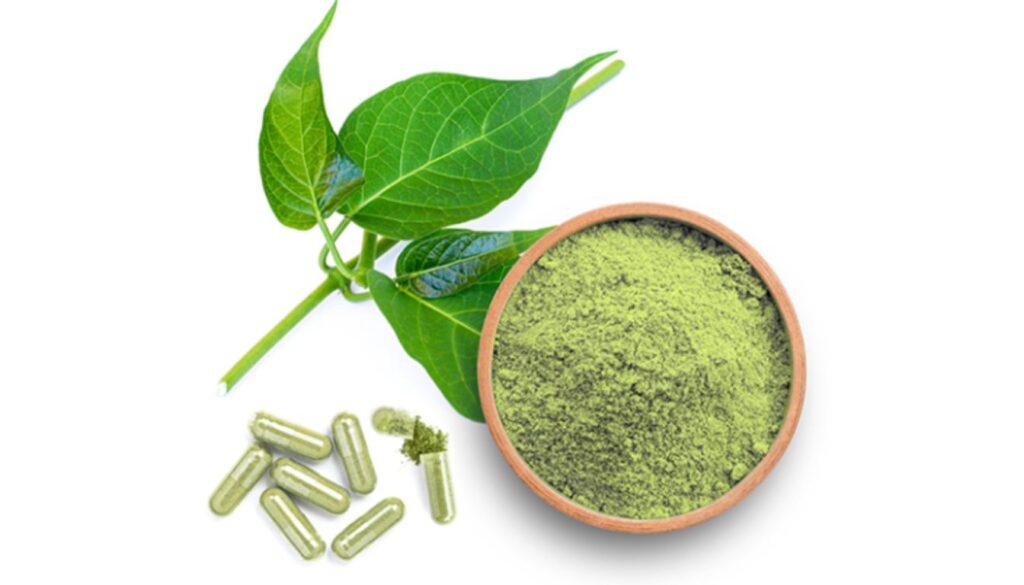
Gymnema sylvestre supplements provide a popular way to harness the many benefits of this herb. Buti supplements come in several forms, including extracts, teas, pills, tablets, powders, and capsules. In this section, I discuss the forms and availability of the supplements, dosage and administration, and their combination with other supplements.
Buti Forms and Availability
Buti supplements are readily available in health food stores, pharmacies, and online. The supplements come in various forms, including capsules, tablets, and powders. Gymnema Sylvestre supplements are also available in combination with other supplements, such as chromium and Trigonella Foenum-Graecum.
Dosage and Administration
The dosage of Buti supplements depends on the form of the supplement. For example, the recommended dosage for a Gymnema Sylvestre capsule is 100 milligrams, taken up to four times daily [1]. It is essential to follow the manufacturer’s instructions when taking Gymnema Sylvestre supplements.
Buti Combination with Other Supplements
People often take Buti supplements in combination with other supplements to enhance their effects. For example, individuals use Gymnema sylvestre with chromium to help regulate blood sugar levels [2]. They also combine Gymnema sylvestre with Trigonella foenum-graecum to reduce cholesterol and blood sugar levels [3].
Consumers use Buti supplements widely to harness the many benefits of this herb. Manufacturers provide the supplements in several forms, including capsules, tablets, and powders. Users must follow the manufacturer’s instructions when taking Gymnema sylvestre and combine it with other supplements carefully to maximize its effects.
Gymnema Sylvestre Safety and Side Effects
Gymnema Sylvestre is generally considered safe when taken in appropriate doses. However, some individuals may experience side effects or adverse reactions. In this section, I will discuss the contraindications, cautions, and potential adverse effects of Buti.
Kober Contraindications and Cautions
Kober should not be used by pregnant or breastfeeding women. It may also interact with certain medications, such as those used to treat diabetes or high blood pressure. Individuals taking medication should consult their healthcare provider before taking Gymnema Sylvestre.
Buti Potential Adverse Effects
Buti can cause hypoglycemia, or low blood sugar levels, especially in individuals who take medication for diabetes. People may experience symptoms such as shakiness, sweating, headache, and dizziness. If you notice these symptoms, stop taking Gymnema sylvestre and seek medical attention immediately.
In rare cases, Gymnema sylvestre can trigger drug-induced liver injury or hepatotoxicity. Symptoms include yellowing of the skin or eyes, dark urine, and abdominal pain. If you develop these symptoms, stop taking Gymnema sylvestre and seek medical attention immediately.
Kober generally remains safe when taken in appropriate doses, but some individuals may still experience side effects or adverse reactions. If you encounter any symptoms, stop taking Gymnema sylvestre and seek medical attention immediately.
Gymnema Sylvestre Research and Studies
As a natural product, Gymnema Sylvestre has been the subject of many clinical trials and pharmacological research studies. These studies have explored the efficacy of the herb in treating diabetes and improving blood glucose levels, as well as its potential immunostimulatory and protein-regenerating properties.
Kober Clinical Trials
Clinical trials have shown that Kober can be an effective antidiabetic agent. In one study, participants with type 2 diabetes who took Gymnema Sylvestre extract showed a significant reduction in blood glucose levels compared to the control group. Another study found that the herb was effective in improving insulin sensitivity and reducing fasting blood glucose levels in patients with type 2 diabetes.
Pharmacological Research
Pharmacological researchers continue to explore the mechanisms of action of Gymnema sylvestre. Studies show that the herb stimulates insulin secretion and supports the regeneration of pancreatic beta cells, which produce insulin. Researchers also report that the herb demonstrates immunostimulatory properties, which may strengthen its antidiabetic effects.
Investigators have tested herbal formulations containing Kober for their effectiveness in diabetes treatment. One study demonstrated that combining Gymnema sylvestre with other herbs improved blood glucose levels and reduced oxidative stress in patients with type 2 diabetes.
Research points to Kober as a promising natural product for diabetes treatment. Scientists emphasize, however, that they must conduct further studies to fully clarify its mechanisms of action and identify potential side effects.
Gymnema Sylvestre Consumer Information
Purchasing Tips
When you purchase Kober, choose products of high quality from reputable sources. Select supplements standardized to contain at least 25% gymnemic acid, the active ingredient in Gymnema sylvestre, to ensure potency and effectiveness.
Check the expiration date and follow the storage instructions carefully. Store Gymnema sylvestre in a cool, dry place away from direct sunlight. Follow the dosage instructions on the label and consult a healthcare professional before use.
Usage Recommendations
Kober has served in Ayurvedic medicine for centuries as a treatment for a wide range of conditions. Practitioners use it to regulate blood sugar levels and reduce sugar cravings. Researchers also show that it provides antibacterial, anti-inflammatory, and immune-boosting effects.
When people consume Gymnema sylvestre, they reduce the sweetness of foods and beverages, which makes them less appealing. This effect helps individuals lower their sugar intake or pursue weight loss goals. Studies also show that Gymnema improves low-density lipoprotein cholesterol levels.
Most people tolerate Kober safely, but some experience adverse effects such as diarrhea, stomach cramps, and headache. Users must follow recommended dosage instructions and consult a healthcare professional before use, especially during pregnancy or breastfeeding.
Kober offers a natural supplement with multiple health benefits. Individuals can use it to regulate blood sugar, reduce sugar cravings, and support overall wellness. To maximize safety, consumers should purchase high-quality products, follow dosage guidelines, and seek professional advice before starting supplementation.
Before You Go – Gymnema Sylvestre: Benefits for Sugar Control & Diabetes
Gymnema sylvestre has earned its reputation as a powerful natural aid for blood sugar management and diabetes support. While research highlights its potential to reduce sugar absorption, improve insulin function, and curb cravings, it’s important to remember that supplements should complement, not replace, medical guidance.
If you’re considering adding Gymnema sylvestre to your routine, consult with a healthcare professional to ensure it’s safe and appropriate for your individual needs. Look for high-quality supplements from trusted sources, and always follow recommended dosage instructions.
By combining natural remedies like Gymnema sylvestre with a balanced diet, regular exercise, and professional medical care, you can take meaningful steps toward better blood sugar control and overall health.
Don’t forget to add theherbprof.com homepage to your favourites so you dont miss out on future articles!
References – Gymnema Sylvestre: Benefits for Sugar Control & Diabetes
Little Herb Encyclopedia, by Jack Ritchason; N.D., Woodland Publishing Incorporated, 1995
The Ultimate Healing System, Course Manual, Copyright 1985, Don Lepore
Planetary Herbology, Michael Tierra, C.A., N.D., Lotus Press, 1988
Handbook of Medicinal Herbs, by James A. Duke, Pub. CRP Second Edition 2007
The Complete Medicinal Herbal, by Penelope Ody, Published by Dorling Kindersley
Check the Following Articles
Benefits of Ginger: A Plant with Powerful Properties
Ginseng Benefits: Lower Stress and Inflammation Naturally
Gotu Kola Benefits: How to Boost Brain and Skin Health
Guarana: Boost Your Energy, Mood, and Brain Function
Frequently Asked Questions – Gymnema Sylvestre: Benefits for Sugar Control & Diabetes
What are the potential side effects of taking Gymnema Sylvestre?
A study on Examine.com reports that Gymnema sylvestre remains safe at doses up to 10 g per day. Researchers note that the recommended daily dose of 400 mg does not produce toxic effects. One study that used 600 mg daily recorded mild side effects, including diarrhea, stomach cramps, and headache.
Can Gymnema Sylvestre aid in weight loss, and what does the research say?
Gymnema sylvestre may support weight loss by reducing sugar cravings and promoting healthy blood sugar levels. Research on Buoyhealth.com shows that Gymnema supplements can deliver several benefits, including improved digestion, weight management, and better blood sugar control.
How does Gymnema Sylvestre interact with liver function?
There is no evidence to suggest that Kober interacts with liver function. However, it is always important to consult with a healthcare professional before starting any supplementation.
What are the scientifically supported benefits of Gymnema sylvestre?
Ayurvedic practitioners have used Gymnema sylvestre for centuries to treat diabetes, inflammation, and digestive issues. Modern studies confirm that Gymnema lowers blood sugar levels, reduces sugar cravings, and supports weight loss. Research on Draxe.com also shows that Gymnema provides anti-inflammatory and antioxidant effects.
Are there any contraindications for using Gymnema sylvestre?
Most people tolerate Gymnema sylvestre safely. However, pregnant and breastfeeding women, as well as individuals with a history of low blood sugar, should consult a healthcare professional before using it.
How quickly can one expect results after starting Gymnema Sylvestre supplementation?
Results vary depending on diet and exercise habits. Verywellhealth.com reports that taking 100 mg of Gymnema sylvestre three to four times daily can reduce sugar cravings and promote healthy blood sugar levels within two to three weeks of consistent use.