
The Herb Prof Team researches and writes our herbal guides, drawing on published research, traditional herbal references, and hands-on growing experience.
Gymnema Sylvestre benefits have been valued in Ayurvedic medicine for centuries. Known as Shardunika in Ayurveda and Gurmar (“the destroyer of sugar”) in Hindi, this woody climbing herb is native to the tropical forests of India, Africa, and Australia, and has been used to manage blood sugar, reduce sugar cravings, and support metabolic health, particularly in people with type 2 diabetes.
Modern research supports many of these traditional uses. Gymnemic acids, the herb’s primary active compounds, can block glucose absorption in the intestines, stimulate insulin production, and improve insulin sensitivity.
This article covers the key benefits of Gymnema Sylvestre, how it works, dosage guidelines, potential side effects, and how to combine it with other natural remedies.
Historical Significance and Origin
Shardunika, also known as Gymnema Sylvestre, has been a staple of Ayurvedic medicine for over 2,000 years. Ayurveda, the ancient Indian system of natural healing, traditionally used it to help manage diabetes, high cholesterol, and digestive complaints, attributing to it anti‑inflammatory, antioxidant, and hypoglycaemic properties.
In Hindi it is called Gurmar, meaning “sugar destroyer”, a direct reference to its best‑known effect: temporarily suppressing the ability to taste sweetness and helping reduce sugar cravings. It is also known regionally as the Australian cowplant, Buti, and Kober, and in some older sources as periploca of the woods.
The botanical name Gymnema comes from the Greek gymnos (“naked”) and nema (“thread”), a reference to the plant’s thread‑like climbing growth habit. All of these names point to the same plant with a long history of medicinal use across India and other tropical regions.
Botanical Profile
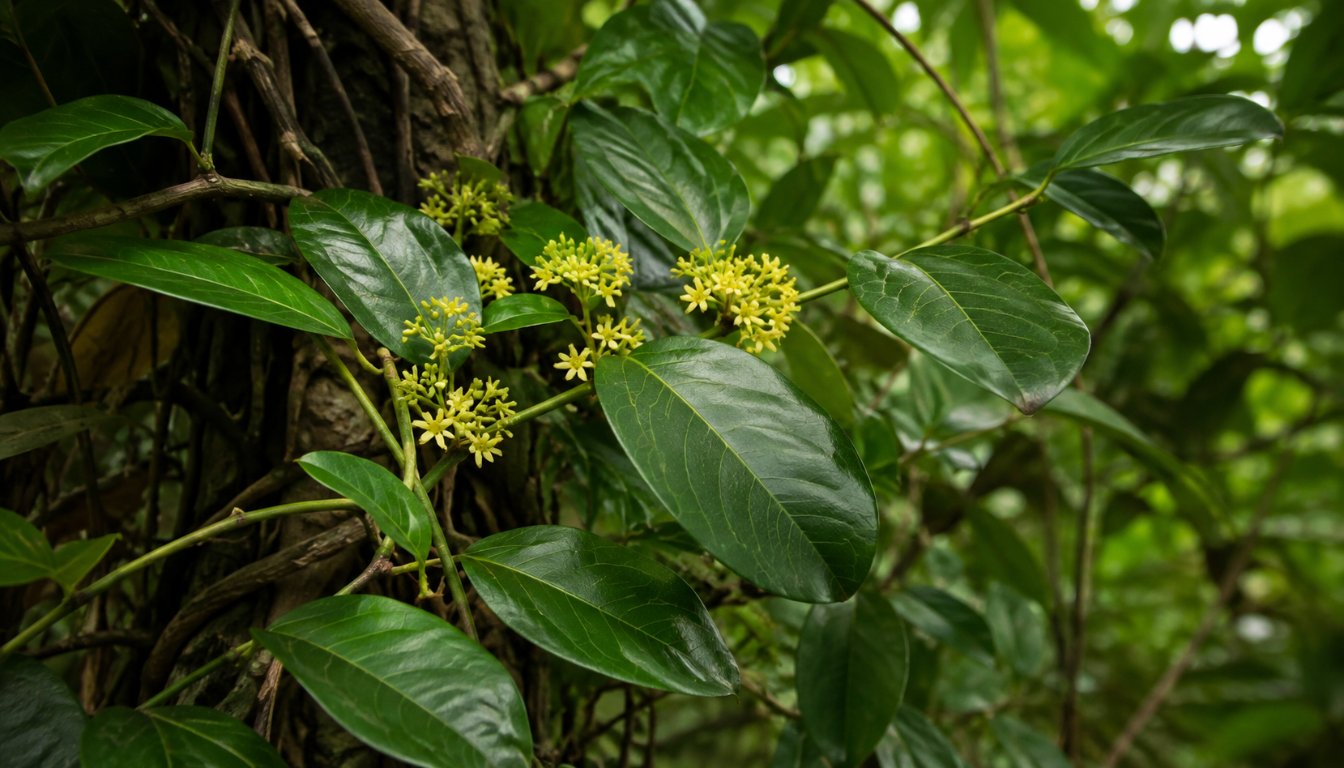
Gymnema Sylvestre is a woody climbing vine that can reach up to 6 metres in height. It grows in tropical and subtropical forests across India, Sri Lanka, Africa, and Australia, preferring well-drained, fertile soil and full sun. The plant is drought-tolerant and relatively hardy.
Its leaves are glossy, dark green, and oval-shaped with a leathery texture. Small, yellowish, fragrant flowers appear seasonally and attract pollinators. The leaves are the primary medicinal part of the plant.
Active Compounds
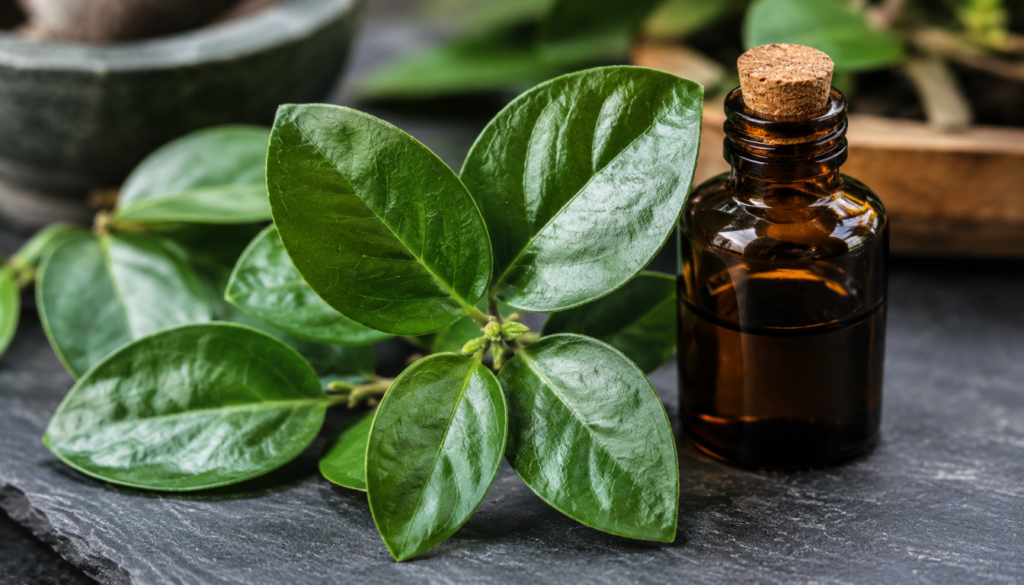
The medicinal power of Gymnema Sylvestre comes mainly from gymnemic acids, a group of complex triterpenoid saponins found exclusively in the leaves of this plant. Several types have been identified, including gymnemic acids I, II, III, and IV.
How Gymnemic Acids Work on the Tongue
This is one of the most fascinating mechanisms in herbal medicine. Gymnemic acid molecules have a similar shape to glucose molecules. When you chew a Gymnema leaf or take a liquid extract, gymnemic acids temporarily bind to the sweetness receptors on your taste buds, physically blocking glucose from attaching to them.
The result: sweet foods taste bland or flavourless for 15–30 minutes. This is not a placebo effect, it is a measurable, repeatable pharmacological response. People sometimes describe it as taking a bite of a normally sweet food and suddenly finding it tastes flat or almost like cardboard, which can be a powerful interruption of automatic sugar‑eating habits.
This same receptor-blocking mechanism extends to the intestines. Gymnemic acids bind to glucose receptors in the small intestine wall, reducing how much sugar is absorbed into the bloodstream after a meal.
Other active compounds:
- Tannins – astringent polyphenols that soothe digestive tissue, reduce inflammation in the gut lining, and have mild antimicrobial properties
- Saponins – anti-inflammatory compounds that may support skin health and reduce systemic inflammation
- Gurmarin – a small protein unique to Gymnema Sylvestre that also suppresses sweetness perception, working alongside gymnemic acids
- Flavonoids and anthraquinones – antioxidant compounds that contribute to the herb’s broader protective effects
The combination of these compounds, particularly gymnemic acids and gurmarin, makes Gymnema Sylvestre uniquely effective at targeting sugar metabolism from multiple angles simultaneously.
Blood Sugar Management: Core Gymnema Sylvestre Benefits
Blood sugar regulation is Gymnema Sylvestre’s most researched and best-supported benefit. It works through three distinct mechanisms:
Blocking Glucose Absorption
Gymnemic acids bind to glucose receptors in the small intestine, physically reducing how much sugar passes into the bloodstream after a meal. This may lead to lower post‑meal blood sugar spikes, one of the key targets in Type 2 diabetes management.
Stimulating Insulin Production
Research published in the Journal of Ethnopharmacology found that Gymnema Sylvestre can stimulate beta cells in the pancreas to secrete more insulin. In Type 2 diabetes, beta cell function is often impaired, this herb appears to support its recovery.
Improving Insulin Sensitivity
The herb has also been shown to increase the number and activity of insulin receptors in cells, meaning the body uses the insulin it produces more efficiently. This is particularly relevant for people with insulin resistance, the underlying driver of most Type 2 diabetes cases.
Type 1 vs Type 2 Diabetes
Most research focuses on Type 2 diabetes, where results are more consistent. Some early studies suggest potential benefit for Type 1 as well, but the evidence is less established. In both cases, Gymnema Sylvestre should be used alongside, not instead of, prescribed medication, under medical supervision.
A 2001 clinical study found that participants taking Gymnema Sylvestre extract for 18–20 months showed significant reductions in fasting blood sugar and HbA1c levels, a long-term marker of blood sugar control.
What the Research Actually Says About Gymnema Sylvestre Benefits
Gymnema Sylvestre is one of the better-studied Ayurvedic herbs, though most trials are small and more large-scale human research is still needed. Here is what the existing evidence shows:
Study 1 – Type 2 diabetes (1990, Journal of Ethnopharmacology): 22 patients with Type 2 diabetes took 400mg of Gymnema Sylvestre extract daily for 18–20 months alongside their diabetes medication. By the end of the study, fasting blood sugar dropped significantly, HbA1c (the 3-month blood sugar average) improved, and 5 patients were able to reduce their medication dose. No patients on medication alone showed the same improvements.
Study 2 – Type 1 diabetes (1990, Journal of Ethnopharmacology): 27 patients with Type 1 diabetes taking insulin were given Gymnema Sylvestre extract for 6–30 months. Insulin requirements decreased, fasting blood sugar dropped, and HbA1c improved compared to the control group. Researchers suggested the herb may support beta cell regeneration in the pancreas, a significant finding, though one that requires further investigation.
Study 3 – Sugar cravings and food intake (2017): A randomised controlled trial found that participants taking Gymnema Sylvestre extract reported significantly reduced appetite for sweet foods and consumed fewer calories from sugary snacks compared to the placebo group. The effect was linked directly to the sweetness-blocking mechanism of gymnemic acids.
Study 4 – Cholesterol and triglycerides: A study involving obese patients found that 400mg daily of Gymnema Sylvestre extract over 8 weeks reduced total cholesterol, LDL cholesterol, and triglycerides, while HDL (good cholesterol) levels remained stable.
The honest bottom line: The research is promising but not conclusive. Most studies are short-term and involve small sample sizes. Gymnema Sylvestre shows genuine potential, particularly for blood sugar management in Type 2 diabetes, but it is best viewed as a complementary support rather than a standalone treatment.
Gymnema Sylvestre Benefits for Health
Weight Management
By suppressing sweetness perception and reducing sugar cravings, Gymnema Sylvestre can support calorie reduction and healthier food choices. It may also promote a feeling of fullness, making it a useful addition to a weight management plan, particularly for those who struggle with sugar-driven overeating.
Cardiovascular Health
Research published in the Journal of Clinical Biochemistry and Nutrition found that Gymnema Sylvestre can reduce LDL cholesterol and triglyceride levels. By lowering these markers, the herb may help reduce the risk of atherosclerosis, the buildup of fatty plaques in the arteries, supporting long-term heart health.
Anti-Inflammatory and Antimicrobial Effects
The saponins and tannins in Gymnema Sylvestre contribute anti-inflammatory and antimicrobial activity. These properties may benefit conditions involving chronic low-grade inflammation, such as arthritis, as well as supporting the body’s defence against harmful bacteria.
Digestive Health
Tannins in the plant have traditionally been used to support digestive function, including reducing diarrhea and soothing irritated gut tissue. Gymnema Sylvestre has historically been used in Ayurveda to promote healthy digestion alongside its blood sugar benefits.
How to Use Gymnema Sylvestre
Forms Available
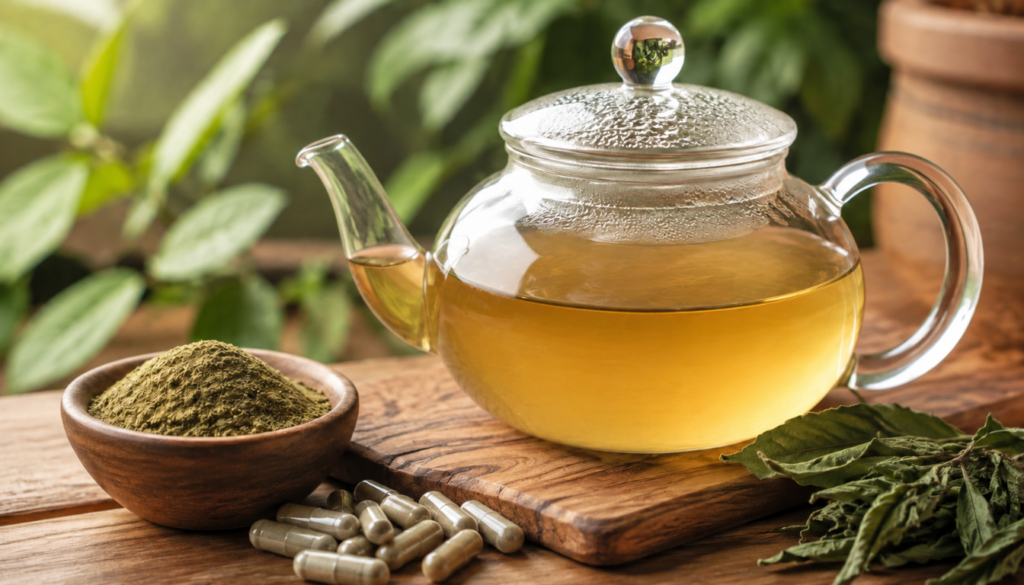
- Capsules/tablets – most convenient for precise dosing
- Powder – can be mixed into smoothies or food
- Liquid extract – fast-absorbing, easy to adjust dose
- Herbal tea – mild option for daily use
Dosage Guidelines
Standard doses used in clinical studies range from 200–400 mg of standardised extract (75% gymnemic acids) per day, typically divided into two doses with meals. Always follow the label instructions on your specific product.
Important: Gymnema Sylvestre can significantly lower blood sugar. If you take insulin or diabetes medications, do not use this herb without medical supervision, the combination can cause hypoglycemia.
Choosing a Quality Gymnema Sylvestre Supplement
Not all Gymnema products are created equal. To get a predictable effect and minimise risks:
- Choose supplements from reputable brands that clearly list Gymnema Sylvestre on the label.
- Prefer products standardised for gymnemic acids, as these are the main active compounds.
- Avoid proprietary blends that hide the exact amount of Gymnema or gymnemic acids.
- Check the expiry date and follow storage instructions (cool, dry place, away from direct sunlight).
- Always follow the dosage on your specific product unless your healthcare provider advises otherwise.
What to Expect from Gymnema Sylvestre
Practical Ways to Include It in Your Routine
Beyond capsules and tablets, Gymnema Sylvestre can be used in simple, food‑based ways:
- Smoothies – Add a small amount of Gymnema powder (for example, one quarter to one half teaspoon) to a green smoothie with spinach, a little fruit, and your preferred milk. This is an easy way to include Gymnema without strongly noticing the taste.
- Herbal tea – Steep about 1 teaspoon of dried Gymnema leaves (or a small pinch of powder in a tea infuser) in hot water for 10 minutes. You can add lemon or a small amount of a non‑sugar sweetener if desired.
- Savoury dishes – Stir a small pinch of Gymnema powder into vegetable stir‑fries, stews, or soups near the end of cooking. Its earthy flavour blends more easily into savoury dishes than into sweet ones.
- Energy bites – Mix oats, nut butter, and a small amount of Gymnema powder into bite‑sized balls and refrigerate. These kinds of snacks can be useful for people trying to manage sugar cravings, but the total carbohydrate content still needs to fit into an overall diabetes plan.
Always start with very small amounts when using powder in food or drinks, as the taste and the sweetness‑blocking effect can be quite strong for some people.
How Long Until You See Gymnema Sylvestre Benefits?
Immediate effect (15–30 minutes) – If you chew a fresh leaf or take a liquid extract, the sweetness-blocking effect on your taste buds kicks in within minutes and lasts roughly 15–30 minutes. This is the fastest and most noticeable effect of the herb.
Short-term (1–2 weeks) – Most users report a noticeable reduction in sugar cravings within the first 1–2 weeks of consistent daily use. This is partly the taste-receptor effect carried into daily habits, and partly the herb’s influence on appetite signalling.
Medium-term (4–8 weeks) – Measurable improvements in post-meal blood sugar levels and fasting glucose typically appear after 4–8 weeks of consistent use at therapeutic doses (200–400mg standardised extract daily).
Long-term (3–6 months) – The most significant metabolic benefits, reduced HbA1c, improved insulin sensitivity, and lower cholesterol, appear in studies running 3 months or longer. This is the timeframe where the herb shows its full potential.
Practical tip: Take Gymnema Sylvestre 20–30 minutes before meals. This timing allows gymnemic acids to reach the intestinal receptors before glucose from your food does, maximising the absorption-blocking effect. Capsules and tablets are more practical for this than tea, which has a lower concentration of gymnemic acids.
Potential Side Effects and Safety
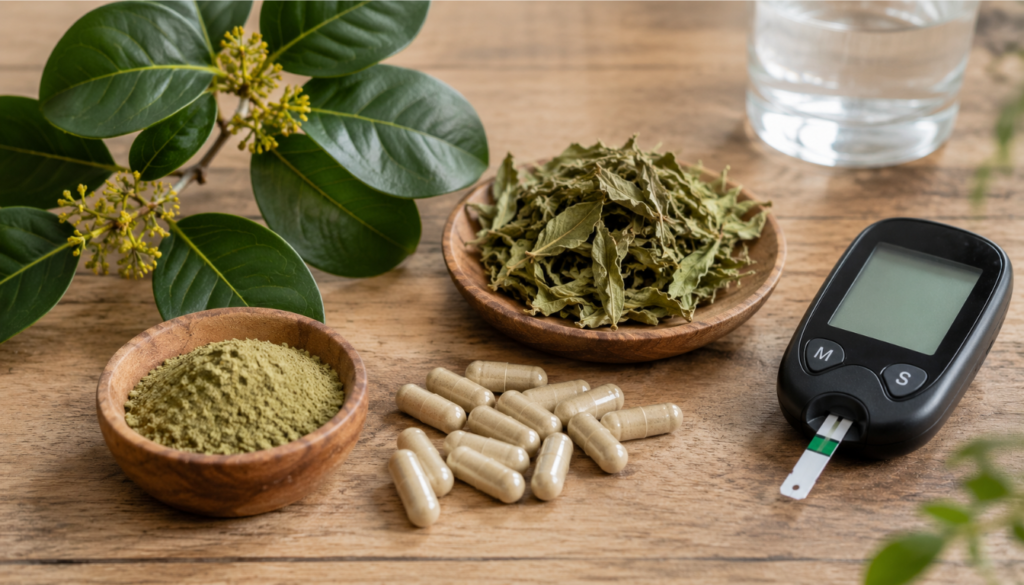
Gymnema Sylvestre is generally well tolerated at recommended doses. Potential side effects include:
- Gastrointestinal discomfort – nausea, loose stools, or stomach upset, especially at high doses
- Hypoglycemia – abnormally low blood sugar if combined with diabetes medications or taken in excess. Symptoms include shakiness, sweating, weakness, and confusion. Stop use and seek medical attention if this occurs.
- Headaches – reported occasionally, usually at higher doses
Do not use without medical advice if you are:
- Pregnant or breastfeeding
- Taking insulin or blood sugar medications
- Managing a liver condition
- Scheduled for surgery (may affect blood sugar control)
Who Should Consider Gymnema Sylvestre?
Gymnema Sylvestre is not a one-size-fits-all supplement. It is most likely to be beneficial for specific groups of people.
Good Candidates
- People with Type 2 diabetes – particularly those looking for complementary support alongside conventional treatment. The blood sugar and insulin sensitivity benefits are most relevant here. Always use under medical supervision.
- People with prediabetes – those with elevated fasting blood sugar who have not yet progressed to full diabetes may find this herb useful as part of an early intervention strategy alongside diet and exercise changes.
- People who struggle with sugar cravings – if sweet foods are your primary dietary challenge, the sweetness-blocking mechanism of gymnemic acids offers a unique and practical tool for breaking the cycle.
- People managing their weight – particularly those whose weight challenges are driven by high sugar consumption rather than general overeating.
- People with high cholesterol or triglycerides – the lipid-lowering evidence, while modest, makes this herb a reasonable complementary option for cardiovascular risk reduction.
Less Likely to Benefit
- People whose blood sugar is already well controlled through diet alone
- Those looking for a quick-fix weight loss solution – this herb supports lifestyle changes, it does not replace them
- People sensitive to blood sugar fluctuations who are not under medical supervision
Not Suitable For
- Pregnant or breastfeeding women
- Children
- Anyone taking insulin or blood sugar medications without first consulting their doctor
- People with known liver conditions
Combining Gymnema Sylvestre with Other Remedies
Gymnema Sylvestre pairs well with several other Ayurvedic and natural herbs:
- Turmeric – adds anti-inflammatory and antioxidant support, beneficial for those with diabetes-related inflammation
- Ginger – complements the anti-inflammatory effects and supports circulation and digestion
- Berberine – another compound with blood sugar-lowering properties; always consult a doctor before combining, as the effect on blood sugar can be additive
- Cinnamon – supports insulin sensitivity and pairs naturally in tea or supplement form
For a holistic approach, combine Gymnema Sylvestre with whole food dietary changes, reducing refined sugars and processed carbohydrates, and regular physical activity. The herb supports these lifestyle changes but does not replace them.
Lifestyle and Diet Considerations

Gymnema Sylvestre is most effective as part of a broader healthy lifestyle. Key supporting habits include:
- Prioritise fibre-rich foods – leafy greens, legumes, non-starchy vegetables, nuts, and seeds all support stable blood sugar
- Avoid refined sugars and ultra-processed foods – these drive insulin resistance over time
- Exercise regularly – physical activity independently improves insulin sensitivity
- Manage stress – chronic stress raises cortisol, which negatively impacts blood sugar regulation. Mindfulness, nature time, and adequate sleep all help.
Clinical Studies – Gymnema Sylvestre Benefits
- Baskaran K, Ahamath BK, Shanmugasundaram KR, Shanmugasundaram ERB. (1990). Antidiabetic effect of a leaf extract from Gymnema sylvestre in non-insulin-dependent diabetes mellitus patients. Journal of Ethnopharmacology, 30(3), 295–300. PubMed
- Shanmugasundaram ERB, Rajeswari G, Baskaran K, et al. (1990). Use of Gymnema sylvestre leaf extract in the control of blood glucose in insulin-dependent diabetes mellitus. Journal of Ethnopharmacology, 30(3), 281–294. PubMed
- Zupo R, et al. (2022). Effects of Gymnema Sylvestre supplementation on lipid profile, glycaemic control and blood pressure. Systematic Review. PubMed
- Brala PM, Hagen RL. (1983). Effects of sweetness perception and caloric value of a preload on short term intake. Physiology & Behavior, 30(1), 1–9. PubMed
Related Articles
Gymnema Sylvestre Side Effects: Risks and Safety
11 Herbs for Diabetes Management and Blood Sugar Support
NutriFlair Berberine Supplement 1500mg Review
Frequently Asked Questions – Gymnema Sylvestre Benefits
What are the main health benefits of Gymnema Sylvestre (Shardunika)?
The primary benefits are blood sugar regulation, reduced sugar cravings, cholesterol and triglyceride reduction, anti-inflammatory effects, and digestive support.
Does Shardunika have side effects?
At recommended doses it is generally safe. The most important risk is hypoglycemia if combined with diabetes medications. Some people experience mild digestive discomfort.
How does it affect blood sugar levels?
Gymnemic acids block intestinal glucose absorption and stimulate insulin production, both of which help lower blood sugar levels after meals.
Can it help with weight loss?
It may support weight management by reducing sugar cravings and calorie intake from sweet foods, but it is not a standalone weight loss supplement.
What is the recommended dosage?
Typically 200–400 mg of standardised extract daily with meals. Always follow product instructions and consult your doctor if you have any underlying health conditions.
Is it suitable for everyone?
No. People taking diabetes medications, pregnant or breastfeeding women, and those with liver conditions should consult a doctor before use.
Can I take Gymnema Sylvestre with metformin?
Gymnema Sylvestre may enhance the blood sugar-lowering effect of metformin. While no serious interactions have been formally documented, combining them could increase the risk of hypoglycemia. Always consult your doctor before combining any herbal supplement with prescribed diabetes medication.
Please note: This article is for informational purposes only and does not constitute medical advice. Always consult your doctor before adding any herbal supplement to your routine, especially if you manage diabetes or take blood sugar medications.