
The Herb Prof Team researches and writes our herbal guides, drawing on published research, traditional herbal references, and hands-on growing experience.
If you’re interested in natural ways to manage blood sugar, you’ve likely heard about Gymnema Sylvestre side effects and potential benefits. This potent herb has gained attention for its possible role in supporting glucose control, but it’s important to be aware of the risks as well as the upside. It can be confusing to sort through all the information, especially when it involves something as important as your health.
In this article, I’ll focus on the side effects of Gymnema Sylvestre so you can make informed decisions about whether and how to use it. While many people have positive experiences with this herb, it’s essential to understand possible reactions, interactions, and who should avoid it. Let’s look at what you need to know to use Gymnema as safely and confidently as possible.
Overview of Gymnema Sylvestre
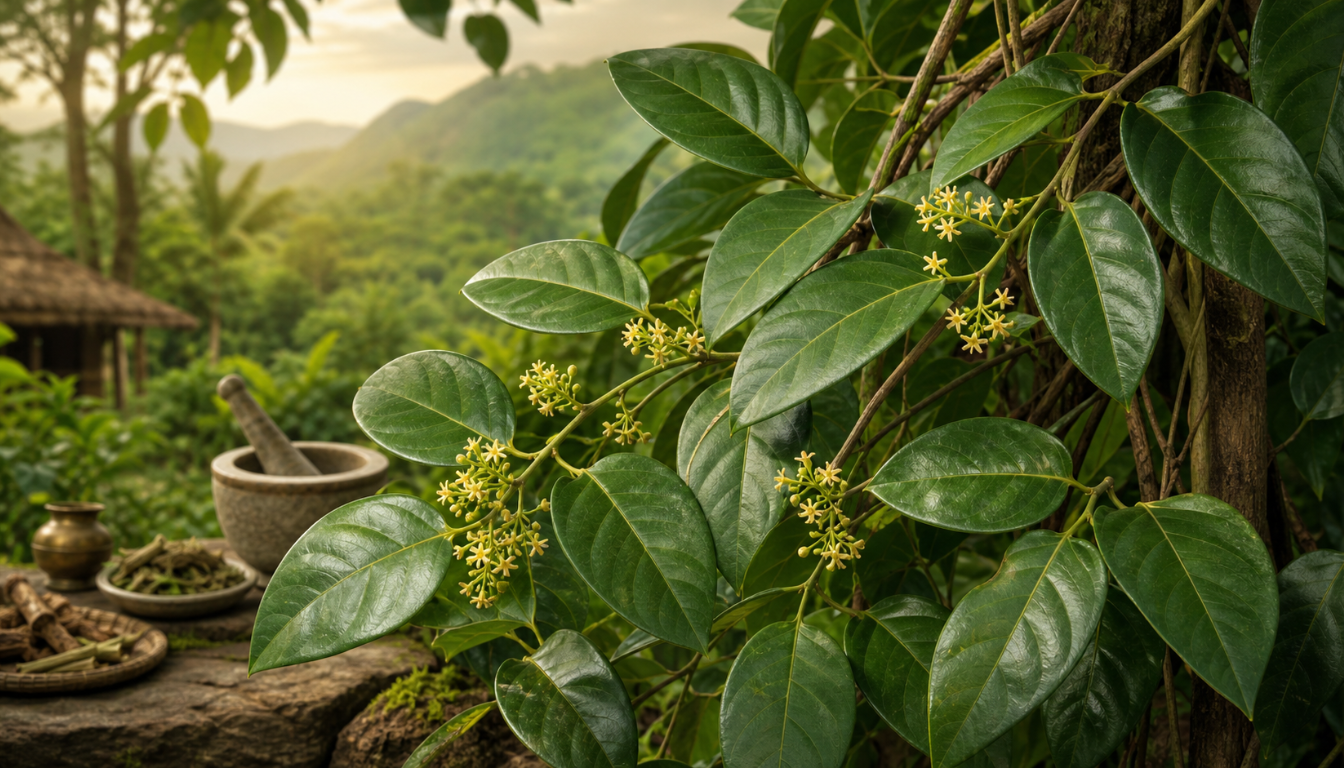
Gymnema Sylvestre is a climbing plant native to India and Africa that has been used in traditional medicine for centuries to help manage blood sugar levels. It contains compounds called gymnemic acids that can reduce the absorption of sugar in the intestines and temporarily change how sweet foods taste. Many people now use Gymnema as a natural complement to standard diabetes care or to help with sugar cravings.
However, “natural” does not mean risk‑free. Gymnema can cause side effects, especially at higher doses. The risk also increases when you combine it with diabetes medications. Some people report stomach upset, diarrhoea, nausea, changes in taste, headache, or dizziness when they start taking it. Gymnema can also enhance the effect of blood sugar‑lowering drugs. Used without proper monitoring, it may increase the risk of hypoglycaemia.
People with diabetes, liver problems, or those who take blood sugar medicines need to be particularly careful. Pregnant or breastfeeding women and children should avoid Gymnema unless a specialist advises otherwise. Used thoughtfully and under medical supervision, it can form part of a broader plan. You should still understand its side effects and risks before adding it to your routine.
Common Gymnema Sylvestre Side Effects
Gymnema Sylvestre is generally well tolerated at modest doses, but some people do experience mild side effects when they start taking it or when the dose is increased.
Gastrointestinal Issues
The most frequently reported side effects are digestive. Some people notice:
- Stomach discomfort or cramping
- Bloating or excess gas
- Loose stools or diarrhoea
- Mild nausea
These reactions are usually dose‑related and tend to be more common with higher doses or when Gymnema is taken on an empty stomach. Starting with a low dose and taking it with food can often reduce these effects. If digestive symptoms are persistent or severe, it is better to stop the herb and speak with a healthcare professional.
Changes in Taste and Mild Headache
Because Gymnema temporarily blocks sweetness receptors on the tongue, some people notice that sweet foods and drinks taste unusually flat or dull for a short period after taking it. This is an expected pharmacological effect of the herb, but it can feel strange if you are not prepared for it.
A few users also report mild headache, light‑headedness, or a general “off” feeling when they first add Gymnema to their routine. These symptoms may settle as the body adjusts, but if they continue or worsen, it is sensible to stop and seek medical advice.
Rare Gymnema Sylvestre Side Effects

Most people who use Gymnema Sylvestre at appropriate doses do not experience serious problems, but there are some less common effects that are important to understand before you start.
Effects on Blood Sugar Levels
Gymnema can lower blood sugar on its own, and this effect can add to the action of diabetes medications such as insulin or sulfonylureas. In some cases, this combination may cause blood sugar to drop too low (hypoglycaemia), leading to symptoms such as:
- Shakiness or trembling
- Sweating or feeling suddenly very hot
- Dizziness, confusion, or difficulty concentrating
- Blurred vision
- Feeling weak, faint, or unusually tired
This risk is highest in people who already take blood sugar‑lowering drugs. If you use insulin or oral diabetes medications, you should only consider Gymnema under medical supervision and with regular blood sugar monitoring.
Interactions with Medications and Surgery
Gymnema may interact with a range of medications that influence blood sugar, blood pressure, or liver function. Because of this, it is important to tell your doctor or pharmacist about any supplements you take, especially if you are on:
- Insulin or other diabetes drugs
- Medicines for blood pressure or heart conditions
- Drugs that are metabolised through the liver
Gymnema can also affect blood sugar control around the time of surgery. Most safety guidance recommends stopping it at least two weeks before any planned operation, unless your surgeon or anaesthetist advises otherwise.
Rare Liver and Allergic Reactions
There have been rare case reports of liver injury in people who were taking Gymnema‑containing products. It is not always clear whether Gymnema alone was responsible, but this possibility means extra caution is needed if you have a history of liver disease. Signs that may suggest a liver problem include:
- Dark urine
- Yellowing of the skin or the whites of the eyes
- Persistent nausea, loss of appetite, or unusual fatigue
- Pain or discomfort in the upper right side of the abdomen
Serious allergic reactions to Gymnema are uncommon but can occur. Stop using it and seek urgent medical help if you notice swelling of the face or throat, difficulty breathing, or a widespread, intense rash.
Mitigating Gymnema Sylvestre Side Effects
Managing the way you start and use Gymnema Sylvestre can greatly reduce the chance of unwanted side effects.
Recommended Dosage and How to Start
It’s best to begin with a low dose and increase slowly only if needed. Many supplements provide between 100 and 400 mg of Gymnema extract per day. This is often divided into two or three doses. Start at the lower end of this range and give your body several days to adjust before making any changes.
Taking Gymnema with food rather than on an empty stomach may help reduce digestive upset. Do not jump straight to a high dose, and never exceed the dosage on the product label unless your healthcare provider specifically recommends it. If you use a liquid extract or powder, measure carefully to avoid accidentally taking too much.
Monitoring and When to Pause
If you live with diabetes or prediabetes, regular blood sugar monitoring is essential when you add Gymnema. Keep a close eye on your readings, especially in the first few weeks, and watch for any symptoms of low blood sugar. If you notice frequent dips or feel unwell, pause the supplement and speak with your doctor.
Keeping a simple diary of dose, timing, and any symptoms can be very useful. Note digestive changes, headaches, changes in taste, or any unusual fatigue. If side effects are persistent, worsening, or worrying, it is safer to stop Gymnema and seek medical advice rather than trying to push through them.
Who Should Avoid Gymnema Sylvestre?
Gymnema Sylvestre is not suitable for everyone. Some people face a higher risk of side effects or complications. They should generally avoid this herb unless a specialist directly supervises their care.
- People with type 1 diabetes or those using insulin or sulfonylureas – Gymnema can intensify the blood sugar‑lowering effect of these drugs and increase the risk of hypoglycaemia. It should only be considered with the approval and close monitoring of an endocrinologist or diabetologist.
- People with known liver disease – Because there are rare reports of liver injury in people taking Gymnema‑containing products, anyone with existing liver problems should avoid it unless their liver specialist explicitly agrees.
- Pregnant or breastfeeding women – There is not enough reliable research to confirm that Gymnema is safe in pregnancy or while breastfeeding, so most experts recommend avoiding it in these situations.
- Children – Safety data in children are very limited. Gymnema should not be used in children unless specifically recommended and monitored by a paediatric specialist.
- People scheduled for surgery – Because Gymnema can affect blood sugar control around operations, it is usually recommended to stop it at least two weeks before planned surgery, unless your surgical team advises otherwise.
If you take any prescription medication, especially for blood sugar, blood pressure, heart disease, or liver conditions, always talk to your doctor or pharmacist before starting Gymnema.
When to Stop Gymnema and Seek Help
Gymnema Sylvestre should always be stopped and checked with a healthcare professional if you notice worrying symptoms. Contact a doctor promptly if you experience:
- Signs of low blood sugar, such as shaking, sweating, unusual hunger, confusion, blurred vision, or feeling faint, especially if you also use diabetes medication.
- Possible liver‑related symptoms, including dark urine, yellowing of the skin or eyes, persistent nausea, loss of appetite, or pain in the upper right side of your abdomen.
- A severe allergic reaction, such as swelling of the face, lips, tongue, or throat, trouble breathing, or a widespread, intense rash.
In these situations, it is safer to stop Gymnema and let a medical professional investigate. Do not try to adjust the dose on your own.
With this added, your side‑effects article will feel complete: clear intro, overview, common and rare side effects, mitigation, who should avoid it, and when to seek help, all without duplicating your main Gymnema benefits guide.
Before You Go – Gymnema Sylvestre Side Effects
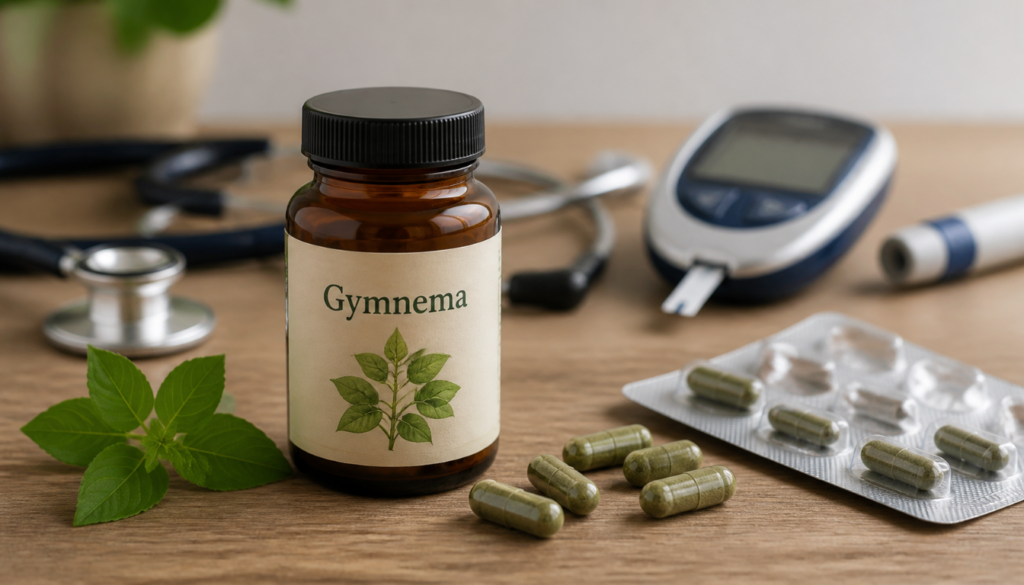
Gymnema Sylvestre can be a useful herbal ally for people working on blood sugar balance or sugar cravings, but it is not a harmless “add‑on.” Its effects on glucose metabolism, taste perception, and potentially the liver mean it deserves the same respect as a medication. Starting low, increasing slowly, and paying attention to how your body responds all reduce the risk of unwanted reactions.
If you live with diabetes, prediabetes, liver disease, or take any prescription drugs, it is essential to involve your healthcare team before adding Gymnema. Regular blood sugar monitoring and clear communication with your doctor are far safer than experimenting alone. With the right guidance and realistic expectations, you can weigh the potential benefits of Gymnema against its side effects and decide whether it fits into your overall health plan.
Enjoyed this article? Add theherbprof.com to your favourites and stay up to date with the latest herbal health guides and supplement reviews!
References – Gymnema Sylvestre Side Fffects
Little Herb Encyclopedia, by Jack Ritchason; N.D., Woodland Publishing Incorporated, 1995
The Ultimate Healing System, Course Manual, Copyright 1985, Don Lepore
Planetary Herbology, Michael Tierra, C.A., N.D., Lotus Press, 1988
Handbook of Medicinal Herbs, by James A. Duke, Pub. CRP Second Edition 2007
The Complete Medicinal Herbal, by Penelope Ody, Published by Dorling Kindersley
Related Articles
Burdock Root: Health Benefits and Potential Side Effects
Gymnema Sylvestre Benefits: Uses, Dosage & Side Effects
Cucumber for a Healthier You: Weight Loss Made Easy
Discover the Benefits of Argan Oil for Your Skincare Routine
Frequently Asked Questions – Gymnema Sylvestre Side Fffects
What is gymnema sylvestre?
Gymnema Sylvestre is a climbing plant from India and Africa that people use to help manage blood sugar. Its active compounds, gymnemic acids, reduce sugar absorption in the intestines and temporarily change how sweet foods and drinks taste.
What are the benefits of gymnema sylvestre?
People use Gymnema Sylvestre to support blood sugar management, reduce sugar cravings, and assist with weight control. You should treat it as complementary support, not as a replacement for prescribed treatment or medical advice.
What are the most common side effects?
Common side effects include stomach upset, bloating, gas, loose stools, and mild nausea.
Some people also notice temporary changes in sweet taste. Others report mild headache or light‑headedness when they start Gymnema or increase the dose.
Can Gymnema Sylvestre cause serious side effects?
Gymnema can sometimes cause blood sugar to drop too low, especially in people using insulin or other diabetes medications. There are rare reports of liver problems and serious allergic reactions, which always require stopping the herb and seeking medical care.
How should I take Gymnema Sylvestre to reduce side effects?
Start with a low dose at the lower end of the product’s range and take it with food.
Increase the dose slowly if needed, track any symptoms, and never exceed the label dose without medical guidance.
Can Gymnema Sylvestre interact with medications?
Yes. Gymnema can enhance the blood sugar‑lowering effects of diabetes drugs and may affect other medicines. Always tell your doctor or pharmacist about any supplements you use if you take prescription medication.
Is Gymnema Sylvestre safe during pregnancy or breastfeeding?
Researchers have not confirmed that Gymnema is safe in pregnancy or while breastfeeding.
Because of this uncertainty, most experts recommend avoiding it unless a specialist specifically advises otherwise.
Who should avoid Gymnema Sylvestre?
People with type 1 diabetes, or those using insulin or sulfonylureas, should avoid Gymnema without specialist supervision. Individuals with liver disease, pregnant or breastfeeding women, children, and people awaiting surgery should also avoid it unless a specialist approves it.