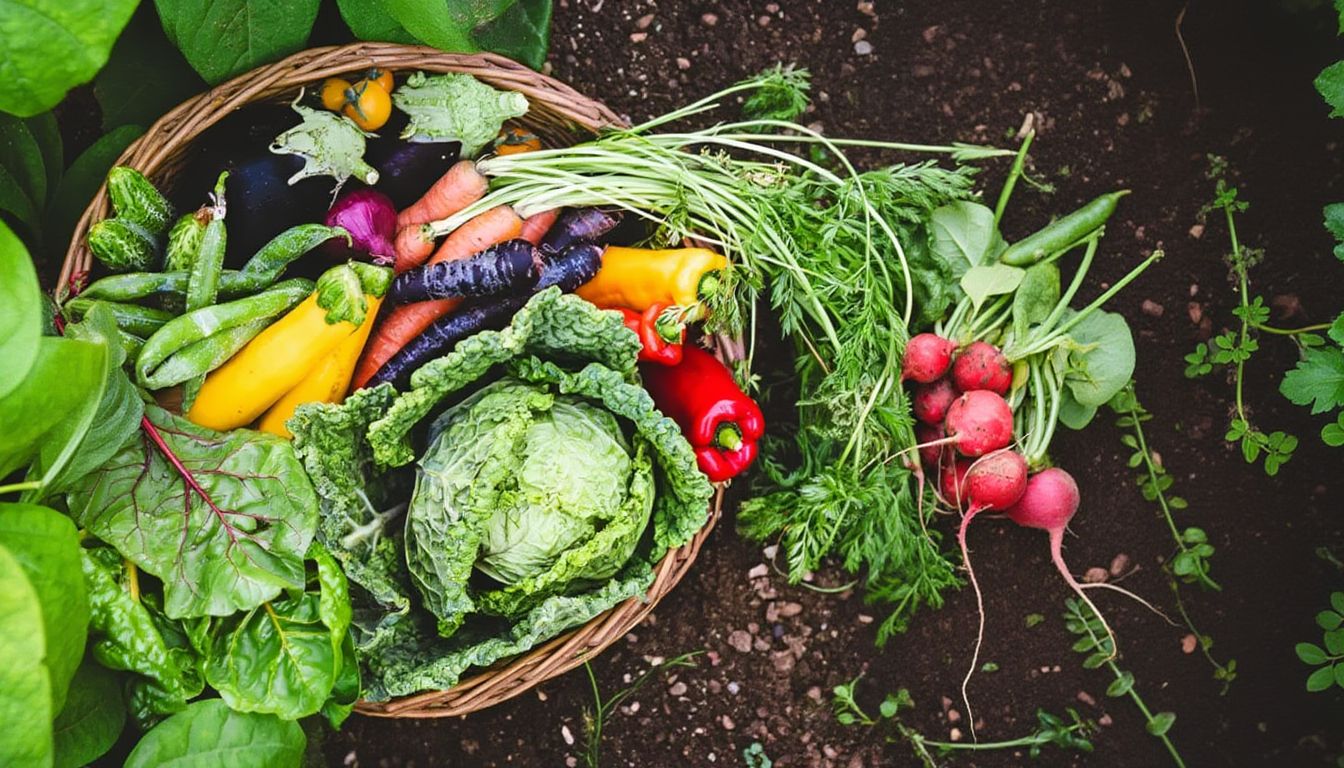
When it comes to a healthy diet, vegetables play a vital role. They pack essential vitamins, minerals, and fiber that our bodies need. Not all vegetables offer the same benefits, though. Some deliver more nutrition, while others grow more easily. In this article, I’ll highlight the healthiest vegetables to grow in your garden.
Growing your own vegetables saves money and guarantees fresh, organic produce. The healthiest vegetables to grow combine high nutrient content with easy cultivation. Spinach, broccoli, kale, and Brussels sprouts stand out as excellent choices. They provide vitamins A, C, and K, along with fiber and other essential nutrients.
By adding these vegetables to your diet, you strengthen your overall health and well-being. They lower the risk of chronic diseases such as heart disease, diabetes, and certain cancers. If you want to improve your diet and eat healthier, grow these super-nutritious vegetables in your garden.
Nutritional Profiles of Healthiest Vegetables to Grow
As a nutritionist, I recommend incorporating a variety of vegetables into your diet to ensure you are getting a wide range of nutrients. Here are some of the healthiest vegetables to grow and their nutritional profiles.
Leafy Greens: Spinach, Kale, and Swiss Chard – Healthiest Vegetables to Grow
Leafy greens are packed with nutrients such as vitamin K, vitamin C, and folate. Spinach, kale, and Swiss chard are particularly nutrient-dense. Spinach is an excellent source of iron, while kale is high in magnesium and calcium. Swiss chard contains antioxidants that can help protect against cancer.
Cruciferous Vegetables: Broccoli, Cauliflower, and Brussels Sprouts
Cruciferous vegetables are known for their cancer-fighting properties due to their high levels of sulforaphane. Broccoli, cauliflower, and Brussels sprouts are all excellent sources of this compound. They are also rich in vitamins A and C, as well as fiber.
Root Vegetables: Carrots, Beets, and Sweet Potatoes
Root vegetables are a great source of vitamins and minerals, and they are particularly high in beta carotene. Carrots, beets, and sweet potatoes are all excellent sources of this nutrient. They are also rich in fiber, which can help regulate blood sugar levels.
Allium Vegetables: Garlic, Onions, and Leeks – Healthiest Vegetables to Grow
Allium vegetables such as garlic, onions, and leeks are rich in sulfur compounds that can help improve heart health. They are also a good source of vitamin C and fiber.
Legumes: Peas, Beans, and Lentils
Legumes are a great source of protein and fiber, as well as nutrients such as iron, magnesium, and potassium. Peas, beans, and lentils are all excellent choices, and they can be grown in a variety of climates.
Incorporating these vegetables into your diet can help ensure you are getting a wide range of vitamins and nutrients. Plus, growing your own vegetables can be a fun and rewarding way to improve your health and well-being.
Health Benefits of Vegetable Consumption – Healthiest Vegetables to Grow
As a nutritionist, I cannot stress the importance of including vegetables in your diet. Vegetables are some of the most nutrient-dense foods available and offer a wide range of health benefits. In this section, I will discuss some of the key health benefits of vegetable consumption.
Cardiovascular Health – Healthiest Vegetables to Grow
Eating vegetables has been linked to improved cardiovascular health. Vegetables are low in saturated fat and high in fiber, which can help reduce cholesterol levels and blood pressure. Additionally, many vegetables contain antioxidants, which can help prevent damage to the heart and blood vessels.
Cancer Prevention
Vegetables are known for their cancer-fighting properties. They contain a variety of compounds, such as carotenoids and flavonoids, that have been shown to have anti-cancer effects. Eating a diet rich in vegetables has been linked to a reduced risk of some cancers, including lung, stomach, and colon cancer.
Bone and Joint Health – Healthiest Vegetables to Grow
Many vegetables are high in calcium and vitamin K, two nutrients that are essential for bone health. Calcium is important for building strong bones, while vitamin K plays a role in the production of collagen, a protein that is essential for healthy joints.
Digestive System and Gut Health
Vegetables are a great source of fiber, which is important for digestive health. Fiber helps keep the digestive system running smoothly and can help prevent constipation. Additionally, some vegetables contain prebiotics, which are a type of fiber that feeds the beneficial bacteria in the gut.
Weight Management and Diabetes Control
Eating a diet rich in vegetables can help with weight management and diabetes control. Vegetables are low in calories and high in fiber, which can help you feel full and satisfied. Additionally, many vegetables have a low glycemic index, which means they are less likely to cause spikes in blood sugar levels.
Including a variety of vegetables in your diet can offer a wide range of health benefits. Vegetables are nutritious, and their consumption has been linked to a reduced risk of chronic diseases such as heart disease and cancer. Additionally, they are a great source of fiber and can help with weight management and diabetes control.
Growing Your Own Healthy Vegetables – Healthiest Vegetables to Grow
As someone who is passionate about healthy eating, I have found that growing my own vegetables is one of the best ways to ensure that I am getting the most nutritious produce possible. Not only do homegrown vegetables taste better than store-bought ones, but they are also often more nutrient-dense, as they are picked at the peak of ripeness and consumed soon after harvesting. Here are some tips for growing your own healthy vegetables:
Choosing the Right Vegetables for Your Garden
When selecting which vegetables to grow, consider your climate and soil type, as well as which vegetables are the healthiest and most nutrient-dense. Some of the healthiest vegetables to grow include broccoli, bell peppers, asparagus, and leafy greens such as kale and spinach. These vegetables are high in vitamins, minerals, and antioxidants, and are also relatively easy to grow.
Soil Preparation and Nutrient Management – Healthiest Vegetables to Grow
Healthy soil is key to growing nutrient-dense vegetables. Before planting, make sure to amend your soil with organic matter such as compost or well-aged manure. This will help to improve soil structure, increase water retention, and provide essential nutrients for your plants. Additionally, consider using organic fertilizers such as fish emulsion or bone meal to provide additional nutrients throughout the growing season.
Pest Control and Organic Gardening Practices
To avoid the use of harmful chemicals, consider using organic gardening practices such as crop rotation, companion planting, and beneficial insects to control pests and diseases. For example, planting marigolds alongside your vegetables can help to repel harmful insects while attracting beneficial ones such as ladybugs and lacewings.
Harvesting and Storing for Maximum Nutrient Retention
To get the most nutritional benefits from your homegrown vegetables, it is important to harvest them at the right time and store them properly. Most vegetables are at their peak of ripeness and nutrient density when they are fully mature but not overripe. Additionally, storing vegetables in a cool, dark place such as a root cellar or refrigerator can help to preserve their nutrients for longer periods of time.
By following these tips, you can grow your own healthy vegetables and enjoy the many nutritional benefits that come with eating fresh, homegrown produce.
Incorporating Vegetables into Your Diet – Healthiest Vegetables to Grow
As a nutritionist, I always recommend incorporating more vegetables into your diet. Vegetables are packed with nutrients and dietary fiber, making them an essential part of a healthy diet. Here are some creative ways to prepare and enjoy vegetables:
Creative Ways to Prepare Vegetables
- Roasting: Roasting vegetables brings out their natural sweetness and adds a delicious caramelized flavor. Try roasting carrots, sweet potatoes, and Brussels sprouts with a drizzle of olive oil and a sprinkle of salt and pepper.
- Grilling: Grilled vegetables are a great addition to any meal. Try grilling zucchini, eggplant, and bell peppers for a flavorful and healthy side dish.
- Stir-frying: Stir-frying vegetables is a quick and easy way to prepare a nutritious meal. Try stir-frying broccoli, mushrooms, and snow peas with garlic and ginger for a tasty and healthy dish.
Vegetable-Based Recipes for Every Meal – Healthiest Vegetables to Grow
Vegetables can be incorporated into every meal of the day. Here are some recipe ideas to get you started:
- Breakfast: Add spinach, mushrooms, and bell peppers to your morning omelet for a nutritious and flavorful breakfast.
- Lunch: Make a healthy salad with mixed greens, cherry tomatoes, cucumber, and avocado. Top it off with grilled chicken or tofu for a protein boost.
- Dinner: Roast a variety of vegetables, such as sweet potatoes, carrots, and onions, and serve them alongside a grilled chicken breast for a healthy and satisfying dinner.
Juicing and Smoothies for Nutrient Absorption
Juicing and smoothies are a great way to absorb the nutrients from vegetables. Here are some tips for making healthy and delicious juices and smoothies:
- Use a variety of vegetables, such as kale, spinach, and carrots, to get a range of nutrients.
- Add fruits, such as berries and bananas, for sweetness and flavor.
- Use a high-speed blender or juicer to ensure a smooth and creamy texture.
Incorporating vegetables into your diet doesn’t have to be bland. With these tips and recipes, you can enjoy a variety of nutritious and delicious meals and snacks.
Before You Go – Healthiest Vegetables to Grow
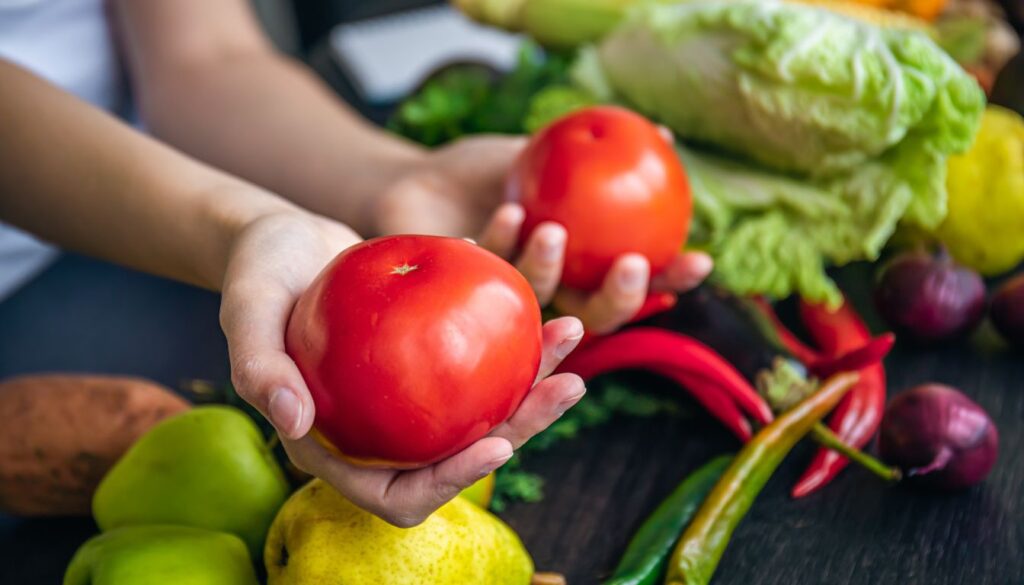
Growing your own vegetables not only fills your plate with fresh, nutrient-rich food but also connects you to the rhythms of nature. By choosing the healthiest options, such as leafy greens, root crops, and colorful varieties, you maximize both flavor and nutrition in your garden.
Before you go, remember to select vegetables that thrive in your climate, rotate crops to keep soil fertile, and harvest at peak ripeness for the best taste and health benefits. With thoughtful planning and care, your garden can become a source of vitality, sustainability, and joy all year long.
Don’t forget to add theherbprof.com homepage to your favourites so you don’t miss out on future articles!
References – Healthiest Vegetables to Grow
Little Herb Encyclopedia, by Jack Ritchason; N.D., Woodland Publishing Incorporated, 1995
The Ultimate Healing System, Course Manual, Copyright 1985, Don Lepore
Planetary Herbology, Michael Tierra, C.A., N.D., Lotus Press, 1988
Handbook of Medicinal Herbs, by James A. Duke, Pub. CRP Second Edition 2007
The Complete Medicinal Herbal, by Penelope Ody, Published by Dorling Kindersley
Check the Following Articles
Harvesting Early Potatoes: Getting A Successful Harvest
Roots Like Ginger: A Guide to Similar Plants
All Types of Weed List: A Guide to Cannabis Strains
Frequently Asked Questions – Healthiest Vegetables to Grow
What are the top vegetables to include in a daily diet for optimal health?
A varied diet with vegetables supports optimal health. Eat leafy greens such as spinach and kale, cruciferous vegetables such as broccoli and cauliflower, and colorful vegetables such as bell peppers and carrots. These vegetables deliver essential vitamins, minerals, and antioxidants that strengthen your immune system and lower the risk of chronic diseases.
Which vegetables provide the highest density of nutrients?
Leafy greens such as kale and spinach pack the highest nutrient density per calorie. They supply vitamins A, C, and K, along with minerals such as iron and calcium. Cruciferous vegetables such as broccoli and Brussels sprouts, and root vegetables such as sweet potatoes and beets, also provide dense nutrition.
What are the best vegetables to grow for a high-yield garden?
Tomatoes, cucumbers, zucchini, and peppers produce abundant harvests and grow easily in most gardens. Leafy greens such as lettuce and spinach also yield well and allow continuous harvesting throughout the season.
Which vegetables should be prioritized for raw consumption to maximize health benefits?
Leafy greens such as spinach and kale, along with colorful vegetables such as bell peppers and carrots, deliver maximum benefits when eaten raw. Raw vegetables preserve enzymes and nutrients that cooking can destroy. However, vegetables such as tomatoes and sweet potatoes increase their nutritional value when cooked.
What are the essential vitamins and minerals that can be obtained from home-grown vegetables?
Home-grown vegetables supply a wide range of essential nutrients. Spinach and kale provide vitamins A, C, and K, plus iron and calcium. Tomatoes add vitamin C and potassium, while sweet potatoes contribute vitamin A and fiber. Peppers enrich your diet with vitamin C and antioxidants.
What are the ideal vegetables to cultivate for long-term survival and nutrition?
For long-term survival and nutrition, grow nutrient-dense vegetables that store well. Potatoes and carrots, along with winter squash and pumpkins, deliver essential vitamins and minerals. You can store these vegetables in a cool, dry place for several months.