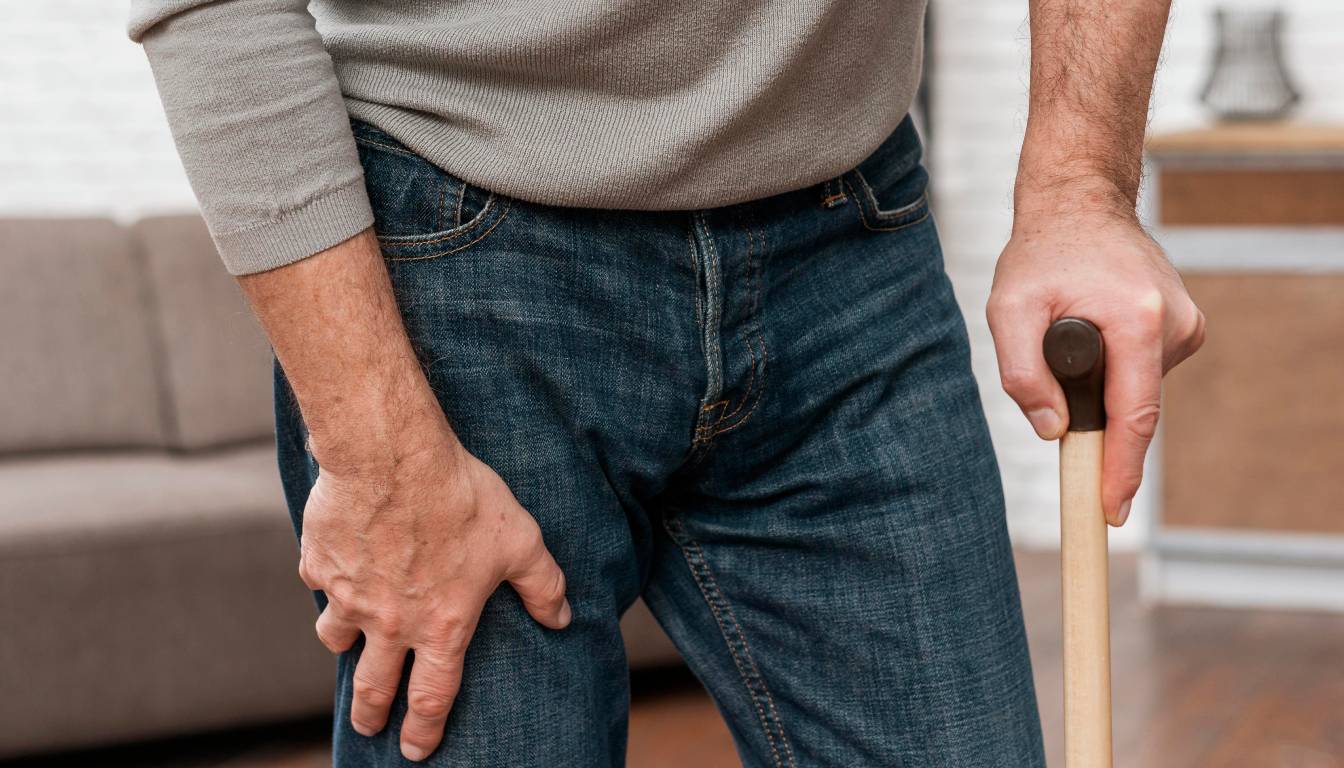
Hip bursitis is a painful condition involving the bursae, small, fluid-filled sacs that act as cushions between the bones, tendons, and muscles around the hip joint. When these sacs become inflamed, they can cause significant pain and discomfort in the hip, often making movement and everyday activities challenging.
This condition is common and can affect anyone, though it occurs more frequently in older adults, athletes, and individuals who perform repetitive motions that put a strain on the hip joint. Symptoms may include pain, tenderness, swelling, and stiffness in the hip area, as well as difficulty walking or standing for long periods.
If you are experiencing these symptoms, it is important to seek medical attention to determine the underlying cause of your pain and develop an appropriate treatment plan. Treatment options may include rest, physical therapy, medication, or, in some cases, surgery. With the right treatment and care, many people can manage their symptoms and improve their quality of life.
Understanding Bursitis
Anatomy of the Hip – Natural Herbal Remedies for Relief
Before we dive into what bursitis is and how it affects the hip, let’s first understand the anatomy of the hip. The hip joint is a ball-and-socket joint where the head of the femur (thighbone) fits into the acetabulum (socket) of the pelvis. The joint is surrounded by several muscles, tendons, and bursae.
What Is Bursitis?
Bursitis is the inflammation of a bursa, which is a small, fluid-filled sac that acts as a cushion between bones, tendons, and muscles. Bursitis can occur in any joint in the body, including the hip. When the bursa in the hip joint becomes inflamed, it causes hip pain and discomfort, especially during movement.
Types of Hip Bursitis
Two main types of bursitis affect the hip: trochanteric and iliopsoas. Trochanteric bursitis occurs when the bursa on the outside of the hip joint, near the greater trochanter of the femur, becomes inflamed. This type is more common and can cause pain on the outside of the hip, thigh, and buttocks.
Iliopsoas bursitis, on the other hand, occurs when the bursa on the inside of the hip joint, near the iliopsoas muscle, becomes inflamed. This less common type can cause pain in the groin area.
It’s important to note that not all hip pain is caused by bursitis. Other conditions, such as tendinitis or arthritis, can cause similar symptoms. It’s best to consult with a healthcare professional to determine the underlying cause of hip pain.
Bursitis is the inflammation of a bursa and can lead to significant discomfort in the hip. Understanding the anatomy of the joint and the different types of inflammation can help in the diagnosis and treatment of hip-related pain.
Other Bursitis Types – Natural Herbal Remedies for Relief
Aside from the hip, bursitis can occur in various parts of the body. Here are some common examples:
Knee
The most frequent type in the knee is prepatellar bursitis, which occurs in the front of the joint. It’s often caused by prolonged kneeling and is common among carpet layers, gardeners, and miners.
Shoulder
Shoulder bursitis, also known as subacromial bursitis, involves inflammation of the bursa in the shoulder joint. This can lead to pain and stiffness, especially when lifting objects overhead. Repetitive overhead activities, such as throwing or painting, are common causes.
Elbow
Olecranon bursitis affects the bursa at the tip of the elbow, causing swelling and pain that may limit arm extension. It’s often triggered by prolonged pressure, like leaning on the elbow. Bursitis in the elbow joint can also result from repetitive bending and straightening, as seen in sports like tennis or golf.
While bursitis can be painful and uncomfortable, it is usually treatable with rest, ice, and anti-inflammatory medications. In some cases, physical therapy or corticosteroid injections may be necessary to reduce inflammation and relieve pain. If you suspect you may have bursitis, it’s important to see a healthcare professional for an accurate diagnosis and an appropriate treatment plan.
Causes and Risk Factors
Hip bursitis can arise from various factors. In this section, we’ll explore common causes and identify who may be at greater risk.
Common Causes of Bursitis – Natural Herbal Remedies for Relief
Inflammation in the hip’s bursa may result from overuse, injury, or trauma. Repetitive motion, such as running, stair climbing, bicycling, or prolonged standing, can also contribute. Bone spurs or calcium deposits may irritate the bursa and trigger inflammation.
Conditions like rheumatoid arthritis and gout are known to increase the likelihood of developing bursitis. Infection is another possible cause, though it’s less common.
Identifying Risk Factors
While anyone can develop bursitis in the hip, certain factors can increase the risk of developing the condition. For example, bursitis hip is more common in women than in men. Age is another risk factor, as the risk of developing bursitis increases with age.
Being overweight can also increase the risk of developing bursitis, particularly in the hip and knee areas. Diabetes is another risk factor for bursitis hip.
Bursitis hip can be caused by overuse, injury, trauma, repetitive motion, bone spurs, rheumatoid arthritis, gout, and infection. Risk factors for developing bursitis hip include age, gender, overuse, being overweight, and having diabetes.
Symptoms of Hip Bursitis – Natural Herbal Remedies for Relief
Hip bursitis is a common condition that can cause pain and discomfort in the hip area. Recognizing the symptoms is important to seek proper treatment and alleviate the discomfort.
Recognizing Bursitis Symptoms
One of the most common signs is pain on the outer side of the hip. This pain can be sharp or dull and may worsen with activity or pressure on the affected area. In addition to pain, inflammation of the bursa can also cause tenderness, swelling, and stiffness in the hip region.
Pain and Discomfort
The pain associated with this condition can be quite severe and may make it difficult to perform everyday activities such as walking, climbing stairs, or even sitting for long periods. It may also radiate down the thigh or to the buttocks.
Associated Symptoms
Beyond pain and discomfort, some individuals may experience a fever, although this is less common. It is also possible for the bursa to become infected, which can lead to redness, warmth, and elevated body temperature.
Overall, recognizing these symptoms is essential to seeking proper treatment and alleviating the discomfort. If you are experiencing hip pain, tenderness, swelling, or inflammation, it is important to talk to your doctor to determine if bursitis may be the cause.
Reducing Inflammation – Get The Best Supplement Here
Then I turned to the remedies I know have a reputation for reducing inflammation, swelling, and preventing infection. I began alternating ice and heat three times a day to ease the swelling. I also started taking extra doses of a food-based form of magnesium to support the body’s natural anti-inflammatory response. A food form of vitamins and minerals is important because the body cannot properly absorb synthetic versions (see my article “The Truth About Vitamins“).
I resumed taking anti-inflammatory enzymes, just as I had done in the past. The Yoga arm and shoulder stretches I was practicing became more frequent. I also visited a massage therapist for a full-body massage, with extra attention given to my neck, shoulders, and arms. In addition, I began applying an herbal ointment designed for tissue repair to those same areas. By combining all of these approaches, each known for its ability to ease inflammation and swelling, I noticed a difference.
Because bursitis can sometimes lead to infection, I increased my vitamin C intake to strengthen my immune system (see Orthomolecular Medicine, Dr Klenner). I also added a herbal formula and olive leaf extract to help destroy pathogens and further reduce inflammation and swelling.
Diagnosis – Natural Herbal Remedies for Relief

As a healthcare provider, when a patient presents with symptoms of hip pain, I perform a physical exam to determine if bursitis is present. During the exam, I palpate the area to check for tenderness, swelling, and warmth. I also assess the range of motion and listen for any clicking or popping sounds.
Physical Exam
According to the Mayo Clinic, physical examination is the first step in diagnosing hip bursitis. The healthcare provider will look for signs of inflammation, such as redness, warmth, and swelling, and will assess the range of motion of the hip joint. They may also check for any clicking or popping sounds when the hip joint is moved.
Imaging Tests
Imaging tests such as X-rays, MRI scans, and ultrasounds may be used to diagnose bursitis of the hip. X-rays can help rule out other conditions, such as arthritis, while MRI scans and ultrasounds can help identify the inflamed bursa and any surrounding tissue damage.
Differential Diagnosis
It’s important to note that other conditions, such as tendinitis, tight muscles, or other hip disorders, can cause similar pain and require different treatments. According to Harvard Health, pain on the side of the hip is more likely to stem from tendinitis or muscular issues. Therefore, a thorough physical exam and imaging are necessary to distinguish between bursitis and other causes.
Once the diagnosis is confirmed, a physical therapist may be recommended to guide exercises that improve strength, flexibility, and reduce pain.
Bursitis In the Hips Treatment
As someone who has dealt with inflammation in the hips, I know how frustrating and painful it can be. Fortunately, there are several treatment options available to help manage symptoms and prevent future flare-ups.
Prevention and Management – Natural Herbal Remedies for Relief
One of the best ways to prevent flare-ups is to avoid activities that put excessive stress on the hip joint. This includes running, jumping, and other high-impact exercises. If these activities are necessary, it’s important to take frequent breaks and stretch regularly to prevent muscle fatigue.
Lifestyle Adjustments
Making certain lifestyle adjustments can also help manage the symptoms. For example, losing weight can help reduce the load on the hip joint and decrease the risk of developing bursitis. Additionally, using assistive devices like a walking cane or crutches can help relieve pressure on the affected area and promote healing.
Exercise and Strengthening
Engaging in exercises that strengthen the muscles surrounding the hip joint can also help manage symptoms of bursitis. This includes exercises like hip abductions, leg raises, and clamshells. It is important to work with a physical therapist or trainer to develop a safe and effective exercise plan.
Avoiding Aggravating Activities
In addition to avoiding high-impact activities, it is important to identify and avoid any activities that aggravate your bursitis symptoms. This may include sitting for long periods or standing for extended periods without taking breaks. By making these adjustments, you can help manage your symptoms and prevent future flare-ups.
Overall, there are several treatment options available to help manage bursitis in the hips. By making certain lifestyle adjustments, engaging in strengthening exercises, and avoiding aggravating activities, you can help manage your symptoms and reduce the risk of future flare-ups.
Special Considerations – Natural Herbal Remedies for Relief
Bursitis in Different Populations
As I mentioned earlier, bursitis of the hip is a common condition that can affect anyone. However, certain populations are more susceptible to developing this condition. For example, older adults are more prone to bursitis of the hip due to the natural wear and tear of the joints that occurs with ageing. In addition, athletes who engage in activities that require repetitive hip movements, such as running and jumping, are also at a higher risk of developing bursitis of the hip.
Complications and Comorbidities
While bursitis hip is typically a self-limiting condition that can be managed with conservative treatment, there are certain complications and comorbidities that can arise in some cases. For example, individuals with arthritis may be more prone to developing bursitis of the hip due to the inflammation and degeneration of the joints that occur with this condition. Additionally, spine problems such as scoliosis can also lead to bursitis of the hip by altering the mechanics of the hips and causing abnormal stress on the bursae.
Rehabilitation is an important aspect of managing bursitis hip, especially for individuals who have comorbidities or complications that may affect their recovery. Physical therapy can help improve range of motion and strength in the affected hip, while also addressing any underlying biomechanical issues that may be contributing to the condition.
In severe cases, surgery may be necessary to remove the inflamed bursa and alleviate symptoms. However, this is typically a last resort, and conservative treatment options are usually effective in managing bursitis of the hip.
Before You Go – Hip Bursitis: Natural Herbal Remedies for Relief

If you’re navigating the discomfort of hip bursitis, know that healing doesn’t always have to come from a prescription bottle. Nature offers powerful allies, herbal remedies, gentle movement, and mindful self-care that can support your body’s recovery and reduce inflammation naturally.
Whether you’re just starting your healing journey or looking to enhance your current routine, the tools are within reach and often, right in your kitchen or garden. Stay curious, stay gentle with yourself, and remember: your body is designed to heal.
Don’t forget to add theherbprof.com homepage to your favourites so you don’t miss out on future articles.
References – Hip Bursitis: Natural Herbal Remedies for Relief
Little Herb Encyclopedia, by Jack Ritchason; N.D., Woodland Publishing Incorporated, 1995
The Ultimate Healing System, Course Manual, Copyright 1985, Don Lepore
Planetary Herbology, Michael Tierra, C.A., N.D., Lotus Press, 1988
Handbook of Medicinal Herbs, by James A. Duke, Pub. CRP Second Edition 2007
The Complete Medicinal Herbal, by Penelope Ody, Published by Dorling Kindersley
Check the Following Articles
Alzheimer’s Disease: Nutrition Tips for Brain Health
Folic Acid Foods: Top 10 Sources for a Healthy Diet
Understanding Rheumatoid Arthritis: Causes & Treatments
Food for Autoimmune Health: The Role of Diet and Nutrition
Frequently Asked Questions – Hip Bursitis: Natural Herbal Remedies for Relief
What are the common symptoms of hip bursitis in women?
Hip bursitis in women can cause pain on the outside of the hip, thigh, or buttock. The pain may be sharp or dull and can worsen with prolonged standing, walking, or climbing stairs. Some women may also experience swelling, redness, or warmth in the affected area. In severe cases, the pain may radiate down the leg to the knee.
What are the most effective treatments for hip bursitis?
There is no one-size-fits-all treatment for hip bursitis. Treatment options depend on the severity of the condition and may include rest, ice, compression, and elevation (RICE), physical therapy, nonsteroidal anti-inflammatory drugs (NSAIDs), corticosteroid injections, or surgery in rare cases. It is important to consult a healthcare provider for proper diagnosis and treatment.
Which exercises are recommended for someone with hip bursitis?
Gentle exercises that do not put too much strain on the hip joint are recommended for someone with hip bursitis. These may include low-impact activities such as swimming, cycling, or using an elliptical machine. Stretching exercises that target the hip muscles can also help alleviate pain and improve flexibility.
How can one test for hip bursitis?
A healthcare provider can diagnose hip bursitis by conducting a physical exam and reviewing the patient’s medical history. Imaging tests such as X-rays, MRI, or ultrasound may be used to rule out other conditions that may cause similar symptoms.
What factors can cause a flare-up of hip bursitis?
Hip bursitis can be caused by overuse, injury, or underlying medical conditions such as rheumatoid arthritis or gout. Certain activities that put repeated stress on the hip joint, such as running, jumping, or standing for long periods, can also trigger a flare-up of hip bursitis.
Is engaging in walking advisable for those suffering from hip bursitis?
Low-impact activities such as walking may be recommended for those suffering from hip bursitis. However, it is important to start with short distances and gradually increase the intensity and duration of the activity to avoid exacerbating the condition. It is also important to wear proper footwear and take breaks as needed to prevent overuse injuries.