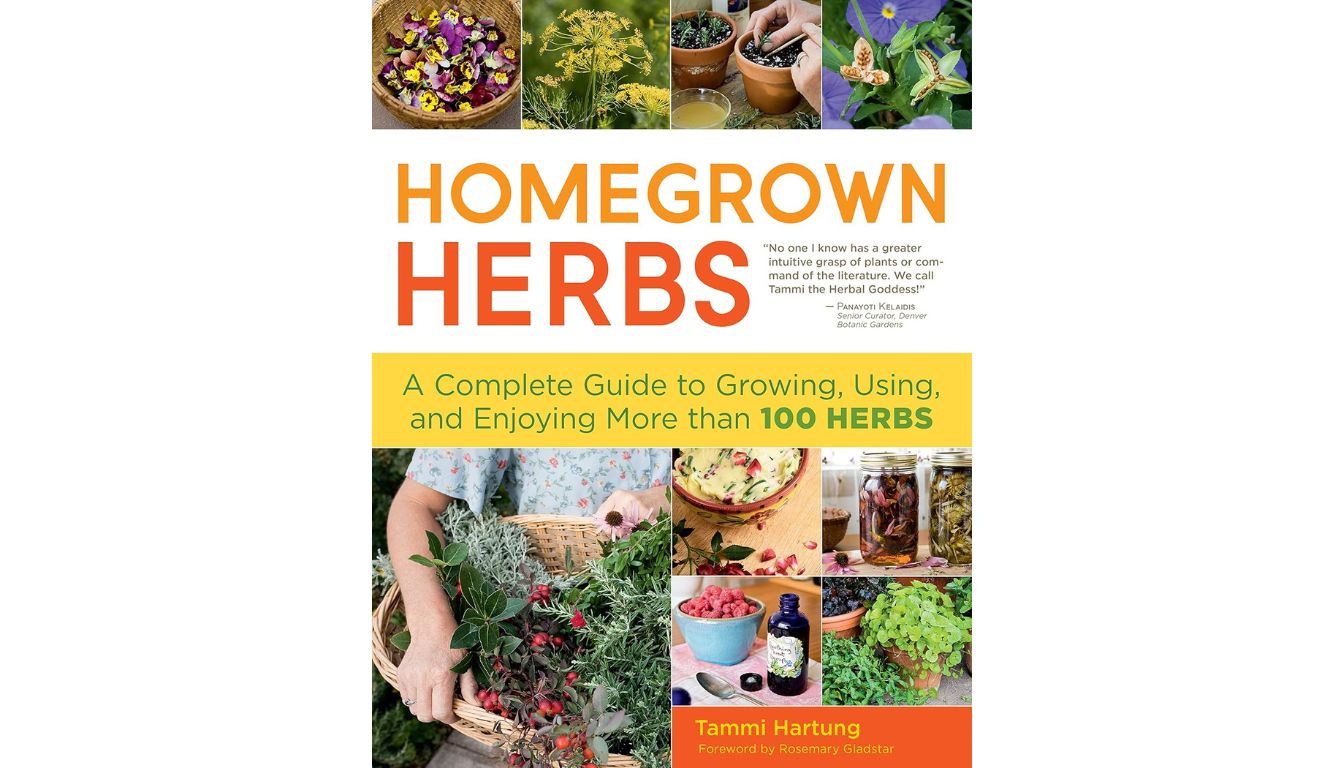
The Homegrown Herbs: The Ultimate Garden Guide review highlights a vibrant and comprehensive resource for herb enthusiasts. We’ve spent time working through this herb guide and found it covers a surprisingly wide range of plants you can grow right in your backyard or kitchen. The book guides you through more than 100 different herbs, providing practical advice on planting, maintaining, and utilising what you harvest. It’s hefty at 256 pages, but the layout makes it easy to jump around based on whatever herb catches your interest.
The content strikes a good balance between beginner information and details that experienced gardeners will appreciate. We noticed the instructions are clear enough that you won’t need a degree in botany to get started. The book includes recipes and preservation methods, which makes it more useful than guides that stop at the growing phase.
One thing that stands out is how the guide addresses different growing conditions. Some readers mention wishing for more troubleshooting help when plants don’t cooperate. The photography throughout helps with plant identification, although a few users would have liked even more visual examples.
At just over two pounds, this isn’t a book you’ll casually flip through while standing. The dimensions work well for a coffee table or workbench reference. Published back in 2011, some gardeners note that a few techniques feel dated, but the core growing advice remains solid.
Bottom Line – Homegrown Herbs: The Ultimate Garden Guide Review
This herb guide delivers practical information for anyone ready to start or expand their herb garden. The comprehensive coverage and usable recipes make it a worthwhile addition to your gardening library.
Click here and pick up your copy today to start growing fresh herbs at home.
Overview of Homegrown Herbs: A Complete Guide to Growing, Using, and Enjoying More than 100 Herbs
This comprehensive guide walks you through the entire herb gardening journey, from planting seeds to harvesting and using what you grow. We found the book covers over 100 different herbs with detailed information about cultivation, propagation, and everyday applications. The guide includes numerous color photographs that help identify plants and understand growing techniques.
Readers appreciate the practical recipes and usage ideas that go beyond basic gardening instructions. We noticed the book explains harvesting methods, drying techniques, and medicinal properties of various herbs. The layout makes finding specific information straightforward, with charts and visual references throughout the 256 pages.
What stands out:
- Clear guidance for beginners and experienced gardeners
- Multiple ways to use herbs in daily life
- Strong visual support with plenty of photos
The book serves as a solid reference tool, though some readers primarily use it as a gift rather than keeping it for themselves.
Comprehensive Herb Profiles – Get Yours Here
The book covers over 100 different herbs with detailed information about each one. We found the profiles easy to navigate, with practical growing instructions and harvest timing for every herb included. Each entry explains the plant’s preferred growing conditions, common uses in cooking or medicine, and storage tips.
The profiles go beyond basic descriptions. We appreciated learning about lesser-known varieties alongside popular herbs like basil and thyme. The book includes propagation methods, companion planting suggestions, and troubleshooting advice for each herb.
Some profiles felt slightly repetitive in structure, though this consistency makes finding specific information quick. The depth varies between entries, with more common herbs receiving longer treatments than rare varieties. We used these profiles regularly when planning our garden and deciding which herbs to prioritize.
Instructional Gardening Techniques – Homegrown Herbs: The Ultimate Garden Guide Review
The guide breaks down herb cultivation into practical steps that beginners can follow without feeling overwhelmed. We appreciated how each herb entry includes specific growing instructions rather than generic advice that applies to everything.
The book covers essential topics like soil preparation, watering schedules, and sunlight requirements for different herb varieties. Propagation methods get detailed attention, explaining when to start from seeds versus cuttings. We found the seasonal planting calendars particularly useful for timing our garden work.
However, the techniques lean heavily toward traditional outdoor gardening. Container growing and indoor methods receive less coverage, which disappointed us since many readers likely have limited outdoor space. The instructions assume access to a yard or garden bed.
Troubleshooting sections help identify common problems like pest damage and nutrient deficiencies. We could actually diagnose issues in our own herb garden using the visual guides provided throughout these chapters.
Creative Herb-Based Recipes – Get Yours Here
The guide delivers dozens of practical recipes that put fresh herbs to work in your kitchen. We tested several of the suggested combinations and found them genuinely useful for everyday cooking.
The pesto variations caught our attention immediately. Beyond basic basil, the book walks through cilantro, parsley, and arugula versions that each bring distinct flavors. We made the cilantro pesto for tacos, and it transformed a simple weeknight meal.
The herbal butter recipes proved equally practical. Mixing softened butter with chives, dill, or tarragon creates compound butters that elevate grilled meats and vegetables. We keep a few in the freezer now.
The tea blending section offers good starting points for mint, chamomile, and lemon balm combinations. However, some recipes lack precise measurements, which meant we experimented more than expected to get the right strength.
Step-by-Step Harvesting and Drying Methods – Homegrown Herbs The Ultimate Garden Guide Review
The guide breaks down harvesting into clear stages that worked well when we tested them. We learned to cut herbs in the morning after the dew dries but before the sun gets too hot, which preserves the essential oils.
The book explains different drying techniques based on herb type. Hanging bundles works for woody herbs like rosemary and thyme, while screen drying suits leafy varieties such as basil and mint. We appreciated the practical advice about air circulation and avoiding direct sunlight.
One helpful tip we used was the rubber band trick for bundles, since stems shrink as they dry. The instructions for oven drying and dehydrator methods gave us backup options when the humidity was high.
We found the timing guidelines accurate. Most herbs are dried within one to two weeks using the hanging method, matching what the book predicted.
Vivid Photography and Visual Guides – Get Yours Here
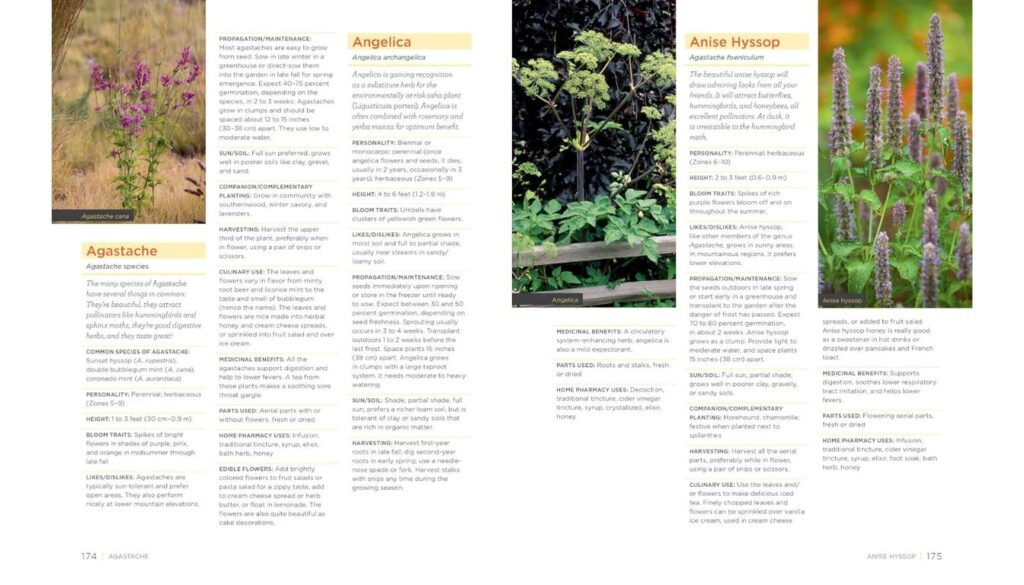
The book stood out immediately when we opened it because of its stunning photography. Each herb gets dedicated space with clear, colorful images that show exactly what the plant looks like at different growth stages. We found these visuals incredibly helpful for identification purposes, especially when comparing similar-looking varieties in our garden.
The step-by-step photo guides walk through propagation techniques and harvesting methods without confusion. We appreciated that the images aren’t just decorative but actually teach you practical skills. The close-up shots reveal details about leaf structure and growth patterns that text alone couldn’t communicate effectively.
One minor drawback is that some photos could benefit from better lighting in indoor growing sections. Overall, the visual content makes learning about herbs much easier than traditional text-heavy guides.
User-Friendly Organization – Homegrown Herbs: The Ultimate Garden Guide Review
Finding specific information proved straightforward thanks to the book’s logical layout. The guide groups herbs alphabetically, which makes looking up any plant quick and efficient. We appreciated how each herb entry contains dedicated sections for growing conditions, harvesting methods, and practical uses without jumping around.
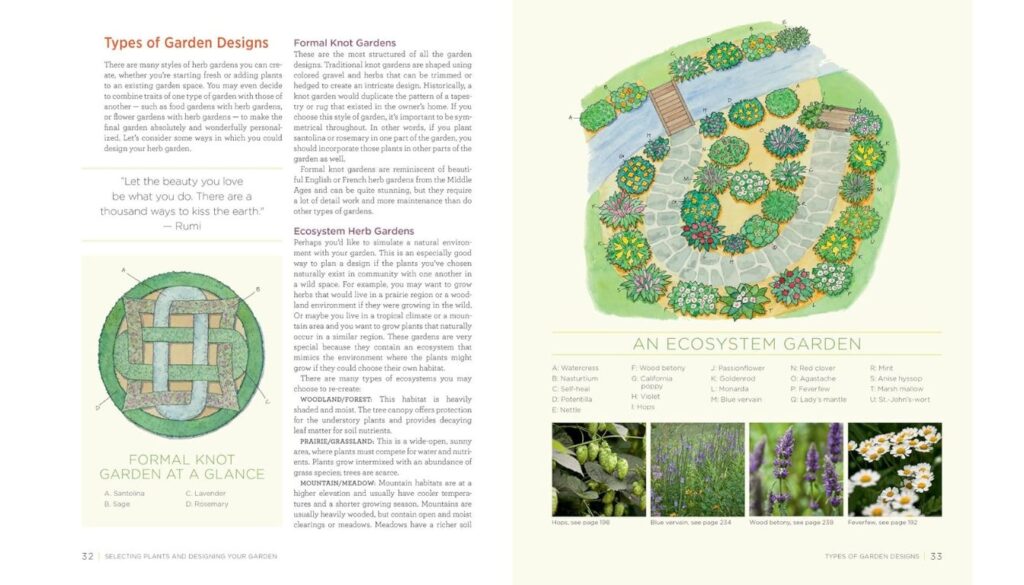
The visual layout enhances usability significantly. Color photographs appear throughout, helping us identify plants and understand cultivation techniques at a glance. Charts and tables break down complex information into digestible chunks.
Navigation between different topics flows naturally. When we wanted to learn about drying techniques, the information was exactly where we expected it to be. The recipe sections and medicinal uses are clearly separated from growing instructions, so we could jump to whatever interested us most without confusion.
Pros and Cons – Get Yours Here
After spending time with this herb guide, we found that it delivers substantial value for both newcomers and experienced gardeners looking to expand their knowledge.
Pros
The photography throughout the book stands out immediately. Each herb gets clear, colorful images that make identification simple when you’re standing in your garden or at a nursery.
We appreciated how the book goes beyond basic growing instructions. You get practical recipes and everyday uses for each herb, which means the plants you grow won’t just sit there looking pretty. The propagation techniques are explained in ways that actually make sense when you’re trying them out.
The organization makes finding information quick. Charts and reference sections help you locate what you need without flipping through dozens of pages. We found the variety impressive too, covering over 100 herbs with enough detail on each to get you started and keep you going.
The writing style keeps things accessible. Technical concepts get broken down into straightforward steps that work in real garden situations.
Cons
Some readers might find the breadth comes at the cost of depth. With so many herbs covered, individual entries don’t dive as deeply as specialized single-herb resources would.
The book leans toward general gardening audiences. If you’re specifically seeking advanced medicinal preparation techniques or pharmaceutical-grade processing methods, you’ll need to supplement with additional resources.
We noticed the practical applications, while helpful, stay fairly basic. Experienced herbalists looking for complex formulations or detailed therapeutic uses might want more advanced information than what’s provided here.
The gift-focused purchases in several reviews suggest buyers see it as an introductory resource rather than a comprehensive professional reference. That’s not necessarily bad, but it sets expectations about the level of detail you’ll encounter.
Customer Reviews – Homegrown Herbs: The Ultimate Garden Guide Review
Readers consistently praise this herb guide for its practical approach and visual appeal. We noticed that people appreciate the colorful photographs throughout the book, which help with plant identification and cultivation techniques.
The recipes and everyday uses for herbs stand out as a major strength, according to feedback. Gardeners with varying experience levels find the instructions easy to follow, from planting through harvesting and propagation.
Several buyers mention giving this as a gift to friends and family who garden or practice herbalism. The book covers over 100 herbs with detailed care instructions, harvest methods, and drying techniques.
A few international customers also expressed enthusiasm for the content. The charts and organizational layout make information quick to find when needed. Some readers note this has become their go-to reference for herb gardening projects.
Ideal Readers and Gift Recommendations – Get Yours Here
After spending time with this herb guide, we found it works best for gardeners who want to move beyond basic vegetable growing. The book appeals to beginners just starting their first herb garden and experienced growers looking to expand their plant collection.
This guide suits:
- People are starting medicinal herb gardens
- Cooks wanting fresh herbs for recipes
- Gardeners interested in propagation techniques
- Anyone curious about herbal uses beyond cooking
We noticed several readers bought it as a gift and reported positive reactions. It makes a solid present for outdoor enthusiasts, herbalists, or anyone who enjoys homegrown ingredients. The color photos and practical growing advice give it real staying power on a bookshelf.
The comprehensive approach means you get growing instructions, harvest methods, and usage ideas in one place. We think it’s particularly valuable for those who want both gardening knowledge and practical applications.
Before You Go – Homegrown Herbs: The Ultimate Garden Guide Review
After spending time with this guide, we can say it delivers solid value for anyone serious about herb gardening. The book covers over 100 herbs with practical advice on growing, harvesting, and using them in daily life. We found the color photos helpful for identification, and the recipes give you actual ways to use what you grow.
The information stays accessible without dumbing things down, making it work for both beginners and experienced gardeners looking to expand their herb knowledge. The chapters on propagation and cultivation techniques proved particularly useful in our experience.
Our main critique is that some readers wanting very advanced techniques might find the content basic, though this seems intentional given the broad scope. For the price, you get a comprehensive reference that belongs on your gardening shelf.
Don’t forget to add theherbprof.com homepage to your favourites so you don’t miss out on future articles.
References – Homegrown Herbs: The Ultimate Garden Guide Review
Little Herb Encyclopedia, by Jack Ritchason; N.D., Woodland Publishing Incorporated, 1995
The Ultimate Healing System, Course Manual, Copyright 1985, Don Lepore
Planetary Herbology, Michael Tierra, C.A., N.D., Lotus Press, 1988
Handbook of Medicinal Herbs, by James A. Duke, Pub. CRP Second Edition 2007
The Complete Medicinal Herbal, by Penelope Ody, Published by Dorling Kindersley
Check the Following Articles
Storey BASICS Herbs for Children’s Health Guide Review
The Way of Herbs: Fully Updated Herbal Guide Review
Storey BASICS® Herbs for Common Ailments Review
Herb Gardening for Beginners Book Review
Frequently Asked Questions – Homegrown Herbs: The Ultimate Garden Guide Review
What are the essential tools and equipment needed for starting a home herb garden?
After working through this guide, we found the equipment needs are surprisingly minimal. You’ll want quality potting soil, containers with drainage holes, and basic gardening tools like a trowel and pruning shears.
The book emphasizes that fancy equipment isn’t necessary to get started. A sunny windowsill or small outdoor space works perfectly fine. We appreciated how the guide breaks down different growing scenarios, from indoor pots to raised beds.
Watering cans, plant labels, and seed starting trays round out the basics. The author shows various setups through photos, making it easy to understand what works for different spaces and budgets.
Which herbs are recommended for beginners interested in home cultivation?
The guide highlights several foolproof options that we’d definitely start with ourselves. Basil, mint, and parsley top the list as nearly impossible to kill. These herbs tolerate mistakes well and grow quickly enough to keep beginners motivated.
Chives and oregano also get strong recommendations for their hardiness. The book explains why each herb suits newcomers, covering growth habits and common pitfalls. We found this information practical rather than overwhelming.
Rosemary appears as a great choice for those who sometimes forget to water. Each herb profile includes realistic expectations about difficulty level, which helps match plants to your actual skill level rather than your aspirations.
How often should homegrown herbs be watered and fertilized for optimal growth?
We learned that watering needs vary dramatically between herb types. The guide breaks this down by individual plant rather than giving one universal rule. Mediterranean herbs like thyme prefer drier conditions, while basil demands consistent moisture.
The book teaches you to check the soil with your finger before watering. This simple technique prevents both overwatering and underwatering issues. We found the visual guides showing proper soil moisture particularly helpful.
Fertilizing gets addressed with equal nuance. Most herbs need feeding every few weeks during active growth. The author recommends organic options and explains how to recognize nutrient deficiencies through leaf appearance and growth patterns.
What are the most effective methods for pest control in an organic home herb garden?
The pest control section delivers practical solutions we’d actually use. Companion planting gets covered as a preventive strategy, showing which plants naturally repel common pests. Hand-picking works for larger insects, though it requires regular garden checks.
Neem oil and insecticidal soap receive detailed explanations for their application. The guide walks through mixing ratios and timing for the best results. We appreciated the honest discussion about what works and what doesn’t.
Physical barriers like row covers prevent many problems before they start. The book includes photos of different pest damage, helping you identify issues early. This proactive approach beats trying to fix major infestations later.
Can you provide tips for harvesting and preserving herbs to maximize flavor and longevity?
Harvest timing makes a huge difference, according to this guide. Morning hours after dew dries produce the most flavorful cuttings. The book explains which plant parts to take and how much you can remove without harming growth.
We found the preservation methods comprehensive and achievable. Drying, freezing, and making herb butter all get step-by-step instructions with photos. Each method suits different herbs better, and the guide matches techniques to specific plants.
The recipes scattered throughout show real uses for preserved herbs. This connects the growing process to actual cooking, which keeps the whole endeavor feeling worthwhile. Storage tips ensure your dried herbs maintain potency for months.
What are the common mistakes to avoid when growing herbs indoors?
Insufficient light causes the most indoor growing failures, according to our reading. The guide explains how to recognize light stress and suggests solutions like supplemental grow lights. South-facing windows work best, but the book offers workarounds for other situations.
Overwatering kills more indoor herbs than any other factor. Container drainage becomes critical when plants live inside. We learned that indoor herbs need less water than outdoor ones due to reduced light and air circulation.
Temperature fluctuations near heating vents or drafty windows stress plants unnecessarily. The book identifies ideal placement spots in typical homes. Humidity levels also matter more indoors, especially during winter when heating systems dry the air significantly.