Avocados are a popular fruit enjoyed around the world. They are known for their creamy texture, unique flavor, and versatility in the kitchen. But have you ever wondered how avocados grow? In this article, I will explore the fascinating process of avocado growth, from planting the seed to harvesting the fruit.
To start, it’s important to note that avocados are a tropical fruit that requires warm temperatures to grow. They are typically grown in regions such as Mexico, California, and Florida, but can also be grown in other warm climates around the world.
The process of growing an avocado tree starts with planting the seed. This can be done by removing the pit from a ripe avocado and planting it directly in soil, or by suspending the pit in water until it sprouts roots and then planting it in soil.
It’s important to note that growing an avocado tree from seed can take several years before it produces fruit. Alternatively, avocado trees can be purchased from nurseries and planted directly in the ground.
Avocado Botany and Varieties – How Avocados Grow?
Understanding Persea Americana
Avocado trees (Persea Americana) are evergreen trees that belong to the Lauraceae family. They are native to Central America and Mexico, and they grow best in tropical and subtropical climates.
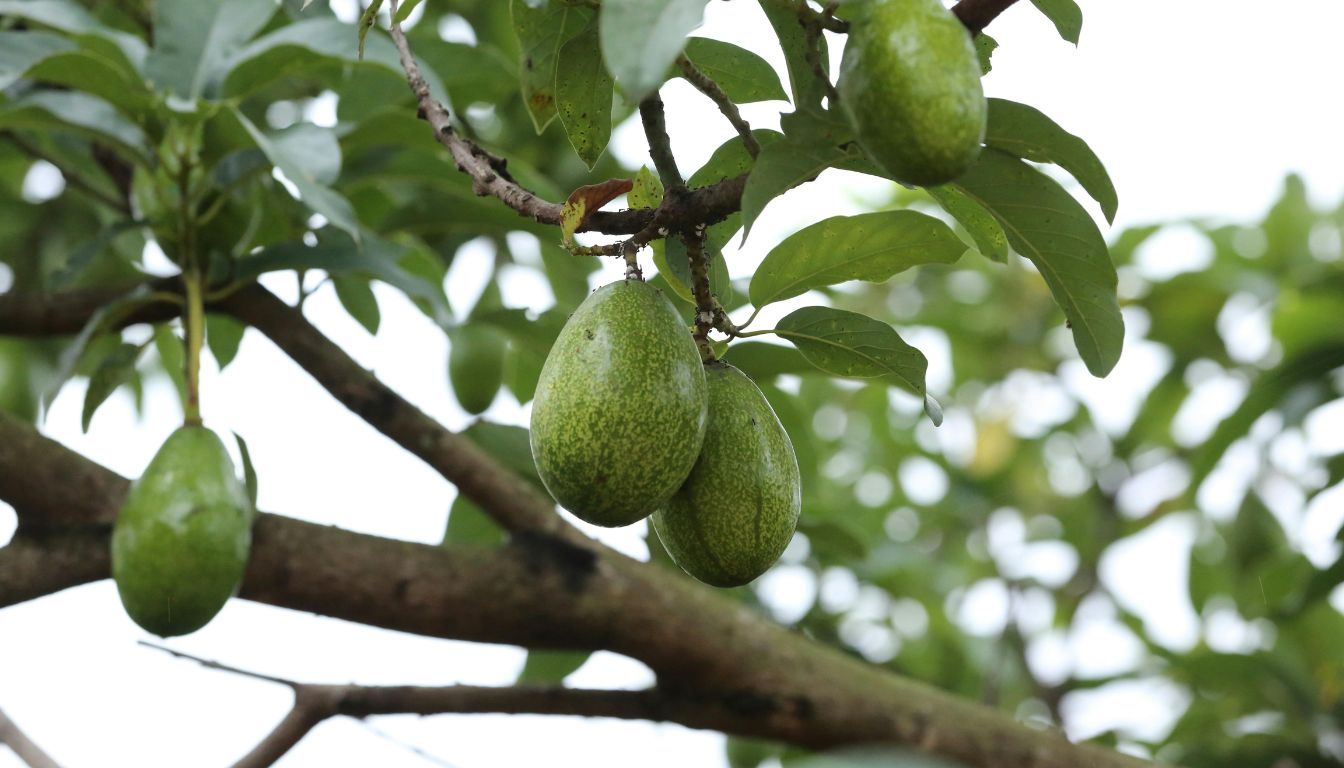
The tree can grow up to 20 meters tall and has large, leathery, dark green leaves. The fruit of the avocado tree is a large berry that contains a single seed. The avocado fruit is pear-shaped, with a green or blackish skin, depending on the variety.
Diversity of Avocado Types – How Avocados Grow?
There are three main types of avocado: Mexican, Guatemalan, and West Indian. These types differ in their fruit characteristics, such as size, shape, and flavor. The Mexican avocado is small and has a thin skin, while the Guatemalan avocado is larger and has a thick, rough skin. The West Indian avocado is the largest of the three types and has a smooth, thin skin.
Avocado varieties can also be classified into two categories: Type A and Type B. Type A avocados, such as Hass, are characterized by their flowering pattern, where their female parts are available in the morning, transitioning to male in the afternoon of the next day. This group includes Fuerte avocado, which is a Mexican-Guatemalan hybrid. Type B avocados, like Bacon and Zutano have the opposite flowering pattern.
Optimal Growing Conditions – How Avocados Grow?
Growing avocados can be a rewarding experience, but it’s important to ensure that the tree is planted in the right conditions. Here are some factors to consider when growing avocado trees:
Climate Requirements
Avocado trees are native to tropical and subtropical regions, and they require warm temperatures to thrive. They can be grown in USDA zones 9-11, where the average minimum temperature is above 20°F. The ideal temperature range for avocado trees is between 60°F and 85°F.
Soil Preferences – How Avocados Grow?
Avocado trees require well-draining soil that is rich in organic matter. The soil pH should be between 5.5 and 7.0. Avocado trees do not tolerate waterlogged soil, so it’s important to ensure that the soil is well-draining. If the soil is heavy clay, it’s recommended to plant the tree on a slight mound to improve drainage.
Sunlight and Temperature
Avocado trees require full sun to grow and produce fruit. They need a minimum of six hours of direct sunlight each day. The trees are sensitive to cold temperatures and frost, which can damage the leaves and fruit. It’s important to ensure that the tree is protected from cold winds and frost.
Planting and Propagation – How Avocados Grow?
Growing an avocado tree is a rewarding experience that can provide you with a delicious and healthy fruit. In this section, I will cover the different methods of planting and propagation.
Starting from Seed
One of the most common ways to start an avocado tree is by planting the seed. To do this, you will need to remove the seed from the avocado fruit and clean it thoroughly. Insert three toothpicks into the seed, equally spaced around the circumference, and suspend it over a cup or small bowl of water, so that the bottom of the seed is wet.
Place the cup and seed in a sunny window and wait for it to sprout. Once the seed has sprouted, you can plant it in a pot or directly in the ground.
Grafting Techniques
Another method of propagation is grafting. This involves taking a cutting from a mature avocado tree and grafting it onto a young seedling.
This allows the new tree to produce fruit more quickly than if it were grown from a seed. Grafting is a skilled technique that requires practice and knowledge, but it can be a very effective way to propagate avocado trees.
Transplanting and Spacing
Whether you are starting from seed or using cuttings, it is important to transplant your avocado tree into a larger container or the ground once it has outgrown its current space.
When transplanting, be sure to handle the roots carefully and plant the tree at the same depth as it was in its previous container. Avocado trees need plenty of space to grow, so be sure to plant them at least 10-15 feet apart.
Avocado Tree Care – How Avocados Grow?
As an avocado tree owner, I know that taking care of these trees requires some effort. Here are some tips that can help you take care of your avocado tree.
Watering and Nutrients
Maintaining proper soil moisture is essential for the healthy growth of avocado trees. Avocado trees require regular watering, especially during the dry season. However, overwatering can lead to root rot, which can be fatal for the tree. Therefore, it is important to ensure that the soil is well-draining and not waterlogged.
Fertilizing the avocado tree is also important to ensure that it receives the necessary nutrients for growth. Use a balanced fertilizer that contains nitrogen, phosphorus, and potassium. Apply the fertilizer every two months during the growing season, and reduce the frequency during the dormant season.
Pruning and Maintenance
Pruning is essential to maintain the shape and size of the avocado tree. Prune the tree during the dormant season to encourage new growth. Remove any dead or diseased branches to prevent the spread of disease.
Regular maintenance is also necessary to ensure that the tree remains healthy. Check the tree regularly for any signs of pests or disease. Remove any weeds or grass that may be competing with the tree for nutrients.
Disease and Pest Management
Avocado trees are susceptible to various diseases and pests, including root rot, anthracnose, and spider mites. To prevent these problems, ensure that the soil is well-draining, and avoid overwatering the tree. Use a fungicide to treat any fungal infections, and insecticides to control pests.
Fruiting and Harvesting – How Avocados Grow?
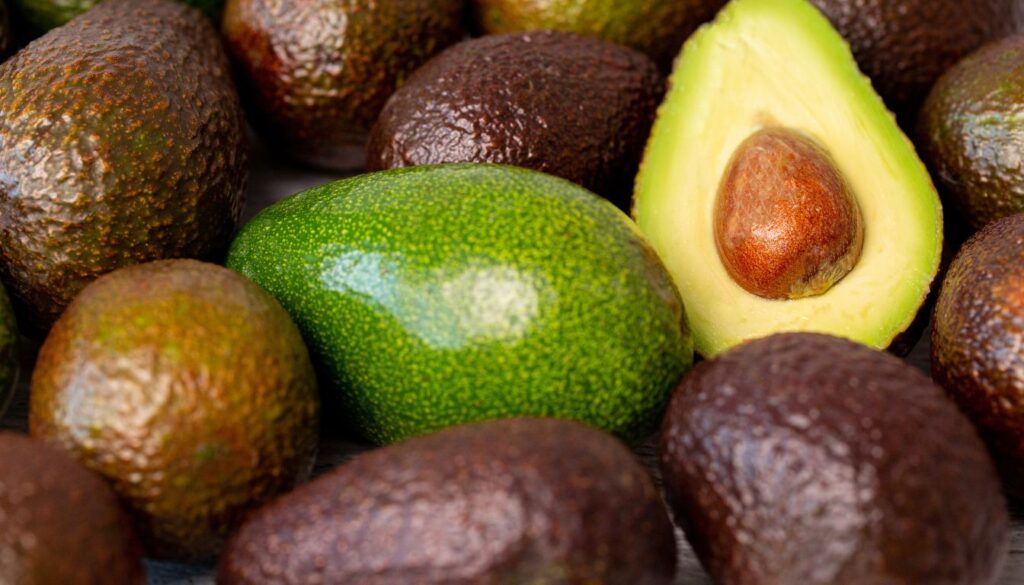
Avocado trees produce fruit after they have reached a certain age and size. It can take anywhere from three to six years for an avocado tree to start producing fruit. Once the tree starts to produce, it can continue to do so for up to 50 years.
Pollination and Yield
Avocado trees are self-pollinating, but they can also benefit from cross-pollination. Bees and other insects can help with pollination, but wind can also play a role. These trees can produce a large yield of fruit, but the yield can vary from year to year. Factors such as weather, pests, and disease can affect the yield.
Harvesting Techniques
Harvesting avocados requires care because the fruit does not ripen on the tree. Instead, it ripens only after you remove it from the tree.
Pick the fruit once it reaches mature size and turns dark green. Test readiness by gently squeezing the avocado; if it yields to pressure, harvest it. Use different techniques depending on the size of the tree and the fruit’s location.
For smaller trees, pick fruit by hand or with a pole picker when working with smaller trees. Use a ladder for larger trees. Handle avocados carefully to avoid bruising. After harvesting, store them gently in a cool, dry place until they ripen.
Special Considerations – How Avocados Grow?
Container and Indoor Growing
Gardeners with limited outdoor space or colder climates often grow avocados in containers. This method provides flexibility and allows the trees to thrive in controlled conditions.
When growing avocados in containers, choose the right potting soil and container size to support healthy growth. Use a high-quality potting mix with good drainage to protect the tree’s roots. Select a container of at least 15 gallons to give the roots enough room to expand.
When growing avocado trees indoors, provide avocado trees with at least 6 hours of direct sunlight each day. Supplement with grow lights when natural light is insufficient. Keep the temperature consistent and avoid placing the tree near drafts or heating vents to maintain healthy growth.
Managing Avocado Trees in Varying Climates
Avocado trees are tropical plants and require warm temperatures to thrive. However, there are some special considerations for managing avocado trees in varying climates.
In colder regions, growers protect avocado trees by raising them in greenhouses or indoors. Frost damages the trees, so shielding them during winter becomes essential. In warmer regions, gardeners provide shade during the hottest part of the day to prevent sunburn.
I choose sites with well-draining soil to prevent root rot and avoid areas with standing water. It is also important to select locations shielded from strong winds, which can harm the trees.
Culinary Uses and Health Benefits – How Avocados Grow?
From Tree to Table
I can attest to the fact that they are a delicious and versatile fruit. Avocados grow on trees, and they take about 7-10 years to start producing fruit. Once the tree starts producing fruit, it can produce up to 200 avocados per year.
When it comes to culinary uses, avocados are often used to make guacamole, a popular dip made with mashed avocado, lime juice, salt, and other ingredients. However, avocados can also be used in a variety of other recipes, such as salads, sandwiches, and smoothies.
One of the great things about avocados is that they are rich in healthy fats, which can help to reduce inflammation and improve heart health. In fact, avocados are one of the few fruits that contain healthy monounsaturated and polyunsaturated fats.
Nutritional Profile
In addition to their healthy fats, avocados are also a good source of vitamins and minerals. One medium avocado contains about 20% of the daily recommended intake of vitamin K, which is important for bone health. Avocados also contain vitamin C, vitamin E, and B vitamins.
When it comes to minerals, avocados are a good source of potassium, which is important for heart health and blood pressure regulation. They also contain magnesium, which is important for muscle and nerve function, and iron, which is important for red blood cell production.
Before You Go – How Avocados Grow
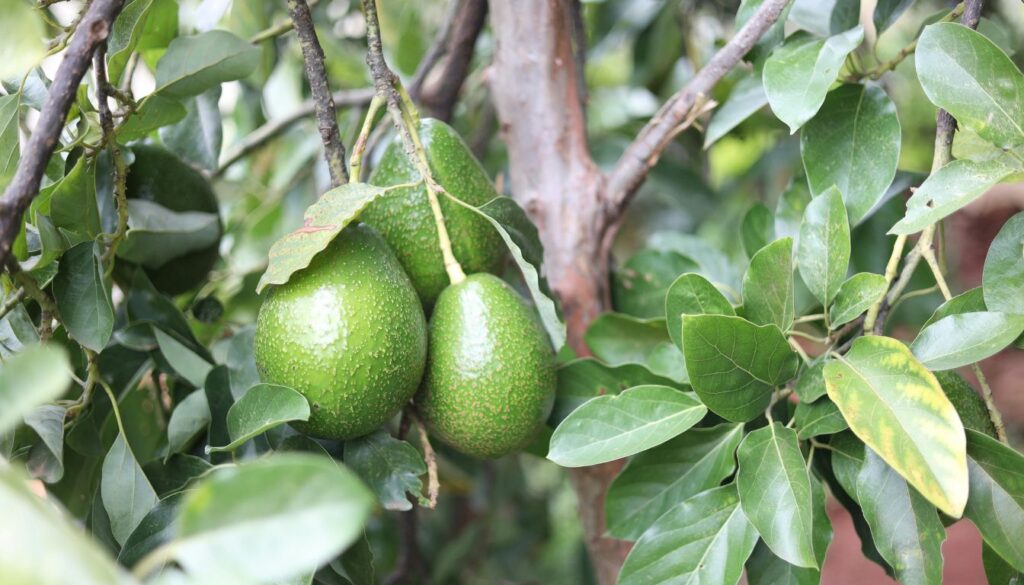
Avocado trees reward patient growers with rich harvests when you give them consistent care. Provide well-drained soil, regular watering, and balanced fertilization to support strong growth. Protect the trees from prolonged cold and encourage pollination by planting compatible varieties nearby.
Stay attentive to pests and diseases, and act quickly with natural or chemical treatments when needed. With proper attention, your avocado trees will thrive for decades, offering both shade and abundant fruit for your garden.
Don’t forget to add theherbprof.com home page to your favourites so you don’t miss out on future articles!
References – How Avocados Grow?
Little Herb Encyclopedia, by Jack Ritchason; N.D., Woodland Publishing Incorporated, 1995
The Ultimate Healing System, Course Manual, Copyright 1985, Don Lepore
Planetary Herbology, Michael Tierra, C.A., N.D., Lotus Press, 1988
Handbook of Medicinal Herbs, by James A. Duke, Pub. CRP Second Edition 2007
The Complete Medicinal Herbal, by Penelope Ody, Published by Dorling Kindersley
Check the Following Articles
Lots of Tomatoes but Not Ripening: Reasons and Solutions
How to Grow and Care for Lemongrass
Pepper Plant Insects: Identification and Control
Growing Russet Potatoes: Tips for a Successful Harvest
Frequently Asked Questions – How Avocados Grow?
What is the process of growing an avocado tree from a seed?
Growing an avocado tree from a seed is simple and easy to do at home. Remove the seed from a ripe avocado and wash it clean. Insert three or four toothpicks around the center of the seed, then suspend it over a glass of water. Place the glass in a warm, sunny spot and change the water every few days. Within two to six weeks, the seed splits and a shoot emerges. When the shoot reaches about six inches tall, transplant it into soil.
What are the steps involved in commercial avocado cultivation?
Commercial avocado cultivation requires several steps: site selection, soil preparation, planting, irrigation, fertilization, pest management, and harvesting. Avocado trees thrive in well-drained soil with a pH between 6 and 7.5. Farmers irrigate regularly, especially during the first few years of growth. They fertilize in spring and fall with a balanced mix of nitrogen, phosphorus, and potassium. Pest management often includes insecticides and fungicides to control pests and diseases. Workers harvest the fruit by hand when it matures but remains firm.
How long does it take for an avocado tree to mature and produce fruit?
An avocado tree takes three to seven years to mature and produce fruit. The time to maturity depends on the variety, growing conditions, and care provided. Some varieties, such as Hass, fruit earlier and yield more abundantly.
Can avocados be grown in any climate, or are they specific to regions like California?
Avocados originated in Central and South America, but growers cultivate them in many regions worldwide. In the United States, they thrive in California, Florida, Texas, and Hawaii. Other major producers include Mexico, Chile, Peru, and South Africa. Avocado trees prefer warm, subtropical climates with moderate humidity and abundant sunshine. They tolerate short periods of cold down to 28°F (-2°C), but prolonged exposure can damage or kill them.
What role do bees play in the pollination of avocado trees?
Bees and other insects play a crucial role in pollinating avocado trees. Although avocado flowers contain both male and female organs, they do not self-pollinate. The trees require cross-pollination from another variety. Bees visit the flowers for nectar and transfer pollen as they feed, enabling fruit production.
What is the expected lifespan of an avocado tree?
An avocado tree can live 40 to 80 years or more, depending on its variety, growing conditions, and care. Productivity usually declines after about 20 years. Regular pruning and maintenance extend the tree’s life and improve fruit yields.