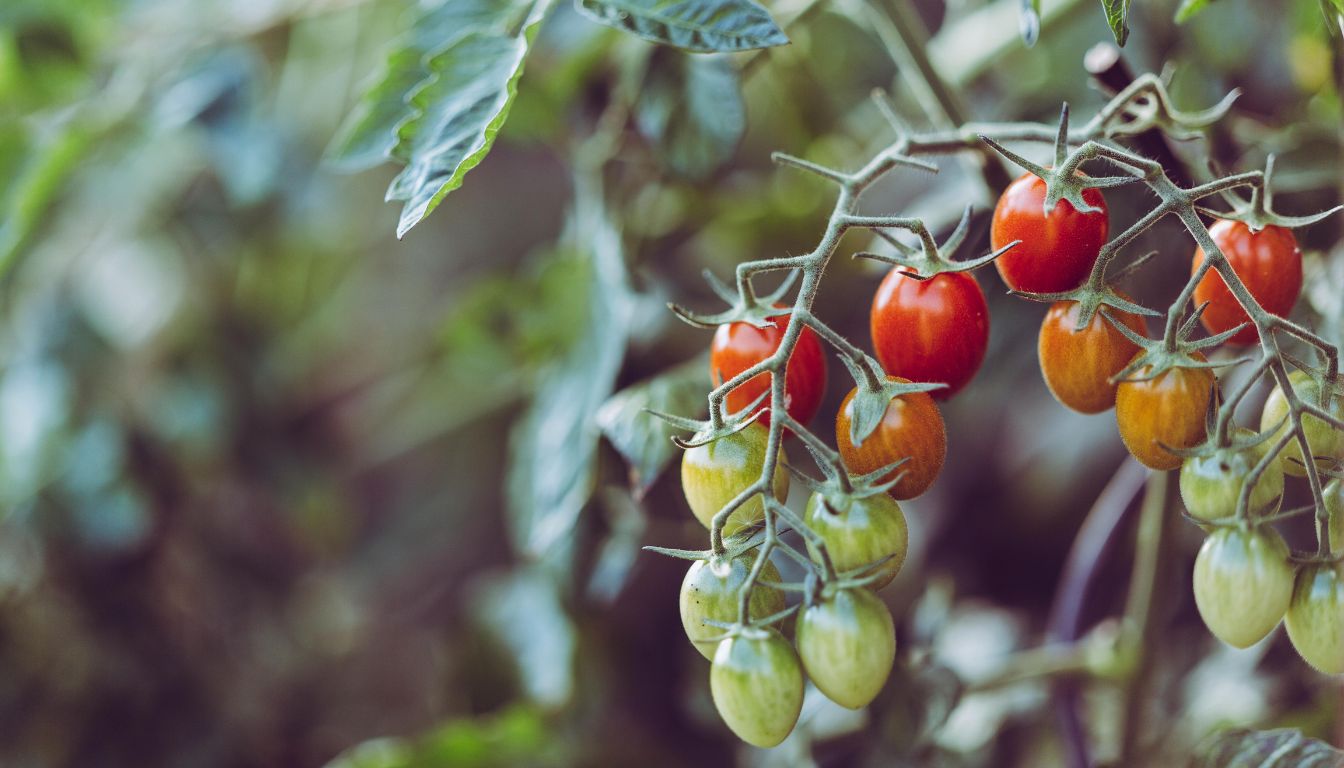
Growing tomatoes as perennials is a great way to save time and effort while enjoying a bountiful harvest year after year. Unlike annual tomatoes, perennial tomatoes can survive through the winter and grow back each spring. However, growing tomatoes as perennials requires some extra care and attention. But how to grow tomatoes as perennials?
To start, it is important to choose the right variety of tomato plant. Some tomato varieties are better suited for perennial growth than others. For example, indeterminate tomato varieties tend to be more adaptable to perennial growth than determinate varieties.
Additionally, some heirloom tomato varieties, such as the Cherokee Purple, have been known to grow back year after year. Another key factor in growing tomatoes as perennials is providing the right growing conditions. Tomatoes need well-draining soil, full sun exposure, and plenty of water.
It is also important to protect the plants from frost and cold temperatures during the winter months. With the right care and attention, growing tomatoes as perennials can be a rewarding and easy way to enjoy fresh, homegrown tomatoes year after year.
Understanding Tomato Plant Basics – How to Grow Tomatoes as Perennials?
Growing tomatoes as perennials is an exciting prospect. To understand how to grow tomatoes as perennials, it’s essential to know the basics of tomato plants.
Determinate vs Indeterminate Varieties
Tomato plants come in two main varieties: determinate and indeterminate.
Determinate varieties grow to a certain height and produce fruit within a specific time frame. They’re often referred to as “bush” tomatoes and are ideal for container gardening or small spaces.
Indeterminate varieties, on the other hand, continue to grow and produce fruit until the first frost. They’re often referred to as “vining” tomatoes and require staking or trellising.
Tomato Plant Lifecycle – How to Grow Tomatoes as Perennials?
Tomatoes usually grow as annual plants, completing their life cycle within a year. They sprout from seed, produce fruit, and then die. With proper care and the right conditions, gardeners can extend their growth as short-lived perennials. Tomatoes thrive in full sun, well-draining soil, and consistent watering.
Anatomy of Tomato Plants
Tomato plants have several parts, including the stem, leaves, flowers, and fruit. The stem serves as the plant’s main support, carrying water and nutrients from the roots to the rest of the plant. Leaves perform photosynthesis, converting sunlight into energy that fuels growth.
Flowers function as the reproductive organs and eventually develop into fruit. The tomato itself represents the plant’s fruit, appearing in different sizes and colors depending on the variety.
Preparation for Perennial Growth – How to Grow Tomatoes as Perennials?
Growing tomatoes as perennials requires a bit of preparation, but it can be a rewarding experience. In this section, I will discuss the steps to take to prepare for perennial growth.
Choosing the Right Varieties
Selecting the right tomato varieties is crucial for perennial growth. Some varieties are more suitable for perennial growth than others.
For example, indeterminate varieties tend to be better suited for perennial growth than determinate varieties. Indeterminate varieties continue to grow and produce fruit throughout the season, while determinate varieties stop growing once they reach a certain size and produce all their fruit at once.
Some good indeterminate tomato varieties for perennial growth include ‘Brandywine,’ ‘Cherokee Purple,’ and ‘Aunt Ruby’s German Green.’
Soil and Nutrient Requirements – How to Grow Tomatoes as Perennials?
Tomatoes require well-draining soil that is rich in organic matter. Before planting, amend the soil with compost and fertilizer to provide the necessary nutrients for the plants. Adding a layer of mulch around the plants will help retain moisture and prevent weeds from growing.
Selecting the Ideal Location
Tomatoes require full sun to thrive, so it is important to select a location that receives at least 6-8 hours of direct sunlight per day. Avoid planting tomatoes in areas that are prone to flooding or have poor drainage, as this can lead to root rot.
Planting Techniques – How to Grow Tomatoes as Perennials?
Growing tomatoes as perennials can be a rewarding experience for gardeners. In this section, I will discuss some planting techniques that will help you grow tomatoes as perennials successfully.
Seed Starting Indoors
Starting tomato seeds indoors is a great way to get a head start on the growing season. You can start seeds indoors about 6-8 weeks before the last expected frost date in your area.
To start seeds indoors, fill a seed starting tray with a good-quality seed starting mix. Moisten the mix and then plant the seeds about ¼ inch deep. Keep the soil moist and warm, and the seeds should germinate in about 7-10 days. Once the seedlings have their second set of leaves, you can transplant them to larger containers.
Transplanting to the Garden – How to Grow Tomatoes as Perennials?
When transplanting tomato seedlings to the garden, choose a sunny location with well-draining soil. Tomatoes prefer a soil pH of 6.0-6.8. Dig a hole that is deep enough to bury the entire stem of the plant. Remove the bottom leaves from the stem and place the plant in the hole. Fill the hole with soil and gently firm the soil around the plant. Water the plant well.
Container Planting Considerations
Tomatoes can also be grown in containers. Choose a container that is at least 18 inches in diameter and 24 inches deep. Fill the container with a good-quality potting mix.
Plant one tomato plant per container. Water the plant regularly and fertilize every two weeks with a balanced fertilizer. Mulch the soil surface to help retain moisture and suppress weeds.
Caring for Tomato Plants – How to Grow Tomatoes as Perennials?
Growing tomatoes as perennials requires proper care and maintenance. Here are some essential care tips for tomato plants.
Watering and Irrigation
Tomatoes need consistent moisture to grow healthy and produce fruit. As a general rule, tomato plants require 1 to 1.5 inches of water per week.
During hot and dry spells, you may need to supplement your tomato plants with an extra inch of water each week. However, overwatering can lead to root rot and other fungal diseases. Therefore, it is essential to water your tomato plants deeply but infrequently.
Pruning and Training – How to Grow Tomatoes as Perennials?
Pruning and training are essential for growing tomatoes as perennials. Training involves tying the main stem to a stake or cage to keep it upright and prevent it from breaking under the weight of the fruit.
Pruning involves removing suckers, which are the small shoots that grow between the main stem and the branches. Removing suckers helps to focus the plant’s energy on producing fruit.
Managing Pests and Diseases
Tomatoes are vulnerable to various pests and diseases, such as aphids and tomato hornworm. To prevent infestations, you can use natural remedies such as neem oil or insecticidal soap.
Additionally, you can prevent diseases by providing good air circulation and avoiding overhead watering. If you notice any signs of disease, such as yellowing leaves or spots on the fruit, remove the affected parts immediately to prevent the disease from spreading.
Extending the Growing Season – How to Grow Tomatoes as Perennials?
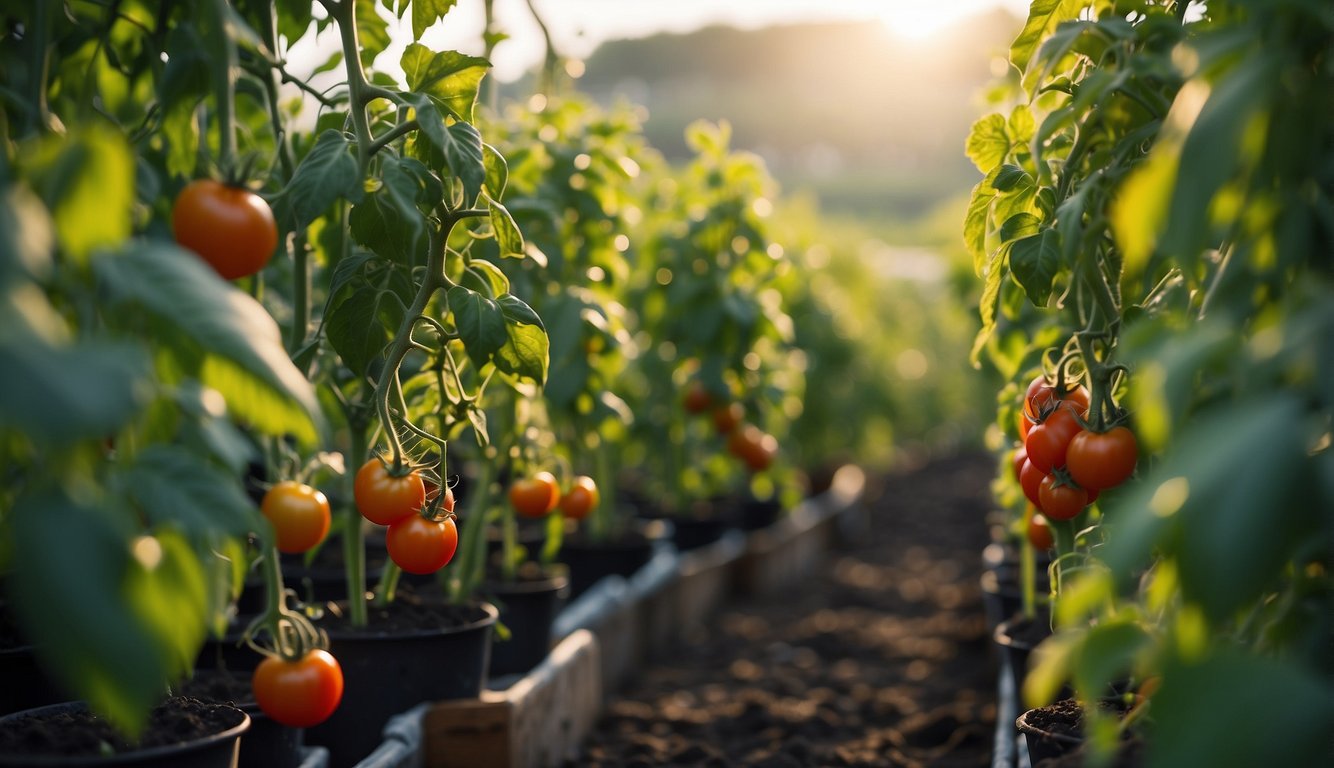
I have always been fascinated by the idea of growing tomatoes as perennials. It is not only a sustainable way of gardening but also a great way to enjoy fresh tomatoes throughout the year.
One of the key aspects of growing tomatoes as perennials is to extend the growing season. In this section, I will share some techniques that will help you extend the growing season of your tomato plants.
Protecting from Frost
Frost is one of the biggest threats to tomato plants during the winter season. It can kill the plants and damage the fruits. To protect your tomato plants from frost, you can cover them with blankets or tarps. You can also use row covers or cloths specifically designed for frost protection.
It is important to cover the plants before the temperature drops below freezing. You should also remove the cover during the day to allow sunlight to reach the plants.
Utilizing Greenhouses and Grow Lights
Greenhouses and grow lights are great tools for extending the growing season of tomato plants. A greenhouse provides a controlled environment that protects the plants from extreme weather conditions.
You can also use grow lights to provide additional light to the plants during the winter season. This will help the plants continue to grow and produce fruits even when there is less sunlight.
Overwintering Techniques
Overwintering is the process of keeping the tomato plants alive during the winter season. There are several techniques that you can use to overwinter your tomato plants.
One of the most common techniques is to dig up the plants and bring them indoors. You can keep them in a warm and well-lit room and continue to water them regularly.
Another technique is to prune the plants and cover them with mulch. This will protect the plants from extreme cold and help them survive the winter season.
Harvesting and Propagation – How to Grow Tomatoes as Perennials?
As a perennial, tomatoes can be harvested multiple times throughout the growing season. Here are some tips on picking ripe tomatoes, saving seeds for future planting, and propagating from cuttings.
Picking Ripe Tomatoes
When harvesting tomatoes, it’s important to pick them at the right time. Ripe tomatoes should be firm but slightly soft to the touch, and have a rich color. If the tomato is still green, it will not ripen further once picked.
To pick a ripe tomato, gently twist it off the vine or use a pair of pruning shears to cut the stem just above the fruit. Be careful not to damage the stem or any nearby fruit.
Saving Seeds for Future Planting
If you want to save seeds from your tomatoes for future planting, choose a healthy, ripe tomato and cut it open. Scoop out the seeds and place them in a jar or container with some water. Let the mixture sit for a few days, stirring occasionally, until a layer of mold forms on the surface. This process, known as fermentation, helps to remove any germination inhibitors from the seeds.
After fermentation, pour off the mold and water, and rinse the seeds in a fine mesh strainer. Spread them out on a paper towel to dry for a few days, then store them in a cool, dry place until you’re ready to plant them.
Propagating from Cuttings
Another way to propagate tomatoes is by taking cuttings from an existing plant. Choose a healthy, non-flowering branch and cut it at a 45-degree angle with a clean, sharp pair of pruning shears. Remove any leaves from the bottom half of the cutting, and dip the cut end in rooting hormone powder.
Plant the cutting in a pot filled with moist potting soil, and cover it with a plastic bag to create a greenhouse effect. Keep the soil moist and place the pot in a warm, bright location, but out of direct sunlight. In a few weeks, the cutting should start to develop roots and new growth. Once it’s established, you can transplant it to your garden.
Troubleshooting Common Issues – How to Grow Tomatoes as Perennials?
Growing tomatoes as perennials can be challenging, but with proper care, it is possible to enjoy fresh tomatoes year after year. However, even the most experienced gardeners can face common issues when growing tomatoes as perennials. Here are some of the most common issues and how to troubleshoot them.
Nutrient Deficiencies and Soil pH
One of the most common issues that gardeners face when growing tomatoes as perennials is nutrient deficiencies. Tomatoes require specific nutrients to grow and produce fruit, and if the soil is lacking in these nutrients, the plants will struggle.
Common nutrient deficiencies include iron, magnesium, and calcium. To prevent nutrient deficiencies, it is essential to test the soil regularly and amend it as needed. You can also use fertilizers to provide the necessary nutrients. Additionally, it is crucial to maintain the proper soil pH, which should be between 6.0 and 6.8 for optimal tomato growth.
Environmental Stress Factors
Environmental stress factors can also impact tomato growth and production. These factors include temperature fluctuations, inconsistent watering, and excessive humidity. When tomato plants experience too much stress, they may drop flowers and fruit.
To prevent environmental stress factors, it is essential to maintain consistent growing conditions. This includes watering the plants regularly, providing adequate drainage, and controlling humidity levels.
Additionally, it is crucial to protect the plants from extreme temperatures by providing shade during the hottest parts of the day.
Dealing with Unexpected Weather Changes
Weather changes can also impact tomato growth and production. Unexpected frosts, heavy rain, and high winds can damage the plants and reduce fruit production. To prevent weather-related issues, it is important to monitor the weather forecast and take steps to protect the plants as needed.
For example, you can cover the plants with blankets or tarps during unexpected frosts or provide additional support for the plants during high winds. Additionally, you can provide extra water during periods of drought or heavy rain to prevent the plants from becoming stressed.
Before You Go – How to Grow Tomatoes as Perennials
Growing tomatoes as perennials takes patience, care, and the right conditions, but the rewards can be abundant. Remember to provide full sun, well-draining soil, and consistent watering, while protecting your plants from pests and diseases. With thoughtful pruning and proper nutrition, you can extend their life beyond a single season and enjoy fresh tomatoes year after year.
Whether you’re experimenting in a greenhouse or cultivating them outdoors in a warm climate, treat your tomato plants as long-term companions. A little extra attention today can give you harvests that last far longer than the typical annual cycle.
Don’t forget to add theherbprof.com homepage to your favourites so you don’t miss out on future articles!
References – How to Grow Tomatoes as Perennials?
Little Herb Encyclopedia, by Jack Ritchason; N.D., Woodland Publishing Incorporated, 1995
The Ultimate Healing System, Course Manual, Copyright 1985, Don Lepore
Planetary Herbology, Michael Tierra, C.A., N.D., Lotus Press, 1988
Handbook of Medicinal Herbs, by James A. Duke, Pub. CRP Second Edition 2007
The Complete Medicinal Herbal, by Penelope Ody, Published by Dorling Kindersley
Check the Following Articles
How Do Avocados Grow: A Comprehensive Guide
Propagating Tradescantia: Everything You Need To Know
How to Grow Coffee? Tips Used By Top Coffeemakers
How Do Potatoes Grow in the Ground?
Frequently Asked Questions – How to Grow Tomatoes as Perennials?
What steps are needed to overwinter tomato plants for perennial growth?
Prune tomato plants back to about a third of their original size. Transplant them into larger pots with fresh soil. Place the pots in a cool, dark location with temperatures between 50–60°F (10–15°C) and water sparingly. With proper care, the plants go dormant and reemerge in spring, ready to produce fruit.
Can cherry tomato plants be cultivated to produce fruit annually?
Gardeners can cultivate cherry tomato plants to produce fruit annually. Prune them back and transplant them into larger pots with fresh soil. Place the pots in a cool, dark location with temperatures between 50–60°F (10–15°C) and water sparingly. With proper care, cherry tomato plants continue producing fruit year-round.
What are the best practices for growing perennial tomatoes indoors?
Provide tomato plants with at least six hours of direct sunlight daily by placing them near a window or under grow lights. Maintain daytime temperatures between 60–75°F (15–24°C) and nighttime temperatures between 55–65°F (13–18°C). Water only when the top inch of soil dries out. Fertilize regularly with a balanced fertilizer to support healthy growth.
How can one successfully grow tomatoes in pots year after year?
Use fresh soil each season and prune tomato plants to encourage new growth. Choose a pot at least 12 inches (30 cm) in diameter and fill it with high-quality potting mix. Fertilize every two weeks with a balanced fertilizer. Remove dead or diseased leaves regularly to keep plants healthy and productive.
What is the process for propagating tomatoes perennially from seed?
Soak seeds in warm water for 24 hours before planting. Plant them in high-quality potting mix and water regularly. When seedlings reach 4–6 inches (10–15 cm), transplant them into larger pots with fresh soil. Prune as they grow to encourage new growth. Once established, overwinter the plants using the steps outlined earlier.
What are the necessary conditions for maintaining a winter greenhouse for tomatoes?
Keep greenhouse temperatures between 50–60°F (10–15°C) during the day and 45–55°F (7–13°C) at night. Install grow lights to provide adequate lighting. Ventilate the greenhouse to prevent moisture buildup and mold. Fertilize the plants regularly with a balanced fertilizer to maintain strong growth.