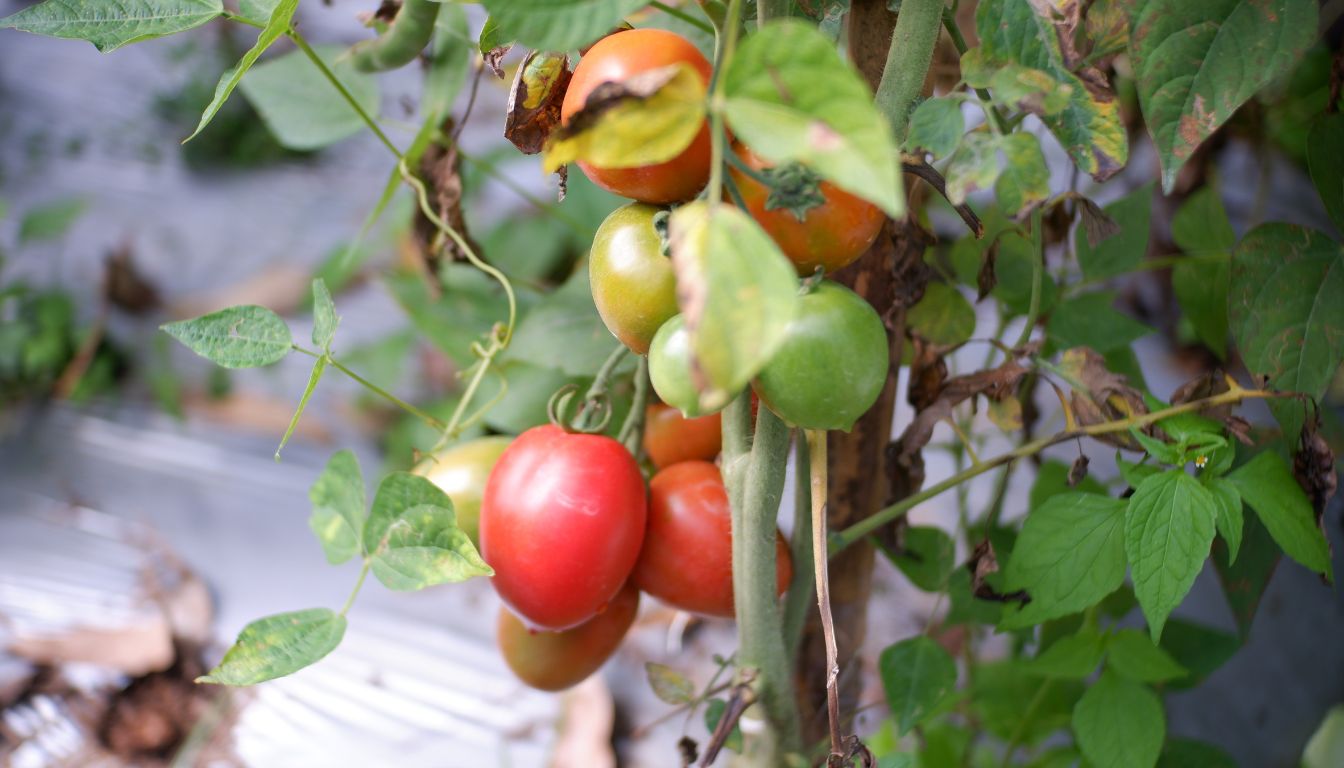
There’s nothing quite like the satisfaction of growing your own tomatoes. However, what happens when your beloved plant starts to wilt? It can be heartbreaking to watch your vibrant green leaves turn yellow and droop. Indeed, how to save a dying tomato plant isn’t just a question many gardeners face but a skill that can mean the difference between losing your crop and enjoying a bountiful harvest. Fortunately, with a little knowledge and the right approach, you can breathe new life into your struggling tomato plant.
Often, the culprit is pests, disease, nutrient deficiencies, or simply inconsistent watering. Therefore, understanding the root cause is the first step toward revival. By doing so, you can learn to spot early warning signs and apply targeted remedies. As a result, you’ll not only rescue your current crop but also strengthen your plants for seasons to come. With patience and care, your tomato vines can bounce back, rewarding you with plump, juicy fruit and the satisfaction of knowing you saved them from the brink.
Common Reasons Tomato Plants Die – How To Save A Dying Tomato Plant: 5 Expert Tips For You
Tomato plants can struggle and die due to a variety of reasons, ranging from issues with sunlight exposure and improper watering techniques to nutrient imbalances in the soil, pest infestations, and temperature fluctuations.
Even so, the most dedicated gardeners can lose tomato plants if underlying problems go unnoticed. That’s why it’s important to recognize the warning signs early. In the following section, you’ll find the most common causes, grouped into categories, along with symptoms to watch for.
1. Environmental Factors
Lack of Sunlight
Symptoms:
- Spindly, elongated stems
- Small, pale leaves
- Few or no flowers/fruit
Tomatoes need at least 5–6 hours of direct sunlight daily. Shade from buildings or trees can stunt growth and reduce yields, leaving you with a spindly vine and few, if any, tomatoes. Consider planting in an area where buildings or taller plants don’t cast shadows over your tomatoes during the prime sunny periods.
Incorrect Temperatures
Symptoms:
- Flowers dropping without fruiting
- Sunscald on fruit (white or pale patches)
- Slow growth during cold spells
Extreme heat stresses plants, while cold can cause blossom end rot and slow development. Next Step: Use shade cloth in heatwaves and protect plants with covers during cold nights.
2. Water & Soil Issues
Incorrect Watering
Symptoms:
- Wilting despite moist soil (overwatering)
- Dry, crispy leaves (underwatering)
- Blossom end rot or fungal diseases
Tomatoes prefer deep watering 2–3 times a week, adjusting for weather. Next Step: See Correcting Watering Techniques for a step-by-step guide.
Improper Soil Conditions
Symptoms:
- Poor growth despite watering and feeding
- Yellowing leaves
- Curling leaves with dull color
Heavy clay suffocates roots; overly acidic soil blocks nutrient uptake. Next Step: See Balancing Nutrients in Soil for pH adjustment and organic matter tips.
Nutrient Imbalances
Symptoms:
- Yellowing leaves
- Stunted growth
- Poor fruit set
Tomatoes need balanced N-P-K plus micronutrients like calcium and magnesium. Next Step: See Balancing Nutrients in Soil for fertilizer recommendations.
Overfertilizing
Symptoms:
- Excess leafy growth but few flowers
- Yellowing leaves despite rich soil
- Sediment or fungus on the soil surface
Too much nitrogen before fruiting can harm plants. Next Step: Switch to phosphorus-rich feeds before flowering.
3. Pests & Diseases
Pest Infestations
Symptoms:
- Holes in leaves or fruit
- Sticky residue on leaves
- Visible insects (aphids, hornworms, mites)
Common pests include cutworms, aphids, whiteflies, hornworms, and nematodes. Next Step: See Dealing with Pests for natural and chemical control methods.
Fungal Diseases
Symptoms:
- Spots on leaves (tan, brown, or black)
- Mold growth
- Wilting despite adequate water
Diseases like early blight, late blight, and anthracnose can devastate plants. Next Step: See Pruning Infected Parts for prevention and treatment strategies.
Pro Tip: Many of these problems are closely interconnected. For instance, overwatering can create conditions that lead to fungal disease, while poor soil quality can make plants more vulnerable to pests. Therefore, it’s important to always address the root cause of the issue, rather than simply treating the visible symptoms.
How to Revive a Struggling Tomato Plant – How To Save A Dying Tomato Plant: 5 Expert Tips For You
Reviving a struggling tomato plant often begins with correcting watering techniques, balancing nutrients in the soil, dealing with pests, and pruning infected parts. By addressing these key areas, you can give your plant the best chance to recover. To explore each step in detail and discover exactly how to save your dying tomato plant, keep reading for actionable guidance and practical tips.
1. Correct Watering Techniques – How To Save A Dying Tomato Plant: 5 Expert Tips For You
Watering mistakes are one of the most common causes of tomato plant decline. It’s important for gardeners to strike that perfect balance because incorrect watering invites trouble like blossom end rot or opens the door for fungal foes such as early blight and late blight to move in. To get it right:
- Water deeply so moisture reaches the roots, then let the soil dry slightly before watering again.
- Use a soaker hose or drip irrigation to keep leaves dry and reduce disease risk.
- Water in the morning so excess moisture evaporates during the day.
- Mulch the base to retain moisture and regulate soil temperature.
- Adjust frequency for weather – more in hot spells, less during rain or cool periods.
- Watch for signs of overwatering (yellow leaves, root rot) or underwatering (wilting).
2. Balance Nutrients in the Soil
Healthy soil is the foundation of plant recovery. In particular, calcium deficiency is a common culprit behind blossom end rot in tomatoes. To combat this problem effectively, consider using calcium nitrate fertilizer to supplement the plant’s calcium needs and, in turn, prevent this condition from affecting your crop.
- Test the soil for pH and nutrient levels.
- Adjust pH to 6.0–6.8 using lime (to raise) or sulfur (to lower).
- Add organic matter like compost or well-rotted manure.
- Apply a balanced tomato fertilizer with equal N-P-K ratios.
- Check micronutrients (calcium, magnesium) and supplement if needed.
- Avoid overfertilizing – too much can harm plants.
- Mulch to prevent nutrient leaching.
3. Deal with Pests Promptly
Pests can quickly weaken a struggling plant.
- Cutworms & aphids → release ladybugs.
- Whiteflies & spider mites → spray with water, dish soap, and neem oil.
- Hornworms & bollworms → handpick and drop into soapy water.
- Nematodes → rotate crops to break their life cycle.
- Weed regularly to deter beetles.
- Apply copper fungicide for blight prevention.
- Use barriers to protect young plants.
- Inspect often and act fast.
4. Prune Infected Parts
Removing diseased growth helps redirect energy to healthy areas.
- Cut away infected leaves/stems with clean, sharp tools.
- Dispose safely – burn or seal in a bag before discarding.
- Inspect regularly for new infections.
- Improve airflow & sunlight by thinning dense foliage.
- Focus plant energy on healthy growth and fruiting.
5. Increase Sunlight Exposure
Tomatoes thrive in bright, direct light.
- Place plants where they get 5–6+ hours of sun daily.
- Trim nearby foliage that casts shade.
- Use reflective mulch to bounce light onto plants.
- Rotate containers so all sides get sun.
- Apply phosphorus-rich liquid fertilizer to support flowering under more light.
- Monitor the sun’s movement and adjust placement.
- Provide light shade during extreme heat to prevent stress.
Pro Tip:
If your tomato plant is severely stressed, focus on one or two key interventions first (usually watering and pest control) before making multiple changes at once. This prevents further shock and gives you a clearer idea of what’s working.
Preventative Measures for Tomato Plant Health
Healthy tomato plants start with prevention. By taking proactive steps from the very beginning, you can avoid many of the common problems that lead to decline. In fact, setting them up for success early on creates a strong foundation for growth and productivity. With that in mind, here are three key preventative strategies, complete with benefits, actionable steps, and links to related fixes if issues arise.
Proper Plant Spacing
Benefit: Improves airflow, reduces disease spread, and makes pest monitoring easier.
Key Actions:
- Space plants 18–24 inches apart to allow air circulation.
- Avoid overcrowding to reduce fungal disease risk.
- Ensure sunlight reaches all leaves for even growth.
- Make it easy to inspect each plant for early signs of stress.
Related Tip: If your plants are already showing signs of fungal disease, see Pruning Infected Parts for recovery steps.
Proper Soil Preparation
Benefit: Creates a nutrient-rich, well-draining environment for strong root development.
Key Actions:
- First, test the soil pH and adjust it to 6.0–6.8 to ensure optimal nutrient uptake.
- Next, add organic matter such as compost, worm castings, or mulch to improve soil structure and fertility.
- After that, remove weeds and debris to prevent competition for water and nutrients.
- Then, loosen or till the soil before planting to improve aeration and allow roots to penetrate more easily.
- Finally, combine these steps with proper plant spacing to further reduce the risk of disease and promote healthy growth.
Related Tip: For more on nutrient balance, see Balancing Nutrients in Soil.
Regular Monitoring for Pests and Diseases
Benefit: Early detection prevents small problems from becoming plant-killers.
Key Actions:
- To begin with, inspect leaves, stems, and soil at least once a week to catch potential problems early.
- As you check, look for discoloration, wilting, spots, or unusual growth patterns that may indicate pests or disease.
- If you spot early signs of trouble, use natural remedies like neem oil or diatomaceous earth for effective, chemical-free pest control.
- In addition, remove any diseased or infested plant parts promptly to prevent the issue from spreading.
- To further protect your plants, rotate crops annually to break pest and disease cycles in the soil.
- Finally, keep the garden clean by removing plant debris after harvest, ensuring a fresh, healthy start for the next growing season.
Related Tip: For targeted pest control methods, see Dealing with Pests.
Key Takeaways – How To Save A Dying Tomato Plant: 5 Expert Tips For You
- Tomato plants need at least 5 hours of direct sunlight daily. Without adequate light, they can wither and produce fewer fruits, so by positioning them carefully in the garden, you can prevent shade from stunting their growth.
- In addition, watering tomato plants deeply 2–3 times a week promotes strong root development. However, it’s important to avoid both overwatering and underwatering, as either can lead to diseases and unnecessary stress on the plant.
- Furthermore, adding organic matter like compost improves soil structure and fertility, while balanced fertilizing helps prevent nutrient deficiencies that could stunt growth.
- At the same time, pest infestations can be managed by introducing natural predators, using homemade sprays, and regularly monitoring plants to catch problems early before they cause serious harm.
- Finally, pruning infected parts is vital for stopping the spread of disease and improving air circulation around healthy portions of the plant, thereby boosting overall plant health and productivity.
Before You Go – How To Save A Dying Tomato Plant: 5 Expert Tips For You
Saving a dying tomato plant often requires immediate action. To begin with, correcting watering techniques and addressing nutrient imbalances are crucial steps. In addition, dealing with pests and pruning infected parts will go a long way toward reviving the struggling plant.
Furthermore, increasing sunlight exposure and implementing preventative measures for overall plant health are essential to ensure a successful recovery. By combining these strategies, you can give your tomato plants the best chance to bounce back and thrive.
Don’t forget to add theherbprof.com homepage to your favourites so you don’t miss out on future articles!
References – How To Save A Dying Tomato Plant: 5 Expert Tips For You
Little Herb Encyclopedia, by Jack Ritchason; N.D., Woodland Publishing Incorporated, 1995
The Ultimate Healing System, Course Manual, Copyright 1985, Don Lepore
Planetary Herbology, Michael Tierra, C.A., N.D., Lotus Press, 1988
Handbook of Medicinal Herbs, by James A. Duke, Pub. CRP Second Edition 2007
The Complete Medicinal Herbal, by Penelope Ody, Published by Dorling Kindersley
Check the Following Articles
Tomato Plants Winter: Keeping Them Alive and Thriving
How Long Do Tomato Plants Take To Grow: The Guide
Can I Plant Strawberries with Tomatoes? Expert Weighs In
Frequently Asked Questions – How To Save A Dying Tomato Plant: 5 Expert Tips For You
What can cause a tomato plant to start dying?
Tomato plants can suffer from diseases like Fusarium wilt, Verticillium wilt, and leaf spot. They might also be affected by pests or nutrient deficiencies, such as a lack of phosphorus.
How do I identify if my tomato plant has fusarium wilt or verticillium wilt?
Fusarium wilt often turns the leaves yellow and wilts the plant, starting at the bottom. Verticillium wilt causes similar symptoms but might also create V-shaped lesions on leaves.
Can mulching help save my dying tomato plant?
Yes, mulching helps retain moisture in the soil and keeps roots cool, which could protect your tomato plants against certain diseases like Clavibacter michiganensis.
Should I use fungicides on my sick tomato plant?
Fungicides can be effective against fungal infections such as Phytophthora infestans, but always follow label instructions carefully or consult with an expert for proper use.
Is it okay to put my diseased tomato plant in the compost pile?
No, you should not add a diseased tomato plant to your compost pile because pathogens like Fusarium oxysporum and Verticillium dahliae can survive there and infect future plants.