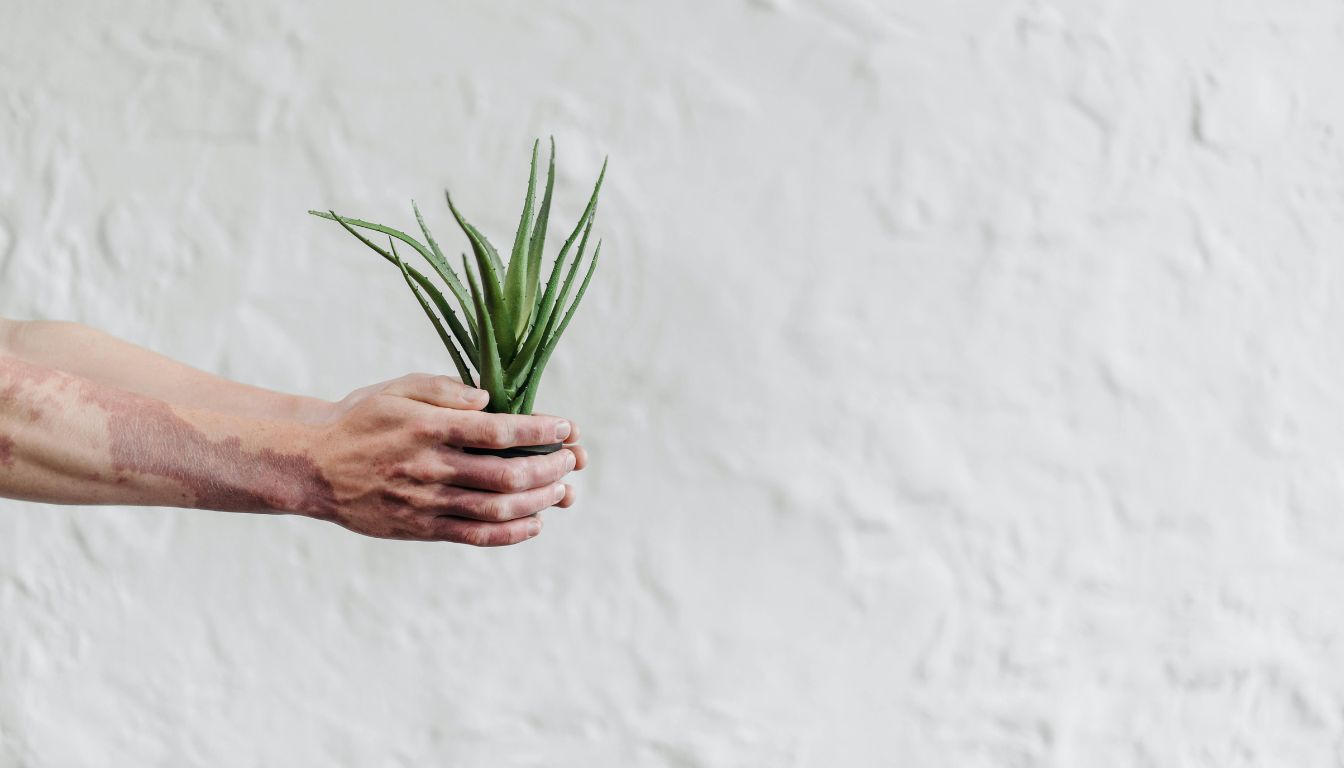
How do you transplant aloe vera? The process is straightforward and only takes a few simple steps. Aloe vera is a hardy succulent that’s easy to care for and widely valued for its medicinal benefits. It’s often used to soothe skin problems and support digestion. Transplanting becomes necessary when the plant outgrows its container or requires fresh soil.
As a houseplant, aloe vera needs well-draining soil and a pot with drainage holes. When transplanting aloe vera, it is important to choose a pot that is slightly larger than the current one. This will give the plant enough room to grow and will prevent it from becoming root-bound. Additionally, using a well-draining potting mix will help prevent overwatering and root rot.
Understanding Aloe Vera
As someone who has grown and transplanted aloe vera plants, I can attest to their hardiness and ease of growth. Aloe vera is a succulent plant that belongs to the Asphodelaceae family. It is native to arid regions of Africa but has since been naturalized in many parts of the world, including the Americas and Europe.
Characteristics of Aloe Plants
Aloe vera plants are characterized by their thick, fleshy leaves that store water. These leaves are usually green but can turn reddish-brown under stress.
The plant can grow up to three feet tall and produces tubular flowers that are yellow, orange, or red. Aloe plants are easy to grow and require minimal care. They thrive in well-draining soil and prefer bright, indirect sunlight.
Benefits and Uses
Aloe vera has served people for centuries as a medicinal plant. Its antioxidants, enzymes, vitamins, and minerals soothe and heal the skin.
Apply aloe vera gel directly to burns, wounds, and other skin conditions. Ingest it to improve digestion and strengthen immunity.
In addition to its medicinal uses, aloe vera is also used in the cosmetic industry. It is a common ingredient in skincare products due to its hydrating and anti-inflammatory properties. Aloe vera can also be used as a natural hair conditioner.
Preparing for Transplantation
When transplanting aloe vera, there are a few key things to keep in mind to ensure the process goes smoothly. In this section, I will cover when to transplant aloe vera, selecting the right container, and choosing soil and potting mix.
When to Transplant Aloe Vera
It is best to transplant aloe vera in the spring season when the plant is actively growing. This is the time when the plant is most likely to recover quickly from any damage caused during the transplanting process. Additionally, it is best to transplant aloe vera when the plant has outgrown its current pot, and the roots are visible on the surface of the soil.
Selecting the Right Container
When selecting a new pot for your aloe vera, make sure to choose a pot that is slightly larger than the current one. This will give the plant enough room to grow without overwhelming it with too much space. Additionally, make sure the pot has drainage holes to prevent waterlogging, as excess moisture can cause root rot.
Choosing Soil and Potting Mix
Aloe vera requires well-draining soil to thrive. You can use a succulent potting mix or regular potting soil mixed with sand or perlite to improve drainage. It is important to avoid using heavy, clay-based soil as this can retain too much moisture and suffocate the roots.
Transplanting Process
When it comes to transplanting an aloe vera plant, there are three main steps to follow: removing the plant from its current pot, preparing the new pot, and transplanting the aloe vera.
Removing Aloe Vera from the Current Pot
The first step in transplanting an aloe vera plant is to gently remove it from its current pot. This can be done by gently squeezing the sides of the pot to loosen the soil and roots. Once the plant is loose, gently lift it out of the pot, being careful not to damage the roots.
Preparing the New Pot
The next step is to prepare the new pot for the aloe vera plant. It is important to choose a pot that is slightly larger than the current one to allow room for new growth. The new pot should also have drainage holes to prevent water from accumulating and causing root rot.
Once the new pot is selected, it is important to fill it with a well-draining potting mix. This will help to ensure that the aloe vera plant has the proper nutrients and drainage it needs to thrive.
Transplanting the Aloe Vera
The final step in transplanting an aloe vera plant is to actually transplant it into the new pot. This is done by placing the plant in the centre of the new pot and filling in the gaps with potting mix. It is important to pack the soil firmly around the roots to prevent air pockets from forming.
After transplanting, make sure to water the plant thoroughly to help settle the soil and encourage new root growth. It is also important to avoid watering the plant for the first few days after transplanting to allow the roots to adjust to their new environment.
Post-Transplant Care
Congratulations on successfully transplanting your aloe vera plant! Proper post-transplant care is crucial to ensure that your plant thrives in its new environment. In this section, I will provide you with some tips on how to care for your newly transplanted aloe vera.
Watering After Transplanting
After transplanting your aloe vera, it is important to water it properly. Be careful not to overwater your plant, as this can lead to root rot and other issues. Instead, water your aloe vera sparingly and allow the soil to dry out completely between waterings. This will help prevent overwatering and ensure that your plant gets the moisture it needs to thrive.
Positioning and Sunlight Exposure
When positioning your newly transplanted aloe vera, make sure to place it in an area that gets plenty of indirect sunlight. Avoid placing your plant in direct sunlight, as this can cause the leaves to burn. Instead, place it in an area that gets bright, indirect sunlight for several hours each day. This will help your plant grow healthy and strong.
Monitoring Growth and Health
Finally, it is important to monitor the growth and health of your newly transplanted aloe vera. Keep an eye out for any signs of transplant shock, such as wilting or yellowing leaves. If you notice any issues, adjust your care routine accordingly.
Additionally, watch for signs of new growth, such as new leaves or shoots. This is a sign that your plant is thriving in its new environment.
Propagation of Aloe Vera
I find it fascinating to propagate and grow new plants. Aloe vera is one of the easiest plants to propagate, and it’s an excellent way to expand your collection or share with friends and family.
Identifying and Separating Pups
One of the most common ways to propagate aloe vera is by separating the “pups” or offsets that grow from the mother plant. These pups are smaller versions of the adult plant and can be found growing at the base of the plant.
To identify and separate the pups, gently remove the mother plant from its pot and examine the base of the plant. You will notice small offsets growing from the stem of the plant. Using a sharp, clean knife, carefully separate the pup from the mother plant, making sure to keep the roots intact.
Potting and Caring for Aloe Pups
Once you have separated the pups, it’s time to pot them. Choose a pot that is slightly larger than the pup, and fill it with a well-draining potting mix. Place the pup in the pot and gently fill in the gaps with soil.
After potting, it’s essential to care for the new pup properly. Aloe vera pups require bright, indirect sunlight and should be watered only when the soil is dry to the touch. Overwatering can cause the roots to rot, so make sure to let the soil dry out between waterings.
Troubleshooting Common Issues
Transplanting aloe vera can be a simple and rewarding process, but sometimes issues may arise that require attention. In this section, I will cover some of the most common issues that may occur during or after transplanting and provide tips on how to address them.
Dealing with Overcrowding
Overcrowding can occur when the aloe vera plant has outgrown its current pot. This can lead to stunted growth and a lack of nutrients for the plant. If you notice overcrowding, it may be time to transplant the aloe vera into a larger pot.
When transplanting, make sure to choose a pot that is slightly larger than the current one. This will give the plant room to grow and prevent overcrowding in the future. Additionally, make sure to loosen the roots gently before repotting to encourage healthy growth.
Addressing Root Rot and Pests
Root rot is a common issue that can occur when the aloe vera plant is overwatered or planted in soil that does not drain well.
If you notice the leaves turning brown or black and becoming mushy, it may be a sign of root rot. To address root rot, carefully remove the plant from the pot and examine the roots. Cut away any brown or black roots and replant the aloe vera in fresh soil. Make sure to water the plant sparingly and avoid overwatering in the future.
Pests such as mealybugs and spider mites can also be a problem for aloe vera plants. If you notice white or brown spots on the leaves, it may be a sign of pest infestation. To address pests, gently wipe the leaves with a damp cloth to remove any visible pests. Additionally, you can use insecticidal soap or neem oil to treat the plant and prevent future infestations.
Handling Environmental Stress
Environmental stress can occur when the aloe vera plant is exposed to extreme temperatures or direct sunlight. This can lead to sunburn or damage to the foliage. To prevent environmental stress, make sure to place the aloe vera plant in a location that receives bright, indirect sunlight. Additionally, avoid exposing the plant to extreme temperatures or drafts.
Additional Tips and Advice
Using the Right Tools
When transplanting aloe vera, it is important to use the right tools to avoid damaging the plant. You will need a knife, a shovel or trowel, and pruning shears or a hand trowel.
A sharp knife is essential for removing the plant from its old pot, while a shovel or trowel can be used to dig a hole in the new pot. Pruning shears or a hand trowel can be used to remove any damaged roots.
Timing Your Transplantation
Timing is crucial when transplanting aloe vera. It is best to transplant the plant during its active growing season, which is in the spring or early summer. This is when the plant is most likely to recover quickly from the transplant. Avoid transplanting during the winter months, as the plant may go into shock and take longer to recover.
Other Tips
Here are some additional tips that can help you successfully transplant your aloe vera:
- Use a terra-cotta pot or a pot made of a porous material to ensure proper drainage.
- Choose a pot that is slightly larger than the current one, but not too large, as it can lead to overwatering and root rot.
- Cover the drainage hole with newspaper or a coffee filter to prevent soil from escaping.
- Use a support or stake to keep the plant upright, especially if it is top-heavy.
- Mix peat moss or compost into the potting mix to provide additional nutrients for the plant.
- Be gentle when removing the plant from its old pot to avoid damaging the roots.
- If the roots are damaged, trim them with pruning shears before transplanting.
- Water the plant lightly after transplanting and avoid fertilizing for at least a month to allow the plant to adjust to its new environment.
Before You Go – How to Transplant Aloe Vera
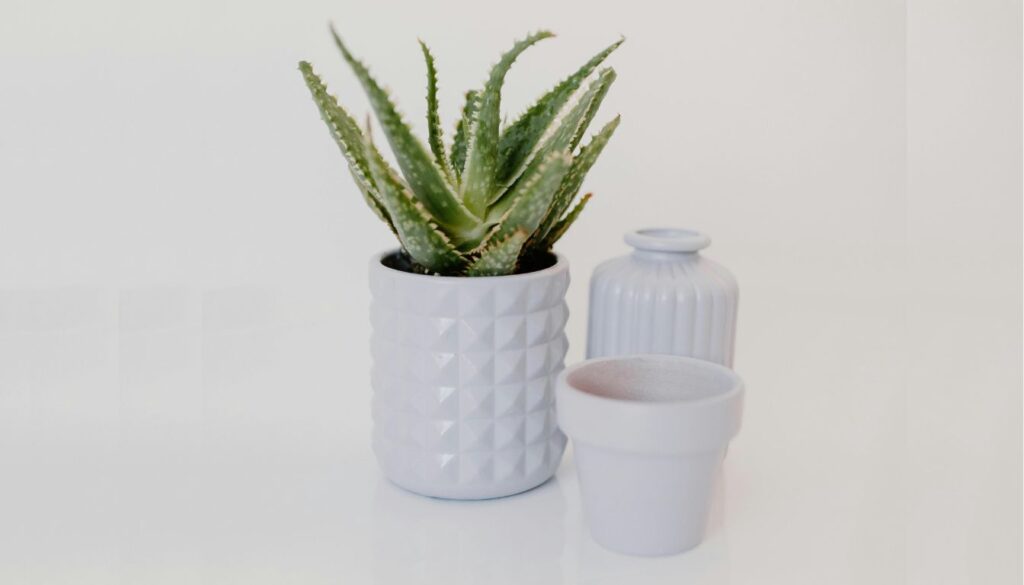
Aloe vera rewards you with resilience and healing properties when you transplant it with care. Before you go, remember to choose a pot with good drainage and handle the roots gently to avoid damage. Use sandy, well-draining soil to mimic its natural desert environment, and give the plant time to settle before watering.
Place your aloe vera in a sunny location, and monitor its growth as it adjusts to its new home. With patience and proper attention, your plant will thrive, producing healthy leaves you can enjoy for both beauty and practical use.
Don’t forget to add theherbprof.com homepage to your favourites so you don’t miss out on future articles!
References – How to Transplant Aloe Vera?
Little Herb Encyclopedia, by Jack Ritchason; N.D., Woodland Publishing Incorporated, 1995
The Ultimate Healing System, Course Manual, Copyright 1985, Don Lepore
Planetary Herbology, Michael Tierra, C.A., N.D., Lotus Press, 1988
Handbook of Medicinal Herbs, by James A. Duke, Pub. CRP Second Edition 2007
The Complete Medicinal Herbal, by Penelope Ody, Published by Dorling Kindersley
Check the Following Articles
Seed Starter Recipe: How to Make Your Own at Home
Most Beautiful Fruit Trees: Stunning Trees for Your Garden
Best Fertilizer for Tomatoes: Top Picks For Harvest Boost
Growing Arugula: Tips for a Successful Harvest
Frequently Asked Questions – How to Transplant Aloe Vera?
What steps should be taken to transplant an overgrown aloe vera plant?
Start by picking a pot that’s a bit bigger than the current one. Fill it with well-draining soil. Water your aloe a day or two before moving it. Gently take it out of the old pot and loosen the roots. Set it in the new pot and add more soil around it. Water lightly and give it a few days to settle before watering again.
How can you avoid transplant shock when repotting an aloe vera?
Water your aloe a day or two before repotting. Use a pot that’s just slightly bigger. Fill it with well-draining soil. Handle the plant gently and keep the roots intact. After transplanting, wait a few days before watering again to help it adjust.
What is the best way to split an aloe vera plant for propagation?
Pick a healthy aloe with several leaves. Remove it from the pot and shake off extra soil. Look for small “pups” at the base. Use a clean knife to separate them. Let the pups dry for a day or two, then plant them in well-draining soil.
Can you grow aloe vera from a cutting, and if so, how?
Yes, you can. Cut a healthy leaf close to the base. Let the cut end dry for a day or two. Plant it in well-draining soil with the cut end buried. Water lightly and wait a few days before watering again.
What type of soil is recommended when replanting aloe vera?
Use well-draining soil with a slightly acidic pH. Pick a mix made for cacti and succulents. Skip heavy, clay-based soil; it holds too much water and can rot the roots.
Is it possible to transplant aloe vera without roots, and what is the procedure?
Yes, but it’s trickier. Cut the plant at the base, leaving at least 2 inches of stem. Let the cut end dry for a day or two. Plant the stem in well-draining soil, burying it up to the leaves. Water lightly and wait a few days before watering again.