
The Herb Prof Team researches and writes our herbal guides, drawing on published research, traditional herbal references, and hands-on growing experience.
Antibiotics and garlic are often mentioned together, because garlic shows antimicrobial activity in laboratory studies. But lab results do not mean garlic can treat an infection in a person. This guide explains what garlic’s compounds do, where the evidence stops, and why garlic never replaces a prescribed antibiotic.
This article is for general information only. It is not medical advice. If you think you have a bacterial infection, see a doctor or pharmacist.
What Antibiotics Do
Antibiotics are medicines that kill bacteria or stop them from growing. Doctors prescribe them for bacterial infections such as strep throat, urinary tract infections and pneumonia. They do not work on viruses, so they are not used for colds or flu.
Overuse and misuse of antibiotics drive antibiotic resistance, which is a serious public health concern. Taking the full course your doctor prescribes is one of the main ways to reduce that risk.
Why Garlic Gets Compared to Antibiotics
Garlic has been used as a food and folk remedy for centuries, including for infections. Its reputation comes from a group of sulfur compounds that form when a clove is crushed or chopped.
The Active Compounds in Garlic
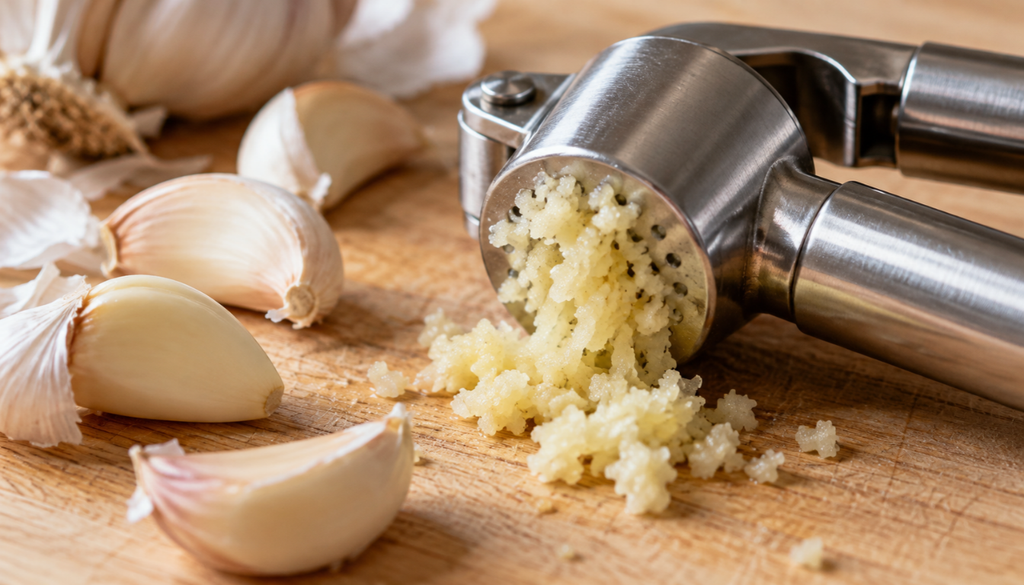
- Allicin. When a clove is crushed, an enzyme turns a compound called alliin into allicin. Allicin gives fresh garlic its sharp smell and is the compound most studied for antibacterial activity. It is unstable and breaks down quickly, especially with heat.
- Ajoene. Ajoene forms as allicin breaks down. It has been tested in the lab against several bacteria and fungi.
- Allyl sulfides. These are other sulfur compounds in garlic, such as diallyl disulfide, that have also shown antimicrobial effects in test-tube studies.
What Laboratory Studies Show
In laboratory studies, garlic extract and allicin have slowed or stopped the growth of several bacteria, including Staphylococcus aureus, Escherichia coli and Pseudomonas aeruginosa. Some lab work also reports effects on Candida yeast and on antibiotic-resistant strains such as MRSA.
These findings are interesting, but they have limits:
- They are mostly test-tube results. Bacteria in a dish are not the same as an infection in the body. Garlic compounds are broken down in digestion and may never reach the infected tissue at an active level.
- Concentrations are not realistic. Lab studies often use concentrated extracts or purified compounds, not the amount in a meal.
- Human trials are limited. There is not enough good human evidence to show that eating garlic treats a bacterial infection.
So the honest summary is that garlic has antimicrobial activity in the lab, and it is not proven as a treatment for infections in people.
Can Garlic Replace Antibiotics?
No. Garlic is not a substitute for a prescribed antibiotic. Untreated bacterial infections can become serious, and delaying treatment can allow them to spread. This matters most for infections such as pneumonia, kidney infections, and infections in children, older adults, pregnant women or people with weakened immunity.
See a doctor promptly if you have a fever that won’t settle, spreading redness, severe pain, trouble breathing, or symptoms that are getting worse.
Can You Take Garlic With Antibiotics?
Eating garlic as part of normal cooking is generally not a problem for most people. Concentrated garlic supplements are different, because they can interact with some medicines.
- Blood thinners. Garlic supplements may increase bleeding risk when combined with anticoagulants such as warfarin.
- Some HIV medicines. Garlic supplements have been reported to lower blood levels of certain HIV protease inhibitors, such as saquinavir.
- Other medicines. Garlic can affect how some other drugs work.
Tell your doctor or pharmacist about any garlic supplement before you take it with prescription medicine, and before any planned surgery. Garlic can also cause bad breath, body odour, heartburn and an upset stomach, and some people are allergic to it.
Using Garlic in Food
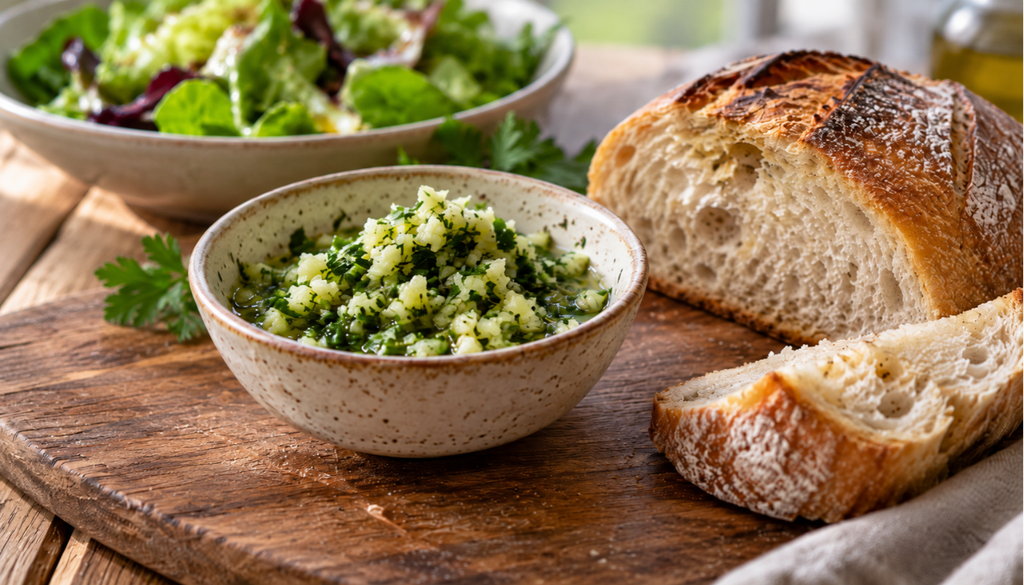
If you want to add garlic to your diet, treat it as a food, not a treatment.
- Crush or chop the clove and let it sit for about ten minutes. This gives the enzyme time to form allicin before heat reaches it.
- Add it toward the end of cooking, or use it raw in dressings and dips. Long cooking breaks down allicin.
- Build up slowly. Raw garlic can irritate the stomach, so start with small amounts.
There is no proven dose of garlic for fighting infection, so no amount should be treated as a replacement for medicine.
Never store crushed garlic in oil at room temperature. Garlic in oil can grow the bacteria that cause botulism. Make it fresh, keep it in the fridge, and use it within a few days.
Other Natural Antimicrobials: A Realistic View
Several other foods and herbs, such as honey, thyme and oregano, show antimicrobial activity in lab studies. The same caution applies: lab activity is not proof of treatment.
Thyme and oregano essential oils are highly concentrated and are not meant to be swallowed. Do not take them by mouth to treat an infection. The culinary herbs are a safe way to enjoy these plants in food.
Before You Go – Antibiotics and Garlic
Garlic is a useful kitchen herb with interesting antimicrobial chemistry, but it is not a replacement for antibiotics. If you are sick, see a doctor. If you want to use more garlic in food, enjoy it fresh, and speak to your pharmacist before adding concentrated supplements to any medicine you take.
References – Antibiotics and Garlic
Little Herb Encyclopedia, by Jack Ritchason; N.D., Woodland Publishing Incorporated, 1995
The Ultimate Healing System, Course Manual, Copyright 1985, Don Lepore
Planetary Herbology, Michael Tierra, C.A., N.D., Lotus Press, 1988
Handbook of Medicinal Herbs, by James A. Duke, Pub. CRP Second Edition 2007
The Complete Medicinal Herbal, by Penelope Ody, Published by Dorling Kindersley
Sources
- Fujisawa H, et al. Biological and chemical stability of garlic-derived allicin. Journal of Agricultural and Food Chemistry. 2008;56(11):4229-4235.
- Mayo Clinic. Herbal supplements and heart medicines may not mix.
- Piscitelli SC, et al. The effect of garlic supplements on the pharmacokinetics of saquinavir. Clinical Infectious Diseases. 2002.
- Oregon State University Extension. Herbs and vegetables in oil.
Related Article
Herbalist Career: How to Become a Successful Herbal Pro
Frequently Asked Questions – Antibiotics and Garlic
Is garlic a natural antibiotic?
Garlic shows antimicrobial activity in laboratory studies, but it is not a medicine and is not proven to treat infections in people.
Is garlic stronger than antibiotics?
No. Lab results cannot be compared directly to how a prescribed antibiotic performs in the body. Prescription antibiotics are tested in clinical trials. Garlic has not been shown to match them.
Can garlic draw out an infection?
There is no evidence that it can. If you have an infection, follow your doctor’s treatment plan.
What medicines does garlic interact with?
Garlic supplements may interact with blood thinners such as warfarin and with some HIV medicines. Ask your doctor or pharmacist before combining them.
How much garlic should I eat?
There is no proven amount for treating infection. Using garlic in normal cooking is fine for most people.