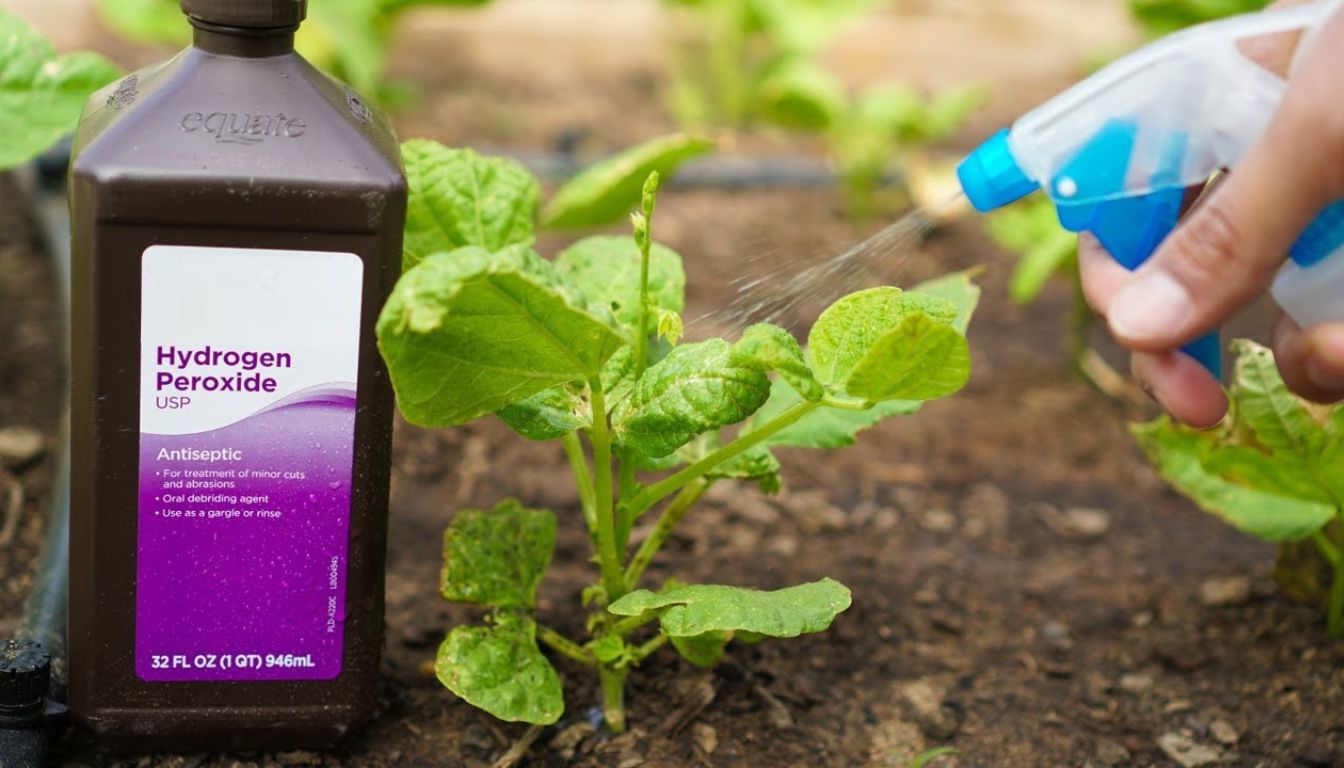
As a plant enthusiast, I’m always seeking ways to keep my plants healthy and thriving. One method gaining popularity is the hydrogen peroxide soil drench. This technique uses a mix of hydrogen peroxide and water to nourish plants. The goal? Promote healthy root growth and ward off pests and diseases.
Hydrogen peroxide is a naturally occurring compound that is often used as a disinfectant and bleaching agent. When used in the garden, it can help to kill harmful bacteria and fungi that can cause plant diseases. Additionally, it can provide much-needed oxygen to the roots of your plants, which is essential for healthy growth. By using a hydrogen peroxide soil drench, you can help to create a healthy environment for your plants to grow in.
Overall, the hydrogen peroxide soil drench is a simple and effective way to promote healthy plant growth. While it may not be a cure-all for every plant problem, it can certainly help to keep your plants healthy and thriving. In the following sections, we will explore the benefits of using hydrogen peroxide in your garden, as well as how to use it effectively to promote healthy plant growth.
Understanding Hydrogen Peroxide Soil Drench
Difference Between H2O (Water) and H2O2 (Hygen Peroxide)
Hydrogen peroxide (H2O2) is a chemical compound that contains two hydrogen atoms and two oxygen atoms. It is a pale blue liquid and is known for its strong oxidizing properties. In contrast, water (H2O) is a colorless, odorless, and tasteless liquid that is essential for the survival of all living organisms.
The main difference between H2O and H2O2 is that hydrogen peroxide contains an extra oxygen atom. This extra oxygen atom gives hydrogen peroxide its strong oxidizing properties, which makes it useful for various applications, including gardening.
Uses of Hydrogen Peroxide for Plants
Hydrogen peroxide can be used for various purposes in gardening, including disinfecting tools and equipment, sanitizing seeds, and soil treatment. One of the most common uses of hydrogen peroxide in gardening is as a soil drench.
A hydrogen peroxide soil drench involves adding hydrogen peroxide to water and then pouring the mixture over the soil. The hydrogen peroxide helps to oxygenate the soil, which promotes healthy plant growth. It also helps to sterilize the growing medium by killing harmful bacteria and fungi.
Hydrogen peroxide can also be used as a fungicide and pest control agent. It is an eco-friendly and environmentally friendly alternative to chemical pesticides and fungicides. Hydrogen peroxide works by oxidizing the cell walls of fungi and pests, which kills them.
In addition to its sterilizing and pest control properties, hydrogen peroxide can also help to protect plants from blight and other diseases. It does this by creating air pockets in the soil, which helps to oxygenate the roots and promote healthy plant growth.
Overall, hydrogen peroxide is a natural, green, and healthy alternative to chemical fertilizers, pesticides, and fungicides. It is an excellent tool for any gardener looking to grow healthy plants in a well-aerated and sterile growing medium.
Benefits of Hydrogen Peroxide Soil Drench
As a plant enthusiast, I have experimented with different methods of caring for my plants, and one of the most effective methods I have found is the use of hydrogen peroxide soil drench. Hydrogen peroxide (H2O2) is a powerful disinfectant that can be used in various ways to improve plant health. Here are some of the benefits of using hydrogen peroxide soil drench:
Treating Root Rot
Root rot is a common problem that affects many plants. It is caused by overwatering, poor drainage, or fungal infections. Root rot can cause the roots to rot, which can lead to the death of the plant. However, hydrogen peroxide can help to treat root rot by killing the bacteria and fungi that cause it. To treat root rot, mix one part hydrogen peroxide with three parts water and pour the solution over the soil. This will help to disinfect the soil and kill the pathogens that cause root rot.
Pest and Insect Repellent
Hydrogen peroxide can also act as a pest and insect repellent. It can help to get rid of pests like ants, gnats, aphids, and nematodes. To use hydrogen peroxide as a pest repellent, mix one part hydrogen peroxide with three parts water and spray the solution on the affected plant. This will help to kill the pests and prevent them from coming back.
Supporting Healthier, Faster Root Growth
Hydrogen peroxide can also support healthier, faster root growth. It does this by providing oxygen to the roots, which helps to aerate the soil and promote root growth. To use hydrogen peroxide to support root growth, mix one part hydrogen peroxide with three parts water and pour the solution over the soil. This will help to oxygenate the soil and promote healthy root growth.
Eliminating Fungal Infections
Fungal infections like powdery mildew can be a big problem for plants. However, hydrogen peroxide can help to eliminate fungal infections by acting as a fungicide. To use hydrogen peroxide as a fungicide, mix one part hydrogen peroxide with three parts water and spray the solution on the affected plant. This will help to disinfect the plant and prevent the spread of fungal diseases.
Hydrogen peroxide soil drench is an effective way to protect your plants from diseases, pests, and fungal infections. By using hydrogen peroxide, you can promote healthier, faster root growth and protect your plants from harmful pathogens.
How to Use Hydrogen Peroxide for Soil Drench
As an avid gardener, I have found that using hydrogen peroxide for soil drench is an effective way to keep my plants healthy. Hydrogen peroxide is a natural disinfectant that can help to kill harmful bacteria and fungi in the soil. Here are the steps I use to apply hydrogen peroxide to my soil.
Dilution Ratios
The first step in using hydrogen peroxide for soil drench is to dilute it. The concentration of hydrogen peroxide that you use will depend on the purpose of the soil drench. For general maintenance, I use a dilution ratio of 1 part 3% hydrogen peroxide to 4 parts water. This is equivalent to 1 cup of hydrogen peroxide per gallon of water. For more severe problems, such as root rot, a stronger solution may be necessary. In this case, I use a dilution ratio of 1 part 3% hydrogen peroxide to 2 parts water.
Application Methods
Once you have diluted the hydrogen peroxide, you can apply it to your soil. There are a few different ways to do this:
- Pour the solution directly onto the soil. This is the simplest method, but it can be difficult to ensure that the entire root system is covered.
- Use a spray bottle to mist the solution onto the soil. This is a good method for smaller plants and seedlings.
- Soak the soil with the solution. This is a good method for larger plants and for treating the soil before planting.
Regardless of the application method you choose, it is important to ensure that the soil is moist before applying the hydrogen peroxide. This will help to ensure that the hydrogen peroxide is evenly distributed throughout the soil.
In summary, using hydrogen peroxide for soil drench can be an effective way to keep your plants healthy. By diluting the hydrogen peroxide and applying it to the soil, you can kill harmful bacteria and fungi and promote healthy root growth.
Precautions When Using Hydrogen Peroxide on Plants
As with any chemical, it is important to handle hydrogen peroxide with care when using it on plants. Here are a few precautions to keep in mind:
- Dilute properly: Hydrogen peroxide is a strong oxidizer and can harm plants if not properly diluted. Always follow the recommended mixing ratios and avoid using undiluted hydrogen peroxide on plants.
- Avoid overuse: While hydrogen peroxide can be beneficial for plants, using too much can harm them. Overuse can lead to decay, wilting, and even death of the plant.
- Handle with care: Hydrogen peroxide can be irritating to the skin and eyes, so it is important to wear gloves and eye protection when handling it.
- Risks to fish: If you are using hydrogen peroxide in a hydroponic system or aquarium, be aware that it can harm fish and other aquatic life. Always follow the recommended dosages and avoid using hydrogen peroxide in closed systems with fish.
- Harm to beneficial microbes: Hydrogen peroxide can also harm beneficial microbes in the soil, so it is important to use it sparingly and only when necessary.
By following these precautions, you can safely use hydrogen peroxide on your plants without risking harm to them or yourself.
Before You Go – Hydrogen Peroxide Soil Drench
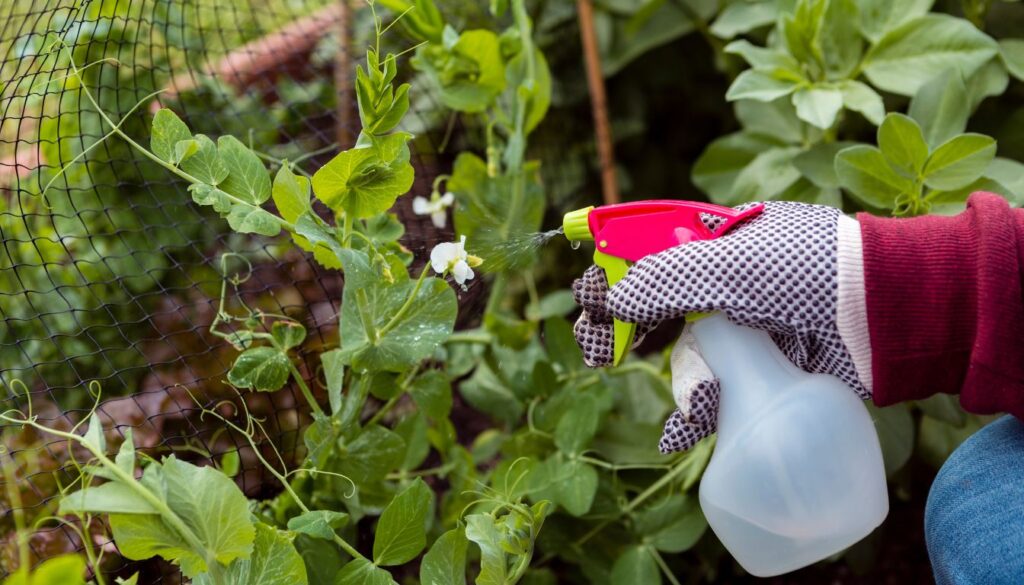
Using hydrogen peroxide as a soil drench is a cost-effective and easy way to maintain healthy plants. By using a diluted solution of hydrogen peroxide and water, harmful bacteria and fungi can be eliminated from the soil, promoting better root growth and overall plant health.
It is important to note that hydrogen peroxide should be used in moderation, as excessive use can harm beneficial microbes in the soil. A recommended concentration of 1-2 tablespoons of 3% hydrogen peroxide per gallon of water is sufficient for most plants.
In addition to its soil sterilization properties, hydrogen peroxide can also be used as a natural fertilizer, promoting healthy growth and development in plants. A 6% solution of hydrogen peroxide can be used as a foliar spray or soil drench to combat common plant issues such as root rot and powdery mildew [1].
Overall, hydrogen peroxide is a versatile and affordable solution for maintaining healthy plants. When used correctly and in moderation, it can be a valuable tool in any gardener’s arsenal.
Don’t forget to add theherbprof.com homepage to your favourites so you don’t miss out on future articles!
[1] Source: Using Hydrogen Peroxide On Plants: 11 Uses & Mixing Ratios
References – Hydrogen Peroxide Soil Drench
Little Herb Encyclopedia, by Jack Ritchason; N.D., Woodland Publishing Incorporated, 1995
The Ultimate Healing System, Course Manual, Copyright 1985, Don Lepore
Planetary Herbology, Michael Tierra, C.A., N.D., Lotus Press, 1988
Handbook of Medicinal Herbs, by James A. Duke, Pub. CRP Second Edition 2007
The Complete Medicinal Herbal, by Penelope Ody, Published by Dorling Kindersley
Check the Following Articles
Gardening in Buckets: A Guide to Container Gardening
Carrots Growing Sprouts: Tips for Successful Germination
Tomato Sprouting Inside: Causes and Solutions
Frequently Asked Questions – Hydrogen Peroxide Soil Drench
What is the appropriate dilution ratio for a hydrogen peroxide soil drench?
Use 1–2 tablespoons of 3% hydrogen peroxide per gallon of water to create a soil drench. This common method kills harmful bacteria and fungi and boosts root growth.
Can hydrogen peroxide be used to treat root rot in plants?
Yes, hydrogen peroxide treats root rot effectively by killing the bacteria and fungi that cause it. Mix one part 3% hydrogen peroxide with three parts water and apply the solution to the affected plant.
How is hydrogen peroxide applied as a soil drench for indoor plants?
Dilute 1–2 tablespoons of 3% hydrogen peroxide per gallon of water. Pour the mixture directly over the soil to kill harmful microbes and support root development.
What are the benefits of using hydrogen peroxide for aerating soil?
Hydrogen peroxide aerates soil by creating air pockets that deliver nutrients and oxygen to plant roots. Well-aerated soil helps prevent disease and keeps plants healthy.
Is it safe to use hydrogen peroxide in soil, and are there any risks?
Hydrogen peroxide works safely when you dilute it properly and use it in moderation. Avoid overuse, which can harm plants, and skip it for varieties sensitive to hydrogen peroxide.
How effective is hydrogen peroxide in treating fungus gnats in plant soil?
Hydrogen peroxide kills fungus gnat larvae and helps eliminate infestations. Mix one part 3% hydrogen peroxide with four parts water and apply it to the soil. Repeat every 5–7 days until the gnats disappear.
When used as a soil drench, how long will it be effective in the soil?
The effectiveness of a soil drench can vary depending on the specific product and the purpose of the drench Dale. However, here are some general guidelines:
For nutrient delivery, a soil drench can be applied every two weeks at the beginning of the season, gradually extending the gap between drenches to around once every five to six weeks.
For pest control, such as using a neem oil soil drench, it’s typically recommended to apply 2-3 cups of the mixture around the base of each plant every 2-3 weeks for sustained protection.
If you’re dealing with a specific pest problem, you might need to apply the drench more frequently, such as every 7 to 14 days, until the pests are under control.
Remember, the bigger the plant, the longer it will take for the active compounds to reach the plant’s entire system. Always follow the instructions on the product label for best results. It’s also important to note that soil drenching is most effective at the beginning of the growing season.