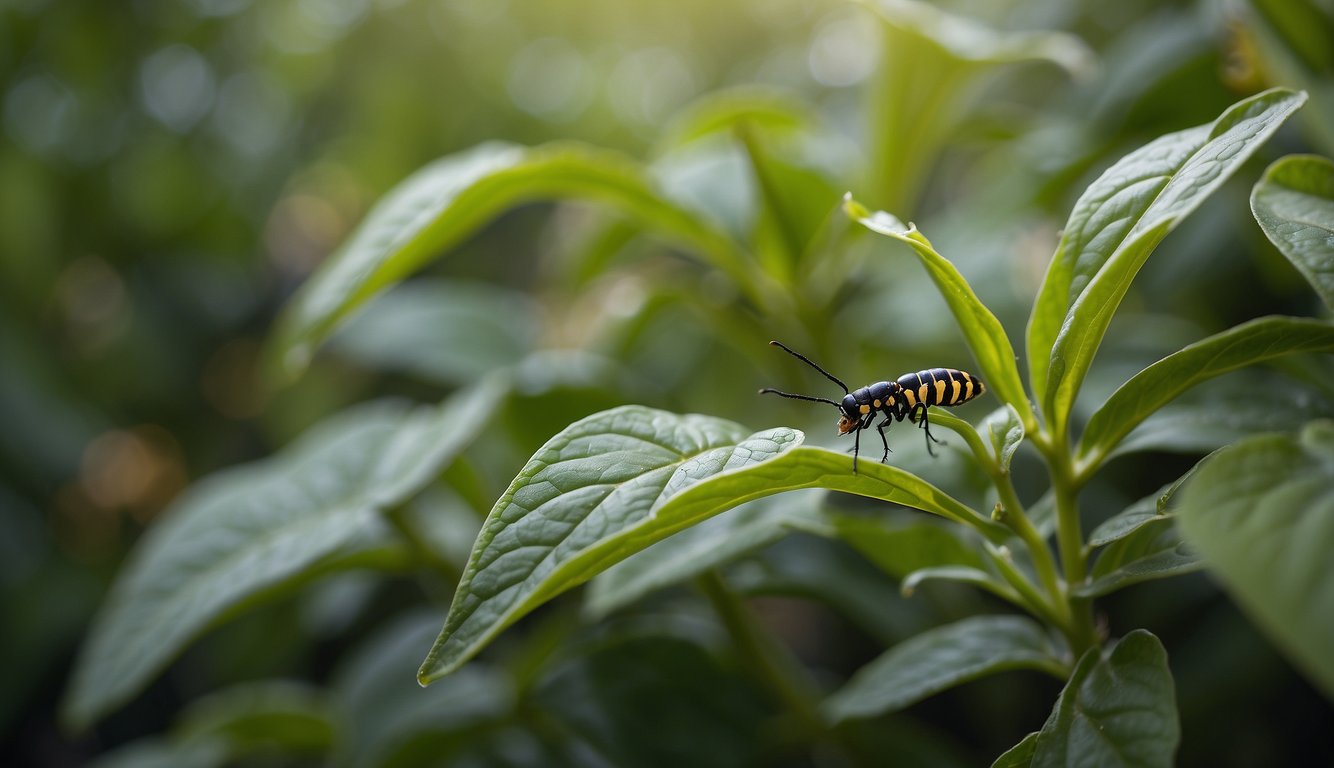
Insects can be a major problem for pepper plants. They can infest these plants, causing stunted growth, poor health, and even death. As someone who has grown peppers for many years, I’ve had my fair share of run-ins with these pesky insects. In this article, I’ll share my knowledge and experiences with insects on pepper plants, including how to identify them, prevent infestations, and treat them if they occur.
Pepper plants are particularly susceptible to insect infestations because they are part of the nightshade family, which is known for attracting a wide variety of insects. Some of the most common insects that can infest pepper plants include aphids, spider mites, and corn borers. These insects can cause a range of problems, from sucking the sap out of the leaves to eating the fruit itself. If left unchecked, they can quickly take over a plant and cause it to wither and die. However, with a little knowledge and some preventative measures, you can keep your pepper plants healthy and insect-free.
Common Insects Affecting Pepper Plants
I have encountered several insects that can affect the health and growth of pepper plants. In this section, I will discuss some of the most common insects that can be found on pepper plants and their impact on the plant.
Aphids and Ants
Aphids are small, soft-bodied insects that cluster on the undersides of leaves, usually green or yellow. They feed on plant sap, causing leaves to curl, distort, and yellow. They can also transmit viral diseases.
Ants are often found in association with aphids as they feed on the honeydew excreted by aphids. To control aphids, you can use insecticidal soap or neem oil. You can also introduce natural predators such as ladybugs and lacewings.
Spider Mites
Spider mites are tiny arachnids that feed on plant sap, causing leaves to turn yellow and develop a stippled appearance. If left untreated, spider mite infestations can lead to leaf drop and stunted growth. To control spider mites, you can use insecticidal soap or neem oil. You can also introduce natural predators such as predatory mites and ladybugs.
Flea Beetles and Cutworms
Flea beetles are small, shiny black or brown beetles that jump like fleas when disturbed. They feed on leaves, causing small holes and pits to form.
Cutworms are the larvae of several species of moths. They feed on the stems of young plants, causing them to wilt and die. To control flea beetles, you can use row covers or insecticidal soap. To control cutworms, you can use Bacillus thuringiensis (BT) or diatomaceous earth.
Whiteflies and Thrips
Whiteflies are small, white, winged insects that feed on the undersides of leaves. They excrete honeydew, which can lead to the growth of sooty mold. Thrips are tiny, slender insects that feed on leaves, flowers, and fruit. They can cause distorted growth and silvering of leaves.
To control whiteflies and thrips, you can use insecticidal soap or neem oil. You can also introduce natural predators such as parasitic wasps and minute pirate bugs.
Pepper Weevil and Hornworms
Pepper weevils are small, black beetles that feed on flowers and fruit. They can cause fruit to drop prematurely and reduce yields. Hornworms are large, green caterpillars that feed on the leaves and fruit of pepper plants. They can cause significant damage if not controlled.
To control pepper weevils and hornworms, you can use row covers or insecticidal soap. You can also handpick hornworms or introduce natural predators such as parasitic wasps and braconid wasps.
Signs of Insects on Pepper Plants Infestation
As a pepper plant enthusiast, I have learned the importance of identifying the signs of insect infestation. Insects can cause severe damage to your pepper plants, leading to stunted growth, wilting, and even death. Here are some of the signs to look out for:
Visible Insects and Damage
One of the most obvious signs of insect infestation is the presence of visible insects on your pepper plants. Aphids, spider mites, and corn borers are some of the most common insects that affect pepper plants. These insects can cause damage to the leaves and stems of your plants, resulting in holes, yellowing, curling, and brown spots.
Plant Stress Symptoms
Insect infestations can cause your pepper plants to experience stress, which can manifest in a variety of ways. One of the most common symptoms of plant stress is wilting. If your pepper plants are wilting, it may be a sign that they are not getting enough water or nutrients due to insect damage.
Unexpected Plant Growth Changes
Insect infestations can also cause unexpected changes in the growth patterns of your pepper plants. For example, you may notice that your plants are growing more slowly than usual or that they are not producing as many peppers as they normally would. This can be a sign that your plants are being affected by insects.
Biological and Organic Control Methods – Insects on Pepper Plants
I prefer to use biological and organic control methods to manage insects on my pepper plants. These methods are safer for the environment, and they do not harm beneficial insects and pollinators. Here are some of the most effective biological and organic control methods.
Beneficial Insects and Predators
One of the most effective ways to control insect pests on pepper plants is to introduce beneficial insects and predators. Ladybugs, lacewings, and wasps are all beneficial insects that feed on aphids, thrips, and other pests that can damage pepper plants. These insects can be purchased from garden centers or online retailers and released onto the plants.
Organic Insecticides and Fungicides
Organic insecticides and fungicides are another effective way to control insect pests and fungal diseases on pepper plants.
Insecticidal soap and neem oil are two organic insecticides that are effective against a wide range of pests, including aphids, spider mites, and whiteflies. Spinosad is another organic insecticide that is effective against caterpillars, thrips, and other pests. For fungal diseases, I use a copper-based fungicide, which is effective against powdery mildew, black spot, and other fungal diseases.
Companion Planting and Cultural Practices
Companion planting and cultural practices can also help control insect pests on pepper plants. Marigolds are a great companion plant for peppers because they repel nematodes and other pests. Planting peppers in a diverse garden with a variety of plants can also help promote a healthy ecosystem and reduce pest problems.
Floating row covers can be used to protect young plants from insect pests, and diatomaceous earth can be used as a natural insecticide to control pests like slugs and snails.
Chemical Control Strategies – Insects on Pepper Plants
As a last resort, I use chemical control strategies to manage insect infestations on my pepper plants. Synthetic insecticides are the most common type of insecticide used in commercial agriculture. They are effective in controlling insect populations and can be applied as a spray or a dust.
Synthetic Insecticides
Synthetic insecticides are chemical compounds that are designed to kill insects. They are formulated to target specific insects, and they work by interfering with the insect’s nervous system, causing paralysis or death. Common synthetic insecticides used for pepper plants include pyrethroids, carbamates, and organophosphates.
It is important to use synthetic insecticides with caution. Overuse of synthetic insecticides can lead to the development of insecticide-resistant insects, which can be difficult to control. Additionally, synthetic insecticides can be harmful to beneficial insects, such as bees and butterflies, and can have negative effects on the environment.
Application Techniques
When applying synthetic insecticides, I follow the manufacturer’s instructions carefully. I wear protective clothing, including gloves and a mask, and I apply the insecticide during calm weather conditions to prevent drift. It is important to apply the insecticide evenly and thoroughly to ensure that all parts of the plant are covered.
I also rotate between different insecticides to prevent the development of insecticide-resistant insects. I avoid using the same insecticide repeatedly, as this can lead to the development of resistance.
Preventative Measures and Monitoring – Insects on Pepper Plants
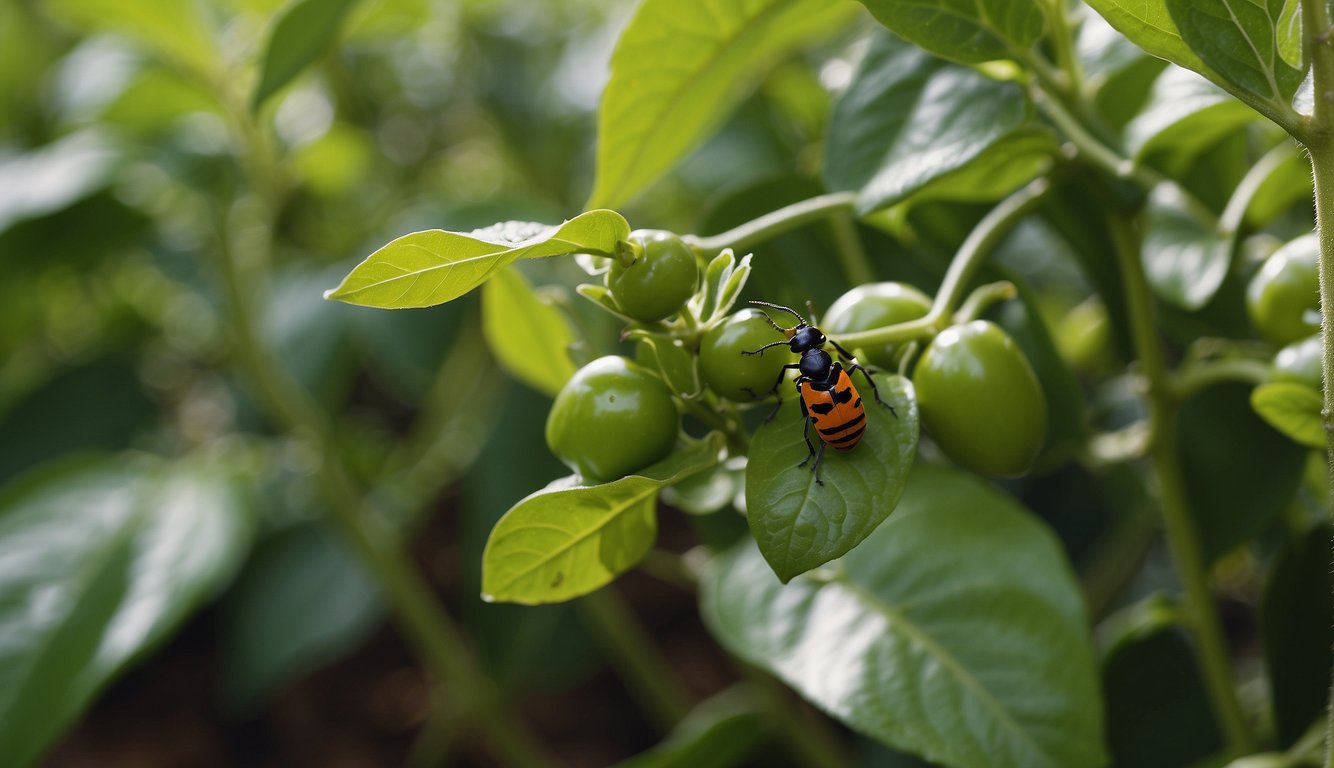
Soil and Environmental Health
As a pepper plant grows, it is important to maintain soil and environmental health to prevent insect infestations. I ensure that the soil is well-draining and that the pepper plants are not overwatered or dehydrated. Overwatering can lead to root rot, which can make the plant more susceptible to insect damage. I also keep the area around the pepper plants free of weeds and debris, which can harbor insect pests.
Regular Inspection and Identification
Regular inspection of the pepper plants is crucial to identify any insect infestations early on. I monitor the plants for signs of insect damage, such as holes in leaves, wilting, or stunted growth. I also check the undersides of leaves for any eggs or larvae.
Integrated Pest Management
Integrated pest management (IPM) is a holistic approach to pest control that uses a combination of preventative measures and targeted treatments. I use IPM to manage insect pests on my pepper plants. This includes using natural predators, such as ladybugs and praying mantises, to control populations of harmful insects. I also use sticky traps to monitor populations of flying insects, such as whiteflies and thrips.
In addition, I use organic insecticides, such as neem oil and insecticidal soap, to control insect pests. These products are safe for the environment and do not harm beneficial insects, such as bees and butterflies. I apply these products according to the manufacturer’s instructions and avoid spraying during the hottest part of the day to prevent plant damage.
Impact of Insects on Pepper Plants’ Yield and Quality
I have come to realize that insects can significantly affect the yield and quality of pepper plants. Insects can cause direct damage to the pepper plant, reduce fruit production, and transmit diseases that cause further damage. Here are some of the ways insects can negatively impact pepper yield and quality:
Effects on Fruit Production
Insects such as aphids, mites, and thrips can cause direct damage to pepper plants, leading to a reduction in fruit production. They feed on the sap of the plant, causing leaves to wilt, turn yellow, or fall off. This can reduce the plant’s photosynthetic ability, leading to a reduction in fruit size and yield. In severe cases, the plant may even die.
Insects can also cause physical damage to the fruit, making it unmarketable. For instance, pepper weevils cause small, round holes in the fruit, while stink bugs cause sunken areas on the fruit’s surface. This can reduce the fruit’s quality and make it unsuitable for sale.
Transmission of Diseases
Insects such as whiteflies, thrips, and aphids can transmit diseases that affect pepper plants. For example, the mosaic virus commonly affects peppers, and aphids transmit it. The virus causes yellowing and mottling of the leaves, stunted growth, and reduced fruit production.
In addition, insects can introduce secondary infections that further damage the plant. Specifically, pepper plants infected with mosaic virus become more susceptible to bacterial spot disease, which causes dark, water-soaked spots on the foliage, flowers, and fruits. As a result, this can lead to fruit rot and a reduction in yield.
Understanding Insect Life Cycles and Behavior – Insects on Pepper Plants
It’s important to understand the life cycles and behavior of insects that can harm your pepper plants. This knowledge can help you take appropriate measures to prevent and control infestations.
Reproduction and Multiplication
Soft-bodied insects, such as aphids, reproduce quickly and can multiply rapidly. Their life cycle consists of several stages, including eggs, nymphs, and adults. Some insects, such as thrips, have a shorter life cycle and can complete several generations in a single growing season.
Feeding Habits and Host Plants
Insects that feed on pepper plants can cause damage in several ways. Some, like aphids, feed on the sap of the plant and can cause deformities in leaves and buds. They also excrete a sugary substance called honeydew, which can attract other insects and lead to the growth of sooty mold.
Other insects, like caterpillars and larvae, can defoliate plants and cause significant damage to young plants. It’s important to note that some insects may hide on the underside of leaves or in other hard-to-see areas, so it’s important to inspect your plants thoroughly.
Additionally, some insects, like the green peach aphid, have wings and can easily spread to other plants in your garden.
Before You Go – Insects on Pepper Plants
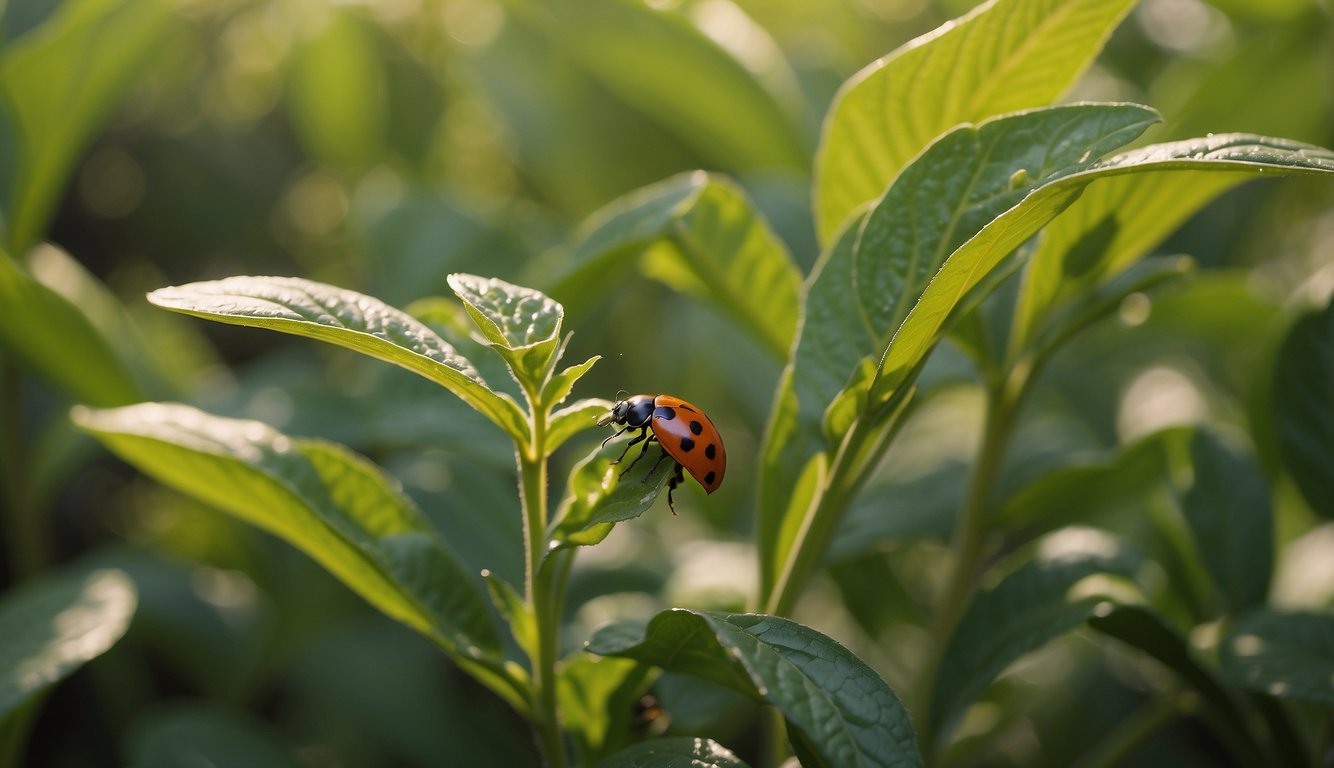
Caring for pepper plants means staying alert to the insects that threaten their growth. Before you go, remember to inspect your plants regularly, remove pests by hand when possible, and encourage beneficial insects that protect your crop naturally. Apply organic sprays or targeted treatments only when necessary, and avoid overusing chemicals that can harm the soil and pollinators.
Stay consistent with watering, fertilizing, and pruning, since healthy plants resist pests more effectively. By combining vigilance with balanced care, you create the best conditions for strong pepper plants and abundant harvests.
Don’t forget to add theherbprof.com homepage to your favourites so you don’t miss out on future articles!
References – Insects on Pepper Plants
Little Herb Encyclopedia, by Jack Ritchason; N.D., Woodland Publishing Incorporated, 1995
The Ultimate Healing System, Course Manual, Copyright 1985, Don Lepore
Planetary Herbology, Michael Tierra, C.A., N.D., Lotus Press, 1988
Handbook of Medicinal Herbs, by James A. Duke, Pub. CRP Second Edition 2007
The Complete Medicinal Herbal, by Penelope Ody, Published by Dorling Kindersley
Check the Following Articles
How to Grow Carrots in a Container? Tips and Tricks
Coffee House Plant: How To Grow And Care
How to Fertilize Tomato Plants? A Comprehensive Guide
No Lemons on My Lemon Tree: Solving The Problem
Frequently Asked Questions – Insects on Pepper Plants
How can I naturally deter pests from my pepper plants?
You can keep pests away from pepper plants with several natural methods. Plant companion crops like basil, marigold, and mint to repel insects. Spray organic solutions such as neem oil, garlic spray, or insecticidal soap to protect the plants. Inspect your peppers regularly and remove diseased or infested leaves to stop pests from spreading.
What are the methods to eliminate white bugs on pepper plants?
Whiteflies or mealybugs often appear as white bugs on pepper plants. Wash them off with a strong stream of water. Apply insecticidal soap or neem oil to reduce their population. Introduce natural predators like ladybugs or lacewings to keep them under control.
How can I identify and treat common pepper plant diseases?
Bacterial spot shows up as yellow and green leaf spots, later turning brown with raised corky marks on peppers. Remove infected leaves and avoid splashing soil onto foliage to stop the spread. Powdery mildew creates a white powdery coating on leaves and stems. Remove affected leaves and apply a fungicide. Blossom end rot causes soft, sunken spots at the blossom end of fruit. Prevent it by keeping soil moisture consistent and adding calcium supplements.
What steps should I take to manage black insects affecting my pepper plants?
Aphids and thrips usually cause black insect infestations on pepper plants. Blast aphids off with water or release ladybugs and lacewings to eat them. Treat thrips with insecticidal soap or neem oil, and remove infected leaves. Act quickly, since both pests reproduce fast and damage plants severely.
How can I help my pepper plants recover from an aphid infestation?
Remove infected leaves and wash aphids off with a strong stream of water. Release ladybugs or lacewings to control their numbers. Monitor your plants closely and respond quickly to prevent further damage.
What could be the cause of holes appearing in the leaves of my pepper plants?
Caterpillars or beetles usually cause holes in pepper leaves. First, pick them off by hand or spray neem oil to control them. Then, plant dill or cilantro nearby to attract parasitic wasps that prey on these pests.