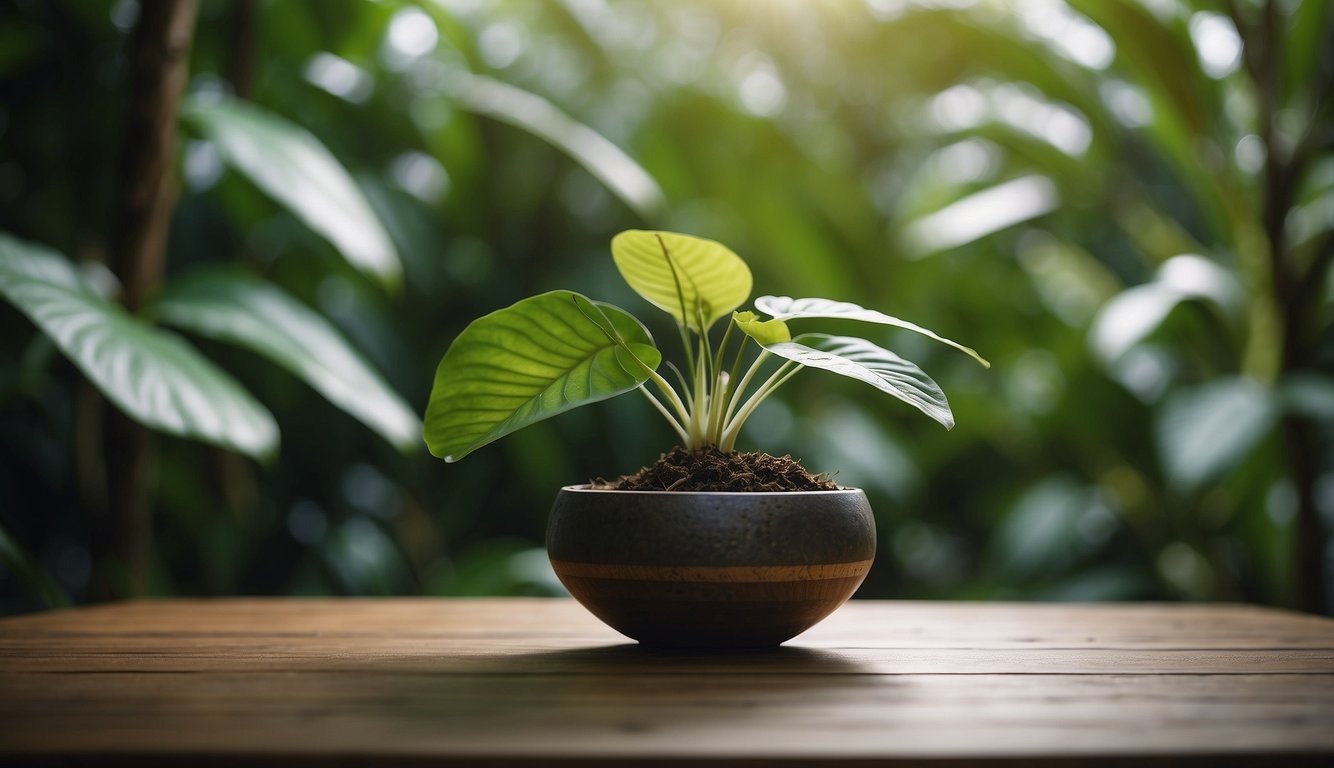
Kava is a plant extract that people in the South Pacific have used for centuries for its medicinal properties. Communities across the region have long praised its calming and relaxing effects, and today it remains a popular remedy for anxiety and stress. Researchers also believe kava provides other health benefits, making it a promising supplement for overall well-being.
One of kava’s most significant benefits lies in its ability to reduce anxiety and promote relaxation. Its active compounds, called kavalactones, interact with receptors in the brain to produce a calming effect. Studies suggest kava can be as effective as prescription anti-anxiety medications, but with fewer negative side effects.
Beyond easing anxiety, kava may offer other potential benefits. Researchers believe it has anti-inflammatory properties, which can help alleviate pain and swelling. Some studies also indicate that kava may have neuroprotective effects, potentially preventing or slowing the progression of certain neurological disorders. Taken together, kava stands out as a natural remedy with wide-ranging potential.
Understanding Kava
As someone who has studied the botanical profile of Piper methysticum, commonly known as Kava, I can confidently say that it is a plant with a rich history and cultural significance in the Pacific Islands. In this section, I will provide an overview of Kava’s historical significance and origin, as well as its botanical profile.
Historical Significance and Origin
Pacific Islanders have used kava for centuries for medicinal, cultural, and social purposes. Historians believe it originated in Vanuatu, a small island nation in the South Pacific Ocean. From there, it spread to other parts of the Pacific, including Hawaii.
Islanders incorporated kava into traditional ceremonies such as weddings and funerals to promote relaxation and social bonding. They also relied on it to treat ailments including anxiety, insomnia, and pain.
Botanical Profile of Piper methysticum
Kava belongs to the pepper family and is also known as Awa. It grows as a tropical evergreen shrub that can reach three meters in height. The plant has heart-shaped leaves and woody stems, but people primarily use the root for medicinal and social purposes.
The root contains kavalactones, the active ingredients responsible for kava’s sedative and anxiolytic effects. These compounds increase the production of gamma-aminobutyric acid (GABA) in the brain, calming the nervous system.
Health Benefits of Kava
Kava, also known as Piper methysticum, is a traditional herbal remedy that has been used for centuries in the South Pacific Islands. It is known for its calming and relaxing properties, making it a popular alternative medicine for those suffering from anxiety, stress, and sleep-related problems. In this section, I will discuss some of the potential health benefits of Kava.
Anxiety and Stress Relief – Kava Benefits
Kava reduces symptoms of anxiety and stress. A randomized controlled trial found that participants who consumed kava experienced greater relief than those who took a placebo. Researchers attribute its anxiolytic effects to its ability to increase GABA activity in the brain.
Sleep Improvement and Insomnia Management
Communities have used kava as a natural remedy for insomnia for centuries. Its sedative properties make it an effective alternative to prescription sleep aids. Studies suggest kava improves sleep quality and reduces stress-induced insomnia, though effectiveness may vary depending on dosage and individual response.
Potential Neuroprotective Effects
Researchers have found evidence that kava may protect the brain. Some studies suggest it slows the progression of neurodegenerative diseases such as Parkinson’s and Alzheimer’s. Scientists believe these effects stem from kava’s ability to boost dopamine levels and reduce inflammation.
Sedative Effects and Relaxation
Kava’s sedative qualities make it useful for easing restlessness, headaches, and stress-related discomfort. Its kavalactones appear to be the key compounds behind these effects. People consume kava in many forms, including tea, capsules, powder, tinctures, paste, and tablets.
Kava has been used as a herbal remedy for centuries due to its potential health benefits. However, it is important to note that Kava may not be suitable for everyone, and it is important to consult with a healthcare professional before using Kava as an alternative medicine.
Kava in Social and Recreational Use
Aside from its medicinal benefits, Kava has a rich history of social and recreational use in Pacific societies. In this section, I will explore the cultural practices surrounding Kava in Pacific societies and its modern recreational use.
Cultural Practices in Pacific Societies
Pacific Islanders have integrated kava into their culture for centuries. They prepare the drink from the root of the plant, which grows natively in Micronesia, Vanuatu, and Fiji. Communities consume kava during social gatherings and ceremonies, often as a sign of respect to high-ranking individuals.
The preparation of kava follows a sacred ritual. The person who prepares the drink, known as the tanoa, holds a respected role in the community. Participants drink from a communal bowl in rounds, reinforcing unity and social bonds.
Modern Recreational Use – Kava Benefits
In recent years, kava has gained popularity in Western societies as a recreational drink. People value its calming and relaxing effects, and many choose it as an alternative to alcohol. Unlike alcohol, kava does not impair cognitive function or cause hangovers.
Kava bars have appeared in Hawaii and other parts of the United States, serving kava-based drinks to patrons. These venues have become popular social hubs for people who want to relax and connect without the negative effects of alcohol.
This modern trend reflects kava’s rich history of social and recreational use in Pacific societies. While the drink has traditionally been consumed for medicinal purposes, its calming effects have also made it a central part of ceremonies and communal gatherings. Today, kava bars continue that tradition in a new context, offering Western consumers a way to socialize and unwind without the drawbacks of alcohol.
Comparative Analysis with Other Remedies
When it comes to managing anxiety and stress, kava has been compared to several other remedies. In this section, I will briefly discuss the comparative analysis of kava with benzodiazepines, valerian root, and alcohol.
Kava vs. Benzodiazepines
Doctors in the United States commonly prescribe benzodiazepines for anxiety and sleep disorders. These medications work effectively, but they often cause side effects such as drowsiness, dizziness, and addiction.
Kava, on the other hand, has proven just as effective as benzodiazepines in managing anxiety, but with fewer side effects. A study published in the Journal of Clinical Psychopharmacology found that kava reduced anxiety symptoms as effectively as benzodiazepines while producing fewer adverse reactions.
Kava and Valerian Root Comparison
Valerian Root is another herbal remedy that is commonly used for anxiety and sleep disorders. While both Kava and Valerian Root are effective in managing anxiety, they work differently. Kava works by promoting relaxation and calmness, while Valerian Root works by increasing GABA levels in the brain, which helps to reduce anxiety. A comparative study published in the Journal of Ethnopharmacology found that Kava was more effective than Valerian Root in reducing anxiety symptoms.
Kava as an Alternative to Alcohol
Many people use alcohol to manage anxiety and stress, but alcohol carries risks such as addiction, liver damage, and impaired judgment. Kava offers a safer alternative. A study published in the Journal of Clinical Psychopharmacology found that kava reduced anxiety symptoms as effectively as alcohol, but without the harmful side effects.
Kava therefore stands as an effective alternative to several remedies for managing anxiety and stress. While it is important to consult a healthcare provider before using kava or any other remedy, comparative analysis suggests that kava may be a safe and effective option for those seeking natural relief.
Lessons from History – Kava Benefits
At the start of 2002, Hawaii’s kava producers enjoyed bright prospects. During the previous decade, the consumer base for kava expanded beyond drinkers of the traditional water-based beverage to include the much larger nutritional supplement market. Doctors in Europe prescribed kava capsules to treat anxiety and insomnia. Statewide farm revenues for kava quadrupled in one year, rising from $120,000 to $585,000.
By year’s end, however, the kava industry collapsed. Officials reported at least 68 suspected cases of kava-linked liver toxicity. Nine patients suffered liver failure, leading to six transplants and three deaths. Governments in Europe, Asia, and North America banned the sale of all kava products. In the United States, the FDA issued warnings, and supplement sales plummeted.
In an article published in Phytochemistry, Prof. C.S. Tang (MBBE), his doctoral student Klaus Dragull, and Mr. Wesley Yoshida (Dept. of Chemistry) characterized several chemical compounds present in above-ground portions of the kava plant but absent from the underground tissues used by traditional kava drinkers. The UH scientists hypothesized that these compounds, called alkaloids in the bark and leaf, may have caused the liver toxicity observed in some supplement users.
This episode underscores the importance of respecting traditional preparation methods. Pacific Islanders consumed kava root safely for centuries, but altering its use by incorporating above-ground plant parts introduced risks that devastated the industry.
Safety and Regulatory Status
As with any supplement or medication, it is important to understand the safety and regulatory status of kava before consuming it. In this section, I will discuss potential liver toxicity and damage, regulations and bans worldwide, and recommended dosage and precautions.
Potential Liver Toxicity and Damage – Kava Benefits
Reports of liver toxicity and damage have raised concerns about kava use. In 2002, the U.S. Food and Drug Administration (FDA) issued a warning about the potential for liver damage from kava consumption. Researchers have not fully explained the mechanism, but many believe it relates to kavalactones.
Not everyone who consumes kava experiences liver damage. However, individuals with pre-existing liver disease or those taking medications that affect the liver should avoid kava. Symptoms of liver damage include loss of appetite, nausea, vomiting, fatigue, dark urine, and yellowing of the skin or eyes.
Regulations and Bans Worldwide
Kava has been banned or restricted in some countries, including Canada, France, Switzerland, and Germany, due to concerns about its potential for liver toxicity. In the United States, kava is legal, but the FDA recommends that people not consume it due to the potential for liver damage.
Recommended Dosage and Precautions
If you choose to consume kava, follow recommended dosage guidelines and take precautions to minimize the risk of liver damage. The FDA advises people not to consume more than 290 milligrams of kavalactones per day and warns against using kava if they have a history of liver disease or take medications that affect the liver.
Researchers emphasize that kava can interact with other medications, particularly those that influence liver function. Doctors recommend that pregnant or breastfeeding individuals avoid consuming kava because no safety data exists for these populations.
Although kava may provide potential benefits, consumers must recognize the risks of liver toxicity and damage, along with existing regulations and dosage recommendations. Health experts stress that, as with any supplement or medication, people should consult a healthcare provider before consuming kava.
Before You Go – Kava Benefits: A Unique Plant with Anxiolytic Properties
Kava is a plant with deep cultural roots and promising health benefits. Its calming, anxiolytic properties make it a valuable natural remedy for stress and anxiety, while its traditional role highlights its importance in Pacific Island societies. At the same time, safety concerns, particularly regarding liver health, remind us that kava must be consumed responsibly and with respect for traditional preparation methods.
If you decide to explore kava, research quality sources, follow dosage guidelines, and consult a healthcare professional when needed. Informed choices are always the best path to wellness, and kava’s long history shows that when used wisely, it can offer both cultural richness and therapeutic potential.
Don’t forget to add theherbprof.com homepage to your favourites so you don’t miss out on future articles!
References – Kava Benefits: A Unique Plant with Anxiolytic Properties
Little Herb Encyclopedia, by Jack Ritchason; N.D., Woodland Publishing Incorporated, 1995
The Ultimate Healing System, Course Manual, Copyright 1985, Don Lepore
Planetary Herbology, Michael Tierra, C.A., N.D., Lotus Press, 1988
Handbook of Medicinal Herbs, by James A. Duke, Pub. CRP Second Edition 2007
The Complete Medicinal Herbal, by Penelope Ody, Published by Dorling Kindersley
Check the Following Articles
Gymnema Sylvestre: Benefits for Sugar Control & Diabetes
Hawthorn Berries: Medicinal Benefits and Herbal Uses
Horseradish: Culinary Delights and Medicinal Traditions
Juniper Berries: Wellness Benefits and Everyday Uses
Frequently Asked Questions – Kava Benefits: A Unique Plant with Anxiolytic Properties
What are the potential health benefits of consuming kava?
Kava has been traditionally used in Pacific cultures to relieve stress and anxiety, promote relaxation, and improve sleep quality. According to a Healthline article, kava may also have potential benefits in reducing symptoms of anxiety, depression, and menopausal mood swings. Additionally, kava may have mild pain-relieving properties.
Can kava consumption lead to liver damage?
There have been reports of liver damage associated with kava consumption, particularly with long-term and high-dose use. However, according to a Medical News Today article, the risk of liver damage may be low if kava is consumed in moderation and from reputable sources. It is important to consult with a healthcare provider before consuming kava, especially if you have a history of liver problems or are taking medications that affect liver function.
Are there any risks associated with daily kava intake?
According to the same Medical News Today article, daily kava intake may increase the risk of adverse effects, such as dry, scaly, and yellowish skin, as well as eye irritation. Additionally, long-term and high-dose kava use may lead to liver damage. It is important to consume kava in moderation and from reputable sources and to consult with a healthcare provider before use.
Does kava have anti-inflammatory properties?
According to a Healthline article, kava may have anti-inflammatory properties. Some studies suggest that kava may reduce inflammation and pain associated with conditions such as arthritis, but more research is needed to confirm these effects.
What are the known side effects of kava?
Kava may cause side effects such as dizziness, headache, drowsiness, and upset stomach. According to a Kava.com FAQ, these side effects are usually mild and go away on their own. However, if you experience severe or persistent side effects, it is important to stop using kava and seek medical attention.
Can consuming kava affect heart health?
There is limited research on the effects of kava on heart health. According to a Kalm with Kava article, some studies suggest that kava may have a mild effect on blood pressure and heart rate, but more research is needed to confirm these effects. It is important to consult with a healthcare provider before consuming kava, especially if you have a history of heart problems or are taking medications that affect heart function.