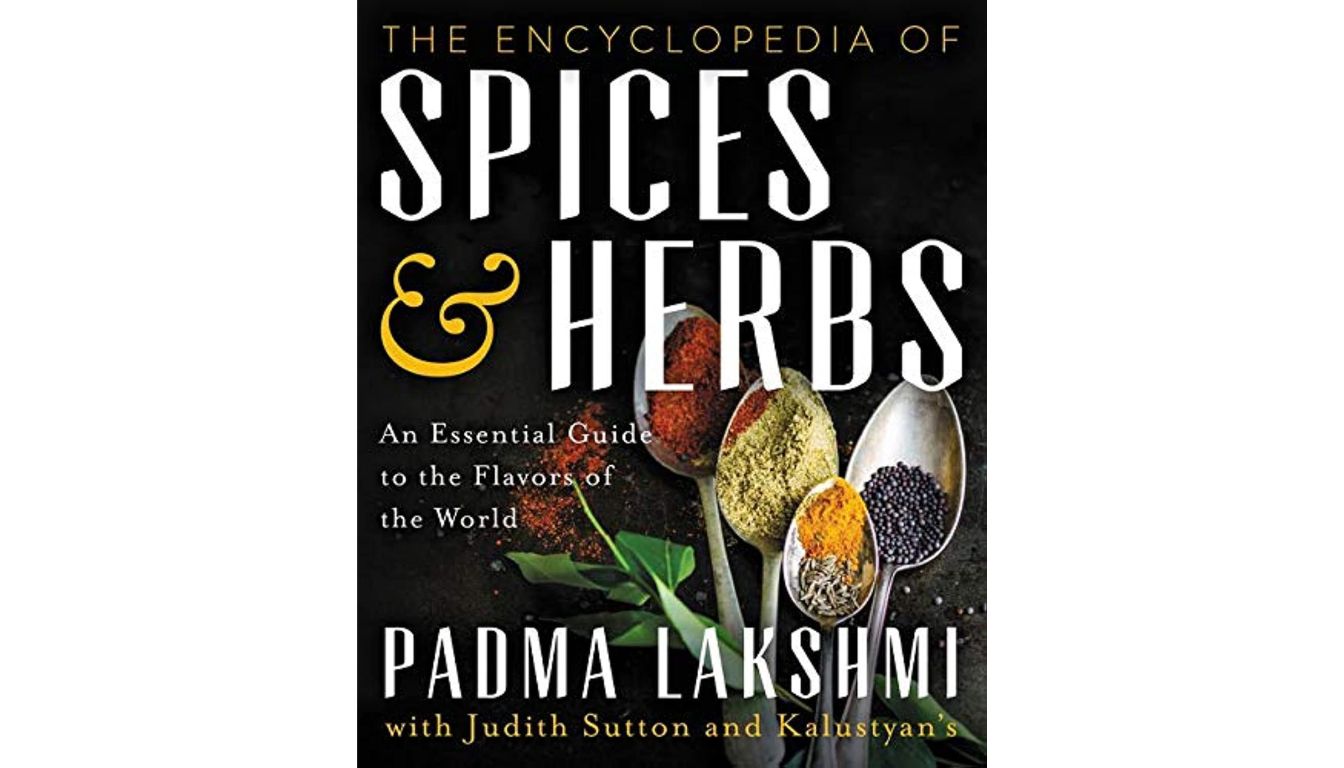
The McCormick Encyclopedia of Spices and Herbs review explores a vibrant and practical resource for culinary enthusiasts. If you’ve ever stood in the spice aisle feeling overwhelmed by unfamiliar names, this reference book might be exactly what you need. We recently spent time with the Encyclopedia of Spices and Herbs, and it proved to be a practical resource for understanding the flavor profiles and uses of ingredients from around the world.
The book takes an alphabetical approach to hundreds of spices and herbs, covering everything from common pantry staples to exotic blends you might encounter in international recipes. Each entry includes botanical names, alternative names, and explanations of how different forms of the spice work in cooking.
What we found most useful was the clear description of each spice’s flavor characteristics and suggested applications. The photos help with identification, which is particularly helpful when shopping at international markets. Some readers mentioned they wished the book included more recipes for spice blends, which is a fair point since it focuses more on education than hands-on mixing instructions.
The compact size makes it easy to keep in the kitchen for quick reference. We appreciated that the information stayed straightforward without getting too technical. When you come across an unfamiliar ingredient in a recipe, this book helps you understand what it brings to the dish and whether you can substitute something else.
Bottom Line – McCormick Encyclopedia of Spices and Herbs Review
This encyclopedia serves as a solid reference for anyone who wants to expand their understanding of spices and herbs. It demystifies unfamiliar ingredients and helps you make informed choices in the kitchen.
Click here and pick up your copy to start exploring the world of flavors with confidence.
Overview of The Encyclopedia of Spices and Herbs
We recently spent time with this comprehensive reference guide and found that it offers exactly what its title promises. The book presents an alphabetical collection of herbs, spices, and blends with botanical names, alternative names, and practical uses for each entry. At 352 pages, it balances being thorough without becoming overwhelming.
The physical book measures a compact 6.5 by 7.81 inches, making it easy to keep on the kitchen counter for quick reference. We appreciated that each entry includes photos and covers both culinary applications and medicinal uses. The straightforward organization means we can quickly look up unfamiliar ingredients when we encounter them in recipes.
One downside we noticed is the lack of blend recipes. While global spice combinations are discussed, you won’t find instructions for making them yourself. The writing stays informative without getting overly technical, which works well for both beginners and experienced cooks who want to expand their spice knowledge.
Comprehensive Global Coverage – Get Yours Here
After spending time with this reference book, I noticed it pulls from culinary traditions spanning multiple continents. The guide covers ingredients used in Asian, European, Middle Eastern, African, and Latin American cooking. We found entries for common items like black pepper alongside lesser-known options such as grains of paradise and sumac.
Each spice and herb gets treatment that includes its origins, flavor profile, and typical uses across different cuisines. The book doesn’t limit itself to Western perspectives, which makes it genuinely useful when we want to understand how the same ingredient functions in various food cultures.
Geographic breadth includes:
- Mediterranean herbs like oregano and thyme
- Asian staples, including star anise and lemongrass
- African spices such as berbere components
- Latin American chilies and epazote
The coverage felt balanced rather than heavily weighted toward any single region. We appreciated learning about regional variations and how certain spices traveled between cultures over time.
User-Friendly A–Z Organization – McCormick Encyclopedia of Spices and Herbs Review
Flipping through this reference book felt natural thanks to its alphabetical layout. We appreciated how quickly we could jump from cardamom to cinnamon without hunting through chapters or consulting an index multiple times. Each entry appears exactly where you’d expect it.
The structure works well for both random browsing and targeted searches. We found ourselves landing on unexpected spices like grains of paradise while looking up more common items like paprika. This organization style makes the book function like a proper encyclopedia rather than a narrative cookbook.
The alphabetical approach does have one minor drawback. Related spices don’t always appear near each other, so you might miss connections between similar ingredients. We occasionally wished for cross-references to discover flavor families more easily.
Practical Uses and Applications – Get Yours Here
We found ourselves reaching for this encyclopedia constantly while meal planning and experimenting in the kitchen. The book works well as a quick reference when you need to understand flavor profiles or find substitutions for unfamiliar ingredients in recipes. We appreciated how it helped us identify which spices pair well together when creating rubs for grilled meats or developing curry blends from scratch.
The guide proved useful for shopping at international markets where we encountered herbs and spices without English labels. We could match descriptions and uses to figure out what we were buying. It also helped us understand the differences between similar items like various types of peppercorns or cinnamon varieties.
The main limitation we noticed was that it doesn’t include specific measurements or recipes, so you’ll need other resources for actual cooking instructions.
Visual Appeal and Book Design – McCormick Encyclopedia of Spices and Herbs Review
Opening this encyclopedia revealed a substantial hardcover with quality paper stock that holds up well to frequent page turning. The layout strikes a practical balance between dense information and readability. We appreciated the clear photography showing each spice and herb, though some images could have been larger for better detail.
The text uses a clean font that makes scanning entries easy. Color coding helps distinguish different sections quickly. Page margins provide enough white space to prevent the content from feeling cramped.
The binding feels durable enough for regular kitchen reference use. We noticed the book stays open on its own when placed flat, which proves helpful when cooking. The dust jacket adds protection but tends to slip off during handling, which became slightly annoying during repeated use.
Perfect for Cooking Enthusiasts – Get Yours Here
We found this reference guide genuinely helpful when experimenting with unfamiliar ingredients in our kitchen. The book organizes spices and herbs alphabetically, making it quick to look up botanical names, alternative names, and practical uses for each ingredient. We appreciated how it explains flavor profiles without getting too technical or overwhelming.
The compact size makes it easy to keep on the counter while cooking. When we encountered a new spice in a recipe, we could flip to the right page and understand what it tastes like and how to use it properly. Some readers noted they wished it included recipes for global spice blends, which would have been a nice addition.
The photographs help identify spices visually, and the medicinal uses add interesting context. We think this works best as a quick reference rather than cover-to-cover reading material.
Pros and Cons – McCormick Encyclopedia of Spices and Herbs Review
After spending time with this reference guide, we found several aspects worth noting before you add it to your kitchen library.
Pros
The alphabetical organization makes finding specific spices incredibly easy. We appreciated how quickly we could look up unfamiliar ingredients when reading through recipes.
Each entry includes botanical names, alternative names, and different forms of the spice. This level of detail helped us understand what we were actually buying at the store.
The photography throughout the book is beautiful and useful for identification. We found ourselves able to recognize spices we’d never worked with before.
The book covers a wide range of herbs, spices, and spice blends from around the world. We learned about ingredients we’d never encountered in our regular cooking.
Medical uses are included for many entries, which adds an extra layer of information. The compact size makes it easy to keep on the counter for quick reference.
The explanations remain simple and clear without overwhelming readers. We could understand the flavor profiles and uses without needing a culinary degree.
Cons
The book doesn’t include recipes for the spice blends it mentions. We found this frustrating when we wanted to recreate a specific blend at home.
Some readers looking for extensive recipes will be disappointed. This focuses on reference information rather than practical cooking applications.
The content stays fairly basic, which might not satisfy readers looking for deep cultural or historical context. We wanted more stories about how these spices are used in their native cuisines.
While the flavor descriptions are helpful, approximating unfamiliar spices requires some guesswork. We would have liked more specific substitution recommendations.
Customer Reviews – Get Yours Here
We noticed this spice encyclopedia receives strong feedback from home cooks who want to expand their culinary knowledge. Readers appreciate the clear explanations of different herbs and spices without overwhelming detail.
The alphabetical format gets praise for making it easy to look up unfamiliar ingredients when following recipes. People find the botanical names and alternative names particularly useful. Several reviewers mention the book works well as a quick reference guide rather than something you read cover to cover.
Common positive points:
- Simple but informative descriptions
- Compact size makes it easy to handle
- Beautiful photos accompany entries
- Helps understand flavor profiles of new spices
The main criticism centers on missing recipes for the global spice blends mentioned in the book. Some readers wished for more practical guidance on creating these blends themselves.
Home cooks serious about expanding their spice knowledge find this reference helpful for everyday cooking.
Before You Go – McCormick Encyclopedia of Spices and Herbs Review
After spending time with this spice and herb guide, we found that it delivers solid value for anyone looking to expand their cooking knowledge. The alphabetical format makes finding information quick and easy. We appreciated the clear explanations of flavor profiles and the inclusion of botanical names and alternative terms.
The book shines as a reference tool when you encounter unfamiliar ingredients in recipes. However, it falls short on one front: global spice blends get discussed, but recipes for making them are missing. This feels like a missed opportunity.
The compact size works well for kitchen use, and the photos add visual appeal. We think this encyclopedia serves home cooks well, especially those who want to understand spices beyond basic usage. It won’t thrill you with stories, but it will inform your cooking decisions with reliable facts.
Don’t forget to add theherbprof.com homepage to your favourites so you don’t miss out on future articles.
References – McCormick Encyclopedia of Spices and Herbs Review
Little Herb Encyclopedia, by Jack Ritchason; N.D., Woodland Publishing Incorporated, 1995
The Ultimate Healing System, Course Manual, Copyright 1985, Don Lepore
Planetary Herbology, Michael Tierra, C.A., N.D., Lotus Press, 1988
Handbook of Medicinal Herbs, by James A. Duke, Pub. CRP Second Edition 2007
The Complete Medicinal Herbal, by Penelope Ody, Published by Dorling Kindersley
Check the Following Articles
Storey BASICS® Herbs for Common Ailments Review
Herb Gardening for Beginners Book Review
Homegrown Herbs: The Ultimate Garden Guide Review
A Handbook of Native American Herbs Review
Frequently Asked Questions – McCormick Encyclopedia of Spices and Herbs Review
What are the primary health benefits of using McCormick spices and herbs?
This book doesn’t focus on McCormick products specifically. The encyclopedia covers spices and herbs from a broader perspective, including their traditional medicinal uses across different cultures.
Many entries note historical applications for various health concerns. The author includes information about how certain spices have been used in traditional medicine for centuries.
However, the book isn’t a medical guide. It presents this information as cultural and historical context rather than verified health advice.
How does McCormick ensure the quality and purity of its spices and herbs?
The encyclopedia isn’t a McCormick publication and doesn’t address this company’s processes. Padma Lakshmi wrote this as an independent reference guide covering spices and herbs globally.
The book focuses on botanical information, flavor profiles, and culinary uses. It doesn’t discuss manufacturing or quality control procedures for any specific brand.
Can you suggest ways to incorporate McCormick spices and herbs into everyday cooking?
The guide excels at explaining how each spice tastes and where it appears in global cuisines. We found the usage notes helpful for understanding which dishes benefit from specific seasonings.
Each entry describes the flavor profile clearly. You’ll learn whether a spice is sweet, bitter, earthy, or sharp before adding it to your food.
The book mentions traditional pairings and regional uses. For example, you’ll discover which spices work well in Indian curries versus Middle Eastern dishes.
Some readers expected more actual recipes. The encyclopedia includes limited recipe content, focusing instead on describing how spices function in cooking. This approach works well as a reference but might disappoint those wanting step-by-step instructions.
What is the shelf life of McCormick spices and herbs, and how should they be stored?
Storage recommendations appear throughout the entries, but aren’t the main focus. The book provides general guidance rather than specific timeframes for different products.
We noticed the encyclopedia prioritizes explaining what forms spices come in. You’ll learn about whole versus ground versions and how processing affects flavor intensity.
The compact size makes it easy to keep in your kitchen for quick reference while cooking. Several people mentioned buying extra copies as gifts because they found it so useful.
Are there any new and exotic spices and herbs introduced by McCormick in the market?
This encyclopedia covers traditional and lesser-known spices from around the world. The selection isn’t tied to what any particular company sells.
We appreciated discovering spices we’d never heard of before. The alphabetical organization makes it simple to look up unfamiliar ingredients when you encounter them in recipes.
Each entry includes botanical names and alternative names used in different regions. This detail helps when shopping at international markets where the same spice might have multiple labels.
The photography throughout the book helps with identification. Beautiful images accompany many entries, showing what the whole and ground forms look like.
How does the McCormick Encyclopedia of Spices and Herbs serve as a guide for culinary enthusiasts?
The title might confuse, but McCormick isn’t the publisher or sponsor. Padma Lakshmi created this as a comprehensive reference work published by Ecco in 2016.
The 352-page guide organizes everything alphabetically for easy navigation. When you find an unfamiliar spice in a recipe, you can quickly look it up and understand its role.
We found the book strikes a good balance between being informative and accessible. The writing stays simple without dumbing down the content. Each entry delivers practical information about flavor, forms, and culinary applications.
The small dimensions (6.5 by 7.81 inches) make it physically manageable. You can hold it comfortably while standing at the counter or flip through it without needing much space.
One limitation is the lack of spice blend recipes. The book discusses global spice combinations but doesn’t provide formulas for recreating them at home. This gap disappointed some readers who wanted to make their own versions of regional blends.
The encyclopedia works best as a flavor reference and cultural guide. It helps you understand what you’re working with rather than telling you exactly what to do with it. This approach suits experienced cooks who need information to make their own decisions.
The high rating reflects its utility as a kitchen reference. People consistently mention keeping it nearby while cooking for quick consultations about unfamiliar ingredients.