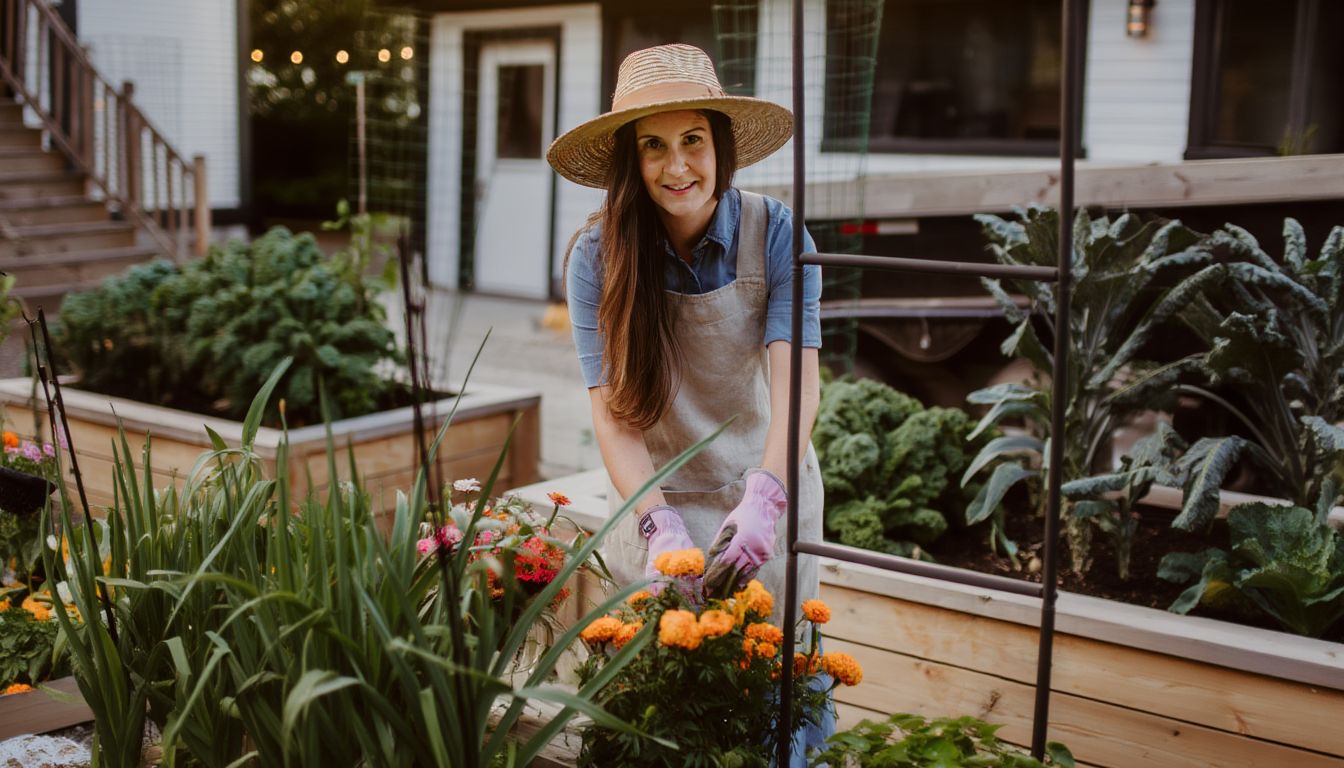
If you’re looking to add some color and beneficial flowers to your vegetable garden, planting marigolds is a great option. Marigolds are easy to grow and attract pollinators like bees and butterflies. Not only do they add a pop of color to your garden, but they also have several benefits for your vegetables.
One of the benefits of planting marigolds in your vegetable garden is companion planting. Marigolds are known to repel pests such as nematodes, whiteflies, and beetles, which can damage your vegetables. They also attract beneficial insects such as ladybugs and hoverflies, which can help control pests in your garden. Additionally, marigolds are believed to improve the flavor of certain vegetables such as tomatoes and peppers.
Benefits of Planting Marigolds in Vegetable Gardens
I have found that planting marigolds in my vegetable garden has several benefits. Here are some of the advantages of planting marigolds in your vegetable garden:
Pest Control Advantages – Planting Marigolds in a Vegetable Garden
Marigolds are known for their pest control properties. They contain natural chemicals that repel pests such as aphids, whiteflies, and nematodes. According to Rural Sprout, marigolds release a chemical called alpha-terthienyl, which is toxic to nematodes. Planting marigolds around your vegetable garden can help prevent nematodes from attacking your crops.
Soil Health and Nematode Management
Marigolds also have a positive effect on soil health. Their roots release a chemical that helps to suppress harmful soil-borne pathogens, including nematodes. Planting marigolds in your vegetable garden can help to manage nematode populations and improve soil health.
Pollination and Beneficial Insects
Marigolds attract pollinators such as bees, butterflies, and hoverflies to your vegetable garden. These insects help to pollinate your crops, which can increase yields.
Additionally, marigolds also attract beneficial insects such as ladybugs and lacewings, which feed on harmful pests like aphids. According to Gardening Chores, marigolds can also be used as a trap crop to attract pests away from your vegetable plants.
Aesthetic and Companion Benefits
Marigolds are not only beneficial for pest control and soil health, but they also add beauty to your vegetable garden. They come in a variety of colors and can be used to create a colorful border or as a backdrop for your vegetables. Marigolds also make great companion plants for vegetables such as tomatoes, peppers, and eggplants. They can help to repel pests and attract beneficial insects to your garden.
Choosing the Right Marigold Varieties – Planting Marigolds in a Vegetable Garden
When it comes to selecting the right marigold varieties to plant in your vegetable garden, there are a few factors to consider. Here are some options to choose from:
French vs African Marigolds
French marigolds (Tagetes patula) grow smaller and more compact than African marigolds (Tagetes erecta). They fit perfectly in smaller garden beds or containers. French marigolds bloom in various colors, adding vibrant beauty to your garden. Gardeners also enjoy their edible flowers, which add color and flavor to salads.
African marigolds grow larger and taller than French marigolds. They thrive best in bigger garden beds or borders. African marigolds display shades of yellow, orange, and red, and gardeners recognize them for their strong fragrance.
Signet Marigolds and Other Varieties
Another option to consider is signet marigolds (Tagetes tenuifolia). These marigolds are smaller than French marigolds and have a delicate, fern-like foliage. They are perfect for edging, containers, or small spaces. Signet marigolds come in shades of yellow and orange and are also edible.
Other marigold varieties to consider include:
- Gem marigolds (Tagetes tenuifolia ‘Gem’) – small, compact, and perfect for edging
- Lemon gem marigolds (Tagetes tenuifolia ‘Lemon Gem’) – yellow flowers and lemon-scented foliage
- Mexican marigolds (Tagetes lucida) – used in traditional medicine and as a culinary herb
Preparing the Garden for Marigolds
As I prepare my vegetable garden for planting marigolds, I make sure to take the necessary steps to ensure that the soil is healthy and the location is ideal. Here are some tips on how to prepare your garden for marigolds:
Soil Preparation and pH – Planting Marigolds in a Vegetable Garden
Marigolds grow best in well-draining soil with a pH level between 6.0 and 7.0. Before planting, I test the soil pH level using a soil testing kit. If the pH level is too low, I add lime to raise it. If the pH level is too high, I add sulfur to lower it.
In addition to pH level, I also make sure to amend the soil with organic matter such as compost or aged manure. This helps to improve soil structure, increase water retention, and provide nutrients for the marigolds.
Sunlight and Location
Marigolds thrive in full sun, so I choose a location in my garden that gets at least 6 hours of direct sunlight each day. I also make sure to plant marigolds away from taller plants that may shade them.
When planting marigolds, I space them about 8-12 inches apart to allow for proper air circulation and growth. I also make sure to plant them at the same depth as they were in their original container or seed packet.
How to Plant Marigolds in Your Vegetable Garden
Marigolds are a great addition to any vegetable garden. They are easy to grow, low maintenance, and provide many benefits such as attracting beneficial insects and repelling harmful pests. In this section, I will discuss the timing and frost considerations, sowing seeds vs planting seedlings, and spacing and arrangement in vegetable beds.
Timing and Frost Considerations – Planting Marigolds in a Vegetable Garden
Marigolds are a warm-weather plant and should be planted after the last frost date in your area. In most regions, this is around mid to late spring. It is important to wait until the threat of frost has passed before planting marigolds, as they are sensitive to cold temperatures.
Sowing Seeds vs Planting Seedlings
Marigolds can be grown from seeds or seedlings. Sowing seeds directly into the garden is a cost-effective option, but it takes longer for the plants to mature. Planting seedlings is a faster way to get mature plants, but it can be more expensive.
If you choose to sow seeds, plant them about an inch deep and one inch apart. Water the seeds to jumpstart germination. Expect marigold seeds to sprout within a week, with most varieties blooming in as little as two months!
Spacing and Arrangement in Vegetable Beds
Marigolds should be planted in a sunny location with well-draining soil. They prefer soil with a neutral pH level (6.0 to 7.0). When planting marigolds, space them about nine inches apart to allow ample space for mature plants to grow. Marigolds can be planted in rows or in clusters throughout the vegetable garden. They also make great borders for vegetable beds.
Marigold Care and Maintenance – Planting Marigolds in a Vegetable Garden
I have found that marigolds are easy to grow and maintain. Here are a few tips on how to care for and maintain your marigold plants.
Watering and Fertilizing
Marigolds do not require a lot of water, but they do need consistent moisture. It is recommended to water them deeply once a week, rather than giving them frequent shallow waterings. Overwatering can lead to root rot, so be careful not to water them too much.
When it comes to fertilizing, marigolds are not heavy feeders. Adding compost to the soil before planting should provide enough nutrients for the plant. If you feel the need to fertilize, use a balanced fertilizer once a month. Be sure to follow the instructions on the package, as over-fertilization can lead to fewer blooms.
Deadheading and Pruning
Deadheading is the process of removing spent blooms from the plant. This encourages the plant to produce more flowers. Marigolds do not require deadheading, but if you remove the faded blossoms, it will promote more blooms and extend the flowering season.
Pruning is another way to encourage bushier growth and more blooms. Pinching back the early flower buds will help your marigold plant promote more branches. This will prevent the plant from becoming leggy and encourage more blooms.
Managing Pests and Diseases
Marigolds are generally pest-free, but they can be susceptible to spider mites, aphids, and whiteflies. If you notice these pests on your plants, try spraying them with a mixture of water and dish soap. You can also use neem oil or insecticidal soap to control these pests.
Diseases such as powdery mildew and bacterial leaf spot can affect marigold plants. To prevent these diseases, avoid overhead watering and ensure proper air circulation around the plants. If you notice signs of disease, remove the affected leaves or plants immediately to prevent the spread.
Best Companion Plants for Marigolds

As an avid gardener, I practice companion planting to maximize the productivity of my vegetable garden. By planting certain crops together, I create a mutually beneficial environment that repels pests, improves soil quality, and increases yields. One excellent companion plant for vegetables is the marigold.
Tomatoes and Marigolds
Tomatoes and marigolds are a great pairing. Marigolds can help to repel harmful nematodes that attack tomato plants, while also attracting beneficial insects like ladybugs and lacewings that prey on pests like aphids and whiteflies. I like to plant marigolds around the perimeter of my tomato beds, as well as in between the tomato plants themselves.
Beans, Squash, and Other Companions – Planting Marigolds in a Vegetable Garden
Marigolds are also a great companion plant for beans, squash, and other vegetables. They can help to repel pests like beetles and aphids, while also improving soil quality by suppressing weeds and adding nutrients as they decompose. I like to plant marigolds in between rows of beans and squash, as well as around the perimeter of my vegetable garden.
Other vegetables that pair well with marigolds include broccoli, carrots, cucumbers, kale, lettuce, onions, potatoes, and radishes. By planting marigolds alongside these vegetables, you can create a healthy and productive garden that is less susceptible to pests and diseases.
Avoiding Unfavorable Pairings
While marigolds are a great companion plant for many vegetables, there are some pairings that should be avoided.
For example, marigolds can stunt the growth of pole beans, so it’s best to avoid planting them together. Similarly, marigolds should not be planted near plants in the Brassica family, like cabbage and broccoli, as they can attract pests like cabbage worms and aphids.
Harvesting and Utilizing Marigolds
Marigolds are not only a beautiful addition to a vegetable garden, but they also have many uses beyond just being ornamental. In this section, I will cover how to collect seeds for next season, the edible uses and medicinal properties of marigolds, as well as non-culinary uses of marigolds.
Collecting Seeds for Next Season
One of the benefits of planting marigolds in your vegetable garden is that they produce a lot of seeds. Collecting the seeds is easy and a great way to save money on buying new seeds every year. Simply wait until the flower heads have dried up and turned brown. Then, cut off the heads and place them in a paper bag. Shake the bag to release the seeds, and then store them in a cool, dry place until next season.
Edible Uses and Medicinal Properties – Planting Marigolds in a Vegetable Garden
Marigolds are not only beautiful, but they are also edible. The petals of marigolds can be used in salads or as a garnish for soups and stews. They have a slightly bitter taste, but they add a nice pop of color to any dish.
Marigolds also have medicinal properties. They have been used for centuries to treat a variety of ailments, including digestive issues, skin problems, and even menstrual cramps. However, it is important to note that you should always consult with a doctor before using marigolds for medicinal purposes.
Non-Culinary Uses of Marigolds
Marigolds have many non-culinary uses as well. The seeds of marigolds can be used to make fabric dye. The essential oil of marigolds is also used in perfumes and other fragrances. Additionally, marigolds are often used in landscaping and as a natural pest control. They are known to repel insects such as mosquitoes and aphids, making them a great addition to any garden.
Before You Go – Planting Marigolds in a Vegetable Garden

Marigolds do more than brighten your garden, they protect it. By planting marigolds alongside your vegetables, you create a natural barrier against pests like nematodes, aphids, and whiteflies. Their vibrant blooms attract beneficial insects, improve pollination, and add a cheerful touch to your growing space.
Before you go, remember to choose the right marigold varieties for your garden, French marigolds work best for pest control, while African marigolds offer bold color and height. Space them thoughtfully, water consistently, and enjoy the dual benefits of beauty and protection. With marigolds in your vegetable garden, you’re not just planting flowers, you’re planting resilience.
Don’t forget to add theherbprof.com homepage to your favourites so you don’t miss out on future articles!
References – Planting Marigolds in a Vegetable Garden
Little Herb Encyclopedia, by Jack Ritchason; N.D., Woodland Publishing Incorporated, 1995
The Ultimate Healing System, Course Manual, Copyright 1985, Don Lepore
Planetary Herbology, Michael Tierra, C.A., N.D., Lotus Press, 1988
Handbook of Medicinal Herbs, by James A. Duke, Pub. CRP Second Edition 2007
The Complete Medicinal Herbal, by Penelope Ody, Published by Dorling Kindersley
Check the Following Articles
Can You Grow Blueberries in Containers?
Why Use Raised Garden Beds: All You Need To Know
Jade Pruning: How to Properly Trim Your Jade Plant
Ollas Irrigation: An Ancient Method for Watering Plants
Frequently Asked Questions – Planting Marigolds in a Vegetable Garden
How do marigolds contribute to pest control in vegetable gardens?
Marigolds repel a variety of pests such as nematodes, aphids, and whiteflies. They release a strong scent that drives these pests away and makes it harder for them to locate vegetables. Marigolds also produce thiophenes, a compound that kills certain pests.
Which marigold varieties are most suitable for interplanting with vegetables?
Gardeners often choose French marigolds (Tagetes patula) and Mexican marigolds (Tagetes erecta) for interplanting with vegetables. French marigolds grow compactly and produce abundant flowers, while Mexican marigolds grow taller and display large, showy blooms.
What benefits do marigolds offer when planted alongside tomatoes?
Tomatoes attract pests such as whiteflies and nematodes, but marigolds planted nearby repel them. This protection helps tomatoes grow healthier and produce higher yields. Marigolds also attract beneficial insects like ladybugs and lacewings, which feed on pests and strengthen the garden ecosystem.
Can marigolds have a detrimental effect on certain vegetables when planted together?
Marigolds generally benefit most vegetables when planted together. However, some gardeners report that marigolds inhibit the growth of beans and cabbage. If you plant marigolds with these vegetables, monitor their growth closely and adjust your planting strategy if needed.
What should be done with marigold plants at the end of the growing season?
At the end of the growing season, remove marigold plants from the garden and add them to the compost pile. You can also let them self-seed, which produces new plants the following season.
What is the ideal location for marigolds within a vegetable garden layout?
Plant marigolds throughout the vegetable garden, especially in areas where pest control matters most. Arrange them in rows alongside vegetables or in clusters across the garden. Space the plants adequately to allow air circulation and prevent overcrowding.