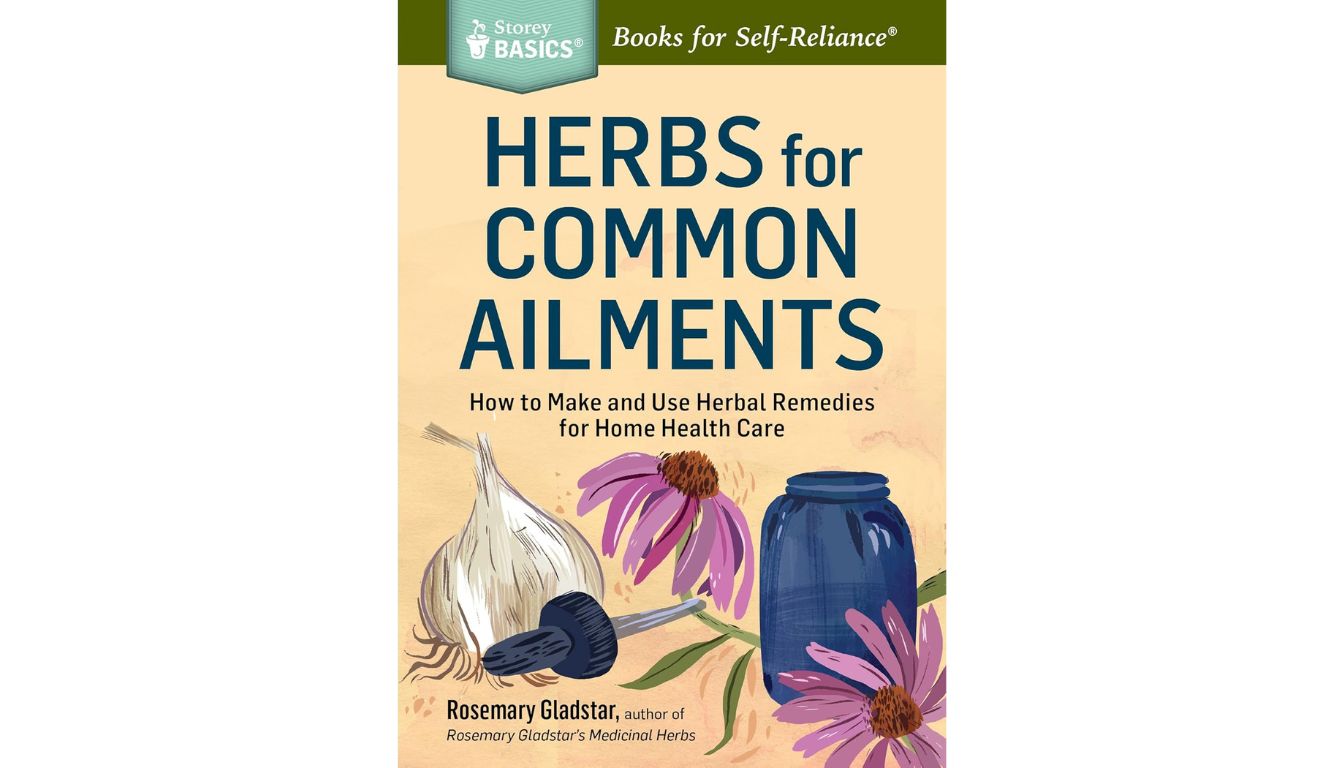
The Storey BASICS® Herbs for Common Ailments review highlights a trusted resource for natural home health care. Looking to explore natural remedies for everyday health concerns? We’ve spent time with this practical guide from Rosemary Gladstar, and it delivers solid information without overwhelming you with unnecessary details.
The book packs essential knowledge about making herbal remedies into a compact format that’s easy to navigate. It covers tinctures, syrups, teas, and salves with straightforward instructions that actually make sense when you’re standing in your kitchen.
At 128 pages, this guide gets right to the point. You won’t find filler content here, just practical recipes and herb profiles that beginners can understand. The compact size makes it convenient to keep in your kitchen or on a shelf where you can grab it quickly.
We noticed the book works well as a starting point for people new to herbalism. The format is simple to follow, with clear explanations of how to prepare different types of remedies. Several readers mentioned using the recipes successfully.
The downside is that the physical quality doesn’t match the content value. Some found the print quality basic for the price, and the small size means less detailed information compared to larger herbal guides. If you already own other books by this author, you might find some repeated recipes.
Bottom Line – Storey BASICS® Herbs for Common Ailments Review
This guide offers a solid introduction to making herbal remedies at home without complicated instructions or confusing terminology. It’s particularly useful if you’re just starting your journey into natural health care and need clear, actionable information.
Ready to start creating your own herbal remedies? Click here to get your copy and begin learning practical skills for home health care.
Overview of Herbs for Common Ailments – Get Yours Here
This Storey BASICS guide covers practical remedies for everyday health concerns using plants you can grow or buy. We found the book focuses on accessible treatments rather than exotic ingredients.
The content walks through preparations for issues like colds, digestive troubles, and minor skin problems. Each remedy includes clear instructions for making teas, salves, and tinctures at home.
What worked well:
- Simple recipes that don’t require special equipment
- Straightforward explanations of how each herb works
- Practical safety information is included with each remedy
What could be better:
- Some herb sourcing details felt vague for beginners
- Limited coverage of more serious conditions
We appreciated that the book stays grounded in traditional uses without making excessive health claims. The compact format makes it easy to reference when you actually need a remedy, though we wish for more photos of the finished preparations.
Accessible Remedies for Everyday Health – Storey BASICS® Herbs for Common Ailments Review
When minor health issues pop up, having practical solutions at your fingertips feels reassuring. This Storey BASICS guide walks you through creating herbal remedies using ingredients you can actually find and afford. We appreciated how the book breaks down each remedy into simple steps without assuming you already know botanical terminology.
The instructions felt approachable for beginners while still offering enough detail to be useful. We found the home health care focus particularly practical since it addresses common problems like headaches, digestive troubles, and sleep issues. The book doesn’t promise miracle cures, which we respected.
One drawback is that sourcing certain herbs might require visiting specialty stores or ordering online. Still, many remedies use familiar plants that grow in typical gardens or are available at grocery stores.
Step-By-Step Preparation Instructions – Get Yours Here
Getting started with your own herbal remedies requires some basic setup work. We found that gathering all materials beforehand made the process much smoother than scrambling mid-recipe.
Basic preparation steps include:
- Measuring dried herbs accurately with a kitchen scale
- Sterilizing jars and containers in boiling water
- Preparing carrier oils or alcohol bases, depending on the remedy type
- Labeling everything with dates and ingredients
The book walks through each remedy with clear directions that we could follow without confusion. We appreciated that it specified exact quantities rather than vague measurements. Some preparations take weeks to infuse properly, so we learned to plan for tinctures and oils.
Storage containers need to be clean and dry before use. We kept our workspace organized by laying out ingredients in order of use, which prevented mistakes when working with multiple herbs.
User-Friendly Organization – Storey BASICS® Herbs for Common Ailments Review
The layout makes finding what you need straightforward and fast. We appreciated how the book groups remedies by common health issues rather than just listing herbs alphabetically. When we wanted to address a specific ailment, we could flip directly to that section without searching through dense botanical descriptions.
The format keeps things practical with clear instructions for making tinctures, syrups, and salves. Each remedy includes simple directions that don’t require specialized knowledge. We found the compact size convenient for keeping on a shelf within easy reach.
What works well:
- Health concerns are grouped logically
- Recipes are easy to follow
- Compact format doesn’t take up much space
The smaller page size does mean less content overall. Some readers noted that the book feels basic if you already own comprehensive herbal guides. We noticed certain recipes overlap with other titles from the same author.
Comprehensive Coverage of Herbal Applications – Get Yours Here
The book tackles a wide range of health concerns that come up in everyday life. We found that it addresses everything from digestive issues and skin problems to respiratory conditions and stress management. Each ailment gets practical attention with specific herbs and preparation methods explained in accessible terms.
What impressed us most was how the guide connects individual herbs to multiple uses. The author shows you how one plant might help with several different conditions, which makes building a basic herbal medicine cabinet much more practical.
The remedies span simple teas and infusions to salves and tinctures. We appreciated that the instructions assume no prior knowledge, walking you through each preparation step. Some sections felt brief on certain conditions, but the essentials are all there for getting started with home herbal care.
Quality of Illustrations and Layout – Storey BASICS® Herbs for Common Ailments Review
The book takes a practical approach with its visual presentation. We found black and white illustrations throughout, which serve their purpose for identifying herbs and understanding preparation techniques. The photos aren’t in color, which some readers might miss when trying to identify plants accurately.
The layout works well for quick reference. We could easily flip to specific ailments or remedies without getting lost in dense text blocks. The format is compact and straightforward, making it simple to find what we needed in the moment.
One trade-off became apparent: the smaller size keeps everything portable but means less detailed imagery. The print quality felt adequate rather than premium, which matched the book’s practical focus over aesthetic appeal.
Pros and Cons – Get Yours Here
After spending time with this compact guide, we found that it delivers practical value for anyone starting their herbal remedy journey.
Pros
The book gets straight to the point without unnecessary filler. We appreciated how quickly we could find what we needed and start making remedies the same day.
Instructions for creating tinctures, syrups, and salves are clear and easy to follow. The format makes it simple to jump between sections when we need to reference different preparation methods.
Rosemary Gladstar’s expertise shines through in the straightforward explanations. We found the recipes worked well and used ingredients that didn’t require hunting down obscure supplies.
The compact size means we could keep it in the kitchen while working on preparations. This proved more convenient than lugging around a heavy reference book.
Price point is reasonable for the amount of useful information included. We got good value considering how often we referenced it during our first few months of making remedies.
Cons
The book is smaller than we expected when it arrived. Physical size and page count might disappoint if you’re looking for an extensive reference guide.
Print quality feels basic for the cost. The pages and binding seem like they could wear out faster than other books on our shelf.
Photos are limited or absent depending on which edition you get. We would have benefited from more visual guides when identifying herbs or checking if our preparations looked correct.
Content overlaps significantly with other Gladstar books if you already own them. We noticed many identical recipes between this and her other titles, which felt redundant.
Information depth is intentionally brief. Those wanting detailed botanical knowledge or advanced techniques will need to supplement with additional resources.
Customer Reviews – Storey BASICS® Herbs for Common Ailments Review
Readers consistently praise this guide for its practical approach and accessible format. We noticed many people appreciate how quickly they can find what they need without wading through unnecessary details. The straightforward recipes get high marks from those who want to start making remedies right away.
Several reviewers mention that this book works well as a compact reference that covers the basics without overwhelming beginners. Some experienced herbalists note the content overlaps with other Rosemary Gladstar titles, particularly her Vibrant Health book. A few readers wished for better print quality and more comprehensive information, given the price point.
The consensus shows this works best for newcomers to herbal medicine or those wanting a portable reference. People value the clear instructions for making tinctures, syrups, and salves alongside the herb profiles.
Ideal Audience and Use Cases – Get Yours Here
After working with this guide, we found that it serves beginners looking to start making simple herbal remedies at home. The compact format works well for people who want basic information without feeling overwhelmed by lengthy herbalism texts.
Parents interested in natural health care options can benefit from the straightforward recipes for common issues like colds and minor scrapes. We appreciated how the book covers preparation methods for tinctures, teas, and salves without requiring advanced skills.
However, experienced herbalists might find the content repetitive if they already own other books by the same author. The small size makes it portable for quick reference, though some readers may wish for more detailed information and better photo quality given the price point.
Before You Go – Storey BASICS® Herbs for Common Ailments Review
After spending time with this compact guide, we found that it delivers solid foundational knowledge without overwhelming beginners. The book excels at teaching practical preparation methods for tinctures, syrups, and salves in a format that’s easy to reference quickly.
We appreciated the straightforward organization and actionable recipes that actually work for home health care. The small size makes it portable, though some might find the print quality underwhelming for the price point.
If you already own other books by this author, particularly the more comprehensive herbal recipe collection, you’ll notice significant overlap in content. For newcomers to herbalism, this serves as an excellent starting point with just enough information to get you making remedies confidently. Veterans might want to skip it unless they need a condensed reference guide.
Don’t forget to add theherbprof.com homepage to your favourites so you don’t miss out on future articles.
References – Storey BASICS® Herbs for Common Ailments Review
Little Herb Encyclopedia, by Jack Ritchason; N.D., Woodland Publishing Incorporated, 1995
The Ultimate Healing System, Course Manual, Copyright 1985, Don Lepore
Planetary Herbology, Michael Tierra, C.A., N.D., Lotus Press, 1988
Handbook of Medicinal Herbs, by James A. Duke, Pub. CRP Second Edition 2007
The Complete Medicinal Herbal, by Penelope Ody, Published by Dorling Kindersley
Check the Following Articles
Tomatoes and Herb Gardening 2 Books in 1 Review
The Homesteader’s Herbal Companion Guide Review
Storey BASICS Herbs for Children’s Health Guide Review
The Way of Herbs: Fully Updated Herbal Guide Review
Frequently Asked Questions – Storey BASICS® Herbs for Common Ailments Review
What are the primary benefits of using herbs for common ailments as suggested in the Storey BASICS® series?
This guide offers practical knowledge for addressing everyday health concerns without needing to navigate complex medical terminology. We found the straightforward approach particularly useful for beginners who want to create simple remedies at home.
The book teaches you how to make tinctures, teas, syrups, and salves using ingredients you can grow or purchase locally. Cost savings become apparent quickly when you prepare these remedies yourself instead of buying commercial products.
We appreciated how the format gets straight to the point without unnecessary filler. The compact size makes it easy to reference when you need quick information about preparation methods.
Can you identify the top herbs for addressing specific common health issues?
The book covers essential herbs organized by their practical applications rather than alphabetically. We found this arrangement helpful when looking for solutions to specific problems.
Each herb entry explains what conditions it addresses and how to prepare it properly. The recipes focus on accessible ingredients that don’t require specialized equipment or hard-to-find materials.
While the book doesn’t include colored photographs like some larger herbal guides, the descriptions provide enough detail to identify and use each plant. We noticed the emphasis stays on commonly available herbs rather than exotic varieties.
How does traditional herbal medicine compare with modern pharmaceuticals in the treatment of everyday illnesses?
The author presents herbal remedies as options for minor ailments and general wellness support. We appreciated that the book doesn’t make exaggerated claims about replacing medical treatment.
These preparations work differently from pharmaceuticals because they contain multiple compounds that act together. The effects tend to be gentler and may take longer to notice compared to synthetic medications.
We observed the book positions herbal medicine as complementary to conventional care rather than opposing it. The focus remains on simple home health support for non-emergency situations.
Are there any potential risks or side effects associated with using herbs for medicinal purposes?
The guide includes important safety information for each herb discussed. We found this crucial because even natural substances can cause reactions in certain situations.
Some herbs interact with prescription medications or may not be appropriate during pregnancy. The book addresses these concerns directly rather than glossing over them.
We noted that the author emphasizes starting with small amounts when trying new herbs. This cautious approach helps identify any sensitivities before using larger doses.
What are the best practices for sourcing and preparing herbs to ensure their medicinal effectiveness?
The book explains different preparation methods, including infusions, decoctions, and extractions. We learned that each method extracts different plant compounds depending on the technique used.
Quality starts with proper sourcing, whether you grow herbs yourself or purchase them. The guide covers storage considerations to maintain potency over time.
We found the preparation instructions clear and easy to follow without specialized training. The recipes use standard kitchen equipment rather than requiring investment in professional tools.
How does one determine the appropriate dosage of herbal remedies for various common ailments?
The book provides specific measurements for each preparation type. We appreciated the practical guidance on how much to use and how often to take it.
Dosage recommendations account for different preparation strengths since a tea contains less concentrated material than a tincture. The guide explains these differences clearly.
We noticed the emphasis on observing how your body responds and adjusting accordingly. The author encourages keeping notes about what works well for your individual needs.
The compact format means dosage information stays concise rather than covering every possible variation. This works well for common situations but may leave you wanting more detail for unusual circumstances.