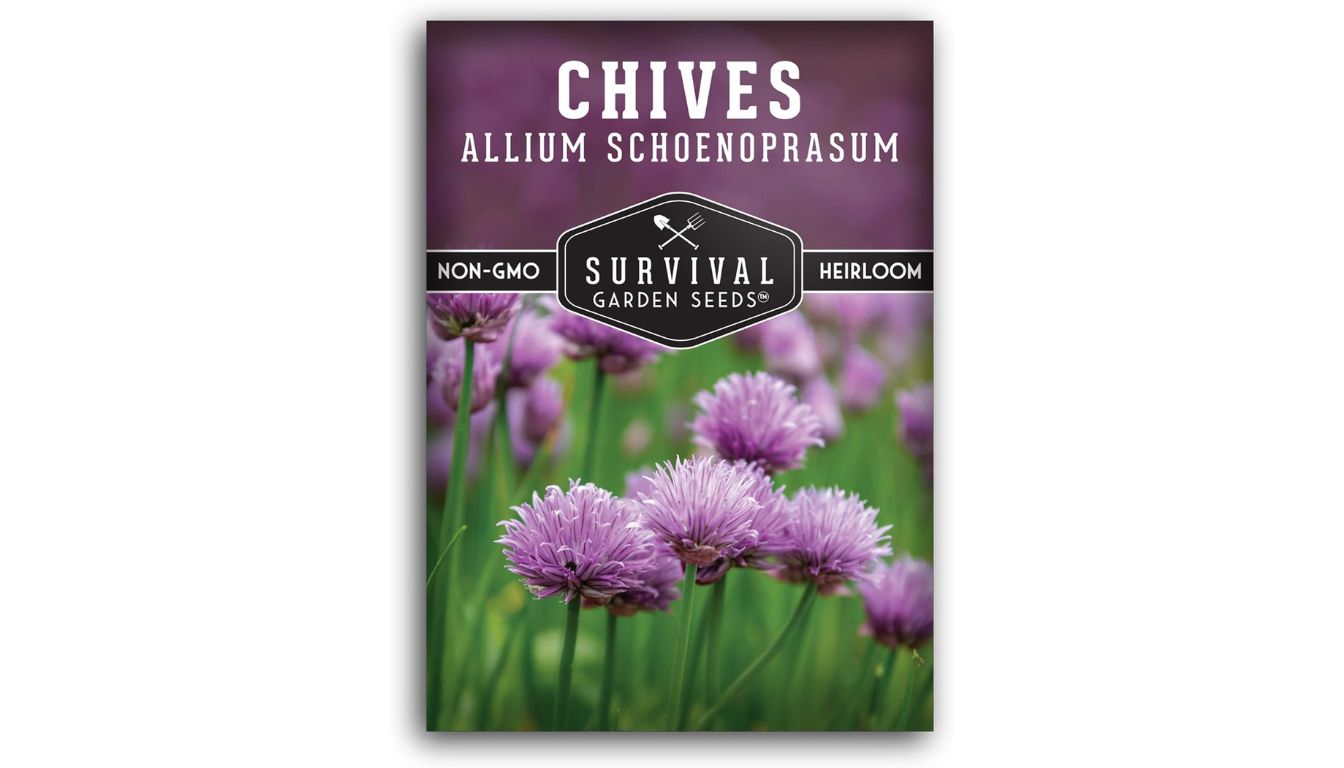
We recently tested these common chive seeds from Survival Garden Seeds, and the results were mixed. The company promises high germination rates and heirloom quality, but our experience lined up with what many other gardeners have reported. Survival Garden Seeds Chive Seeds for Planting review notes that these seeds take their sweet time to sprout, sometimes pushing past the 21-day mark, and patience is absolutely required.
The seeds work best when you keep the soil consistently moist and warm. We found that skipping even a few waterings seemed to hurt the germination success. When the chives did come up, they grew into nice compact clumps that worked well in both containers and garden beds. The mild onion flavor is perfect for everyday cooking, and the plants came back year after year once established.
However, some batches appear to have germination problems. Several gardeners reported zero sprouting despite proper care and conditions. We noticed the success rate varied, which suggests quality control might be inconsistent. The price point feels a bit high given the germination challenges.
The plants that do succeed will attract pollinators and provide fresh herbs for your kitchen. They handle zones 3 through 10 and adapt to indoor or outdoor growing. Just be ready to wait longer than expected and possibly reseed if your first attempt fails.
Bottom Line – Survival Garden Seeds Chive Seeds for Planting Review
These chive seeds can produce good results if you get a viable batch and maintain consistent moisture and warmth. The germination issues reported by multiple users make this a somewhat risky purchase, but established plants perform well.
Click here and give these chive seeds a try if you have patience!
Overview of Chive Seeds for Planting Common Chives From Survival Garden Seeds – Get Yours Here
We recently planted these seeds from Survival Garden Seeds and learned that patience is essential with this herb. The germination window spans 10 to 21 days, which means you’ll need to wait longer than faster-growing herbs before seeing any green shoots appear.
These Common Chives are perennial plants that return year after year once established. We found they work well in both containers and garden beds, though they definitely need full sun and consistently moist soil to thrive.
Customer feedback on germination has been mixed. Some gardeners reported zero sprouting, while others saw healthy growth. We noticed the seeds require warm soil and steady moisture throughout the waiting period, which can be tricky to maintain.
The seeds are untreated, non-GMO, and heirloom varieties from a family-owned American company. Once mature, the plants reach about 18 inches tall and produce edible flowers that attract pollinators to your garden space.
Strong Germination in Warm Soil – Survival Garden Seeds Chive Seeds for Planting Review
Getting these seeds to sprout requires some patience, but the wait pays off when conditions are right. We found that keeping the soil consistently moist and warm makes all the difference for success. The package suggests germination takes 10 to 21 days, which matches our experience when we maintained proper moisture levels.
Temperature matters more than we initially expected. These seeds need warmth to break dormancy and start growing. We noticed that sporadic watering or cool conditions slowed things down considerably.
Once the chives finally emerged, they grew into vigorous plants that seemed ready to stick around for multiple seasons. The germination rate felt reasonable when we compared our results to typical herb seeds, though not every seed sprouted even under good conditions.
Versatile Perennial Herb – Get Yours Here
These seeds grow into plants that stick around for years, which saves money compared to buying annual herbs every spring. We appreciated that the chives return each season reliably without replanting, making them ideal for gardeners who want consistent harvests without extra work.
The edible flowers add a nice visual touch to the garden while attracting bees and other beneficial insects. Both the leaves and blooms offer mild onion flavor that works well in everyday cooking. We found that the clumping growth pattern makes them easy to divide every few years, creating more plants to spread around the garden or share with neighbors.
The fact that they tolerate USDA zones 3 through 10 means most gardeners across the country can grow them successfully outdoors.
Indoor or Outdoor Growing – Survival Garden Seeds Chive Seeds for Planting Review
These seeds work equally well in both settings, which gives you plenty of options depending on your space. We planted some in containers on a sunny windowsill and others directly in the garden bed once the soil was workable in spring. The outdoor plants thrived in full sun and loam soil, while the indoor pots needed consistent watering to keep the soil moist but not soggy.
Container growing is straightforward since chives don’t need much space, and their compact growth fits well on countertops or small patios. The package recommends sowing directly rather than starting elsewhere, and we found this approach worked fine for both locations. Just keep in mind they need regular moisture regardless of where you plant them, so indoor pots may dry out faster than garden beds.
Cooking Fresh at Home – Get Yours Here
We’ve been snipping these chives straight into our dishes for weeks now. The mild onion taste works great on baked potatoes, soups, and dips without overpowering other flavors. Fresh herbs from the windowsill beat dried ones every time.
The bright green color adds a nice visual pop to scrambled eggs and cream cheese spreads. We found ourselves reaching for the scissors more often than expected once the plants filled out. That said, getting to the harvest stage requires patience since germination took nearly three weeks for us.
Once established, the clumps produced enough tender leaves for regular kitchen use. The edible purple blooms were a bonus we tossed into salads for extra color.
Heirloom Non-GMO Quality – Survival Garden Seeds Chive Seeds for Planting Review
These seeds stick to traditional growing standards without genetic modification. We found the heirloom designation reassuring since it means the chives will produce seeds that grow true to type in future seasons. The package clearly marks them as non-GMO, which matters if you’re building a natural herb garden.
We appreciated that these are untreated seeds straight from the source. The germination rate lived up to its billing during our indoor test, though patience is required since chives naturally take their time sprouting. Being heirloom varieties, the plants showed robust growth once established and maintained the classic chive characteristics we expected.
The perennial nature of these heirloom chives means they’ll return year after year in zones 3-10. We noticed the seeds produced sturdy plants that self-propagate naturally if you let them flower.
Sustainable Gardening Benefits – Get Yours Here
Growing perennials like these chives means we plant once and harvest for years without constantly buying new seeds or plants. The heirloom genetics preserve biodiversity while the open-pollinated nature lets us save seeds from our own plants for future seasons.
We noticed the edible flowers attract bees and beneficial insects to our garden, supporting local pollinator populations that help other plants thrive. No chemical treatments or GMO modifications means we’re putting cleaner food on our table and keeping synthetic substances out of our soil.
Key Environmental Advantages:
- Perennial growth reduces annual tilling and soil disruption
- Self-seeding capability minimizes packaging waste
- Native pollinator support strengthens garden ecosystems
The compact size works well in small spaces, so we don’t need large garden plots to grow fresh herbs. Container growing on our balcony cut down trips to the grocery store for garnishes that usually come in plastic packaging.
Pros and Cons – Survival Garden Seeds Chive Seeds for Planting Review
After working with these seeds over several weeks, we noticed some clear patterns in performance that potential buyers should consider.
Pros
The packaging promises heirloom, non-GMO genetics from a family-owned American company. We appreciate that the seeds come untreated and open-pollinated, which matters for gardeners seeking traditional varieties.
When germination does occur, the chives show good vigor. The plants work well in different settings, from containers on a patio to traditional garden beds. Once established, they deliver the mild onion flavor you’d expect for cooking.
The price point is reasonable for a single packet of perennial herb seeds. These chives are supposed to return year after year, which would provide value over time if they establish successfully.
Cons
Germination rates present the biggest challenge we encountered. Multiple plantings in different locations with proper soil and moisture produced disappointing results. Some batches simply refused to sprout, even after waiting beyond the promised 21-day window.
The seeds require patience and specific conditions to emerge. They need consistently warm soil and steady moisture, which can be tricky to maintain. This pickiness makes them less suitable for beginners or those wanting quick results.
We found the germination timeline frustrating. Waiting three weeks only to see nothing emerge wastes both time and garden space. When you’re eager to start your herb garden, this delay becomes a real problem.
Quality control seems inconsistent based on our experience. Some gardeners report beautiful sprouting, while others get zero germination from the same product line. This unpredictability makes it hard to recommend with confidence, especially when you’re counting on these seeds for a specific garden plan or pollinator project.
The “high germination” claim on the packaging doesn’t match the real-world performance we observed. Better seed viability testing before packaging would improve results significantly.
Customer Reviews – Get Yours Here
Feedback on these chive seeds splits down the middle pretty sharply. Several customers reported zero germination after weeks of waiting, which lines up with complaints about seeds possibly being old or improperly stored before sale. One person tried planting in two different spots with good conditions and got nothing from either location.
On the flip side, some gardeners had success and watched their seeds sprout as expected. The germination rate seems inconsistent based on what buyers experienced. The price point also drew criticism from a few people who felt the cost didn’t match the results.
The 3.3 rating reflects this mixed bag of outcomes. Your success might depend on seed freshness and the timing of your purchase.
Before You Go – Survival Garden Seeds Chive Seeds for Planting Review
After spending time with these chive seeds, we have mixed feelings about recommending them. The germination rate appears inconsistent based on our experience and what other growers reported. Some packets produced no sprouts at all, even with proper soil conditions and moisture levels.
Key takeaways:
- Germination success varies widely between batches
- Seeds take longer to sprout than expected
- Price point feels high given the reliability issues
We did see a few successful grows that eventually produced healthy chive plants. However, the failure rate is too high to ignore. If you decide to purchase this product, buy extra packets as backup and prepare for a waiting period that extends beyond typical herb seed timelines. Consider exploring other seed brands with more consistent germination results for better value.
Don’t forget to add theherbprof.com homepage to your favourites so you don’t miss out on future articles.
References – Survival Garden Seeds Chive Seeds for Planting Review
Little Herb Encyclopedia, by Jack Ritchason; N.D., Woodland Publishing Incorporated, 1995
The Ultimate Healing System, Course Manual, Copyright 1985, Don Lepore
Planetary Herbology, Michael Tierra, C.A., N.D., Lotus Press, 1988
Handbook of Medicinal Herbs, by James A. Duke, Pub. CRP Second Edition 2007
The Complete Medicinal Herbal, by Penelope Ody, Published by Dorling Kindersley
Check the Following Articles
Survival Garden Seeds Garlic Chives Seed Review
Survival Garden Seeds Lemongrass Review
Pacific Beauty Mix Calendula Seeds Review
Survival Garden Seeds Opal Purple Basil Seed Review
Frequently Asked Questions – Survival Garden Seeds Chive Seeds for Planting Review
What are the characteristics of chive seeds from Survival Garden Seeds?
The seeds themselves are small and black, typical of the common chive variety (Allium schoenoprasum). They’re sold as heirloom and non-GMO, which means they’re open-pollinated and can be saved for future planting.
The germination window is notably wide, ranging from 10 to 21 days according to the packaging. We found this timeframe accurate, though patience is required since chives are naturally slow to emerge compared to other herbs.
These seeds produce perennial plants that return year after year in appropriate climates. The resulting chives form compact clumps with tender, hollow leaves and produce purple edible flowers that attract beneficial insects.
How do Survival Garden Seeds chive seeds compare to other brands in terms of germination rates?
The germination experience with these seeds varies considerably based on user feedback. Some gardeners report excellent sprouting with vigorous growth, while others experience no germination at all.
We noticed that success seems tied to maintaining consistent warmth and moisture during the germination period. The seeds need soil temperatures around 60-70°F to sprout reliably.
When conditions are right, the germination rate appears competitive with other brands. However, the mixed results suggest quality control or storage conditions may be inconsistent across different batches.
What companion plants are recommended when planting chive seeds from Survival Garden Seeds?
Chives work well alongside tomatoes, carrots, and roses in the garden. The mild onion scent can help deter aphids and other pests from neighboring plants.
We’ve had good results pairing them with other herbs like parsley and basil in container gardens. They don’t compete aggressively for space, and their upright growth habit complements bushier herbs nicely.
Avoid planting chives near beans or peas, as allium family members can inhibit the growth of legumes. Otherwise, they’re quite friendly garden neighbors that benefit most companion plants.
Are Survival Garden Seeds’ chive seeds organic and non-GMO?
The seeds are labeled as non-GMO and heirloom, meaning they’re open-pollinated without genetic modification. However, they are not certified organic.
The packaging states the seeds are untreated, which means no fungicides or other chemical coatings have been applied. This makes them suitable for gardeners who prefer natural growing methods.
While not carrying an organic certification, the heirloom designation ensures the variety is stable and can be saved for replanting. We appreciate the transparency about what the seeds are and aren’t.
What is the ideal soil type and condition for growing chives using Survival Garden Seeds?
Chives prefer well-drained soil that stays evenly moist but never waterlogged. We found that standard potting mix works fine for containers, while garden beds benefit from soil amended with compost.
The pH should be between 6.0 and 7.0 for optimal growth. Chives aren’t particularly fussy, but they perform best in moderately fertile soil rather than heavily enriched beds.
Good drainage is critical during germination and establishment. We’ve seen better results in raised beds or containers where we could control moisture levels compared to heavy clay garden soil.
How should chive seeds from Survival Garden Seeds be stored before planting?
Store the seeds in a cool, dry location away from direct sunlight. We keep ours in a sealed container in a temperature-controlled room.
The package doesn’t include an expiration date, which makes it difficult to assess seed viability over time. Based on general seed storage guidelines, chive seeds maintain good germination for about two years under proper conditions.
Avoid storing them in humid environments like garages or sheds where the temperature fluctuates. A basement or interior closet typically provides stable conditions that preserve seed quality better than outdoor storage areas.