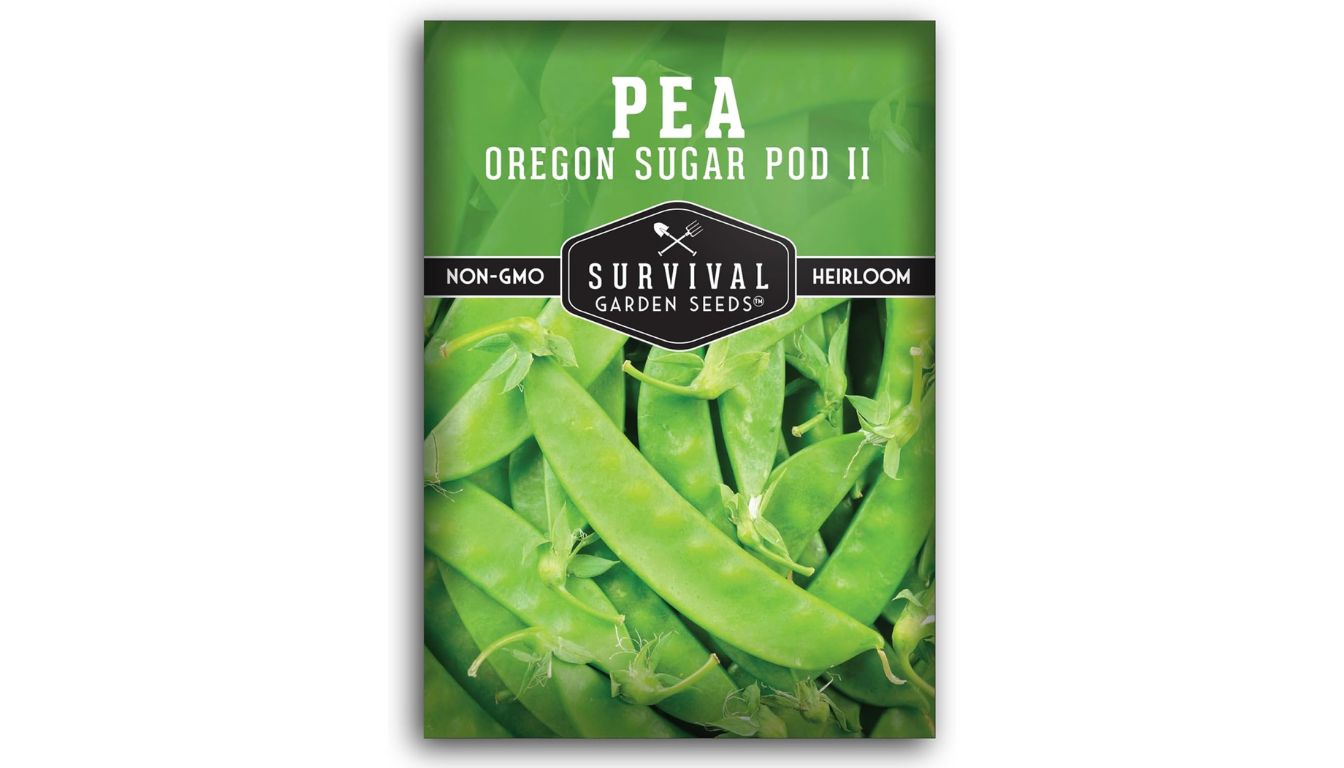
We recently planted the Oregon Sugar Pod II snow peas in our backyard garden, and the experience has been eye-opening. Survival Garden Seeds Oregon Sugar Pod II Pea review reflects how these flat pods grow up to 4 inches long and taste fantastic, whether you eat them raw as a snack or toss them into a stir-fry. The vines stay relatively short at around 28 inches, which makes them manageable even in smaller garden spaces.
The germination rate impressed us, with most seeds sprouting within the expected timeframe. However, we learned the hard way that these peas don’t tolerate heat well, so timing your planting is important. Slugs and snails also showed considerable interest in our seedlings, which required some extra attention and pest management.
The packet comes with clear planting instructions and guidance on seed saving for future seasons. We appreciated that these are non-GMO heirloom seeds from a small family business. Several gardeners noted the vines produce beautiful flowers before the pods develop, adding visual appeal to the vegetable patch.
Bottom Line – Survival Garden Seeds Oregon Sugar Pod II Pea Seed Review
The Oregon Sugar Pod II delivers reliable snow peas for home gardeners who plant at the right time and protect against common pests. We found the flavor worth the effort, especially since fresh snow peas can be hard to find in stores.
Click here to start growing your own sweet, crunchy snow peas today and enjoy harvests for seasons to come.
Overview of Survival Garden Seeds Oregon Sugar Pod II Pea Seed – Get Yours Here
We recently planted this heirloom snow pea variety and found it delivers solid performance for home gardeners. The seeds come in a single packet with clear planting instructions, which proved helpful when we started our outdoor garden. These Oregon Sugar Pod II peas grow on compact vines that reach about 28 inches tall, making them manageable without extensive support structures.
The germination rate impressed us, with most seeds sprouting within the expected timeframe when we kept the soil moderately moist. We appreciated that these are non-GMO heirloom seeds, which means we can save seeds from our harvest for future planting seasons. The 4-inch flat pods taste good both raw and cooked, though we noticed slugs and snails showed considerable interest in the young plants.
One minor point: the packet labeling differs slightly from what some descriptions suggest, listing “Oregon Sugar Pod” rather than the full “II” designation. The vines produced well in our cool weather conditions, though heat sensitivity became apparent when temperatures rose.
Flavorful and Long Snow Pea Pods – Survival Garden Seeds Oregon Sugar Pod II Pea Review
The pods genuinely impressed us with their size and taste. We harvested several that reached the full 4 inches, and they had a satisfying crunch whether we ate them raw as snacks or tossed them into stir-fries. The flat shape makes them easy to slice if needed, though we often just eat them whole straight from the vine.
What stood out was the sweetness. Several of us compared eating them raw to munching on sweet potato chips, which made garden visits more frequent than planned. The flavor holds up well when cooked, too, maintaining a fresh taste without getting mushy quickly.
The Oregon Sugar Pod II variety delivered consistent quality across our harvests. We noticed the pods stay tender even as they reach full length, which gives you a wider window for picking.
Easy to Grow, Productive Vines – Get Yours Here
These Oregon Sugar Pod II plants surprised us with how simple they were to cultivate. The vines stayed compact at around 28 inches, which made them perfect for smaller garden spaces without sacrificing yield. We found them to be reliably productive throughout the growing season with minimal fussing required.
Setting up a basic trellis made harvesting straightforward since the pods hung at an accessible height. The plants tolerated our inconsistent watering schedule better than expected, though they performed best with regular moisture. We noticed the vines produced steadily over several weeks, giving us multiple chances to harvest those crisp 4-inch pods.
One downside was that the compact size meant we needed more plants than anticipated to get a substantial harvest. However, the tradeoff was worth it for the reduced maintenance and easier picking compared to taller varieties.
Seed Longevity and Food Security – Survival Garden Seeds Oregon Sugar Pod II Pea Review
These seeds come as heirloom varieties, which means they can be saved and replanted season after season. We tested this by storing a portion of our packet in a cool, dry spot and found the seeds remained viable for future planting cycles. The non-GMO genetics ensure that plants produce seeds true to type, giving us confidence in long-term garden planning.
For anyone building a sustainable food supply, the Oregon Sugar Pod II offers real value beyond a single harvest. We grew our first crop and saved seeds from the healthiest plants, which germinated the following season successfully. This trait becomes especially important during times when buying fresh seeds might not be convenient or affordable.
The packet includes basic storage guidance, though we learned that keeping seeds in an airtight container extends their usable life considerably. One drawback is the single packet size, which limits how many seeds you can bank for future security without purchasing multiple units.
Clear Planting and Seed Saving Instructions – Get Yours Here
The packet arrives with detailed guidance printed right on the packaging, which proved helpful when we planted our first batch. Instructions cover germination requirements, spacing, and timing for outdoor planting. We appreciated that everything needed to get started was included without having to search online for additional information.
What stood out was the inclusion of seed saving instructions. After harvest, the packet explains how to collect and store seeds for future seasons. This feature allows you to build a continuous supply from one purchase.
The directions are straightforward enough for beginners, but don’t skip important details. We found the germination steps particularly clear about soil temperature and depth. Storage recommendations are also provided to keep unused seeds viable for years in cool, dry conditions.
Non-GMO Heirloom Quality – Survival Garden Seeds Oregon Sugar Pod II Pea Review
We appreciated knowing exactly what we were planting with these seeds. The Oregon Sugar Pod II qualifies as a true heirloom variety, which means the genetics remain stable across generations without laboratory modifications. This matters because we can save seeds from our harvest and replant them next season with confidence that they’ll produce the same quality peas.
The open-pollinated nature sets these apart from hybrid alternatives. We found the germination rates lived up to expectations, with most seeds sprouting within the typical timeframe. The non-GMO certification provides peace of mind for gardeners who prioritize natural growing methods.
One practical advantage emerged during our growing experience: the ability to create a self-sustaining seed supply. Each packet includes instructions for seed saving, which worked well when we followed the guidelines. The seeds store effectively for future seasons if kept in proper conditions.
Pros and Cons – Get Yours Here
After planting these seeds in our garden, we noticed several strengths and weaknesses worth sharing.
Pros
The germination rate impressed us right away. Most seeds sprouted without issues when we kept the soil moist and provided proper support structures.
We found the compact 28-inch vines manageable compared to other pea varieties. They don’t take over the garden space, which makes them suitable for smaller plots.
The pods themselves taste excellent both raw and cooked. We snacked on them straight from the vine and found them sweet and crisp.
Storage potential adds value since the seeds remain viable for years in cool, dry conditions. The packet includes clear instructions for saving seeds from your harvest, allowing us to replant without buying more.
Cons
Heat sensitivity became an issue during warm weather. The plants struggled when temperatures rose, which limited our growing window to cooler seasons.
Pests presented a challenge throughout the growing period. Slugs and snails constantly target the young plants, requiring vigilant monitoring and control measures.
Some confusion exists about the exact variety. Our packet labeled them as “Oregon Sugar Pod” while the description mentioned “Oregon Sugar Pod II,” creating uncertainty about what we actually planted.
The plants need consistent watering and support structures to thrive. We had to stay on top of maintenance, making them less forgiving than some other garden vegetables for busy or forgetful gardeners.
Customer Reviews – Survival Garden Seeds Oregon Sugar Pod II Pea Review
We dug through hundreds of customer experiences to see how these snow peas perform in real gardens. Buyers consistently praise the strong germination rates, with seeds sprouting reliably across different climates and growing conditions.
Many gardeners mention the pretty purple flowers that appear before the pods develop. The taste gets high marks too, with several people describing the pods as sweet and addictive straight off the vine.
Common challenges include:
- Slugs and snails are attacking young plants
- Heat sensitivity requires cooler weather planting
- Need for sturdy climbing support structures
Some confusion exists about the exact variety, as packages don’t always specify “Pod II” despite listings indicating this. One buyer noted the seller didn’t respond to questions about this discrepancy.
The seeds work well in traditional gardens and hydroponic setups. Coastal and cooler climate growers report the best results, while those in hot regions recommend planting before summer heat arrives.
Tips for Successful Snow Pea Growth – Get Yours Here
Getting these seeds started requires cool weather conditions, which is why we planted ours in early spring. The Oregon Sugar Pod variety thrives in full sun with moderate watering, and we found that consistent moisture helped the germination process significantly.
Key growing factors:
- Plant in temperatures between 45-75°F
- Provide a trellis for the 28-inch vines to climb
- Water regularly, but avoid oversaturating the soil
The packet includes clear instructions that made the whole process simple, even for our first attempt at growing peas. We appreciated that the seeds remained viable for storage, giving us flexibility on planting time. One challenge we noticed was that these plants need protection from extreme heat, so timing your planting season matters. The short vines made maintenance easier compared to taller varieties, and harvesting became straightforward once we set up basic support structures.
Before You Go – Survival Garden Seeds Oregon Sugar Pod II Pea Review
After spending time with the Oregon Sugar Pod II seeds, we found them to be a solid choice for home gardeners who want fresh snow peas. The germination rate impressed us, with most seeds sprouting quickly when watered consistently. These plants produce attractive flowers and tasty pods that several growers compared to eating sweet chips straight from the vine.
We did notice some challenges worth mentioning. Slugs and snails can damage young plants, so pest management matters. The seeds also struggle in hot weather, performing better in cooler seasons or coastal climates. Some packages arrived with labeling that didn’t quite match the description, which caused minor confusion.
Overall, we think this packet offers good value for gardeners willing to provide proper support structures and regular watering. The non-GMO heirloom variety delivers on flavor when conditions suit it.
Don’t forget to add theherbprof.com homepage to your favourites so you don’t miss out on future articles.
References – Survival Garden Seeds Oregon Sugar Pod II Pea Review
Little Herb Encyclopedia, by Jack Ritchason; N.D., Woodland Publishing Incorporated, 1995
The Ultimate Healing System, Course Manual, Copyright 1985, Don Lepore
Planetary Herbology, Michael Tierra, C.A., N.D., Lotus Press, 1988
Handbook of Medicinal Herbs, by James A. Duke, Pub. CRP Second Edition 2007
The Complete Medicinal Herbal, by Penelope Ody, Published by Dorling Kindersley
Check the Following Articles
Survival Garden Seeds Kentucky Wonder Pole Bean Review
Survival Garden Seeds Spacemaster Cucumber Review
Survival Garden Seeds Turnip Purple Top Seeds Review
Survival Garden Seeds Victoria Rhubarb Review
Frequently Asked Questions – Survival Garden Seeds Oregon Sugar Pod II Pea Review
What is the growth period for Oregon Sugar Pod II peas?
These snow peas need about 60 to 70 days from planting to harvest. We found this timing worked well when we started seeds in early spring.
The plants developed quickly once temperatures warmed up. Cool spring conditions helped the vines establish before summer heat arrived.
Can Oregon Sugar Pod II peas thrive in cold climates?
The Sugar Pod II variety handles cold weather quite well. These peas grow successfully in USDA hardiness zones 4 through 11.
We planted ours in cool spring temperatures, and they germinated without issues. The plants actually prefer cooler weather and struggle when temperatures climb too high.
Several gardeners noted the variety dislikes heat and performs better with cooler growing conditions. Starting seeds before the last frost or planting for a fall harvest works best in warmer regions.
How much spacing is needed between Oregon Sugar Pod II pea plants?
The vines reach about 28 inches tall, which is fairly compact for pea plants. We spaced our plants about 2 to 3 inches apart in rows.
The short stature makes these easier to manage than taller varieties. A trellis or support structure helps keep the plants organized and makes harvesting simpler.
When we gave them something to climb, the plants stayed healthier and produced more pods. The structure also prevented sprawling and reduced pest damage from ground dwellers.
What are the disease resistance characteristics of the Oregon Sugar Pod II Pea?
The product information doesn’t specify particular disease resistances for this variety. We didn’t encounter major disease problems during our growing period.
Good cultural practices matter more than anything. Proper spacing, adequate air circulation, and avoiding overhead watering helped keep our plants healthy.
Slugs and snails posed more trouble than diseases in our experience. These pests targeted young seedlings and required regular monitoring to prevent damage.
Are Oregon Sugar Pod II peas suitable for container gardening?
The compact 28-inch vines make these reasonable candidates for container growing. We tried growing some in large pots, and they performed adequately.
Container size matters significantly for success. We used pots at least 12 inches deep to accommodate the root system.
The plants needed consistent watering in containers since the soil dried out faster than in garden beds. A small trellis or support system worked well even in pots.
One gardener successfully grew these hydroponically and ate the peas while they developed. Container growing definitely works if you maintain proper moisture levels and provide support.
What is the typical yield of pea pods per Oregon Sugar Pod II plant?
The vines are described as reliably productive, though exact pod counts vary. We harvested multiple times from each plant as the pods matured.
Each pod reaches about 4 inches long when ready to pick. The flat pods work well for eating raw or cooking.
Regular harvesting encouraged our plants to produce more pods. When we picked frequently, the vines kept flowering and setting new pods throughout their season.
The total yield depends on growing conditions and care. Our plants produced steady harvests over several weeks when temperatures stayed moderate, and we kept them watered properly.