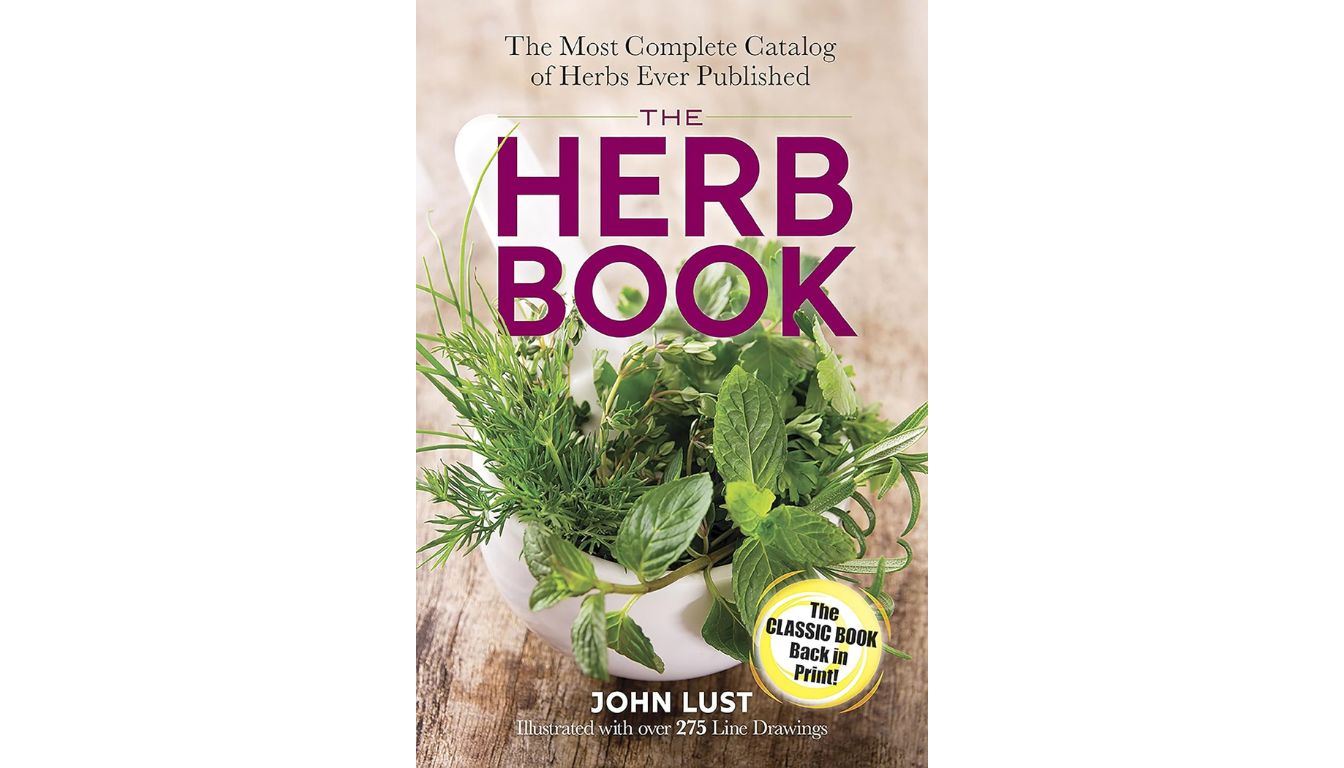
We’ve spent time with this comprehensive herb reference, and it’s genuinely impressive how much information is packed into its 640 pages. The Herb Book Review shows how the book organizes roughly 2,000 herbs with details about their uses, growing conditions, and historical context. We found the layout practical, with sections covering everything from botanical terms to preparation methods for teas and salves.
The pen and ink drawings help with plant identification, showing leaves, flowers, and stems in clear detail. We appreciate that it goes beyond basic herb descriptions to include information about dyes, medicinal applications, and the history of herbal study. The glossary of botanical terms proves useful when you encounter unfamiliar vocabulary.
Some readers mention that the hardcover edition offers better paper quality and crisper print compared to the paperback version. The extensive listings are organized in a way that makes finding specific plants straightforward. However, the book doesn’t include cultivation instructions for each plant, which would have been a helpful addition.
This reprint maintains the unabridged content that made earlier editions popular among herb enthusiasts. We noticed the binding quality can vary, with some copies arriving with creases or signs of handling.
Bottom Line – The Herb Book Review: John Lust’s Guide to Healing Herbs
This herb catalog delivers solid reference material for anyone serious about learning plant uses and properties. The detailed listings and historical context make it worth having on your shelf.
Click here and get your copy of The Herb Book and start exploring the world of herbs today.
Overview Of The Herb Book: The Most Complete Catalog Of Herbs Ever Published – Get Yours Here
This comprehensive guide lives up to its ambitious title by packing an enormous amount of herbal information into one volume. We found that the catalog covers hundreds of herbs with details about their uses, properties, and historical applications.
The book has earned strong feedback from readers, with a 4.7 rating across 677 reviews. People appreciate how thorough the reference material is, though some note the dense presentation can feel overwhelming at first.
What stands out:
- Extensive coverage of herb varieties
- Practical information about applications
- Affordable price point as a Dover reprint
The format works well as a reference book you keep on hand rather than read cover to cover. We noticed the writing style is straightforward and factual, which helps when you need to look up specific information quickly. The sheer scope means you’ll likely find even obscure herbs included.
Comprehensive Herb Listings – The Herb Book Review
Opening the main section reveals about 2000 different herbs organized in an alphabetical format that spans 333 pages. Each entry includes practical details like where the plant grows, its traditional uses, and preparation methods. We found the drawings of leaves, flowers, and stems particularly helpful for identifying plants in the real world.
The book covers everything from common kitchen herbs to obscure medicinal plants. Some readers noted a few herbs they expected were missing, but the sheer volume of entries makes this a minor issue. The entries give you historical context alongside modern applications, which helps you understand why certain herbs became popular for specific purposes.
The catalog format makes it easy to look up specific plants quickly without reading through unnecessary information.
In-Depth Historical Context – Get Yours Here
Dover Publications brought this title back into print in 2014, giving readers access to a reference work that people have relied on since the 1970s. We noticed several reviewers mentioned owning previous editions that were lost or loaned out over the decades, then hunting down new copies years later. The original version earned its reputation through comprehensive coverage of around 2000 herbs across 333 pages of detailed listings.
This reprint maintains the complete, unabridged content that made earlier editions valuable to herb enthusiasts and practitioners. The hardcover format uses better paper quality than previous paperback versions, which makes the print sharper and easier to read during extended use. We found the book organizes information in sections covering herb history, botanical terms, plant identification through pen and ink drawings, and practical applications for teas, tinctures, and salves.
Beautiful Botanical Illustrations – The Herb Book Review
The artwork throughout this book caught our attention right away. Each page features detailed black and white drawings that show the plants with impressive accuracy. We found ourselves studying the intricate root systems, leaf patterns, and flower structures that bring each herb to life on the page.
The illustrations serve a practical purpose beyond just looking nice. They helped us identify specific plant characteristics that might be tricky to spot in photographs. We appreciated how the drawings highlighted important details like leaf arrangements and stem textures.
Some images do show their age, given the book’s vintage origins. The style feels classic rather than modern, which works well with the encyclopedic nature of the content. We think these botanical drawings add real value for anyone trying to recognize herbs in their garden or while foraging.
Practical Applications And Uses – Get Yours Here
We found ourselves reaching for this comprehensive guide in several everyday situations. The book works well as a kitchen reference when cooking with fresh or dried herbs, offering details about flavor profiles and traditional uses that helped us make better choices during meal preparation.
Beyond culinary applications, we used it to identify herbs growing in our garden and learn about their historical medicinal applications. The extensive catalog format made it easy to look up specific plants quickly.
Common ways we used the book:
- Planning herb garden layouts based on growing information
- Understanding traditional remedies and folk medicine practices
- Researching herbs before foraging or purchasing at farmers’ markets
- Learning about cosmetic and household uses for common herbs
The dense format with 640 pages means it’s not something you casually flip through. We kept it as a desk reference rather than light reading material. It proved most valuable when we needed specific information about a particular herb rather than general browsing.
Extensive Reference Materials – The Herb Book Review
We were impressed by how much ground this book covers in its 623 pages. The main herb section alone spans 333 pages and includes detailed information on roughly 2,000 different herbs, covering their traditional uses, growing regions, and practical applications.
The book also provides botanical terminology definitions, historical context about herb usage through the ages, and guidance on preparing various herbal remedies like teas and salves. We found the pen and ink botanical drawings particularly useful for plant identification in the field.
One nice touch is the organized lists that group plants by specific health conditions and uses. The book even includes information about using plants for natural dyes and their required mordants, which adds unexpected depth to an already comprehensive resource.
Pros and Cons – Get Yours Here
After spending time with this comprehensive reference, we found several strengths and a few limitations worth noting.
Pros
The depth of information stands out immediately. We’re talking about 333 pages dedicated to roughly 2000 herbs, complete with detailed uses, growing locations, and historical context. This isn’t surface-level content.
The organization makes finding specific information straightforward. We appreciated the listings arranged by health conditions, which saves time when researching herbs for particular purposes. The pen and ink drawings help with plant identification in the field.
The hardcover edition offers a noticeably better reading experience than previous paperback versions. The larger format and quality paper make the text easier to read during long research sessions. Print remains crisp throughout.
Beyond basic herb listings, the book includes valuable supplementary content. We found the history of herb study, glossary of botanical terms, and preparation methods genuinely useful. Information about dyes and mordants adds unexpected value for crafters.
The comprehensive approach covers multiple applications: teas, tinctures, salves, balms, medicinal uses, and pharmaceutical applications. This makes it useful whether you practice holistic health or simply want to understand traditional plant uses.
Cons
Some herbs are missing from the catalog. While 2000 entries are impressive, we noticed gaps when searching for specific plants. The selection, though extensive, isn’t truly exhaustive.
Cultivation information gets short treatment. If you want to grow these herbs yourself, you’ll need additional resources since the book focuses more on identification and uses than gardening techniques.
Quality control issues affected some shipments. We heard reports of copies arriving with creased bindings and covers that looked pre-handled. This isn’t consistent, but it’s worth noting.
The book dates back to the 1970s with updates over time. While the core information remains valid, some readers might want more contemporary research and modern applications integrated throughout.
Customer Reviews – The Herb Book Review
We noticed readers consistently praise how much information this reference contains across its 623 pages. The organization gets frequent compliments, with many finding the plant listings for specific conditions particularly useful.
Several people mentioned they owned multiple copies over the years, often replacing lost or loaned editions. One reader noted the hardcover version offers larger format pages and crisper print compared to the paperback. The detailed herb section covers around 2,000 plants with their uses and growing conditions.
Some buyers received books that appeared slightly used or creased at the binding. A few readers wished certain herbs were included in the listings. The pen and ink drawings help with plant identification, though coverage isn’t exhaustive.
People who study herbalism appreciate the history sections, glossary of botanical terms, and preparation methods for teas, tinctures, and salves. The book has remained popular since the 1970s, with readers calling it one of the most complete herb references available.
Ideal Users And Gift Appeal – Get Yours Here
We found that this book works best for anyone who grows herbs at home or wants to learn about traditional plant uses. The detailed catalog format helps gardeners identify species and understand cultivation methods without wading through unnecessary fluff.
Home cooks who enjoy using fresh herbs will appreciate the recipes and preparation guidance scattered throughout. The comprehensive approach means beginners get solid foundational knowledge while experienced herbalists can reference specific details they need.
As a gift, this Dover edition offers real value at a budget price point. We think it suits parents, grandparents, or friends who garden, make natural remedies, or simply enjoy reference books. The timeless subject matter means it won’t feel dated, though the older printing style might not appeal to readers who prefer modern layouts with glossy photos.
Before You Go – The Herb Book Review: John Lust’s Guide to Healing Herbs
After spending time with this comprehensive reference, we can say it delivers on its promise of being an extensive herb catalog. The 623 pages pack includes detailed information about roughly 2000 herbs, complete with botanical drawings and practical applications. We appreciate how the book organizes content into useful sections covering everything from medicinal uses to dye-making.
The hardcover edition offers better paper quality and easier readability compared to the paperback version. Some copies arrive with binding creases or minor wear, which is worth noting. We found the depth of historical context and preparation methods genuinely useful for both beginners and experienced herb enthusiasts.
The main drawback is that some readers might want more plants included or additional cultivation details. Despite being originally published decades ago, this reference remains a solid choice for anyone building an herb library. It’s a practical desk reference rather than light reading material.
Don’t forget to add theherbprof.com homepage to your favourites so you don’t miss out on future articles.
References – The Herb Book Review: John Lust’s Guide to Healing Herbs
Little Herb Encyclopedia, by Jack Ritchason; N.D., Woodland Publishing Incorporated, 1995
The Ultimate Healing System, Course Manual, Copyright 1985, Don Lepore
Planetary Herbology, Michael Tierra, C.A., N.D., Lotus Press, 1988
Handbook of Medicinal Herbs, by James A. Duke, Pub. CRP Second Edition 2007
The Complete Medicinal Herbal, by Penelope Ody, Published by Dorling Kindersley
Check the Following Articles
McCormick Encyclopedia of Spices and Herbs Review
Guide Chef’s Guide to Herbs & Spices QuickStudy Review
The Healing Herbs Ultimate Guide Review: Natural Medicine
DK Herbs & Spices: The Cook Reference Guide Review
Frequently Asked Questions – The Herb Book Review: John Lust’s Guide to Healing Herbs
What types of recipes are included in ‘The Herb Book’ by Dover Cookbooks?
This book doesn’t focus primarily on culinary recipes in the traditional cookbook sense. Instead, it provides information about how herbs can be used in various preparations like teas, tinctures, salves, and balms.
The content leans more toward medicinal and holistic applications rather than dinner recipes. We found detailed instructions for making herbal remedies and therapeutic preparations throughout the pages.
Some cooking applications are mentioned, but they’re secondary to the broader catalog of herbal uses. If you’re looking for a standard recipe collection, this might not meet your expectations.
Are there medicinal herb preparations outlined in ‘The Herb Book’?
Yes, medicinal preparations form a significant portion of the content. The book covers how to make tinctures, teas, salves, and balms using different herbs.
We noticed the pharmaceutical and holistic uses get substantial attention across multiple sections. The preparations are explained with enough detail to actually attempt making them.
Readers mention finding practical applications for various health conditions throughout the book. The medicinal focus is one of the strongest aspects of this catalog.
Does ‘The Herb Book’ address the history and cultural significance of herbs?
The book includes a dedicated section on the history of herb study and use. This historical context adds depth beyond just listing plants and their properties.
We found lore and cultural information woven throughout the herb descriptions. The historical perspective helps readers understand how herbs have been valued across different time periods.
One section spans the development of herbal knowledge over centuries. This isn’t just a dry catalog but includes the stories behind how people discovered and used these plants.
How beginner-friendly is ‘The Herb Book’ for those new to using herbs in cooking?
The organization makes it accessible even for newcomers. The book structures information logically with clear sections that help readers find what they need.
However, the depth and volume of information can feel overwhelming at first. With 623 pages covering about 2000 herbs, beginners might need time to navigate the content effectively.
We appreciated the glossary of botanical terms included for those unfamiliar with technical language. The pen and ink drawings of leaves, flowers, and stems help with plant identification, which benefits beginners significantly.
The print is crisp and easy to read, especially in the hardback version. This matters when you’re learning and need to reference information frequently.
What do reviews generally say about the effectiveness of recipes in ‘The Herb Book’?
Readers consistently praise the comprehensive nature of the information provided. Many describe it as the most complete herb resource they’ve encountered.
People who have used previous editions express satisfaction with finding it reprinted unabridged. The detailed listings of herbs and their applications receive positive feedback from experienced users.
We noticed readers value the book as a reference guide more than a cookbook. The real-world applications appear to work well based on user experiences shared in feedback.
Some readers have owned multiple copies over decades, which suggests lasting value. One person mentioned their friend, described as knowledgeable about herbs, called it the most complete herb book he’d seen.
The inspirational aspect gets mentioned too, with readers discovering benefits from plants around them. However, a few readers noted receiving copies that appeared slightly used or creased upon arrival.
Does ‘The Herb Book’ include information on foraging and identifying herbs in the wild?
The book provides information about where herbs grow, which helps with identification. The detailed pen and ink illustrations show leaves, flowers, and stems for easy plant recognition.
We found the botanical information useful for understanding plant characteristics. The catalog includes details about approximately 2000 herbs and their natural habitats.
However, dedicated foraging instruction isn’t the primary focus. The book tells you what plants look like and where they grow, but doesn’t offer extensive wilderness foraging guidance.
One reader mentioned wanting a section on cultivation for each plant, which the current edition lacks. The identification tools are strong, but active foraging techniques receive limited coverage compared to the comprehensive herb catalog and usage information.