There’s nothing quite like the satisfaction of growing your own tomatoes, watching them ripen on the vine and anticipating that first juicy bite. However, when your once-thriving plants start to droop, wilting tomato plants can be more than just disappointing. In fact, wilting isn’t always a simple sign of stress; it can signal deeper problems that, if ignored, may jeopardize your entire crop.
Whether you’re a seasoned gardener or just starting, understanding why tomato plants wilt is essential to keeping them healthy and productive. From one issue to the next, inconsistent watering, nutrient deficiencies, heat stress, and hidden diseases are just a few of the culprits that could be at play. Fortunately, most causes are manageable once you know what to look for.
In the following sections, we’ll explore the most common reasons tomato plants wilt, and more importantly, how to fix them. With the right knowledge and a few practical solutions, you can revive your plants and get back to growing the vibrant, flavorful tomatoes you love.
Common Causes of Wilting in Tomato Plants
Wilting in tomato plants often signals underlying issues. Identifying these problems helps in taking the right action.
Overwatering
Overwatering can drown tomato roots. When plants sit in soggy soil, they struggle to absorb oxygen. Leaves droop and turn yellow, signaling distress. Check the top inch of soil. If it’s wet, hold off on watering. Ensure pots have drainage holes to prevent excess water buildup. A wilting plant may benefit from a nice dry spell.
Underwatering
Underwatering leads to thirsty plants. If the soil feels dry several inches down, the plant suffers from dehydration. Leaves may curl and droop. Water deeply but infrequently to encourage deep root growth. A good watering technique involves soaking the ground, then waiting until it dries before the next watering. Remember, a thirsty tomato plant might just be waving a little white flag.
Soil Drainage Issues
Poor soil drainage creates a swampy environment. Heavy clay soil retains too much moisture and suffocates roots. Incorporate organic matter like compost to improve drainage. Raised beds can also help with water flow. Test the soil by digging a small hole; if water pools, drainage needs improvement. A happy tomato plant prefers soil that breathes.
Environmental Factors Affecting Tomato Plants
Environmental factors play a significant role in the health of tomato plants. Slight changes in temperature and humidity can result in noticeable wilting. Understanding these factors can help me take better care of my plants.
Temperature Extremes
Tomato plants thrive in temperatures between 70°F and 85°F. If temperatures drop below 55°F or exceed 90°F, stress occurs. Low temperatures can stunt growth and cause wilting, while high heat can lead to flower drop. I’ve found that using shade cloth during hot spells helps keep my plants cool. Conversely, if a sudden drop in temperature occurs, covering the plants with frost cloth can protect them.
Humidity Levels
Humidity impacts tomato plants significantly. Ideal humidity levels range from 40% to 70%. Low humidity can cause leaf curling and wilting, as my plants struggle to retain moisture. On the flip side, high humidity can encourage disease, such as blight. I often use a fan or ensure proper spacing between plants to improve airflow. Adequate air circulation helps prevent moisture build-up, reducing the risk of fungal infections.
Pests and Diseases Contributing to Wilting
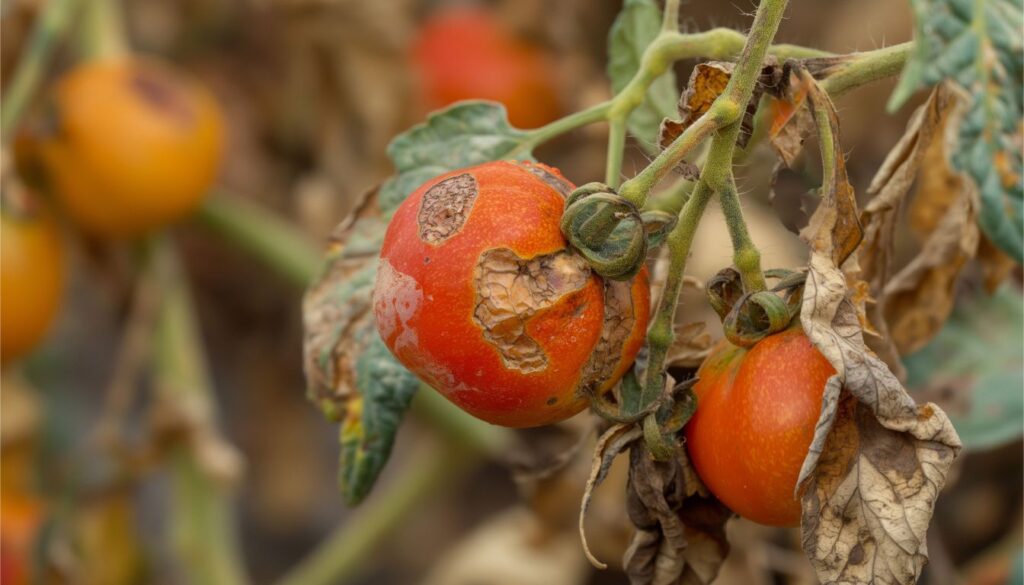
Wilting tomato plants often signal pest or disease problems. Identifying these issues early maintains plant health and ensures a bountiful harvest.
Fungal Infections
Fungal infections like blight and root rot can devastate tomato plants. I notice blight by spotting dark, water-soaked areas on leaves. If these spots appear, timely action is crucial. Removing affected leaves helps prevent spread. Root rot stems from overwatering, leading to mushy roots. Improving soil drainage helps combat this issue. Applying a fungicide may also protect healthy plants from infection. Catching fungal infections early gives a good chance of saving the plant.
Insect Infestations
Insect infestations, if left unchecked, can quickly turn a healthy tomato plant into a wilting mess. Among the most common culprits are aphids, spider mites, and whiteflies. For instance, I often see aphids clustered on new growth, where they suck sap and weaken the plant. Similarly, spider mites leave behind tiny webs on the undersides of leaves, a telltale sign of their presence. When populations grow, these pests can cause significant wilting and stress.
To combat this, I prefer using insecticidal soap or neem oil as organic control methods. In addition, frequent inspections help catch infestations early, keeping plants happy and thriving. By staying vigilant, I can protect my tomato plants and maintain a healthy, productive garden.
How to Revive Wilted Tomato Plants
Reviving wilted tomato plants involves assessing their water needs and improving soil conditions. These steps can help bring your plants back to life and sustain their growth.
Assessing Water Needs
To tackle wilting, first check the soil moisture. If it’s dry at a depth of one inch, your plants need water. Pour enough water until it seeps through the drainage holes. Overwatering can also cause wilting. If your soil feels soggy, cut back on watering for a few days. Allow the soil to dry out between waterings. If your plants appear limp due to underwatering, they might perk up within a few hours of proper hydration. Don’t forget to adjust your watering schedule based on weather changes. Remember, tomato plants often prefer consistent moisture over extreme swings.
Improving Soil Conditions
Next, focus on the soil. Well-draining soil promotes healthy roots. If you notice water pooling around your plants, it might be time to amend your soil. Mix in compost or organic matter to enhance drainage. Using raised beds can also improve drainage and prevent root rot. I’ve found that using a mix of potting soil and garden soil boosts my tomato plants’ health significantly. Test the pH. Ideally, pH levels should be between 6.0 and 6.8 for optimal growth. Adjusting pH with sulfur or lime can prevent future issues. Healthy soil nurtures happy plants.
Before You Go – Wilting Tomato Plants: Common Causes and Easy Fixes
Addressing wilting in tomato plants is crucial for a successful harvest. By identifying the causes and applying the right solutions, I can ensure my plants thrive throughout the growing season. To start, regularly checking soil moisture levels and improving drainage are essential steps that help prevent stress and root damage.
Moreover, I’ve learned that keeping an eye on environmental factors like temperature and humidity can make a big difference in plant health. Equally important, protecting my tomatoes from pests and diseases helps maintain their vigor and productivity.
With consistent care and attention, I can revive my wilting tomato plants and enjoy a bountiful crop of juicy, flavorful tomatoes. After all, a healthy garden begins with informed choices and a little daily dedication. Happy gardening!
Don’t forget to add theherbprof.com homepage to your favourites so you don’t miss out on future articles!
References – Wilting Tomato Plants: Common Causes and Easy Fixes
Little Herb Encyclopedia, by Jack Ritchason; N.D., Woodland Publishing Incorporated, 1995
The Ultimate Healing System, Course Manual, Copyright 1985, Don Lepore
Planetary Herbology, Michael Tierra, C.A., N.D., Lotus Press, 1988
Handbook of Medicinal Herbs, by James A. Duke, Pub. CRP Second Edition 2007
The Complete Medicinal Herbal, by Penelope Ody, Published by Dorling Kindersley
Check the Following Articles
Self-Maintaining Plants: The Future of Gardening
Overwatering Tomato Plants In Pots: Causes and Solutions
Best Plants For Indoor Greenhouse: Your Dream Garden
Frequently Asked Questions – Wilting Tomato Plants: Common Causes and Easy Fixes
What causes wilting in tomato plants?
Wilting in tomato plants can be caused by several factors, including overwatering, underwatering, and poor soil drainage. Overwatering drowns roots, leading to yellowing leaves, while underwatering causes dehydration, resulting in curled and drooping leaves. Therefore, it’s essential to monitor soil moisture levels consistently.
How can I tell if my tomato plants are overwatered?
Signs of overwatering include yellowing leaves, soft stems, and wilting despite wet soil. In extreme cases, you may notice a foul smell from the roots, indicating root rot. Adjust your watering routine and improve soil drainage to help restore plant health.
What temperature range is ideal for tomato plants?
Tomato plants thrive in temperatures between 70°F and 85°F. Temperatures below 55°F or above 90°F can stress the plants, leading to wilting and reduced fruit production. Protecting plants with shade cloth or frost cloth can help maintain these ideal conditions.
How does humidity affect tomato plants?
Humidity levels between 40% and 70% are ideal for tomato plants. Low humidity can cause leaf curling and wilting, while high humidity increases the risk of diseases like blight. Improving airflow and proper plant spacing can help manage humidity issues.
What pests affect tomato plants and cause wilting?
Common pests include aphids, spider mites, and whiteflies, which can weaken tomato plants and contribute to wilting. Regular inspections can help catch infestations early. Using organic control methods like insecticidal soap or neem oil can manage these pests effectively.
How can I revive wilted tomato plants?
To revive wilted tomato plants, assess their water needs by checking soil moisture. Water appropriately, ensuring that the soil isn’t too dry or soggy. Improving soil conditions by adding compost or organic matter can enhance drainage and support root health.
What soil conditions are best for tomato plants?
Tomato plants prefer well-draining soil with a pH between 6.0 and 6.8. Using raised beds and incorporating organic matter can improve drainage and nutrient levels. Regular soil testing helps ensure the right conditions for healthy growth.
How can I improve soil drainage for my tomato plants?
To improve soil drainage, mix compost or organic matter into the soil. Raised beds can also enhance drainage. Ensuring proper spacing between plants allows for airflow, further preventing waterlogging and creating healthier growing conditions.