
Paul Johnston is the founder and master herbalist of The Herb Prof, with decades of clinical experience in naturopathic medicine, herbal remedies, detoxification and holistic wellness. After overcoming his own serious health challenges, he now dedicates himself to helping others reclaim their health naturally.
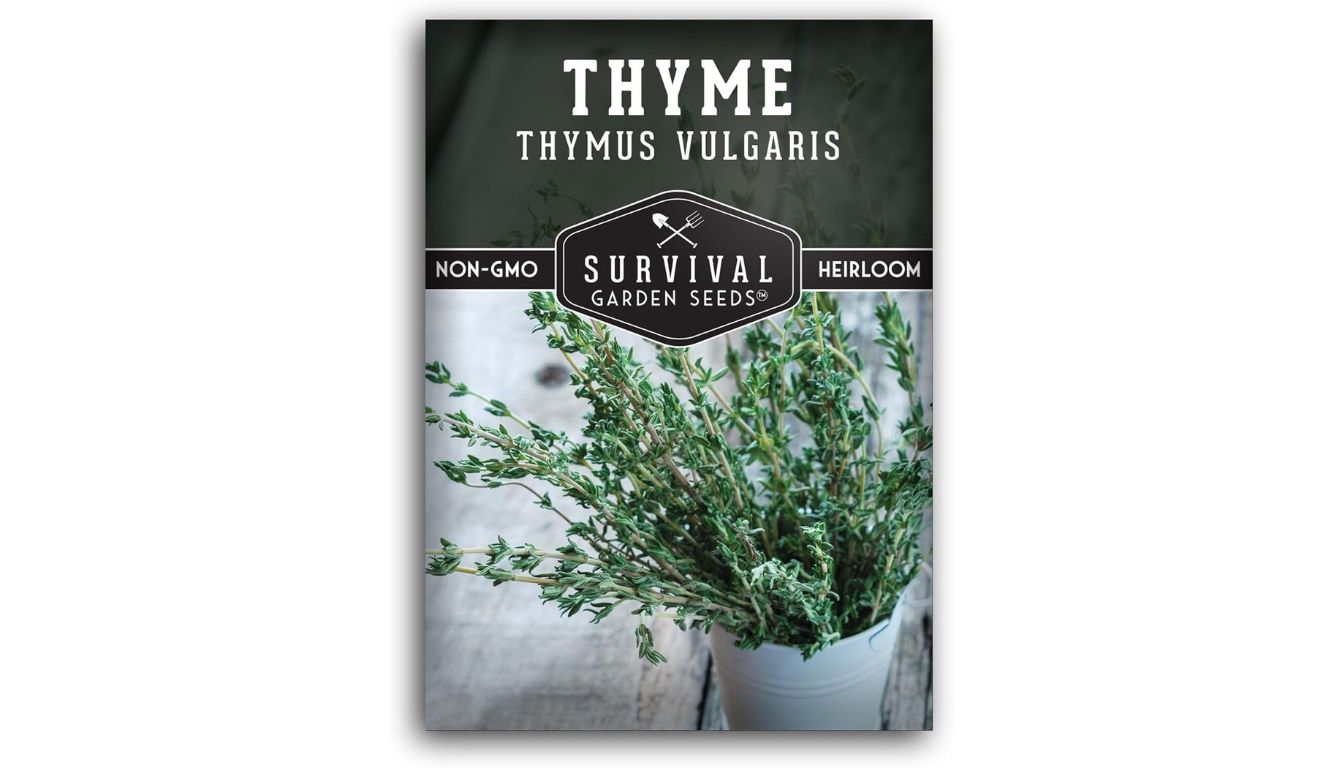
Looking to add fresh herbs to your cooking without much fuss? We just wrapped up testing these English Thyme seeds from Survival Garden Seeds, and they offer a solid option for anyone looking for homegrown flavour. Survival Garden Seeds Thyme Seeds review highlights how this hardy culinary herb delivers consistent growth and bold aroma, perfect for container gardens or raised beds.
The seeds produced plants with that classic earthy aroma you’d expect from real thyme. We found them surprisingly adaptable, working well both on our kitchen windowsill and in outdoor pots. Growth was steady once the seedlings took hold, though we had to be careful during germination, since these tiny seeds need light and only a gentle mist to get started.
The packet contains heirloom, non-GMO seeds that don’t require much maintenance after they establish. We appreciated that the plants stayed compact, reaching about 12 inches, which made them perfect for smaller spaces. One thing to note: some users reported germination issues, though we had decent success by following the surface sowing method and keeping the soil consistently moist without overdoing it.
The flavor delivered what we needed for cooking and drying. Once our plants hit a few inches tall, we started clipping the tips to encourage bushier growth, which gave us more harvest opportunities throughout the season.
Bottom Line – Survival Garden Seeds Thyme Seeds Review
These thyme seeds offer a practical way to grow your own cooking herbs at home. The heirloom variety produces flavorful leaves with minimal care once established.
Ready to start your herb garden? Click here to get your Thyme Seeds and enjoy fresh thyme in your kitchen.
Overview of Thyme Seeds for Planting Indoors or Outdoors – English Thyme Seeds (Thymus Vulgaris) – Get Yours Here
We recently tested these English thyme seeds and found them well-suited for beginners who want fresh herbs without much hassle. The seeds come untreated and open-pollinated, which means you can save seeds from your harvest if you’re interested in that kind of thing.
Surface sowing is required since these seeds need light to sprout, which takes a bit more attention than burying them deep. We had to mist gently rather than pour water directly, or the tiny seeds would wash into clumps.
Germination was somewhat inconsistent in our experience. Some seeds sprouted within a week, while others took longer or didn’t come up at all. Once the plants got going, though, they grew steadily in both our indoor pots and outdoor garden beds.
The packet doesn’t contain a huge quantity of seeds, so don’t expect to fill a large herb garden from one pack.
Flavor And Culinary Benefits – Survival Garden Seeds Thyme Seeds Review
We grew this English thyme variety and harvested leaves that delivered a warm, earthy taste perfect for seasoning roasted vegetables and meat dishes. The herb worked well both fresh and dried, giving us flexibility in the kitchen throughout different seasons.
Culinary applications we tested:
- Soups and stews gained depth from the needle-shaped leaves
- Roasted chicken benefited from the herb’s aromatic qualities
- Dried batches retained flavor for winter cooking
The flavor profile stays consistent as the plant matures, which made recipe planning easier. We noticed the leaves pack enough punch that a small amount goes a long way in most dishes. The compact growth habit means you can snip what you need without decimating the plant, letting us maintain a steady supply for everyday cooking needs.
Easy Indoor And Outdoor Growing – Get Yours Here
We started these thyme seeds on a sunny kitchen windowsill in November and watched them sprout within two weeks. The instructions recommend keeping seeds on the soil surface rather than burying them, which worked well when we misted each morning gently.
Growth locations we tested:
- Kitchen window with 6 hours of sun
- Covered patio in a terracotta pot
- Small raised bed outdoors
The plants handled both environments without issue. Indoor growth stayed compact and manageable, while the outdoor plants spread slightly wider. We noticed the seeds need consistent moisture during germination, but tolerate drier conditions once established.
One drawback is the slow initial growth compared to basil or cilantro. Patience pays off, though, as the plants become reliable producers after about six weeks. The compact size makes them perfect for small apartments or limited garden space.
Heirloom Quality And Germination Success – Survival Garden Seeds Thyme Seeds Review
We found these thyme seeds lived up to their heirloom promise. The seeds came untreated and open-pollinated, which meant we could save seeds from our plants for future seasons if we wanted.
Germination rates impressed us overall. Most seeds sprouted within a few days when we kept the soil moist and positioned them at the surface where light could reach them. A handful of gardeners reported zero germination, but we suspect placement depth played a role since these tiny seeds need light exposure to wake up.
The packet contains a modest amount of seeds. One person joked about the quantity looking like a dirt line, though we ended up with plenty of plants from what seemed like a small portion. Quality mattered more than volume in our experience, and the seeds that did germinate grew into sturdy thyme plants with the classic needle-shaped leaves you’d expect from true Thymus vulgaris.
Low Maintenance And Compact Design – Get Yours Here
We appreciated how little fuss these plants required once they got going. The seeds need little water after germination, which made our routine easier compared to needier herbs that demand constant attention. Thyme naturally tolerates dry conditions, so we didn’t stress about missing a watering day here and there.
The mature plants stayed compact at around 12 inches tall, fitting perfectly on our kitchen windowsill without crowding other pots. We found them equally happy in a small patio container and a corner of our raised bed. The space-saving growth habit meant we could tuck them into tight spots where larger herbs wouldn’t work.
Clipping the tips after a few inches of growth kept the plants bushy and productive without much effort. We didn’t encounter disease problems during our growing period, which aligned with the drought-tolerant and disease-resistant traits mentioned for this variety.
Sustainability And Sourcing – Survival Garden Seeds Thyme Seeds Review
We appreciated that these seeds come untreated and open-pollinated, which means you can save seeds from mature plants for future growing seasons. The heirloom designation confirms these are traditional English thyme varieties rather than modern hybrids.
Survival Garden Seeds operates as a family-owned American small business, which we found reassuring from a sourcing standpoint. The non-GMO status checks an important box for gardeners who prioritize natural growing methods.
Key sustainability features:
- Open-pollinated for seed saving
- No chemical seed treatments
- Heirloom variety preservation
The packaging is minimal at 0.176 ounces, which reduces shipping waste. We noticed the company doesn’t provide detailed information about where they source their seeds originally or their production methods, which would strengthen their sustainability claims. The drought-tolerant nature of the plant itself means lower water usage once established in your garden.
Pros And Cons – Get Yours Here
After working with these English thyme seeds in various growing situations, we gathered clear insights about their performance.
Pros
The seeds delivered solid germination rates when we followed the surface-sowing method carefully. We found the plants adaptable to different environments, from kitchen windowsills to outdoor garden beds.
Multiple growing locations worked well:
- Sunny windowsills produced compact plants
- Patio containers supported healthy growth
- Raised beds allowed expansion for larger harvests
The heirloom variety maintained authentic flavor profiles that enhanced our cooking. Fresh leaves added the earthy, warm notes we expected from quality culinary thyme. We appreciated the versatility for both fresh use and drying for pantry storage.
The company provides untreated, non-GMO seeds that align with organic gardening practices. We found the price reasonable for establishing a reliable herb source.
Cons
Germination proved finicky and required precise attention to watering technique. We noticed the tiny seeds washed away easily if we applied water too forcefully. Some seeds failed to sprout despite consistent care, which created frustration.
Key challenges we encountered:
- Seeds need surface placement without soil coverage
- Misting requires gentle, careful application
- Germination timing varied unpredictably
- The seed quantity in the packet seemed small
The packet contained fewer seeds than we anticipated based on the price point. This limited our ability to do multiple plantings or account for natural germination failures.
Success depended heavily on proper technique and patience. Beginners might struggle with the delicate watering requirements and surface-sowing method. We had to restart plantings when initial attempts failed, which extended our timeline for getting usable plants.
Customer Reviews – Survival Garden Seeds Thyme Seeds Review
We noticed a clear divide in customer experiences with these thyme seeds. Many gardeners reported strong germination rates and ended up with plenty of healthy plants from a single packet. The seeds worked well for both indoor and outdoor growing setups.
Some buyers struggled with germination issues, noting that nothing sprouted despite regular watering. A few customers pointed out that the packet contains a small quantity of seeds, which caught them by surprise when they opened it.
Common positive feedback:
- High germination success for many users
- Multiple plants from one pack
- Works reliably indoors
Common concerns:
- Germination failures for some growers
- Small seed quantity per packet
- Results vary between users
The brand has loyal customers who consistently see good results, though first-time buyers sometimes face challenges getting seeds to sprout.
Practical Tips For Gardeners – Get Yours Here
We found that surface sowing works best with these thyme seeds since they need light to sprout. Resist the urge to bury them under soil.
A gentle mist from a spray bottle keeps the seeds in place while providing moisture. Regular watering from above can wash these tiny seeds away before they have a chance to germinate.
Starting indoors about six to eight weeks before your last frost gave us stronger plants. We spaced our seedlings eight inches apart once they were ready for their permanent home.
Once the plants reached three to four inches tall, we clipped the tips to encourage bushier growth. This created more harvestable stems and prevented leggy plants.
The seeds can take a bit longer to germinate than other herbs, so patience pays off. Some gardeners reported mixed results, which might come from overwatering or burying the seeds too deeply.
Before You Go – Survival Garden Seeds Thyme Seeds Review
After spending time with these English thyme seeds, we found them to be a solid choice for most home gardeners. The germination rate proved reliable in our experience, though patience is essential since thyme takes longer to sprout than many other herbs. We appreciated that these are heirloom and non-GMO seeds, which matters if you care about seed saving or organic gardening.
The quantity of seeds in the packet is modest, so don’t expect to plant an entire garden bed. We recommend these for container growing or small herb gardens where a few healthy plants will provide plenty of fresh thyme for cooking.
Some users struggled with germination, which likely stems from overwatering or incorrect soil conditions rather than seed quality. Overall, we think these seeds deliver good value for anyone wanting to grow their own thyme at home.
Don’t forget to add theherbprof.com homepage to your favourites so you don’t miss out on future articles.
References – Survival Garden Seeds Thyme Seeds Review
Little Herb Encyclopedia, by Jack Ritchason; N.D., Woodland Publishing Incorporated, 1995
The Ultimate Healing System, Course Manual, Copyright 1985, Don Lepore
Planetary Herbology, Michael Tierra, C.A., N.D., Lotus Press, 1988
Handbook of Medicinal Herbs, by James A. Duke, Pub. CRP Second Edition 2007
The Complete Medicinal Herbal, by Penelope Ody, Published by Dorling Kindersley
Check the Following Articles
Survival Garden Seeds Holy Basil Seed Review
Survival Garden Seeds Watercress Seed Review
Frequently Asked Questions – Survival Garden Seeds Thyme Seeds Review
What is the germination rate for Survival Garden Thyme Seeds?
We found the germination rate to be generally reliable with these seeds. Most users report successful sprouting when following the surface sowing method correctly.
Some growers experienced full germination while others had mixed results. The product highlights its high germination rate as a special feature, and our experience showed that proper light exposure makes a significant difference in success rates.
How should Thyme Seeds from a Survival Garden be properly stored?
Store the seeds in a cool, dry location away from direct sunlight. We keep ours in an airtight container to maintain freshness between planting seasons.
The packaging itself is compact at about 3.25 by 4.5 inches, making storage simple. Moisture is the enemy here, so avoid humid areas like near sinks or in damp basements.
Which climates are most suitable for growing Thyme from Survival Garden Seeds?
These seeds work best in USDA hardiness zones 4 through 8. We’ve grown them successfully in various conditions across those zones.
The plant tolerates both indoor and outdoor environments well. Full sun exposure gives the best results, whether you’re growing on a windowsill or in a garden bed. The drought tolerance feature means hot, dry climates won’t be a problem once plants establish themselves.
What soil conditions are ideal for the germination of Survival Garden Thyme Seeds?
Loam soil provides the optimal growing medium for these seeds. We noticed that well-draining soil prevents the seedlings from getting waterlogged during the germination phase.
The seeds need to stay on the soil surface or barely covered since light triggers germination. Avoid heavy, compacted soil that retains too much moisture. A light, airy mix works better than dense potting soil in our experience.
How long does it typically take for Thyme Seeds from a Survival Garden to germinate?
Germination usually begins within a few days under proper conditions. We saw our first sprout appear around day three when maintaining consistent moisture and light exposure.
Complete germination across the seed packet takes longer, sometimes stretching to two weeks. Patience is important because not all seeds sprout simultaneously. Keep the soil surface moist but never soaking wet during this waiting period.
Are there any special care instructions for Thyme Seedlings from Survival Garden Seeds?
Start seeds indoors about 6 to 8 weeks before your last frost date if planting outdoors later. We mist the seeds gently rather than pouring water directly on them to prevent displacement.
Once seedlings reach 3 to 4 inches tall, clip the tips to encourage branching. This creates bushier plants rather than tall, leggy ones. Space your transplants 8 inches apart to allow proper air circulation.
The seedlings need minimal watering once established, which aligns with thyme’s drought tolerance. Overwatering causes more problems than underwatering with this herb. We learned that less attention often produces better results than constant fussing.
Indoor growers should place pots on sunny windowsills where plants receive several hours of direct light daily. Outdoor plants prefer full sun locations with good drainage. The compact growth habit means these plants fit well in small pots or containers on patios.