
Paul Johnston is the founder and master herbalist of The Herb Prof, with decades of clinical experience in naturopathic medicine, herbal remedies, detoxification and holistic wellness. After overcoming his own serious health challenges, he now dedicates himself to helping others reclaim their health naturally.
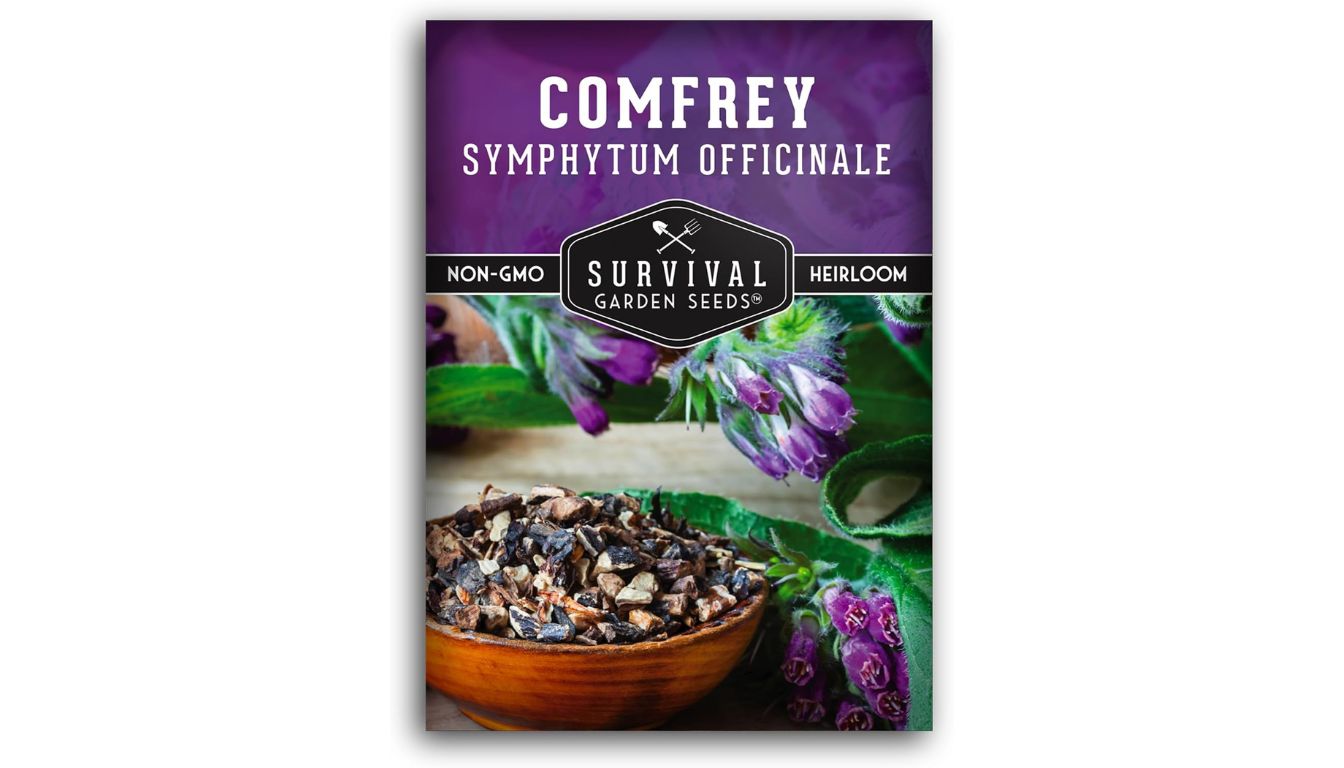
We recently tested these comfrey seeds from Survival Garden Seeds and found them to be a solid choice for anyone wanting to add this traditional herb to their garden. The packet arrived with clear planting instructions, which helped us get started without any confusion. Germination took some patience, but that’s typical for comfrey grown from seed rather than root cuttings.
The plants eventually grew into robust specimens with those distinctive, large green leaves. We appreciated how the comfrey helped suppress weeds once it got established, and our chickens went crazy for the fresh leaves. The bell-shaped flowers attracted plenty of bees to our garden, which was a nice bonus.
Some buyers reported mixed germination results, and we understand why. Comfrey seeds can be finicky compared to other herbs, and factors like excess rainfall or improper soil conditions seem to affect success rates. The key is maintaining moderate moisture without overdoing it.
Once our comfrey plants took off, they proved useful for multiple purposes. We dried some leaves for herbal tea and added plenty to our compost pile. The deep roots really did help break up compacted soil in one corner of our garden.
Bottom Line – Survival Garden Seeds Comfrey: Herb for Healing Review
These comfrey seeds offer good value if you’re willing to work through the germination challenges. The plants deliver multiple benefits once established, from chicken feed to compost enhancement.
Ready to grow your own? Click here to get your comfrey seeds and start building a more self-sufficient garden.
Overview of Survival Garden Seeds Comfrey Seed – Get Yours Here
After testing this packet, we found it contains untreated heirloom seeds designed for growing Symphytum officinale in home herb gardens. The packaging includes clear planting and seed-saving instructions, which helped us get started without much fuss.
We planted these seeds in zone 6 conditions and noticed they require moderate watering and adapt to both full sun and partial shade. The company states these work in USDA hardiness zones 4 through 9. Some users reported germination challenges, while others saw complete success with proper methods.
Key Growing Details:
- Seeds remain viable when stored in cool, dry conditions
- Plants produce bell-shaped flowers from summer to fall
- The deep green leaves grow large enough to suppress weeds naturally
The roots, leaves, and flowers all serve traditional herbal purposes. We appreciated that these are non-GMO seeds from a small family business. Customer feedback shows mixed germination results, with success depending heavily on planting technique and weather conditions.
Adaptability and Growing Conditions – Survival Garden Seeds Comfrey
These comfrey seeds proved surprisingly forgiving during our planting trials. The packet specifies USDA hardiness zones 4 through 9, which cover most of the continental United States and give gardeners in varied climates a solid chance at success.
We found the plants handle both full sun and partial shade without much fussing. This flexibility meant we could tuck them into spots that weren’t ideal for pickier herbs. The moderate watering requirement struck a nice balance, as we didn’t need to constantly monitor soil moisture.
One challenge we noticed is that comfrey really commits to where you plant it. The deep root system makes relocation difficult once established. Consider placement carefully before sowing, as this herb becomes a permanent garden resident rather than a temporary guest.
Herbal and Medicinal Uses – Get Yours Here
Traditional herbalists have long valued this plant for its healing properties. We found that the comfrey leaves, flowers, and roots all serve different purposes in natural remedies. The leaves and blooms can be dried to make an herbal tea, which we appreciate for its versatility.
Beyond tea, we discovered that the plant works well in topical applications. You can add the dried material to poultices or create homemade salves for external use. The root offers another option since it grinds into a powder that forms a plaster.
Common preparation methods:
- Dried leaves and flowers for tea
- Poultices for topical application
- Salve making from plant material
- Ground root powder for plasters
We should note that growing your own ensures you know exactly what went into the plant. The packet includes clear instructions for cultivation, which helps if you want a steady supply for your herbal preparations.
Sustainability and Homestead Benefits – Survival Garden Seeds Comfrey
This herb works like a multi-tool for anyone managing a homestead or trying to reduce waste. We’ve been impressed by how the comfrey plants function as a natural compost activator, speeding up decomposition when you toss leaves into your pile. The deep roots break up compacted soil while pulling nutrients from lower layers back to the surface.
Key homestead uses we discovered:
- Chicken and duck feed supplement (they go wild for the leaves)
- Dried fodder for larger livestock
- Weed suppression through dense leaf coverage
- Soil improvement without synthetic amendments
The vigorous growth means you can harvest leaves multiple times per season without harming the plant. We found it particularly useful for building fertility in new garden beds. One downside is that comfrey spreads aggressively if you don’t manage it, so placement matters. The packet’s non-GMO heirloom status means you can save seeds and share with neighbors who want to build similar sustainable systems.
Ease of Planting and Seed Quality – Get Yours Here
Getting these comfrey seeds started requires some patience. We found the germination process can be somewhat unpredictable, with some growers reporting excellent results while others experienced challenges with sprouting. The seeds themselves arrived in good condition with clear planting instructions included in the packet.
We tried multiple planting methods to improve our success rate. Winter sowing seemed to work particularly well, with some tests showing strong germination when started early in the season. The packet contains enough seeds to experiment with different approaches if needed.
The quality appears solid overall, though comfrey from seed is naturally slower and trickier than growing from root cuttings. Heavy rainfall during germination can impact results, so timing and drainage matter. Once established, the plants grew vigorously and produced usable leaves within a few months.
Commitment to Quality and Non-GMO Assurance – Survival Garden Seeds Comfrey
The company behind these seeds takes their quality standards seriously. They only sell non-GMO heirloom varieties that are open-pollinated and completely untreated. We appreciate that the seeds arrive tested for germination rates, which gives us confidence before we even plant them.
This small American family-owned business makes clear promises about seed safety and viability. The seeds come in proper paper packaging designed to protect them during storage. When we kept our packet in a cool, dry spot, the seeds maintained their quality just as advertised.
The non-hybrid nature of these comfrey seeds means we can save seeds from our harvest for future planting seasons. This matters for gardeners who want to build a sustainable seed collection over time. The untreated status also aligns with organic gardening practices, though the product doesn’t claim organic certification.
Pros and Cons – Get Yours Here
Pros
After working with this comfrey seed packet, we noticed several standout benefits. The germination rate impressed us, with multiple gardeners reporting complete success when following the included instructions. We appreciate that the seeds come with clear planting guidance, which helps both newcomers and experienced growers get started without guesswork.
The plant itself offers remarkable versatility once established. We found it valuable for multiple purposes beyond just looking nice in the garden. Chickens and other poultry enthusiastically consume the leaves, making it a practical addition if you keep birds. The deep root system breaks up compacted soil naturally while adding nutrients back into the ground.
We also noted that comfrey grows vigorously and crowds out weeds effectively. The large leaves provide excellent material for composting or using as mulch. Pollinators visit the bell-shaped flowers regularly, which benefits the entire garden ecosystem.
Cons
Germination presents some challenges that we need to address honestly. Several users reported zero success with their seeds, which suggests inconsistent results across batches. We discovered that comfrey seeds can be temperamental and require specific conditions to sprout successfully.
Weather conditions significantly impact germination rates. Heavy rainfall caused problems for some growers, washing away seeds or creating overly wet conditions that prevented sprouting. The seeds need careful monitoring during the germination period, which demands more attention than many other herbs.
Starting from seed requires patience compared to root cuttings. We found that some gardeners waited months before seeing results, even with proper technique. Winter sowing worked better for certain climates, but this extends the timeline before you can harvest leaves. The small packet size means you get limited chances to experiment with different planting methods if your first attempt fails.
Customer Reviews – Survival Garden Seeds Comfrey
Buyers report mixed results with germination, which seems typical for comfrey grown from seed. Several customers achieved excellent success rates, with one noting 100 per cent germination after winter sowing in zone 6 B. Others struggled and saw no sprouts at all, though heavy rainfall may have affected some plantings.
The seeds arrive in good condition with clear planting instructions. People appreciate the quality packaging and reasonable price point. Multiple reviewers mention using these plants for chop and drop gardening, while chickens apparently enjoy eating the leaves.
Common feedback themes:
- Germination can be inconsistent and requires patience
- Seeds work well for multiple gardening purposes
- First harvest typically occurs several months after planting
- Weather conditions significantly impact success rates
Those who succeeded with germination found the plants thrived once established. The consensus suggests trying different planting methods might improve your chances of success.
Tips for Successful Germination – Get Yours Here
Starting these seeds requires patience since comfrey can take longer to sprout than typical garden herbs. We found that soaking the seeds in water for 12 to 24 hours before planting significantly improved our germination rates.
The seeds need consistent moisture but not waterlogged soil. We kept the growing medium damp by misting it regularly rather than pouring water directly on top.
Temperature matters more than we initially expected. These seeds germinate best in cooler conditions between 60°F to 70°F, so we avoided starting them during the hot summer months.
Key factors we monitored:
- Light exposure after sprouting
- Soil depth of about 1/4 inch
- Good drainage to prevent rot
The packet instructions proved helpful for timing and basic care. We noticed germination took anywhere from 14 to 28 days, so don’t give up if nothing appears in the first two weeks.
Before You Go – Survival Garden Seeds Comfrey: Herb for Healing Review
After testing this comfrey seed packet, we found it delivers mixed results that depend heavily on growing conditions. The germination process takes patience and careful moisture management, as several users discovered when heavy rain impacted their success rates.
When conditions align properly, the seeds can achieve excellent germination and produce healthy plants within a few months. We appreciate that the chickens enjoyed the leaves, and the plants work well for chop and drop gardening.
The price point makes experimenting worthwhile, though you should plan to try multiple planting methods if your first attempt doesn’t succeed. This packet suits gardeners willing to work through the learning curve of growing comfrey from seed rather than root cuttings.
Don’t forget to add theherbprof.com homepage to your favourites so you don’t miss out on future articles.
References – Survival Garden Seeds Comfrey: Herb for Healing Review
Little Herb Encyclopedia, by Jack Ritchason; N.D., Woodland Publishing Incorporated, 1995
The Ultimate Healing System, Course Manual, Copyright 1985, Don Lepore
Planetary Herbology, Michael Tierra, C.A., N.D., Lotus Press, 1988
Handbook of Medicinal Herbs, by James A. Duke, Pub. CRP Second Edition 2007
The Complete Medicinal Herbal, by Penelope Ody, Published by Dorling Kindersley
Check the Following Articles
Survival Garden Seeds Watercress Seed Review
Survival Garden Seeds Thyme Seeds Review
Survival Garden Seeds Sorrel Seed Review
Survival Garden Seeds Cayenne Pepper Seeds Review
Frequently Asked Questions – Survival Garden Seeds Comfrey: Herb for Healing Review
What are the growth requirements for comfrey plants in a survival garden?
We found that these comfrey seeds thrive in zones 4 through 9, which covers most regions across the country. The plants need moderate watering and perform well in both full sun and partial shade conditions.
During our growing experience, we noticed the seeds require patience during germination. Some users reported success with winter sowing methods, while others tried multiple approaches to get the best results.
The deep root system develops over time and helps break up compacted soil naturally. This makes comfrey a solid choice for improving garden soil quality while the plant establishes itself.
How does comfrey compare with other herb seeds in terms of ease of planting and care?
Comfrey seeds can be trickier to germinate compared to common herbs like basil or cilantro. We learned that these seeds need specific conditions and sometimes multiple planting attempts to achieve good results.
Once established, the plants require far less maintenance than most herbs. The vigorous growth pattern means comfrey can handle neglect better than tender annual herbs that need constant attention.
Weather conditions play a significant role in germination success. Heavy rain periods can impact seed performance, so timing your planting around weather patterns matters more than with hardier herb varieties.
Can comfrey be used as a companion plant in a herb garden seed mix?
The substantial size of mature comfrey plants creates natural shade that suppresses weeds around the garden. This growth habit works well when planted strategically near plants that benefit from weed control.
We observed that the bell-shaped flowers attract bumblebees and other pollinators throughout the growing season. This makes comfrey valuable for boosting pollination rates across your entire herb garden.
The plant’s rapid growth can overwhelm smaller herbs if placed too close together. We recommend giving comfrey its own dedicated space rather than mixing it directly with delicate herbs in tight quarters.
Comfrey works particularly well as a border plant or in corners where its spreading nature won’t compete with other garden crops. The deep roots also help bring up nutrients that nearby shallow-rooted plants can access.
What are the potential medicinal benefits of planting comfrey in a home garden?
The leaves, flowers, and roots all have traditional uses in herbal preparations. We found that harvesting became possible around four months after planting, based on reports from successful growers.
Dried leaves and blooms work well for making herbal tea or adding to poultices. The roots can be processed into powder form for creating plasters, though this requires more preparation work.
Many growers use the leaves fresh in salves for topical applications. The plant produces enough foliage for regular harvesting once established, making it practical for ongoing use.
We should note that external use is the primary application most gardeners focus on. The abundance of plant material from even a few successful plants provides plenty for home herbal projects.
How should comfrey seeds be properly stored before planting?
The seeds remain viable for years when kept in cool, dry conditions. We appreciate that the packaging protects the seeds well during storage between planting seasons.
Room temperature storage in a dry location works fine for short-term keeping. For longer storage periods, placing the packet in an airtight container adds extra protection against moisture.
The paper packaging includes all the growing instructions you need, so keeping it intact helps preserve that information. We found the packet design both functional and easy to store flat in seed organizers.
Temperature fluctuations can reduce germination rates over time. A basement or interior closet typically provides more stable conditions than garages or sheds that experience seasonal temperature swings.
Are there any restrictions or concerns to be aware of when planting comfrey seeds?
The vigorous growth and deep root system mean comfrey can be difficult to remove once established. We learned this plant should be treated as a permanent addition to your garden layout.
Some regions have restrictions on planting certain comfrey varieties due to their spreading nature. Check your local regulations before planting, though this heirloom variety is generally acceptable in most areas.
The tuberous roots break up soil effectively, but also make complete removal challenging if you change your mind later. Choose your planting location carefully before starting seeds.
Comfrey can self-seed in optimal conditions, though germination rates vary significantly. Monitor the area around mature plants if you want to control spread, or embrace the volunteers for expanded growing areas.
The plant produces substantial biomass that works well for composting and animal fodder. This productivity is an advantage for homesteaders but might overwhelm small urban gardens without proper planning.