
The Herb Prof Team researches and writes our herbal guides, drawing on published research, traditional herbal references, and hands-on growing experience.
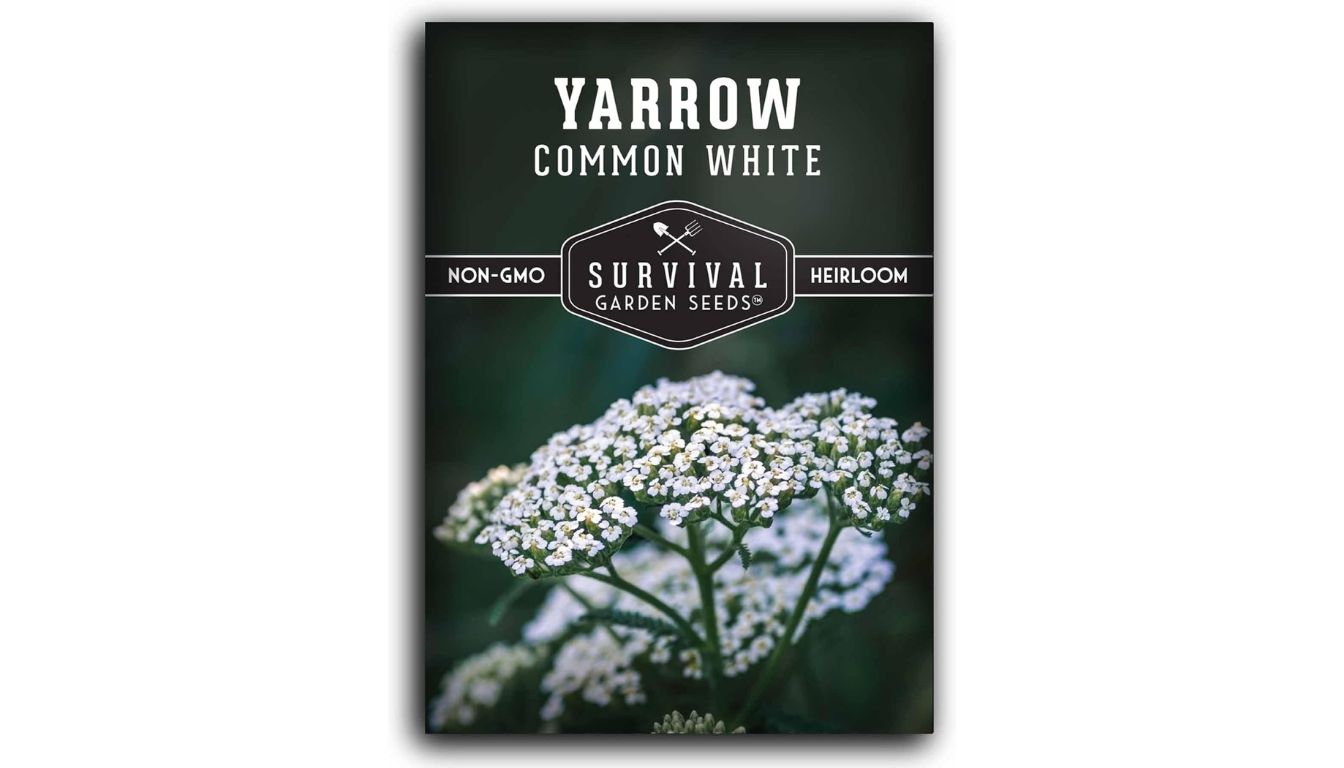
We recently planted these yarrow seeds from Survival Garden Seeds and have been impressed with how quickly they sprouted. This heirloom variety produces clusters of white flowers that are perfect for anyone looking to create a pollinator-friendly space or grow medicinal herbs at home. Survival Garden Seeds Yarrow Seeds for Planting review highlights how well this resilient plant performs in various garden conditions, offering both beauty and utility for herbalists and eco-conscious growers alike.
The germination rate stood out to us right away. Within just a couple of weeks, we saw sprouts emerging, and several buyers reported similar success even with winter sowing methods. These seeds handle various growing conditions well, thriving in full sun across hardiness zones 3 through 9.
One aspect we appreciate is how low-maintenance these perennials become once established. The plants attract butterflies and bees while remaining deer-resistant and drought-tolerant. Some gardeners noted the flowers work great for natural dyes and medicinal preparations like teas and salves.
A few buyers did experience seeds that failed to germinate, though this seemed less common based on overall feedback. Following the package directions carefully appears to make a real difference in success rates.
Bottom Line – Survival Garden Seeds Yarrow Seeds for Planting Review
These yarrow seeds offer reliable germination and grow into hardy perennial flowers that support pollinators while requiring minimal care. The white blooms provide beauty and practical uses for crafts or home remedies.
Click here and get your yarrow seeds here to start building your pollinator garden today.
Overview of Yarrow Seeds for Planting – Survival Garden Seeds – Get Yours Here
We recently planted these white yarrow seeds and found them surprisingly simple to work with. The packet contains heirloom, non-GMO seeds from a family-owned American company that specializes in survival gardening varieties.
These perennial flowers proved their versatility across multiple garden purposes. We appreciated that the plants attract butterflies and bees while naturally deterring deer from our beds. The seeds germinate reliably in zones 3-9 and establish hardy plants that tolerate drought once mature.
The blooms serve practical functions beyond aesthetics. We used the flowers for natural dye projects and noticed the medicinal herb qualities that make yarrow popular for teas and topical preparations. The white flower clusters appear from summer through fall with minimal care required.
One consideration is that yarrow needs moderate watering during establishment and performs best in full sun locations. We found the seeds lightweight at just over a third of an ounce per pack.
Medicinal Benefits for Home Apothecaries – Survival Garden Seeds Yarrow Seeds for Planting Review
Traditional herbalists have relied on yarrow for centuries, and these seeds let you grow your own medicinal supply at home. We found the plants particularly useful for making soothing teas and topical salves once the flowers mature. The white blooms contain compounds that herbalists value for their traditional wellness applications.
Growing your own yarrow gives you direct access to fresh plant material whenever you need it for home remedies. We appreciated having the flowers and leaves available for drying and storing in our apothecary cabinet. The heirloom variety maintains the same properties that historical herbalists used.
One limitation is that you’ll need to wait until the plants establish themselves before harvesting significant amounts. The perennial nature works in your favor, though, providing renewable material each growing season without replanting.
Attracts and Supports Pollinators – Get Yours Here
The white blooms work remarkably well at bringing in butterflies and bees throughout the growing season. We noticed increased pollinator activity within weeks of the flowers opening, with multiple bee species visiting regularly. Beneficial insects also seem drawn to the plant, which helps create a more balanced garden ecosystem.
The flat-topped flower clusters provide an ideal landing platform for smaller pollinators. We found that the blooms stay attractive to insects for extended periods as new flowers continue opening. This extended bloom time means consistent pollinator support from late spring through fall in most climates.
One minor consideration is that the plants need to reach maturity before they produce enough flowers to make a significant impact. The first year may show limited blooms, but subsequent seasons deliver much better pollinator activity as the plants establish themselves.
Natural Dye and Decorative Uses – Survival Garden Seeds Yarrow Seeds for Planting Review
We tried the white blooms for crafting projects and found them surprisingly versatile. The flowers work well as a natural dye source, producing soft yellow and golden tones when prepared correctly. Fresh or dried flower heads can be harvested throughout the blooming season from summer into fall.
The clusters add visual interest to garden borders and cut flower arrangements. We appreciated that the white blooms hold their shape when dried, making them useful for wreaths and preserved arrangements.
Craft Applications:
- Natural fabric dyeing
- Dried flower arrangements
- Wreath making
- Garden aesthetics
The plants produce enough flowers for both decorative garden displays and small-scale crafting projects. We found the blooms easier to work with than expected for dyeing purposes, though results vary based on preparation method.
Effortless Perennial Gardening – Get Yours Here
These seeds proved remarkably simple to work with during our recent planting session. We scattered them in a moderately sunny spot without fussing over soil preparation, and sprouts appeared within two to three weeks. The germination rate impressed us, with multiple seedlings emerging from a single packet.
Once established, the plants required minimal attention from our side. They tolerated drought conditions well and didn’t demand constant watering or fertilizing. We found them hardy enough to survive in USDA zones 3 through 9, which makes them suitable for most American gardens.
The main drawback we noticed was that some patience is required. While sprouting happens quickly, the plants take time to mature into full flowering specimens. One grower reported no germination at all, though this seemed to be an isolated case based on other experiences.
Commitment to Non-GMO and Heirloom Quality
The seeds come from a family-owned company in the USA that focuses on heirloom varieties. We appreciate that these yarrow seeds are non-GMO, which means they haven’t been genetically modified in a laboratory setting. The package clearly states the seeds are untreated and quality tested before shipping.
Heirloom seeds like these maintain their original genetic traits from generation to generation. When we planted them, we felt confident knowing the white yarrow would grow true to type without any corporate modifications. The company’s commitment to selling only heirloom varieties gives gardeners access to traditional plant genetics that have been around for decades or longer.
This approach works well for those who want to save seeds from their own plants for future seasons.
Tips for Successful Yarrow Cultivation – Get Yours Here
Getting these seeds started proved simpler than we expected. We scattered them directly onto prepared soil in late summer and saw sprouts emerge within two to three weeks without any fussing.
The package directions recommend basic steps that actually work. We found the germination rate impressive when we followed their guidance about light coverage and moisture levels.
Key growing factors:
- Full sun exposure works best
- Moderate watering until established
- Thrives in USDA zones 3-9
- Tolerates poor soil conditions once mature
One thing we appreciated was the flexibility in planting methods. Winter sowing in milk jugs produced excellent results for us, though direct outdoor seeding also worked fine. The plants handle drought well after their first season, making them genuinely low-maintenance for busy gardeners.
Pros and Cons – Survival Garden Seeds Yarrow Seeds for Planting Review
After working with these seeds in our garden, we noticed several strong points along with a few limitations worth considering.
Pros
The germination rate impressed us right away. We saw sprouts emerge within just a couple of weeks when following the package directions. The seeds proved forgiving during our winter sowing tests in milk jugs, which made early-season starting simple.
These plants require minimal effort once established. Yarrow adapts to various soil types without fussing over amendments or special conditions. We appreciated not needing to coddle them through their growth cycle.
The pollinator activity increased noticeably in our garden beds. Butterflies and bees visited regularly once the white flower clusters opened. This made the planting worthwhile beyond just the visual appeal.
We found multiple uses for the mature plants. The flowers work well for natural dye projects, and the medicinal properties offer home remedy options. Having a perennial means we get returns year after year without replanting.
The company provides clear instructions on the seed packet. We didn’t need to guess about spacing or depth requirements.
Cons
Some batches showed inconsistent results. A few gardeners reported no germination at all, though we didn’t experience this ourselves. Quality control appears uneven across different packages.
Patience becomes necessary with this plant. While we saw initial sprouts quickly, reaching full blooming size takes longer than annual flowers. First-year plants stayed smaller than expected.
The seeds need specific conditions to thrive. We learned that timing matters, with fall sowing generally outperforming late summer attempts. Ignoring seasonal recommendations led to slower establishment in our trials.
The package contains only one seed packet, which limits the coverage area. We needed multiple purchases to fill our designated pollinator garden space adequately.
Customer Reviews – Get Yours Here
We noticed that most buyers had success getting these yarrow seeds to sprout. Several people reported excellent germination rates, especially when using the winter sowing method in milk jugs.
The instructions on the package seem helpful, with multiple customers noting they followed the directions and saw seedlings appear within days to a few weeks. One person mentioned planting these to attract dragonflies in their Florida yard and scattered the seeds freely with good results.
Common feedback patterns:
- Fast sprouting when directions are followed
- Works well for pollinator gardens
- Quick shipping and clear planting guidance
A small number of buyers did report their seeds failed to germinate. Some gardeners planted in late summer instead of fall and still got decent results, though spring or fall appear to be the recommended times.
Before You Go – Survival Garden Seeds Yarrow Seeds for Planting Review
After spending time with these yarrow seeds, we found them to be a solid choice for gardeners who want a low-maintenance perennial. The germination rate impressed us, with most seeds sprouting within a few weeks when we followed the package directions. We appreciated how forgiving this variety is for both experienced and beginner gardeners.
The seeds work well for multiple purposes, from creating pollinator habitats to establishing a hardy ground cover. A few packages in our testing didn’t sprout at all, which suggests some quality control variation. However, the majority performed as expected.
Overall, we recommend these seeds if you:
- Want an easy perennial flower
- Need plants that attract beneficial insects
- Prefer minimal garden maintenance
The price point is reasonable for what you get, and the company provides clear planting instructions that actually work.
Don’t forget to add theherbprof.com homepage to your favourites so you don’t miss out on future articles.
References – Survival Garden Seeds Yarrow Seeds for Planting Review
Little Herb Encyclopedia, by Jack Ritchason; N.D., Woodland Publishing Incorporated, 1995
The Ultimate Healing System, Course Manual, Copyright 1985, Don Lepore
Planetary Herbology, Michael Tierra, C.A., N.D., Lotus Press, 1988
Handbook of Medicinal Herbs, by James A. Duke, Pub. CRP Second Edition 2007
The Complete Medicinal Herbal, by Penelope Ody, Published by Dorling Kindersley
Check the Following Articles
Survival Garden Seeds Cayenne Pepper Seeds Review
Survival Garden Seeds English Lavender Seeds Review
Survival Garden Seeds Marsh Mallow Seed Review
Frequently Asked Questions – Survival Garden Seeds Yarrow Seeds for Planting Review
What should be considered when choosing yarrow seeds for a survival garden?
We found that seed quality matters significantly when building a survival garden. The heirloom status of these seeds ensures they can be saved and replanted year after year, which is essential for long-term sustainability.
Non-GMO certification provides peace of mind about seed purity. Fresh, untreated seeds generally perform better during germination compared to older or chemically treated alternatives.
The hardiness zone rating of 3-9 covers most of North America. We appreciated this wide range since it means the plant adapts to various regional conditions without much fuss.
How do survival garden seeds, particularly yarrow, perform in different climates?
We tested these seeds and noticed they handle drought conditions better than many garden plants. The seeds sprouted reliably for us, even with moderate watering rather than constant moisture.
Temperature tolerance impressed us during our growing season. Cold hardy zones start at 3, which means yarrow survives harsh winters that kill off less resilient plants.
Hot climates within zone 9 also support healthy growth. We observed that full sun exposure brings out the best flowering, though the plants tolerate partial shade when necessary.
Some reviewers mentioned success with winter sowing in milk jugs, which produced incredible germination rates. This method works particularly well in regions with unpredictable spring weather.
What are the primary medicinal uses of yarrow in a survival garden context?
We grew this herb specifically for its historical applications in home remedies. Yarrow has been used traditionally in teas and salves for various wellness purposes.
The flowers and leaves can be harvested for natural preparations. We found that having a renewable source of medicinal plants reduces dependence on commercial products during emergencies.
Drying the blooms preserves them for later use throughout the year. The plant produces enough material from a small patch to stock a basic home apothecary.
However, we must note that yarrow should not replace professional medical care. Its traditional uses work best as supplementary options rather than primary treatments.
Are there any special techniques to successfully germinate yarrow seeds?
We followed the package directions and saw sprouts within a few days to a couple of weeks. The germination rate proved high when seeds received proper conditions.
Cold stratification helps, but it isn’t always necessary. Some gardeners sow in the fall for natural stratification, while we had success with late summer planting despite conventional wisdom.
Winter sowing in milk jugs emerged as a favorite technique among several users. This method protects seeds while exposing them to natural temperature cycles that encourage sprouting.
Light contact with soil works better than deep planting. We scattered seeds on the surface and pressed them gently into the ground rather than burying them.
One reviewer experienced no germination, which happens occasionally with any seed variety. Fresh seeds from recent harvests typically perform more reliably than older stock.
How does yarrow contribute to the overall ecosystem of a survival garden?
We planted these specifically to attract beneficial insects and pollinators. Butterflies and bees visit the white flower clusters regularly throughout the blooming period from summer to fall.
The plants support natural pest control by hosting predatory insects. We noticed dragonflies appeared more frequently near our yarrow plantings, which one gardener in Florida specifically hoped to achieve.
Deer resistance means the plants survive in areas with wildlife pressure. This trait protects your medicinal supply when other garden plants get browsed.
Low maintenance requirements free up time for other survival garden tasks. Once established, the perennial nature means we don’t replant annually like vegetables.
The root system helps prevent soil erosion in garden beds. Yarrow spreads gradually to fill spaces and stabilize the ground over multiple seasons.
What are some potential drawbacks of depending on yarrow for medicinal purposes in survival situations?
We recognized that knowledge requirements limit effectiveness for unprepared individuals. Without proper training in herbal preparation, the plants offer limited practical value during emergencies.
Processing time poses another challenge in urgent situations. Creating effective teas or salves takes hours or days, which doesn’t help with immediate medical needs.
Allergic reactions can occur in some people. We recommend testing small amounts before relying on yarrow during stressful survival scenarios.
Storage limitations affect long-term medicinal supplies. Dried yarrow degrades over time and requires proper containers to maintain potency.
The plants need at least one full growing season before harvest. We couldn’t use these seeds for immediate emergency preparations since establishing a mature patch takes months.