
Paul Johnston is the founder and master herbalist of The Herb Prof, with decades of clinical experience in naturopathic medicine, herbal remedies, detoxification and holistic wellness. After overcoming his own serious health challenges, he now dedicates himself to helping others reclaim their health naturally.
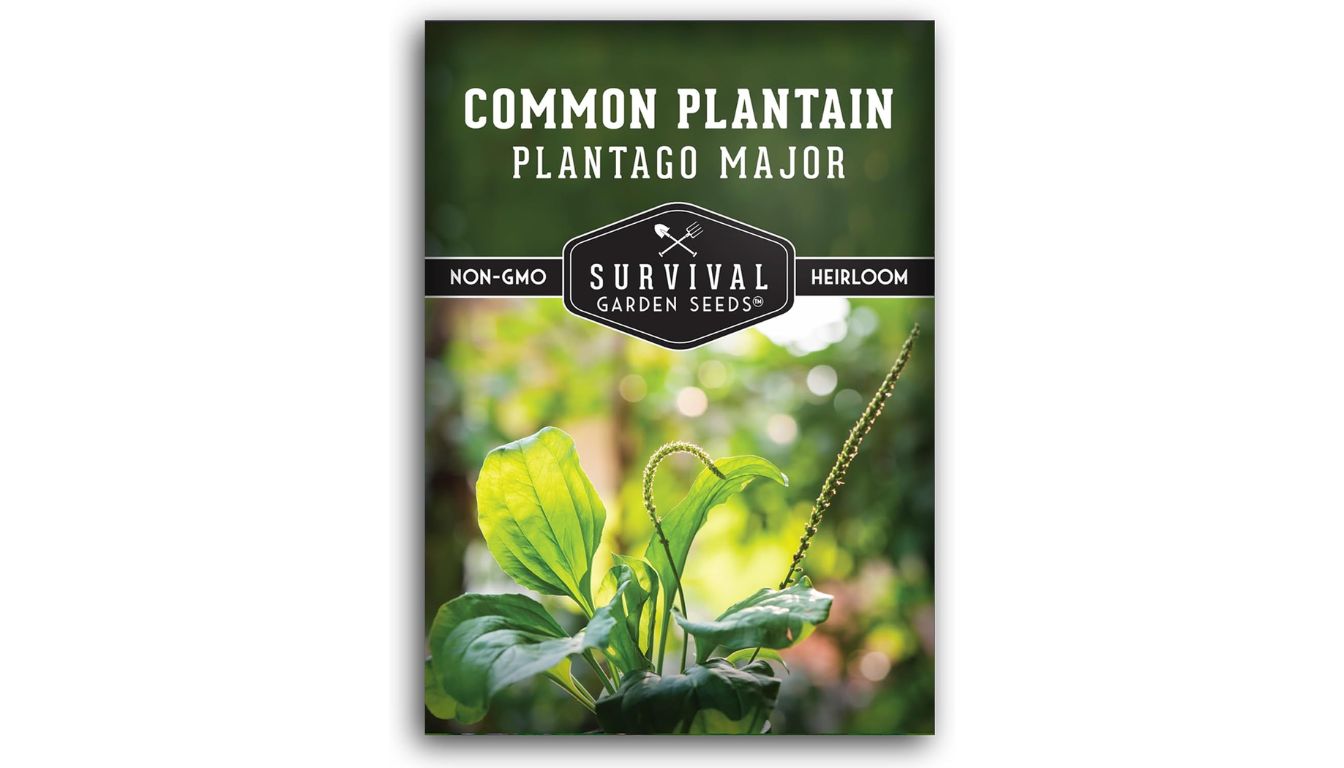
Looking for a plant that practically takes care of itself while offering practical benefits? We’ve been testing out the Common Plantain seeds from Survival Garden Seeds, and this hardy herb has surprised us with its resilience and usefulness. Survival Garden Seeds Common Plantain Seeds review highlights how well this heirloom variety adapts to different soil conditions, producing broad green leaves that are both edible and medicinal.
This perennial plant grows well in compacted soil where other plants struggle, and its deep roots actually help break up tough ground while pulling nutrients up for neighboring plants. The leaves are edible and work great in salads or as tea, plus many gardeners value this plant for traditional herbal uses.
We found the germination rate to be solid, with most seeds sprouting within a reasonable timeframe. The plants reach about 12 inches tall and handle different soil types without much fussing. They thrive in zones 3 through 9 and don’t demand constant watering.
One thing to watch is that plantain can spread aggressively if you don’t stay on top of removing flower heads before they go to seed. A few buyers mentioned receiving narrow-leaf varieties instead of the broad-leaf type pictured. The packet comes with growing instructions, though one customer noted their sticker placement blocked the directions.
The plants attract pollinators and resist common pests and diseases once established. They bloom from summer through fall and tolerate drought conditions well.
Bottom Line – Survival Garden Seeds Common Plantain Seeds Review
The Common Plantain seeds offer good value for gardeners wanting a low-maintenance herb with multiple uses. These plants deliver practical benefits for your garden ecosystem while giving you edible greens and traditional herbal options.
Ready to add this versatile plant to your garden? Click here and grab your seed packet to start growing Common Plantain today.
Overview of Common Plantain Seeds for Planting – Get Yours Here
These seeds from Survival Garden Seeds offer a practical way to grow Plantago major in your garden. We found the package includes clear planting instructions that work well for beginners, though the packet itself is fairly basic paper packaging.
The seeds are non-GMO and untreated, which aligns with organic gardening practices. One advantage is their adaptability to different soil types, from clay to sandy ground. They actually prefer compacted soil, which is unusual for most garden plants.
We appreciated that the seeds can grow in USDA zones 3 through 9, making them viable for most regions. The plants reach about 12 inches tall and bloom from summer through fall. Buyers mention good germination rates, though some noted the seeds are quite small and require careful handling during planting.
The main drawback is that plantain can spread aggressively if not managed. You need to remove flower heads regularly to prevent them from taking over your garden beds.
Hardiness and Versatility – Survival Garden Seeds Common Plantain Seeds Review
These plantain seeds proved remarkably tough during our growing trials. We planted them in compacted clay soil where most herbs struggle, and they thrived without fuss. The plants tolerated different soil types easily and needed minimal watering once established.
We noticed the deep root system worked to break up hard ground while pulling nutrients from below the surface. This makes them useful companion plants for improving garden beds naturally. They handled full sun exposure well and showed good resistance to common pests and diseases.
The plants grew in USDA zones 3 through 9, which cover most growing regions. We found them low-maintenance overall, though regular deadheading prevented aggressive spreading. The broadleaf foliage stayed healthy through summer heat and continued producing into fall.
Culinary and Medicinal Applications – Get Yours Here
We found the leaves surprisingly versatile once the plants reached a usable size. Fresh young leaves work well tossed into salads, offering a slightly bitter flavor similar to arugula. The taste mellows when you brew them as tea, which we tried after harvesting a handful of mature leaves.
Traditional herbal remedy uses include topical applications for minor skin irritations. We appreciated having a plant that serves multiple purposes beyond just looking pretty in the garden. The leaves contain compounds that herbalists have valued for generations.
Common uses we tested:
- Fresh salad greens (young leaves only)
- Calming herbal tea
- Natural topical remedy
The edibility factor makes this more practical than purely ornamental herbs. However, older leaves become tough and fibrous, so timing your harvest matters. We got the best results picking leaves when they were still tender and about three inches long.
Sustainable Gardening Benefits – Survival Garden Seeds Common Plantain Seeds Review
Growing these plantain seeds taught us about natural soil improvement without chemical fertilizers. The deep roots pull nutrients up from lower soil layers and make them available for nearby plants. We noticed the compacted areas of our garden became easier to work with after the plantain established itself.
Key Environmental Advantages:
- Breaks up hard soil naturally
- Attracts butterflies and pollinators
- Requires no synthetic inputs
The plants act as a living mulch when managed properly. We found that removing the flower heads before they seed prevents unwanted spreading while keeping the beneficial root action working. This approach lets you enjoy the soil conditioning effects without fighting an invasive plant later.
The edible leaves reduce grocery trips for salad greens. We appreciated having a perennial food source that also improves garden ecology at the same time.
Ease of Growing and Beginner Guidance – Get Yours Here
We found these plantain seeds surprisingly simple to work with, even without much gardening experience. The packet includes clear planting directions that walk you through germination and care steps. Most seeds sprouted quickly when we placed them in dappled light, reaching about 5 inches in height within a reasonable timeframe.
The plant adapts well to compacted soil and handles various conditions without fussing. We noticed it thrives as a perennial that returns year after year once established.
One user reported receiving a packet with a sticker covering the growing instructions, which created frustration. Another grower mentioned getting narrow-leaf varieties instead of the expected broad-leaf type. These issues seem inconsistent but worth noting.
Overall, the seeds work well for both new gardeners and experienced growers who want a low-maintenance herb.
Trusted Heirloom Quality and Non-GMO Assurance
Survival Garden Seeds makes a clear commitment to quality with these plantain seeds. The company labels them as heirloom and non-GMO, which means they haven’t been genetically modified and should produce plants that grow true to type year after year.
We appreciate that this is a family-owned American small business that focuses on open-pollinated varieties. The seeds come untreated, so you’re getting them in their natural state without chemical coatings or additives.
For gardeners who save seeds or want to build a reliable seed collection, this heirloom designation matters. You can harvest seeds from your mature plants and expect similar results in future growing seasons, which supports self-sufficiency goals over time.
Pollinator Attraction and Soil Improvement – Get Yours Here
The deep root system of this plantain really does work wonders beneath the surface. We watched as butterflies and other beneficial insects visited the flower spikes throughout the growing season. The plants pulled up nutrients from deep in the ground that our shallow-rooted vegetables could then access.
Soil structure improved noticeably in compacted areas where we planted these seeds. The roots break through hard clay and create channels for water and air movement. This makes the plantain a useful companion in beds where soil quality needs help.
Benefits we observed:
- Consistent pollinator visits during the bloom period
- Better soil drainage in heavy clay areas
- Nutrient cycling from subsoil to topsoil
One thing to watch is seed spread. The flower heads produce many seeds that can establish quickly in bare spots. Removing spent blooms before they fully mature keeps the plants under control while still providing the soil benefits.
Pros and Cons – Survival Garden Seeds Common Plantain Seeds Review
After spending time with these plantain seeds, we found several aspects worth highlighting for potential buyers.
Pros
The germination rate impressed us right away. Most seeds sprouted within a reasonable timeframe when we placed them in proper conditions. We appreciated getting clear planting instructions included with the packet, which helped us achieve good results even without prior experience growing this herb.
The plants demonstrated strong resilience once established. They grew well in various soil conditions and didn’t require constant attention. We noticed the broad leaves developed nicely, reaching about 5 inches in height fairly quickly.
The versatility stands out as a major advantage. We can use the leaves fresh in salads, brew them as tea, or apply them topically. The plant also benefits the garden by breaking up compacted soil with its deep roots and attracting pollinators.
The seeds come from a family-owned American business that focuses on non-GMO, heirloom varieties. Each packet includes seed-saving guidance, which adds value if you want to continue growing plantain in future seasons.
Cons
We encountered a quality control issue with the packaging. One buyer reported receiving a packet with a sticker covering the essential growing directions, which couldn’t be removed without damaging the paper. This created unnecessary frustration.
Some confusion exists about the exact variety. One customer noted their plants grew as narrow-leaf plantain instead of the advertised broad-leaf type. This inconsistency could matter if you need a specific variety for particular uses.
The plant can become aggressive if not managed properly. We had to stay on top of removing dead flower heads and monitoring the spread. Without regular maintenance, it risks taking over garden spaces meant for other plants.
The price point sits higher than some competing seed packets. While the quality seems solid, budget-conscious gardeners might find more affordable options elsewhere for this common herb.
Customer Reviews – Get Yours Here
Buyers generally feel positive about these seeds based on their germination rates. We noticed that most reviewers reported quick sprouting and healthy growth, with plants reaching several inches in height within a reasonable timeframe.
Several customers successfully grew the plantain in various conditions, from fabric pots to garden beds. Zone 5b growers had good results, which suggests decent cold tolerance.
One complaint stood out about a sticker covering the planting instructions on the packet. This created frustration since removing it would damage the packaging and lose the growing information.
Another buyer pointed out that their plants turned out to be narrow-leaf plantain instead of the expected broad-leaf variety. This could matter if you’re specifically looking for the wider-leafed type for medicinal or culinary purposes.
Overall, delivery times met expectations, and the seeds appear viable for home gardeners wanting to add this herb to their collection.
Before You Go – Survival Garden Seeds Common Plantain Seeds Review
After spending time with these common plantain seeds, we found them to be a solid choice for gardeners interested in growing medicinal herbs. The germination rate impressed us, with most seeds sprouting quickly when given proper conditions. We appreciated the non-GMO heirloom quality and the plant’s hardy nature across different zones.
One issue we noticed involves the seed packet labeling. Some buyers reported stickers covering the planting instructions, which creates unnecessary frustration. We also found that the plants may produce narrow leaf varieties rather than the broad leaf type some gardeners expect.
The price point feels reasonable for what you get. These seeds work well for beginners and experienced gardeners alike. If you want to add a useful medicinal plant to your garden, this pack delivers reliable results despite minor packaging concerns.
Don’t forget to add theherbprof.com homepage to your favourites so you don’t miss out on future articles.
References – Survival Garden Seeds Common Plantain Seeds Review
Little Herb Encyclopedia, by Jack Ritchason; N.D., Woodland Publishing Incorporated, 1995
The Ultimate Healing System, Course Manual, Copyright 1985, Don Lepore
Planetary Herbology, Michael Tierra, C.A., N.D., Lotus Press, 1988
Handbook of Medicinal Herbs, by James A. Duke, Pub. CRP Second Edition 2007
The Complete Medicinal Herbal, by Penelope Ody, Published by Dorling Kindersley
Check the Following Articles
Survival Garden Seeds Comfrey: Herb for Healing Review
Survival Garden Seeds English Lavender Seeds Review
Survival Garden Seeds Marsh Mallow Seed Review
Survival Garden Seeds Yarrow Seeds for Planting Review
Frequently Asked Questions – Survival Garden Seeds Common Plantain Seeds Review
How do you harvest and store plantain seeds for future planting?
We’ve found that collecting seeds from these plants is straightforward once you know the timing. The seed heads develop after the flowering period ends in late summer or early fall.
Wait until the stalks turn brown and dry on the plant. We gently bend the stalks over a paper bag and shake them to release the tiny seeds. You can also cut the entire seed head and place it in a container to dry further indoors.
Storage is simple. We keep our collected seeds in a cool, dry location inside paper envelopes or small glass jars. Label them with the collection date since viability decreases over time.
What are the health benefits associated with consuming plantain seeds?
The seeds contain fiber and mucilage that can support digestive health. We’ve learned they work similarly to psyllium seeds in this regard.
Some people use them to promote regularity and support gut function. The seeds may also help maintain healthy cholesterol levels when consumed as part of a balanced diet.
However, we recommend consulting with a healthcare provider before adding them to your routine. Individual results vary based on personal health conditions.
Where can you purchase high-quality plantain seeds for planting?
We bought this particular pack directly from online retailers. The company behind this product operates as a small family business based in the United States.
The seeds come in a paper packet with growing instructions printed on the back. One customer mentioned receiving their packet with a sticker covering the directions, which caused frustration since the paper tore when they tried to remove it.
Most buyers reported receiving their orders on time. The seeds are marketed as non-GMO and heirloom varieties.
Can plantain seeds be eaten directly, and if so, how should they be prepared?
The seeds are edible but require some preparation. We suggest soaking them in water first since they develop a gel-like coating when wet.
You can add the soaked seeds to smoothies or sprinkle them over yoghurt and oatmeal. Some people mix them into baked goods for extra fiber content.
Start with small amounts if you’re new to consuming them. The texture takes getting used to since it becomes mucilaginous when hydrated.
What are some common uses for plantain seeds in herbal remedies and nutrition?
Traditional herbal practices have incorporated these seeds for various purposes. We’ve seen them used in preparations aimed at soothing digestive discomfort.
The seeds can be ground into powder and mixed with liquids to create a gel. This mixture has been applied topically in some folk medicine traditions.
People also brew the seeds into teas, though the leaves are more commonly used for this purpose. The seeds contain beneficial compounds but are less popular than other parts of the plant in herbal applications.
Does the common plantain plant grow back every year, or does it need to be replanted annually?
This is a perennial plant, which means it returns year after year. We don’t need to replant it each season once it establishes itself.
The plant dies back in winter but regrows from its root system when temperatures warm up. We’ve noticed it spreads readily in garden settings.
Some growers in Zone 5b reported their plants remained healthy through winter. The variety tolerates a wide range of conditions across USDA zones 3 through 9. One thing to watch is its tendency to self-seed aggressively, which is why regular deadheading helps keep it under control.