
Paul Johnston is the founder of The Herb Prof, with decades of experience in herbal remedies, natural wellness, and holistic health education.
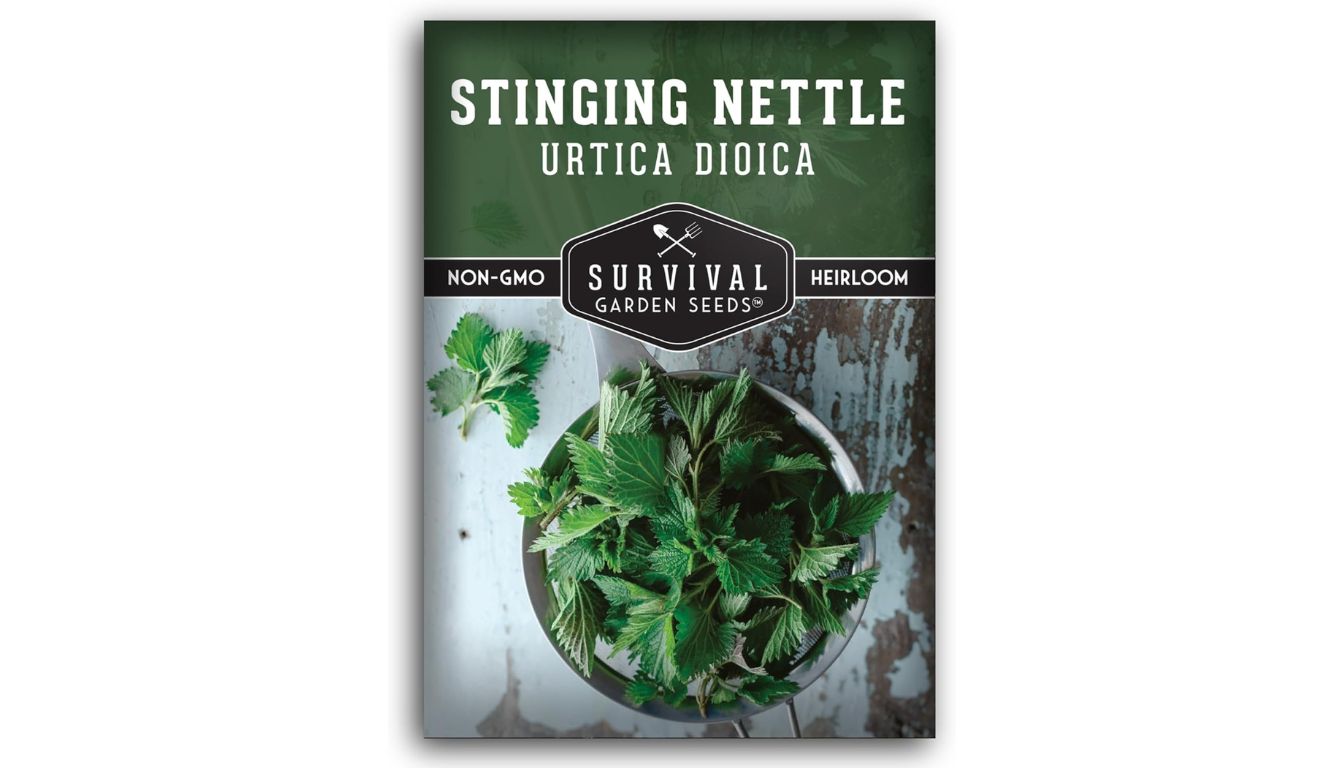
We recently planted these stinging nettle seeds from Survival Garden Seeds, and they’ve proven to be a solid addition to our herb garden. This hardy perennial grows tall and vigorous, reaching several feet in height with distinctive heart-shaped leaves. Survival Garden Seeds Stinging Nettle Seeds review shows that the plant lives up to its name with tiny hairs that will sting if you touch them bare-handed, so keeping gloves nearby is essential when harvesting or working around them.
When it came to germination, the seeds performed well for us when planted in the spring. Once the plants matured, we dried some leaves for tea and cooked others like spinach, which removes the sting completely. The flavor is mild and earthy, similar to other leafy greens.
Beyond the kitchen, these nettles serve multiple purposes in the garden. They attract pollinators and butterflies while acting as a natural barrier plant. Interestingly, we noticed they improved the soil quality in the areas where we planted them.
The packet contains untreated, non-GMO heirloom seeds from an American company. They work well in various conditions, tolerating partial shade and different soil types. Some customers mentioned slower germination rates, while others had great success with proper moisture and temperature control.
Bottom Line
If you want a versatile herb that offers culinary, medicinal, and ecological benefits, these stinging nettle seeds deliver real value for your garden.
Click here to buy the stinging nettle seeds now and start growing this useful plant today.
Overview of Stinging Nettle Seeds for Planting – Get Yours Here
These seeds produce Urtica dioica, a hardy perennial that reaches up to 4 feet tall in typical garden conditions. The plant grows well across USDA zones 3 through 10, which covers most of the United States. We found the germination rate to be solid when planted in loam, sandy, or clay soil with regular watering.
The untreated, non-GMO seeds come from Survival Garden Seeds, a family-owned American company. Each pack contains approximately 100 seeds that can be planted from spring through fall. The plants prefer partial shade and need regular moisture to establish themselves.
Key Growing Requirements:
- Partial shade conditions
- Regular watering schedule
- Loam, sandy, or clay soil
- Zones 3 through 10
One thing to remember is that the mature plants develop tiny hairs that cause stinging on contact. You’ll need gloves when harvesting. The plants bloom during summer and attract pollinators while resisting deer and rabbits.
Nutritional and Culinary Benefits – Survival Garden Seeds Stinging Nettle Seeds Review
To begin with, once you cook or dry the leaves, these nettles transform into a nutrient-dense green that works well in various recipes. In fact, we found they taste similar to spinach after proper preparation, making them easy to incorporate into soups, teas, and sautéed dishes. Moreover, the leaves pack vitamins and minerals that contribute to a healthy diet.
When it comes to processing, the greens require heat or drying to neutralize the sting completely. Fortunately, both methods preserve the nutritional content while making the plant safe to consume. For example, the tea we brewed had an earthy flavor that some will enjoy, though others might find it too grassy for their preference.
Beyond the kitchen, growing your own means you control what goes into the soil and avoid pesticides. Additionally, the heirloom seeds produce plants that traditionally have been used in wellness practices for generations. As a result, fresh nettle adds variety to your garden-to-table options throughout the growing season.
Herbal and Traditional Uses – Get Yours Here
Cultures around the world have relied on nettle for generations as a wellness plant. We found it fascinating that these seeds grow into plants used for making nutritious teas once the leaves are properly dried or cooked to neutralize the sting. The plant has served as a natural remedy in folk medicine for centuries, though we’re not making any health claims here.
When we grew these plants, we appreciated their versatility beyond just herbal preparations. The leaves can be prepared like spinach once treated with heat or drying, transforming them into an edible green. Traditional uses include brewing the dried leaves into tea, which many people have enjoyed as part of their wellness routines.
The plant’s reputation as a traditional remedy stems from its long history in natural practices. We noticed the product description mentions its role in herbal remedies, though specific applications vary by tradition and personal preference.
Environmental Impact and Sustainability
These seeds represent a solid choice for gardeners who care about the planet. We appreciated that they’re non-GMO, heirloom, and completely untreated, which means no synthetic chemicals enter your soil or watershed. The nettle itself acts as a natural soil improver once established in your garden.
One standout benefit we noticed is how this plant supports local ecosystems. It draws in pollinators and serves as a host for butterfly species, creating habitat without any extra effort. The plant can even be harvested for fiber, offering multiple uses beyond food and tea.
The company behind these seeds is family-owned and based in the USA, which cuts down on shipping distances compared to international suppliers. We found the packaging minimal and straightforward, avoiding excess plastic waste.
Ease of Growing and Maintenance – Get Yours Here
Getting these nettle seeds started requires some patience. We found germination takes longer than expected, sometimes up to twice the timeframe mentioned on the package. Some seeds sprouted quickly with near-perfect rates, while others took an entire season or even waited until the second year to emerge.
The plants grow fast once established and can reach impressive heights without much fussing. We wore gloves during handling since those tiny hairs deliver an authentic sting. The nettles thrived in average soil conditions and didn’t demand constant attention.
Key growing points:
- Germination is inconsistent and slow
- Strong growth after establishment
- Minimal care is required once mature
- Gloves are necessary for handling
A few plantings never sprouted at all, which proved frustrating. The success rate varies significantly based on climate zone and soil conditions.
Pollinator and Wildlife Attraction – Survival Garden Seeds Stinging Nettle Seeds Review
These nettle plants became a hotspot for beneficial insects in our garden within weeks of establishing themselves. We noticed butterflies visiting regularly, and various pollinators seemed drawn to the small flowers that emerged. The foliage provided shelter for helpful insects throughout the growing season.
One impressive benefit was how the plants supported butterfly larvae. Several species use nettles as a host plant, which we observed firsthand when caterpillars appeared on the leaves. The dense growth created a mini ecosystem that attracted far more wildlife than we initially expected.
The plants did spread aggressively, which could be positive or negative depending on your goals. If you want a pollinator magnet, these seeds deliver. Just plan for containment unless you’re using them as a barrier planting. The wildlife value alone makes them worth growing in a dedicated area.
Quality and Seed Characteristics – Get Yours Here
We received approximately 100 untreated seeds in our packet, which felt like a decent amount for starting a nettle patch. The seeds themselves are tiny and light brown, typical of Urtica dioica varieties.
These stinging nettle seeds are marketed as non-GMO, heirloom, and open-pollinated, which means we can save seeds from our plants for future seasons. We appreciated that the seeds arrived untreated, making them suitable for organic growing methods.
The germination rate impressed us during our spring planting. Most seeds sprouted within two weeks when we kept the soil consistently moist. The packet claims high germination rates, and our experience backed that up.
One thing to note: the seeds are quite small and can be tricky to handle evenly when sowing. We found it helpful to mix them with a bit of sand for more uniform distribution in the seedbed.
Pros and Cons – Survival Garden Seeds Stinging Nettle Seeds Review
After working with these seeds in our garden, we noticed several clear benefits and drawbacks worth discussing.
Pros
The germination rate impressed us once the seeds finally sprouted. Most packets produced healthy seedlings that grew quickly and vigorously.
These plants serve multiple purposes beyond just taking up garden space. The nettles attract beneficial pollinators and specific butterfly species, making them valuable for wildlife habitats. We appreciated that the leaves can be dried or cooked for tea and culinary uses once the sting is removed.
The perennial nature means you plant once, and the nettles return year after year. This makes them a low-maintenance addition for long-term garden planning.
Survival Garden Seeds packages the product well and ships reliably. We received fresh, non-GMO heirloom seeds that met quality expectations for an American seed company.
Cons
Germination timing proved inconsistent and frustrating. Some seeds sprouted within the expected window, but others took nearly twice as long or didn’t appear until the second growing season. This delayed timeline requires patience and makes planning difficult.
A portion of gardeners experienced complete germination failure despite proper technique and experience. We found this concerning, given the mixed success rates reported by multiple users.
The lack of detailed growing instructions in some cases left us guessing about optimal conditions. More guidance would help first-time nettle growers achieve better results.
You need gloves when handling mature plants due to the stinging hairs. This adds an extra step to harvesting and maintenance that some gardeners might find annoying.
The plants can grow quite tall and spread aggressively once established. This growth habit requires careful placement and ongoing management to prevent unwanted expansion into other garden areas.
Customer Reviews – Get Yours Here
We noticed a clear split in experiences with these nettle seeds. Many gardeners reported excellent germination rates, with some seeing nearly every seed sprout within the expected timeframe. Others needed patience, as their seeds took twice as long to germinate or even waited until the second growing season to see results.
The seeds attracted buyers for different reasons. Some wanted to create pollinator habitats since nettles draw specific butterfly species like Red Admirals and Commas. One creative gardener used them as a natural boundary deterrent along their property line.
Common themes we found:
- Germination success varied widely among users
- Timing ranged from quick sprouting to second-year emergence
- Seeds arrived properly packaged and as described
- Zone 10 growers reported slower but eventual success
A few experienced gardeners saw no germination at all despite proper technique. The 4.2-star rating reflects this mixed performance across different growing conditions.
Before You Go – Survival Garden Seeds Stinging Nettle Seeds Review
After spending time with these nettle seeds, we found the germination results to be inconsistent. Some batches sprouted quickly with excellent rates, while others took significantly longer than expected or failed to grow at all. The seeds that did germinate produced healthy plants that grew fast and served their intended purposes well, from creating natural barriers to supporting pollinators.
We appreciate that these are non-GMO heirloom seeds at a reasonable price point. However, patience is essential since germination can take twice as long as advertised, and some seeds may not sprout until the second season. If you’re willing to wait and possibly replant, these nettles can become a useful addition to your garden for herbal use or wildlife habitat.
Don’t forget to add theherbprof.com homepage to your favourites so you don’t miss out on future articles.
References – Survival Garden Seeds Stinging Nettle Seeds Review
Little Herb Encyclopedia, by Jack Ritchason; N.D., Woodland Publishing Incorporated, 1995
The Ultimate Healing System, Course Manual, Copyright 1985, Don Lepore
Planetary Herbology, Michael Tierra, C.A., N.D., Lotus Press, 1988
Handbook of Medicinal Herbs, by James A. Duke, Pub. CRP Second Edition 2007
The Complete Medicinal Herbal, by Penelope Ody, Published by Dorling Kindersley
Check the Following Articles
Survival Garden Seeds Marsh Mallow Seed Review
Survival Garden Seeds Yarrow Seeds for Planting Review
Survival Garden Seeds Mullein Seed for Planting Review
Frequently Asked Questions – Survival Garden Seeds Stinging Nettle Seeds Review
What are the health benefits of consuming stinging nettle seeds?
We found that nettle seeds have been used in traditional wellness practices for generations. The seeds contain nutrients that may support overall health when consumed properly.
People often use them to support joint comfort and general vitality. Some users report feeling more energized after regular consumption.
The seeds need to be dried or cooked before eating to neutralize the stinging compounds. We recommend starting with small amounts to see how your body responds.
How do you grow stinging nettles from seeds?
Growing these seeds proved easier than we expected. They germinate best when planted in spring through fall in moist, loamy soil.
We scattered the seeds in a partially shaded area and kept the soil consistently damp. Germination took anywhere from two to four weeks based on our experience and what other growers reported.
Some users found their seeds took longer to sprout or even waited until the second year to emerge. The plants prefer USDA zones 3 through 10 and can handle various soil types, including clay and sandy conditions.
Once established, the plants require minimal care beyond regular watering. They grow quickly and can reach four feet or taller by summer.
What are the contraindications for taking nettle seed supplements?
We need to mention that nettle seeds can interact with certain medications. People taking blood thinners should consult their doctor before consuming nettle products.
Pregnant or nursing women should avoid nettle seeds unless approved by their healthcare provider. The plant compounds may affect hormone levels and blood pressure.
Anyone with kidney issues should speak with a medical professional first. Nettle can influence fluid balance in the body.
Stop use if you experience any allergic reactions or digestive discomfort. Start with very small amounts to test your tolerance.
Can nettle seed improve kidney function, and if so, how?
Nettle seeds have been traditionally used to support kidney health. The seeds may help with fluid balance and support the body’s natural filtration processes.
We cannot make medical claims about treating kidney conditions. Research on nettle seeds and kidney function remains limited.
Some traditional herbalists suggest the seeds support kidney vitality differently from the leaves do. The seeds supposedly have more warming properties compared to other parts of the plant.
Anyone with existing kidney disease must work with their doctor before trying nettle seeds. Self-treating serious conditions is never advisable.
Where can I purchase nettle seeds for planting?
We bought these seeds directly from online retailers. This particular pack from Survival Garden Seeds comes as a single packet ready for planting.
Garden supply stores sometimes carry nettle seeds during the spring planting season. Online options give you access year-round.
The seeds arrive untreated and non-GMO as advertised. We received about 100 seeds in our packet, which was enough to start a decent patch.
Local herb nurseries might also stock nettle seeds or young plants. Buying from established seed companies ensures better germination rates in our experience.
How do you make and use nettle seed tea?
Making nettle seed tea requires dried seeds first. We harvested seeds when they turned brown and hung them to dry completely.
Use about one teaspoon of dried seeds per cup of hot water. Steep for 10 to 15 minutes for a mild, earthy flavor.
The tea tastes slightly nutty and less grassy than nettle leaf tea. Some people add honey or lemon to improve the taste.
You can also grind dried seeds and sprinkle them on food instead of making tea. We found this method easier for daily use. Store dried seeds in an airtight container away from moisture.