
The Herb Prof Team researches and writes our herbal guides, drawing on published research, traditional herbal references, and hands-on growing experience.
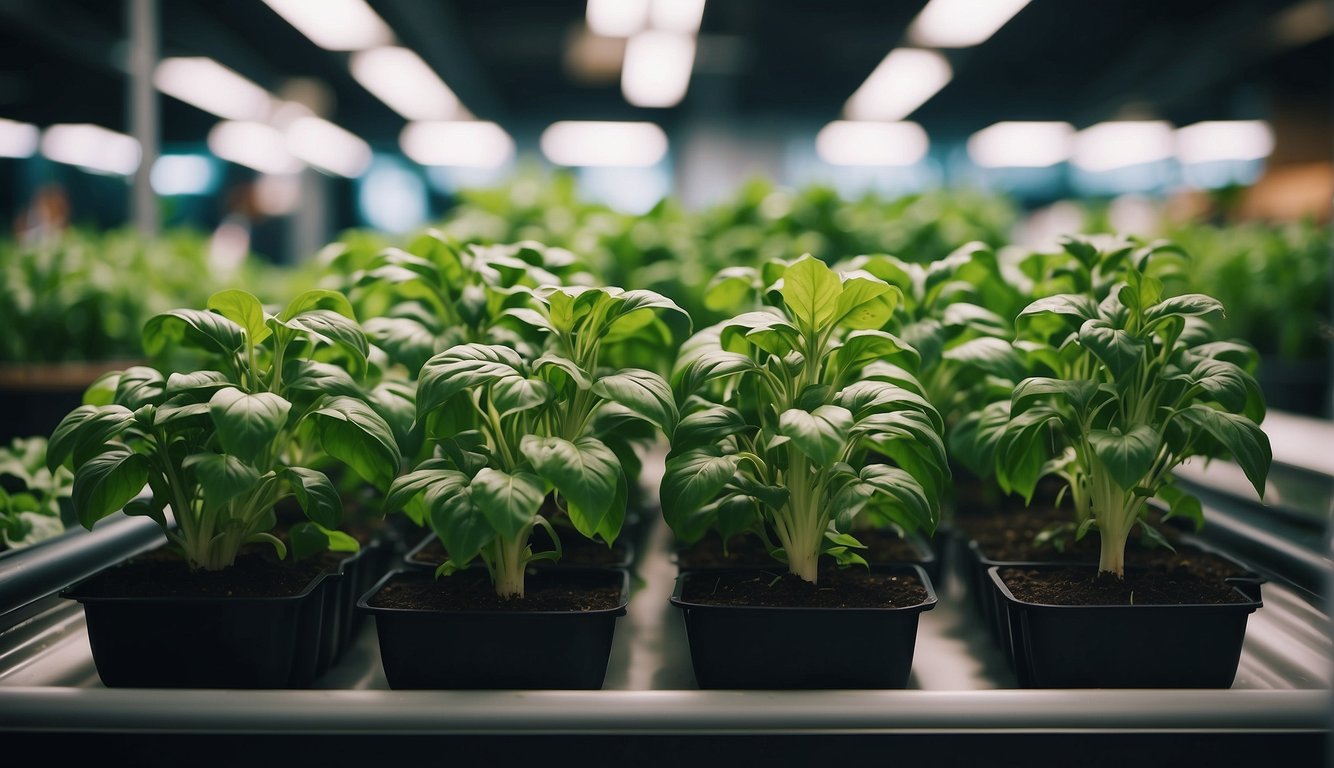
Hydroponic basil from the grocery store is a fantastic way to get fresh herbs year‑round. Hydroponics involves growing plants without soil, using nutrient‑rich water. Hydroponic Basil: Grow Grocery Store Plants at Home shows how this method allows for faster growth and higher yields. It’s ideal for commercial herb production.
When purchasing hydroponic basil from the grocery store, it’s important to know how to care for it to ensure it stays fresh and healthy. Proper storage is key, as basil is a delicate herb that can quickly wilt or become slimy if not handled correctly. Keeping the basil at a temperature between 40 and 45 degrees Fahrenheit in the refrigerator is ideal for a week or so. Additionally, providing the basil with adequate light and water is crucial for its survival.
Understanding Hydroponics Basil from the Grocery Store
Basics of Hydroponic Systems
Hydroponics is a method of growing plants without soil. Instead, plants are grown in a nutrient-rich solution that provides all the necessary minerals and nutrients. The solution circulates through the system, ensuring every plant receives equal nutrients for healthy growth and consistent development. There are different types of hydroponic systems, including deep water culture, nutrient film technique, and drip irrigation.
Deep water culture is one of the easiest hydroponic systems to set up and maintain. In this system, plants are suspended in a nutrient-rich solution that is aerated to provide oxygen to the roots. The roots grow directly into the solution, which means that they have constant access to the nutrients they need.
Benefits of Hydroponic Basil from the Grocery Store
Hydroponic basil has become increasingly popular in recent years due to its many benefits. Hydroponic basil grows without soil, reducing contamination risks from harmful bacteria or toxins, making it safer and healthier. This makes it a safer and healthier option for consumption.
Another benefit is that hydroponic basil grows in controlled environments, reducing pest risks and minimizing pesticide use. This makes it a more environmentally friendly option by lowering reliance on pesticides and other chemicals.
In addition, hydroponic basil is often grown using less water than traditional gardening methods. The nutrient-rich solution recirculates through the system, reducing overall water use and making hydroponic basil more sustainable. This makes it a more sustainable option for those who are concerned about water conservation.
Overall, hydroponic basil is a great option for those who want to enjoy fresh, healthy basil without the hassle of traditional gardening methods. With its many benefits, it is no wonder that hydroponic gardening has become increasingly popular in recent years.
Getting Started with Hydroponic Basil from the Grocery Store
If you’re interested in growing fresh and flavorful basil right in your own home, hydroponic basil is a great way to do it. With hydroponic basil, you grow herbs without soil, producing cleaner, healthier plants that are easier to maintain.
Choosing Basil Varieties
Before you get started with hydroponic basil, it’s important to choose the right variety of basil for your needs. There are many different types of basil available, including Genovese, Thai, and sweet basil. Each basil type offers unique flavor and growing needs, so choose the variety that best suits your preferences.
Genovese basil is a popular choice for hydroponic gardening because it has a strong, sweet flavor and is easy to grow. Thai basil is another popular variety that has a spicy, anise-like flavor. Sweet basil is a milder variety that is often used in Italian cuisine.
Selecting a Hydroponic System
Once you’ve chosen your basil variety, it’s time to select a hydroponic system. Deep water culture (DWC) is the most popular hydroponic system for growing basil successfully at home. The system uses net pots to secure plants, letting roots grow directly in nutrient-rich, aerated water.
When selecting a DWC system, it’s important to choose one that is the right size for your needs. A small system may be sufficient if you’re only growing a few plants, while a larger system may be necessary if you want to grow a larger quantity of basil.
In summary, getting started with hydroponic basil is easy and rewarding. By choosing the right variety of basil and selecting the right hydroponic system, you can enjoy fresh, flavorful herbs right in your own home.
Preparation for Planting
Before planting hydroponic basil from a grocery store, it is important to prepare the growing medium and ensure the store-bought basil is healthy and ready for transplanting.
Preparing the Growing Medium
The growing medium plays an essential role in hydroponic gardening. It supports the plant roots and distributes nutrients and water evenly. Two popular growing mediums for hydroponic basil are perlite and rockwool cubes.
To prepare perlite, I mix it with water until it feels damp but not soaking. I fill a net pot with the damp perlite and place it in the hydroponic system. For rockwool cubes, I soak them in water for at least an hour before planting the basil.
Transplanting Store-Bought Basil
To transplant store-bought basil, I first remove it from its original container and gently rinse the root ball in clear, running water that is about room temperature. Then, I place the basil in a net pot filled with the prepared growing medium.
I must ensure that the basil is planted at the same depth it was in its original container. Also, I gently pack the growing medium around the root ball to hold the basil in place.
By following these simple steps, I can successfully transplant healthy store-bought basil into a hydroponic system and enjoy fresh basil year-round.
Optimizing Growth Conditions – Hydroponic Basil: Grow Grocery Store Plants at Home
Hydroponic basil from the grocery store can be a great addition to your indoor garden. However, to ensure optimal growth and yield, it is important to provide the right growing conditions. In this section, I will discuss the key factors that contribute to the growth of hydroponic basil and how to optimize them.
Lighting and Temperature Control
Light and temperature are essential factors that affect the growth of hydroponic basil. Basil requires at least 6-8 hours of light per day, preferably from a full-spectrum LED light source. The light should be positioned about 12-18 inches above the plants to provide adequate coverage. Additionally, warm temperatures ranging from 70 to 80°F are optimal for basil growth. However, it is important to ensure that the temperature does not exceed 85°F, as this can cause damage to the plants.
Water and Nutrient Management
In hydroponic systems, water and nutrient management are crucial for optimal plant growth. Basil requires a slightly acidic environment, with a pH of 5.5 to 6.5. It is important to monitor the pH level of the nutrient solution regularly and adjust it as needed using a pH meter or pH test kit. Additionally, it is recommended to use a high-quality hydroponic nutrient mix and change the solution every two weeks to prevent nutrient build-up and pH imbalances.
Humidity is also an important factor to consider when growing hydroponic basil. The ideal humidity level for basil is between 40% and 60%. To maintain the appropriate humidity level, it is recommended to use a humidifier or a small fan to increase air circulation.
Proper root development is also essential for optimal nutrient absorption and growth rate. To ensure healthy root growth, the roots should be submerged in the nutrient solution at all times. It is also recommended to use a root booster to promote root growth and development.
Optimizing the growth conditions of hydroponic basil from the grocery store requires careful attention to lighting, temperature, water, and nutrient management. By providing the right growing conditions, you can enjoy a bountiful harvest of aromatic basil leaves year-round.
Ongoing Care and Maintenance
As a hydroponic basil plant owner, it is important to provide ongoing care and maintenance to ensure the plant’s optimal growth and health. Here are some tips on how to properly maintain your hydroponic basil plant:
Pruning and Harvesting Techniques – Hydroponic Basil: Grow Grocery Store Plants at Home
Regular pruning and harvesting are essential for the growth and health of your hydroponic basil plant. When pruning, use clean and sharp scissors to snip off any dead or yellowing leaves. This will promote new growth and prevent the spread of diseases. It is recommended to prune your basil plant every 2-3 weeks.
When harvesting basil leaves, it is important to do so carefully to avoid damaging the plant. Choose the largest and healthiest leaves first, and be sure to leave enough leaves on the plant to allow for continued growth. To harvest, use scissors to snip off the leaves at the stem.
Pest and Disease Management
Organic pest control is the best way to manage pests and diseases on your hydroponic basil plant. Common pests that may affect your basil plant include aphids and whiteflies. To prevent these pests, keep your basil plant in a clean and well-ventilated area. If you notice any pests on your plant, remove them immediately by using a gentle spray of water or by manually removing them with a cotton swab.
Downy mildew is a common disease that affects basil plants. To prevent downy mildew, avoid getting water on the leaves of the plant and ensure proper ventilation. If you notice any signs of downy mildew, such as yellowing or wilting leaves, remove the affected leaves immediately and treat the plant with an organic fungicide.
By following these simple tips, you can ensure the continued growth and health of your hydroponic basil plant.
Harvesting and Storing Hydroponic Basil from the Grocery Store

Growing hydroponic basil is a great way to have fresh herbs on hand all year round. Once the basil has reached maturity, it’s time to harvest it for use in your favorite recipes. Here are some tips for proper harvesting and storing of hydroponic basil.
Proper Harvesting Methods – Hydroponic Basil: Grow Grocery Store Plants at Home
When harvesting hydroponic basil, it’s important to use the proper methods to ensure maximum yield and flavor. The best time to harvest basil is in the morning, after the dew has dried but before the sun gets too hot. This is when the oils in the basil are at their peak, giving the herb its best flavor.
To harvest the basil, use a clean pair of scissors or pruning shears to cut the stem just above a node where two leaves meet. This will encourage the plant to grow more leaves and keep producing throughout the growing season. Be sure to remove any yellow or damaged leaves as you harvest to keep the plant healthy.
Storing for Freshness
To keep your hydroponic basil fresh and flavorful, it’s important to store it properly. One of the best ways to store fresh basil is in a glass of water, like a bouquet. This will keep the leaves hydrated and fresh for up to a week. Change the water every other day to keep it fresh.
If you need to store the basil for longer, you can wrap it in a damp paper towel and place it in a plastic bag or a ventilated plastic bag. Be sure to remove as much air as possible from the bag to prevent the leaves from wilting. Alternatively, you can store the basil in a vase with a small amount of water, covering the leaves with a plastic film to keep them moist.
Avoid using preservatives or chemicals when storing your hydroponic basil, as these can affect the flavor and quality of the herb. With proper harvesting and storage techniques, you can enjoy fresh, flavorful basil all year round.
Advanced Tips for Enthusiasts – Hydroponic Basil: Grow Grocery Store Plants at Home
As an enthusiast of hydroponic basil from grocery stores, I have experimented with different varieties of basil and found some tips to enhance their flavor and growth rate. Here are some advanced tips that will help you get the most out of your hydroponic basil.
Experimenting with Basil Varieties
One of the joys of hydroponic gardening is the ability to experiment with different varieties of herbs. When it comes to basil, there are many different types to choose from, each with its own unique flavor and aroma. Some popular varieties of basil include Genovese, Thai, Lemon, and Purple Opal.
To get the best results, it’s important to choose a variety that is well-suited to your growing environment. For example, if you live in a hot, dry climate, you may want to choose a variety of basil that is more tolerant of heat and drought.
Enhancing Flavor and Growth – Hydroponic Basil from Grocery Store
To enhance the flavor and growth rate of your hydroponic basil, there are a few things you can do. First, make sure you are providing your plants with the right nutrients. Basil is a heavy feeder, so it’s important to use a high-quality hydroponic fertilizer.
Second, consider adding some companion plants to your hydroponic garden. Plants like marigolds and nasturtiums can help repel pests and attract beneficial insects, which can help improve the flavor and health of your basil plants.
Finally, be patient. Hydroponic gardening requires a bit of trial and error, so don’t be discouraged if your first few attempts don’t yield the results you were hoping for. With a little patience and persistence, you can create a thriving hydroponic garden and enjoy the fruits of your labor in your culinary creations.
Using Hydroponic Basil in Culinary Creations
Basil is a versatile herb that can be used in a variety of dishes to add an extra layer of flavor. Hydroponic basil, grown without soil, is a great option for those who want to incorporate fresh herbs into their culinary creations without the hassle of soil maintenance. Here are some ideas for how to use hydroponic basil in your dishes.
Incorporating Fresh Basil into Dishes – Hydroponic Basil: Grow Grocery Store Plants at Home
One of the easiest ways to use hydroponic basil is to add it directly to your dishes as a garnish. Chop fresh basil leaves and sprinkle them over salads, soups, or pasta to bring a burst of flavor. You can also top pizza with basil or layer it into sandwiches for extra taste.
If you want to incorporate basil more fully, use it as a key ingredient in recipes. Pair basil with tomatoes to enhance pasta sauces and salsas. Mix it into marinades for meats or stir it into scrambled eggs to give breakfast a fresh twist.
Making Homemade Pesto
One of the most popular ways to use basil is to make homemade pesto. You blend basil, pine nuts, garlic, Parmesan cheese, and olive oil into a rich, flavorful sauce. You can top pasta with it, spread it on sandwiches, or serve it as a dip for vegetables.
To make homemade pesto, blend basil leaves, pine nuts, garlic, and Parmesan cheese in a food processor. Keep the processor running and slowly pour in olive oil until the mixture turns smooth and creamy. Add salt and pepper to taste.
Using hydroponic basil in your cooking adds fresh flavor to every dish without the hassle of soil maintenance. Whether you sprinkle it as a garnish or mix it into recipes, basil remains a versatile herb that elevates a wide variety of meals.
Before You Go – Hydroponic Basil: Grow Grocery Store Plants at Home

Growing basil hydroponically at home isn’t just about convenience; it’s about freshness, flavor, and the joy of nurturing plants right in your kitchen. By setting up a simple hydroponic system, you can skip the wilted bunches from the grocery store and harvest vibrant leaves whenever you need them.
Remember, basil thrives when you give it consistent light, clean water, and the right nutrients. Keep an eye on your plants, trim them regularly, and they’ll reward you with a steady supply of fragrant leaves for sauces, salads, and teas.
Hydroponic gardening may sound high‑tech, but once you get started, you’ll see how easy and rewarding it can be. With a little care, your countertop can become a mini herb farm, and your cooking will never be the same.
Don’t forget to add theherbprof.com homepage to your favourites so you don’t miss out on future articles!
References – Hydroponic Basil: Grow Grocery Store Plants at Home
Little Herb Encyclopedia, by Jack Ritchason; N.D., Woodland Publishing Incorporated, 1995
The Ultimate Healing System, Course Manual, Copyright 1985, Don Lepore
Planetary Herbology, Michael Tierra, C.A., N.D., Lotus Press, 1988
Handbook of Medicinal Herbs, by James A. Duke, Pub. CRP Second Edition 2007
The Complete Medicinal Herbal, by Penelope Ody, Published by Dorling Kindersley
Check the Following Articles
How to Fertilize Tomatoes: Healthy and Productive Plants
Growing Peppers Indoors Year Round
Frequently Asked Questions – Hydroponic Basil: Grow Grocery Store Plants at Home
How can you transplant hydroponic basil from the grocery store into soil?
Transplanting hydroponic basil from the grocery store into soil is simple. First, gently remove the plant from its container and rinse the roots with water to clear away any growing medium. Then, plant the basil in a pot with well‑draining soil. Cover the roots but keep the stem above the soil. Water thoroughly and place the plant in a sunny spot.
What are the best conditions to grow hydroponic basil indoors?
Hydroponic basil thrives in warm, humid environments. Keep the temperature between 70–80°F (21–27°C) and maintain humidity around 50–70%. Provide at least six hours of direct sunlight or bright artificial light each day.
What steps should be taken to ensure a hydroponic basil plant from the grocery store thrives?
Place your basil in a sunny location, water regularly, and supply nutrients through a well‑draining growing medium. Monitor the plant for pests or disease and act quickly if problems appear.
Can hydroponic basil from the grocery store be used to start a new hydroponic system?
Yes. Remove the plant from its container, rinse the roots with water, and transplant it into a new hydroponic system. Ensure the system delivers enough water, nutrients, and light for healthy growth.
What are the common mistakes to avoid when caring for grocery store hydroponic basil?
Avoid overwatering, underwatering, and using poor‑quality growing mediums. Don’t place basil in low‑light areas. Watch for pests or disease and respond immediately if issues arise.
How often should you water hydroponic basil from the grocery store to keep it alive?
Water based on growing conditions and plant size. Check the top inch of the growing medium; if it feels dry, water. Avoid overwatering to prevent root rot.