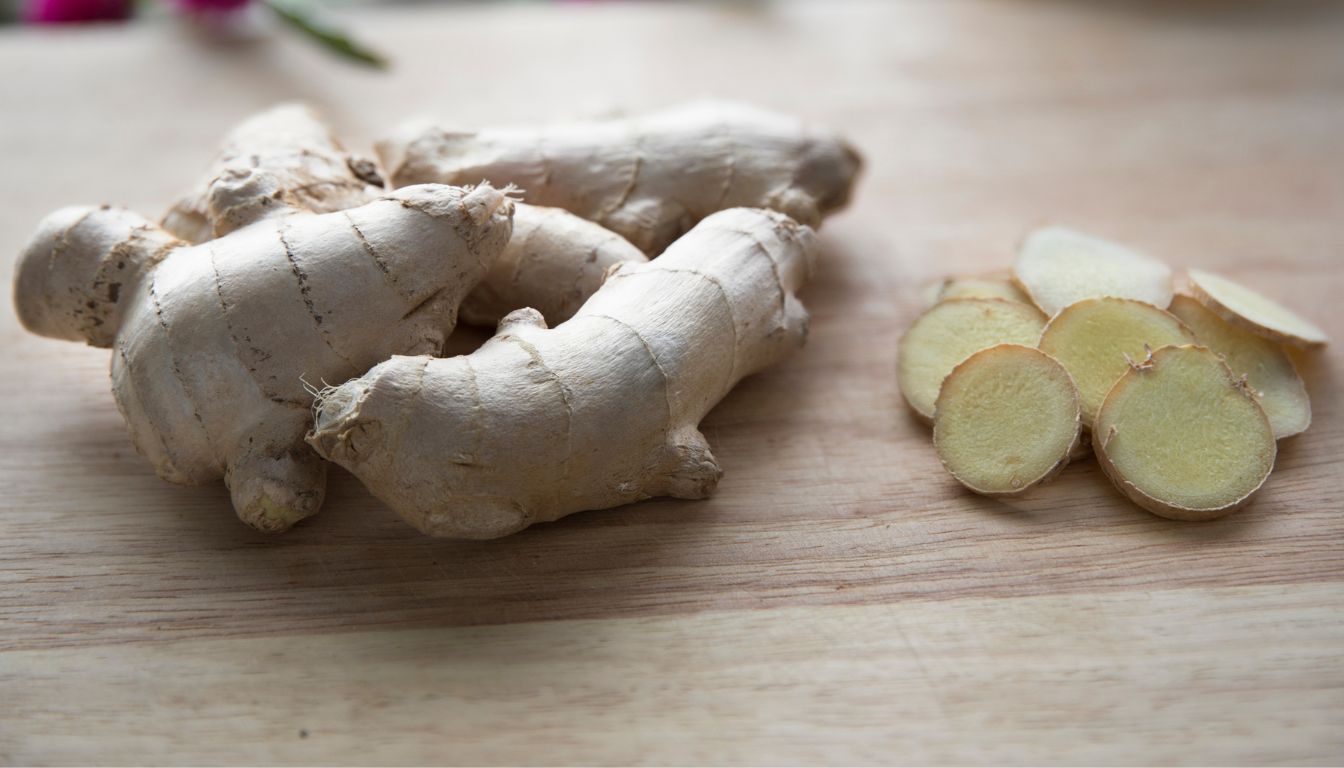
Ginger, scientifically known as Zingiber Officinale, is a root with a long history of medicinal use. A common ingredient in many dishes and beverages, it adds a distinctive flavor and aroma. Renowned for its numerous health benefits, ginger is a popular choice for natural remedies. In this article, we’ll explore why ginger is so highly regarded.
OOne of the most well-known benefits of ginger comes from its ability to alleviate nausea. Research shows that ginger reduces symptoms of nausea caused by pregnancy, chemotherapy, and surgery. Ginger also delivers anti-inflammatory properties that ease inflammation and pain throughout the body.
Ginger improves digestion by stimulating the production of digestive juices, which break down food more effectively. This process leads to smoother digestion and less gastrointestinal discomfort. Overall, ginger provides powerful health benefits and serves as a valuable addition to any diet.
Historical and Botanical Overview – Benefits of Ginger
Origins and Classification – Benefits of Ginger
Ginger (Zingiber officinale) is a flowering plant that belongs to the Zingiberaceae family, which includes turmeric, cardamom, and galangal. It is native to southeastern Asia, specifically to the tropical rainforests of southern China, and has been cultivated for over 2000 years. Ginger was later introduced to India, the Middle East, and Africa, and eventually to the Caribbean and South America by the Spanish.
Ginger has been used for centuries in traditional Chinese medicine (TCM) and Ayurvedic medicine for its medicinal properties. It was also used as a spice in cooking and as a preservative due to its antimicrobial properties. Today, ginger is widely cultivated in tropical and subtropical regions all over the world, including India, Jamaica, and Nigeria.
Botanical Characteristics
Ginger is a perennial herb that can grow up to 1 meter tall. It has long, narrow leaves that are arranged alternately on the stem. The plant produces small, yellow-green flowers that grow in clusters on a spike. The flowers are followed by a fruit that contains numerous small seeds.
The part of the ginger plant that is used for medicinal purposes is the rhizome, which is the underground stem of the plant. The rhizome is harvested when the plant is about 10 months old. It is then washed, dried, and ground into a powder or used fresh.
Ginger contains several bioactive compounds, including gingerols, shogaols, and zingerones, which are responsible for its characteristic flavor and aroma. These compounds also have anti-inflammatory, antioxidant, and antimicrobial properties, which make ginger a valuable medicinal plant.
Nutritional Profile
As a root vegetable, ginger is a low-calorie food that is packed with essential nutrients. It contains a variety of vitamins, minerals, and macronutrients that are essential for maintaining good health.
Vitamins and Minerals – Benefits of Ginger
Ginger is a good source of several essential vitamins and minerals, including vitamin B6, magnesium, potassium, and phosphorus. Vitamin B6 is important for brain development and function, while magnesium is essential for muscle and nerve function. Potassium is important for maintaining healthy blood pressure levels, and phosphorus plays a key role in bone health.
Macronutrients and Fiber
Ginger is also a good source of fiber and contains small amounts of protein and carbohydrates. Fiber is important for maintaining healthy digestion and can help reduce the risk of chronic diseases such as heart disease and diabetes.
In terms of macronutrients, ginger is low in calories and does not contain any fat or cholesterol. This makes it a great food choice for those looking to maintain a healthy weight or reduce their risk of heart disease.
Overall, ginger is a nutrient-dense food that can provide a range of health benefits when consumed as part of a healthy, balanced diet.
Health Benefits of Ginger
Ginger is a spice that has been used for centuries for its medicinal properties. It has a wide range of health benefits, which are attributed to its active compounds, including gingerol, shogaol, and zingerone. In this section, I will discuss some of the health benefits of ginger.
Nausea, Morning Sickness and Motion Sickness
Without the side effects of drugs, Ginger Root will stop nausea, morning sickness, and motion sickness, e.g., car, sea, air. Ginger Root contains the amino acid Tryptophan, which gives it the ability to be tranquillizing to the central nervous system.
I have used ginger numerous times for nausea when I had cancer. As the toxins left my body, I would take ginger to alleviate dizziness or nausea. I usually just cut a piece of its root about the size of my thumb, chew out the juice, swallow it and then throw out the pulp. Many times I would mince up the ginger with a knife and make tea with a small amount of honey, delicious! Do not use ginger candy, it is weak for this purpose. Make sure to use Nature Nate’s 100% Pure, Raw & Unfiltered Honey. That’s the best!
Digestive Health
People have traditionally used ginger to treat digestive problems such as indigestion, bloating, and nausea. A study published in the Journal of Alternative and Complementary Medicine reported that ginger effectively treats nausea and vomiting caused by pregnancy, chemotherapy, and surgery. Researchers also found that ginger improves digestion by increasing the production of digestive juices and enzymes. It may further relieve symptoms of acid reflux and heartburn.
Anti-Inflammatory and Pain Relief
Ginger has potent anti-inflammatory properties, which may help to reduce inflammation in the body. Chronic inflammation is linked to many chronic diseases such as heart disease, diabetes, and cancer. According to a study published in the Journal of Medicinal Food, ginger may be effective in reducing pain and inflammation in people with osteoarthritis and rheumatoid arthritis. Ginger may also help to reduce muscle pain and soreness after exercise.
Cardiovascular Health
Ginger may help to improve cardiovascular health by reducing blood pressure, lowering cholesterol levels, and reducing the risk of blood clots. According to a study published in the Journal of Nutrition, ginger may help to lower LDL cholesterol levels and increase HDL cholesterol levels. High levels of LDL cholesterol are linked to an increased risk of heart disease.
Antioxidant Effects
Ginger contains antioxidants that help to protect the body against oxidative stress caused by free radicals. Free radicals are unstable molecules that can damage cells and contribute to the development of chronic diseases such as cancer, diabetes, and heart disease. According to a study published in the Journal of Agricultural and Food Chemistry, ginger may have a higher antioxidant activity than some fruits and vegetables.
Endocrine and Metabolic Benefits
Ginger may help to regulate blood sugar levels by increasing insulin sensitivity and reducing insulin resistance. According to a study published in the International Journal of Food Sciences and Nutrition, ginger may help to reduce fasting blood sugar levels in people with type 2 diabetes. Ginger may also help to reduce triglyceride levels, which are linked to an increased risk of heart disease.
Immune System Support
Ginger may help to boost the immune system by increasing the production of white blood cells, which are responsible for fighting off infections. According to a study published in the Journal of Ethnopharmacology, ginger may have antimicrobial properties that help to fight off infections caused by bacteria and viruses.
Ginger is a versatile spice that offers a wide range of health benefits. It may help to improve digestive health, reduce inflammation and pain, improve cardiovascular health, provide antioxidant effects, regulate blood sugar levels, and support the immune system. Incorporating ginger into your diet or taking ginger supplements may be a simple and effective way to improve your overall health and well-being.
Culinary Uses
As a versatile spice, ginger can be used in a variety of culinary applications. Here are some of the most common ways to use ginger in cooking and beverages.
Cooking
Fresh ginger is a popular ingredient in many dishes, including soups, curries, and stir-fries. Its unique flavor adds a zing to savory dishes and helps balance out sweet ones. To use fresh ginger, simply peel the skin off with a spoon or vegetable peeler, then slice or grate it as needed.
Beverages – Benefits of Ginger
Ginger flavors many beverages, including tea, ginger beer, and smoothies. People often enjoy ginger tea for its health benefits by steeping fresh ginger in hot water with lemon and honey. Ginger also pairs beautifully with flavors like mint, lime, and pineapple.
Dried and Ground Ginger
Dried and ground ginger offer a convenient way to add bold flavor to dishes. Bakers often rely on dried ginger, while cooks use ground ginger in spice blends and rubs. Remember that dried and ground ginger deliver a more concentrated taste than fresh ginger, so a small amount creates a big impact.
Ginger works as a versatile spice across countless culinary applications. You can add fresh ginger to soups and curries, blend it into tea or smoothies, or mix dried ginger into baked goods. With so many options, you can enjoy both the flavor and health benefits of this powerful spice. Explore more about ginger in this insightful article from Savory Suitcase!
Popular Forms of Ginger

Ginger is a versatile spice that can be consumed in many different forms. Here are some of the most popular ways to incorporate ginger into your diet:
Supplements and Capsules
Ginger supplements and capsules are a convenient way to get a concentrated dose of gingerol and shogaol, the active compounds in ginger. These supplements are available in many health food stores and online retailers. When choosing a ginger supplement, look for one that contains at least 5% gingerols and shogaols.
Teas and Infusions
Ginger tea is a popular way to consume ginger. To make ginger tea, simply steep fresh ginger root in hot water for several minutes. You can also add other ingredients like lemon or honey to enhance the flavor. Ginger tea is a great way to soothe a sore throat or calm an upset stomach.
Powders and Extracts
Cooks use ginger powder and extract in both cooking and baking. Ground ginger flavors cuisines worldwide, adding depth to everything from curries to baked goods. Ginger extract delivers a more concentrated form of ginger, enhancing drinks with bold flavor or serving as a natural remedy for nausea.
Ginger works as a versatile spice that people enjoy in many different forms. You can take it as supplements, brew it into teas, or mix it into powders. With so many options, you can easily incorporate ginger into your diet and gain its wide range of health benefits.
Potential Side Effects and Interactions – Benefits of Ginger
Ginger stays safe and well-tolerated when people consume it in small amounts. Some individuals, however, experience side effects when they eat large amounts of ginger. In this section, I will explain the common side effects, interactions with medications, and recommendations for consuming ginger.
Common Side Effects
Consuming ginger in large amounts may cause some common side effects. These include heartburn, diarrhea, burping, and general stomach discomfort. In addition, ginger on the skin may cause a rash. It is important to note that these side effects are generally mild and go away on their own.
Interactions with Medications
If you are taking any medications, it is important to speak with your healthcare professional before consuming ginger. Ginger may interact with certain medications, including blood thinners. This is because ginger has blood-thinning properties that may increase the risk of bleeding when taken with blood-thinning medications. The FDA recommends that people taking blood thinners avoid consuming ginger in large amounts.
Recommendations for Consumption
To avoid potential side effects and interactions with medications, consume ginger in moderation. Aim for a daily dose of 1–2 grams. Speak with your healthcare professional before using ginger if you are pregnant, breastfeeding, or managing any medical conditions.
Ginger remains safe and well-tolerated when people consume it in moderation. Large amounts, however, may trigger common side effects and interact with certain medications. Always consult your healthcare professional before adding ginger if you take medications or live with medical conditions.
Scientific Research and Studies – Benefits of Ginger
I have delved into the scientific literature on ginger and its health benefits. Ginger has been the subject of numerous clinical trials and studies, which have shed light on its potential therapeutic properties. In this section, I will summarize some of the most important findings from these studies.
Clinical Trials and Outcomes
Several clinical trials have investigated the effects of ginger on various health conditions. For example, a systematic review of 109 randomized controlled trials found that ginger can help alleviate pain, nausea, and vomiting [1]. Another study published in JCI Insight showed that ginger supplementation can modulate the immune system by increasing the activity of certain white blood cells [2].
Researchers also studied ginger for its potential anti-cancer properties. A review of preclinical and clinical studies concluded that ginger inhibits the growth and spread of cancer cells. While scientists need more research to fully explain the mechanisms behind these effects, current findings remain promising. [3]
In addition, ginger has shown potential in managing arthritis, diabetes, heart disease, and Alzheimer’s disease. A study published in the Journal of Medicinal Food showed that ginger extract can reduce inflammation and pain in patients with osteoarthritis [4]. Another study found that ginger can help regulate blood sugar levels in people with type 2 diabetes [5].
Ongoing Research Areas
Despite promising results from existing studies, researchers still need to learn more about the potential health benefits of ginger. Scientists continue to explore new areas of investigation, including the effects of ginger on gut health and the microbiome.
One study published in the Journal of Agricultural and Food Chemistry found that ginger can promote the growth of beneficial gut bacteria and inhibit the growth of harmful bacteria [6]. This suggests that ginger may have a role to play in maintaining gut health and preventing certain diseases.
Scientific research on ginger and its health benefits remains extensive and promising. Researchers must conduct more studies to fully understand the mechanisms behind these effects, but current findings indicate that ginger contributes to managing various health conditions.
Before You Go – Benefits of Ginger: A Plant with Powerful Properties

Ginger offers far more than a spicy kick; it brings a wealth of health benefits rooted in centuries of traditional medicine and backed by modern research. From easing digestion and reducing inflammation to boosting immunity and relieving nausea, ginger proves itself as a powerful ally in everyday wellness.
As you explore ways to include ginger in your routine, whether through fresh slices, teas, supplements, or culinary creations, remember that small, consistent choices often lead to lasting change. Let ginger remind you that nature provides simple tools to support a healthier, more balanced life.
Don’t forget to add theherbprof.com homepage to your favourites so you don’t miss out on future articles!
References – Benefits of Ginger: A Plant with Powerful Properties
Little Herb Encyclopedia, by Jack Ritchason; N.D., Woodland Publishing Incorporated, 1995
The Ultimate Healing System, Course Manual, Copyright 1985, Don Lepore
Planetary Herbology, Michael Tierra, C.A., N.D., Lotus Press, 1988
Handbook of Medicinal Herbs, by James A. Duke, Pub. CRP Second Edition 2007
The Complete Medicinal Herbal, by Penelope Ody, Published by Dorling Kindersley
Check the Following Articles
Eyebright: A Natural Remedy To Be Better and Feel Happier
False Unicorn Root: Reproductive Health Upgrade
Fennel Roasted: Better Digestion & Hormonal Balance
Garlic for Health: A Pungent Plant with Powerful Properties
Frequently Asked Questions – Benefits of Ginger: A Plant with Powerful Properties
What are the health benefits of consuming ginger daily?
Ginger has a wide range of health benefits. Consuming ginger daily can help reduce inflammation, improve digestion, boost the immune system, and even lower the risk of heart disease. Ginger contains compounds like gingerol and shogaol, which have potent anti-inflammatory and antioxidant properties. These compounds can help reduce inflammation in the body and protect against oxidative stress.
How does ginger contribute to sexual health?
Ginger supports sexual health in several ways. It increases blood flow to the genital area, which enhances sexual arousal and pleasure. Ginger also acts as an aphrodisiac, boosting libido and sexual desire.
In what ways does ginger specifically benefit women’s health?
Ginger benefits women’s health by relieving menstrual cramps and easing PMS symptoms such as bloating and mood swings. It also reduces morning sickness during pregnancy.
What are the potential effects of eating raw ginger on an empty stomach?
Eating raw ginger on an empty stomach may cause stomach upset, diarrhea, or heartburn in some people. These effects usually remain mild, and you can avoid them by consuming ginger in moderation.
Can ginger consumption have any negative side effects?
While ginger is generally safe for most people, it can have some negative side effects in certain situations. Consuming large amounts of ginger can cause stomach upset, heartburn, and diarrhea. Additionally, ginger can interact with some medications, so it’s important to talk to your doctor before consuming ginger if you are taking any medications.
How can ginger be incorporated into a diet for maximum health benefits?
You can add ginger to your diet in many ways. Fresh ginger works well in smoothies, cooking, and baking. Ginger tea soothes digestion and boosts immunity. You can also take ginger as a supplement in capsule or powder form.