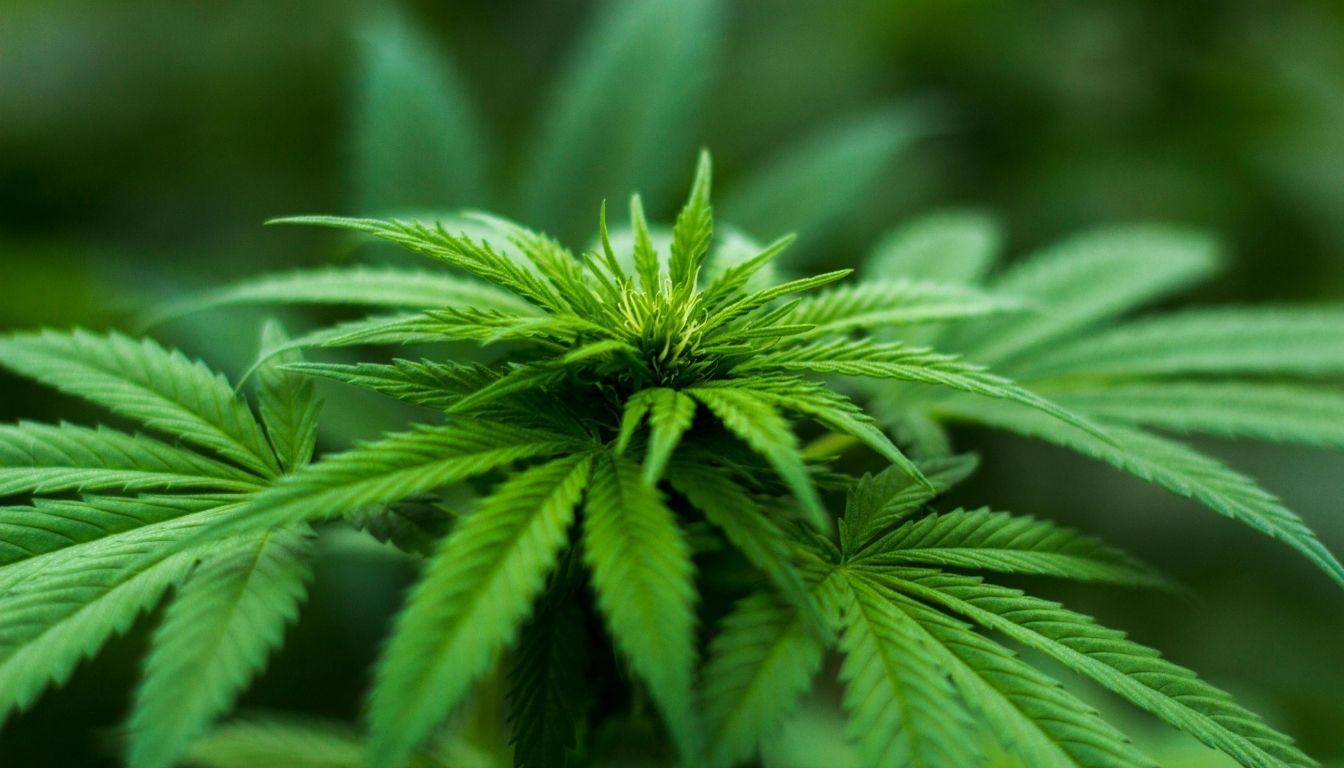
Do you want to explore all types of weed? If you enjoy gardening or cannabis, you may feel curious about the different varieties. Whether you identify garden weeds or study marijuana strains, you benefit from a comprehensive list. In this article, I provide a detailed list of different types of weed, including their names, pictures, and identifying characteristics.
Gardeners often struggle with weeds because they compete with desirable plants. When you learn to recognize different types of weeds, you can identify them more easily and remove them from your garden.
If you focus on cannabis, you may want to explore different strains and their unique characteristics. With so many types available, you might feel overwhelmed about where to begin. I compiled this list to help you gain knowledge about the many types of weed.
This list covers broadleaf weeds, grassy weeds, and sedges. Whether you garden as a beginner, cultivate plants with experience, or explore cannabis as an enthusiast, you can use this resource to expand your knowledge of all types of weed.
Cannabis Fundamentals – Different Types Of Weed
History of Cannabis – Different Types Of Weed
People have used cannabis for thousands of years for medicinal, spiritual, and recreational purposes. Ancient Chinese records show that people relied on cannabis for its healing properties. From China, cannabis spread to India, where people incorporated it into religious ceremonies and medical practices. In the 19th century, doctors introduced cannabis to Western medicine and prescribed it widely as a pain reliever and sedative.
Understanding Cannabis Plants – Different Types Of Weed
Cannabis plants grow in two main species: Cannabis sativa and Cannabis indica. Sativa strains deliver energizing and uplifting effects, while indica strains provide relaxing and sedative effects. Hybrid strains combine traits from both sativa and indica.
Cannabis plants grow in two main sexes: male and female. Female plants produce the buds people smoke or use to make edibles. Male plants fertilize female plants and help breeders create new strains.
Cannabinoids Explained – Different Types Of Weed
Cannabis plants contain chemical compounds called cannabinoids that interact with the body’s endocannabinoid system. The two most well-known cannabinoids include THC and CBD. THC produces the psychoactive “high” linked to cannabis use, while CBD delivers therapeutic effects without causing intoxication.
Cannabis contains other cannabinoids such as CBG, CBN, and CBC. Each cannabinoid offers unique properties and potential therapeutic benefits. When you study the history, plant anatomy, and chemical compounds of cannabis, you gain a deeper appreciation for the various types of weed available.
Types of Cannabis – Different Types Of Weed
I enjoy exploring the different types of cannabis strains available in the market. Growers classify cannabis strains into three main types: Indica, Sativa, and Hybrid. Each type offers unique characteristics, effects, and benefits.
Indica Strains – Different Types Of Weed
Indica strains deliver relaxing and sedative effects. People use them to unwind after a long day or to improve sleep. These strains grow short and bushy with wide leaves. They contain a higher CBD to THC ratio, which makes them less psychoactive than Sativa strains. Growers and consumers often choose popular Indica strains such as Granddaddy Purple, Northern Lights, and Blueberry Kush.
Sativa Strains – Different Types Of Weed
Sativa strains deliver uplifting and energetic effects. People choose them to stay active and productive throughout the day. These strains grow tall and thin with narrow leaves. They contain a higher THC to CBD ratio, which makes them more psychoactive than Indica strains. Growers and consumers often favor popular Sativa strains such as Sour Diesel, Jack Herer, and Green Crack.
Hybrid Strains – Different Types Of Weed
Hybrid strains combine Indica and Sativa genetics. They deliver both relaxing and uplifting effects, making them ideal for people who want the best of both worlds.
Hybrid strains grow as Indica-dominant, Sativa-dominant, or balanced varieties. Their appearance changes depending on the dominant strain. Growers and consumers often choose popular Hybrid strains such as Girl Scout Cookies, Blue Dream, and Pineapple Express.
You need to understand the different types of cannabis strains to choose the right one for your needs. If you want to relax, stay active, or find a balance between the two, you can select a cannabis strain that matches your goals.
Effects and Benefits – Different Types Of Weed
Physical Effects – Different Types Of Weed
Different strains of weed produce varying physical effects on the user. Some strains cause relaxation and sedation, while others boost energy levels and spark creativity. Depending on the strain, users experience dry mouth, red eyes, increased appetite, and changes in heart rate.
Mental Health Benefits – All Types of Weed List
Researchers have found that weed may benefit mental health conditions such as anxiety and depression. Some strains produce feelings of euphoria and happiness, which help alleviate symptoms of these conditions. Excessive use, however, worsens symptoms and increases the risk of addiction.
Medical Usage – Different Types Of Weed
People have used weed for medicinal purposes for centuries, and recent research shows promising results for its potential to treat a variety of medical conditions. For example, people use weed to manage chronic pain, promote sleep, and reduce nausea. You should always seek medical advice before using weed to treat any medical condition.
Weed produces a wide range of effects and offers potential benefits for both physical and mental health. You should use it responsibly and seek medical advice before treating any medical condition with weed.
Popular Cannabis Strains – All Types of Weed List
I have tried many strains and have come up with a list of the most popular ones. These strains are well-known and widely available in most dispensaries. Here are the three categories of popular cannabis strains: Indica-Dominant, Sativa-Dominant, and Balanced Hybrids.
Indica-Dominant Strains – All Types of Weed List
Indica strains deliver relaxing and sedative effects. People use them at night or when they want to unwind. Popular Indica-dominant strains include Granddaddy Purple, Northern Lights, and Blueberry Kush.
- Bubba Kush: This strain is known for its relaxing and sedative effects. It has a sweet, earthy flavor and is perfect for nighttime use.
- Wedding Cake: This strain is a cross between Cherry Pie and Girl Scout Cookies. It has a sweet, vanilla flavor and is known for its relaxing and euphoric effects.
- Granddaddy Purple: This strain is known for its grape and berry flavor and is perfect for nighttime use. It has a relaxing and sedative effect that can help with insomnia.
Sativa-Dominant Strains
Sativa strains deliver uplifting and energizing effects. People use them during the day or when they want to stay productive. Popular Sativa-dominant strains include Sour Diesel, Jack Herer, and Green Crack.
- Sour Diesel: This strain is known for its pungent, diesel-like aroma. It has an uplifting and energizing effect that can help with depression and anxiety.
- Jack the Ripper: This strain is a cross between Jack’s Cleaner and Space Queen. It has a citrusy flavor and an uplifting and energizing effect.
- Ghost Train Haze: This strain is a cross between Ghost OG and Neville’s Wreck. It has a citrusy flavor and is known for its uplifting and energizing effect.
Balanced Hybrids – All Types of Weed List
Balanced hybrids mix Indica and Sativa strains. They deliver both relaxing and uplifting effects. Popular balanced hybrids include Girl Scout Cookies, Blue Dream, and Pineapple Express.
- Blue Dream: This strain is a cross between Blueberry and Haze. It has a sweet, berry flavor and provides a balance of both relaxing and uplifting effects.
- Gelato: This strain is a cross between Sunset Sherbet and Thin Mint Girl Scout Cookies. It has a sweet, dessert-like flavor and provides a balance of both relaxing and uplifting effects.
- OG Kush: This strain is known for its earthy, piney flavor and provides a balance of both relaxing and uplifting effects.
Overall, there are many popular cannabis strains available in the market. Whether you prefer Indica, Sativa, or Balanced Hybrids, there is a strain out there that will suit your needs.
Consumption Methods – All Types of Weed List
When it comes to consuming weed, there are several methods available. Each method has its own pros and cons, and it’s up to you to decide which one works best for you. In this section, I will cover the most popular consumption methods: Smoking and Joints, Cannabis Concentrates, and Edibles and Oils.
Smoking and Joints
People most commonly consume weed by smoking it. They roll the weed into a joint and smoke it. Joints make consumption easy and work well for solo sessions or sharing with friends. Smoking weed gives users an instant high, and the effects last for a few hours. However, smoking harms the lungs and doctors do not recommend it for people with respiratory problems.
Cannabis Concentrates – All Types of Weed List
Cannabis concentrates are a popular way of consuming weed because they are highly potent and can give you an intense high. Concentrates come in different forms, such as shatter, wax, and oil. They are made by extracting the cannabinoids from the plant using solvents such as butane or CO2.
Concentrates can be consumed by dabbing or vaping. Dabbing involves heating the concentrate on a hot surface and inhaling the vapor. Vaping involves heating the concentrate in a vaporizer and inhaling the vapor. Cannabis concentrates are not recommended for beginners because of their high potency.
Edibles and Oils
People consume weed discreetly through edibles and oils. Manufacturers create them in different forms, such as gummies, chocolates, and tinctures. They infuse cannabinoids into the food or oil to make these products. Many people choose edibles and oils when they don’t like smoking or vaping.
Edibles and oils take longer to kick in, and their effects last for several hours. People should start with a low dose and wait for the effects before consuming more.
Overall, there are several ways of consuming weed, and each method has its own benefits and drawbacks. Whether you prefer smoking, dabbing, or edibles, it’s important to consume weed responsibly and in moderation.
Cannabis Aesthetics – All Types of Weed List
I find that the appearance, aroma, and flavor of different strains play a significant role in my overall experience. In this section, I will discuss the different aspects of cannabis aesthetics that I find most interesting.
Appearance and Color – All Types of Weed List
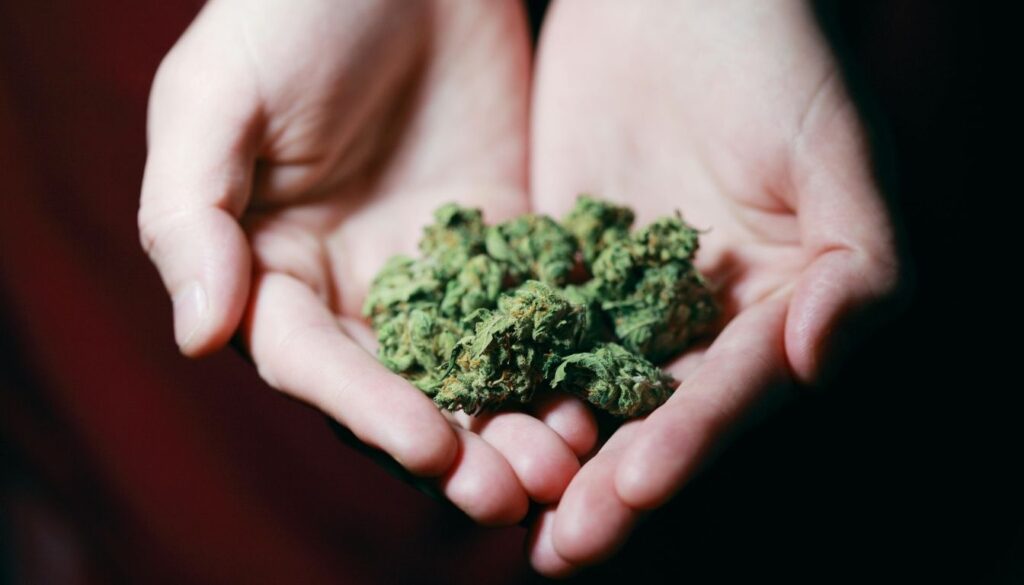
Cannabis strains show a wide variety of appearances. Some strains grow dense, tightly packed buds, while others produce looser, more airy buds. The buds display colors that range from light green to dark purple. Many strains develop a thick layer of trichomes that gives them a frosty, white appearance.
In addition to the buds themselves, the leaves of the cannabis plant can also be visually striking. Some strains have leaves that are a vibrant green, while others have leaves that are a darker, almost black color. The shape of the leaves can also vary, with some strains having long, thin leaves, while others have shorter, wider leaves.
Aroma and Flavor
The aroma and flavor of cannabis are two of the most important aspects of its aesthetics. Different strains can have wildly different aromas and flavors, ranging from sweet and fruity to earthy and pungent.
Cannabis strains release aromas that range from subtle to incredibly potent. Some strains give off sweet, floral notes, while others produce skunky, musky scents. Terpenes in the plant influence the aroma and create these distinct profiles.
When it comes to flavor, the taste of cannabis can be just as varied as its aroma. Some strains have a sweet, fruity flavor, while others have a more earthy, woody taste. Some strains can even have hints of citrus or spice.
Overall, the aesthetics of cannabis are an important aspect of the overall experience. Whether you are looking for a strain with a specific aroma or flavor, or simply appreciate the beauty of the plant itself, there is something for everyone in the world of cannabis aesthetics.
Cannabis Culture – All Types of Weed List
Popularity and Trends
As a writer who has been covering the cannabis industry for years, I can confidently say that the popularity of weed has skyrocketed in recent times. With legalization efforts gaining momentum across the United States, more and more people are trying out different types of weed and sharing their experiences online. User reviews on websites like Leafly.com have made it easier than ever to discover new strains and learn about their effects.
One trend that has emerged in recent years is the rise of CBD strains. Unlike THC, CBD does not produce a psychoactive high and is believed to have a range of therapeutic benefits. As a result, many people are turning to CBD strains as a way to manage anxiety, pain, and other health issues.
Cannabis Communities – All Types of Weed List
One of the most interesting aspects of cannabis culture is the sense of community that has developed around it. From online forums to local dispensaries, there are many places where people can come together to share their love of weed. Whether you’re a seasoned smoker or a curious newbie, there’s always someone out there who is willing to help you find the right strain or answer your questions.
Legal Landscape
Of course, it’s important to remember that the legal landscape for cannabis varies widely depending on where you are. While some states have legalized both medicinal and recreational use, others still have strict laws against it.
I always make sure to do my research and stay up-to-date on the latest legal developments. It’s also important to remember that even in states where cannabis is legal, there are still restrictions on where and how it can be consumed.
Overall, cannabis culture is a fascinating and constantly evolving phenomenon. Whether you’re interested in trying out different strains or just learning more about the industry, there’s always something new to discover.
Terpenes and Flavonoids – All Types of Weed List
When people study the cannabis plant, they identify terpenes and flavonoids as two of the most important compounds that create its unique aroma and flavor. Terpenes occur naturally in many plants, including cannabis, and they produce the distinct aroma and flavor of each strain. Flavonoids also appear in cannabis, and they give the plant its color while adding to its overall flavor and aroma.
There are many different terpenes found in cannabis, each with its own unique aroma and potential health benefits. Myrcene is one of the most common terpenes found in cannabis. It has a musky, earthy aroma and is believed to have sedative effects.
Caryophyllene is another common terpene found in cannabis. It has a spicy, peppery aroma and is believed to have anti-inflammatory effects. Limonene is a citrusy terpene found in many strains of cannabis. It is believed to have mood-enhancing effects and may help alleviate anxiety and depression.
Flavonoids form another important group of compounds in the cannabis plant. They give the plant its color and add to its overall flavor and aroma. Cannabis contains many different flavonoids, each showing unique properties. Some of the most common flavonoids in cannabis include quercetin, kaempferol, and apigenin. Researchers believe these flavonoids provide anti-inflammatory and antioxidant effects.
Terpenes and flavonoids are two of the most important compounds found in the cannabis plant. They contribute to its unique aroma and flavor and may offer potential health benefits. Understanding the different terpenes and flavonoids found in cannabis can help you choose the right strain for your needs.
Cannabis Research and Studies – All Types of Weed List
I always stay updated with the latest research and studies on cannabis. With cannabis legalized in many states, researchers now conduct numerous studies to explore the potential benefits and risks of its consumption.
One of the most significant benefits of cannabis consumption is its ability to alleviate chronic pain. According to a study published in the Journal of Pain, cannabis can significantly reduce chronic pain in patients suffering from conditions such as multiple sclerosis, neuropathy, and cancer. Additionally, cannabis has also been found to be effective in reducing inflammation, which can contribute to pain relief.
Another area of research that has gained significant attention in recent years is the potential benefits of cannabis in treating mental health conditions such as PTSD and insomnia. Studies have shown that cannabis can help reduce the symptoms of PTSD, such as anxiety and hyperarousal. Additionally, cannabis is effective in improving sleep quality, making it a potential treatment for insomnia.
It is important to note that cannabis can also lead to tolerance, which means that the body becomes less responsive to the effects of cannabis over time. This can lead to individuals consuming larger amounts of cannabis to achieve the desired effects, which can increase the risk of negative side effects such as anxiety and paranoia.
Overall, the cannabis research is still in its early stages, and more studies are needed to fully understand the potential benefits and risks of cannabis consumption. However, the current research suggests that cannabis has the potential to be a valuable treatment option for a variety of conditions, including chronic pain, PTSD, and insomnia.
Before You Go – All Types of Weeds
Weeds challenge every gardener, but they also teach us about soil health and plant competition. Identify weeds early, remove them consistently, and improve your soil to reduce their return. Use mulching, crop rotation, and proper spacing to keep weeds from overtaking your plants.
Stay mindful that some weeds offer benefits, such as attracting pollinators or enriching the soil. By learning to manage weeds wisely, you protect your garden’s productivity while respecting the role these plants play in nature.
Don’t forget to add theherbprof.com homepage to your favourites so you don’t miss out on future articles!
References – All Types of Weed List
Little Herb Encyclopedia, by Jack Ritchason; N.D., Woodland Publishing Incorporated, 1995
The Ultimate Healing System, Course Manual, Copyright 1985, Don Lepore
Planetary Herbology, Michael Tierra, C.A., N.D., Lotus Press, 1988
Handbook of Medicinal Herbs, by James A. Duke, Pub. CRP Second Edition 2007
The Complete Medicinal Herbal, by Penelope Ody, Published by Dorling Kindersley
Check the Following Articles
Water Wilt Tomatoes: Causes and Prevention
Harvesting Early Potatoes: Getting A Successful Harvest
Roots Like Ginger: A Guide to Similar Plants
Frequently Asked Questions – All Types of Weed List
What are the different categories of weeds commonly found in agriculture?
Farmers classify weeds into three main categories: grassy, broadleaf, and sedges. Grassy weeds grow long, narrow leaves and often invade lawns and pastures. Broadleaf weeds develop wider leaves and spread through gardens, fields, and roadsides. Sedge weeds form triangular stems and thrive in wet areas.
Can you provide examples of common weeds along with their images?
Common weeds include dandelion, crabgrass, chickweed, and clover. You can search online to view images of these and other weeds.
How can one identify various weed species?
Identify weeds by examining their leaves, stems, flowers, and roots. You can also use apps and online resources to help with identification.
What are the characteristics of the most invasive weed species?
Invasive weeds spread quickly and take over areas by outcompeting native plants. They grow fast, produce large amounts of seeds, and tolerate a wide range of environmental conditions.
How many different species of weeds exist worldwide?
Scientists recognize thousands of weed species worldwide and continue to discover new ones. Only a small fraction of these species cause harm to agriculture.
What is the best resource for finding a comprehensive list of weeds with pictures?
You can explore many resources to learn about weeds. Popular options include the USDA’s PLANTS Database and the Weed Science Society of America’s Weed Identification Guide.