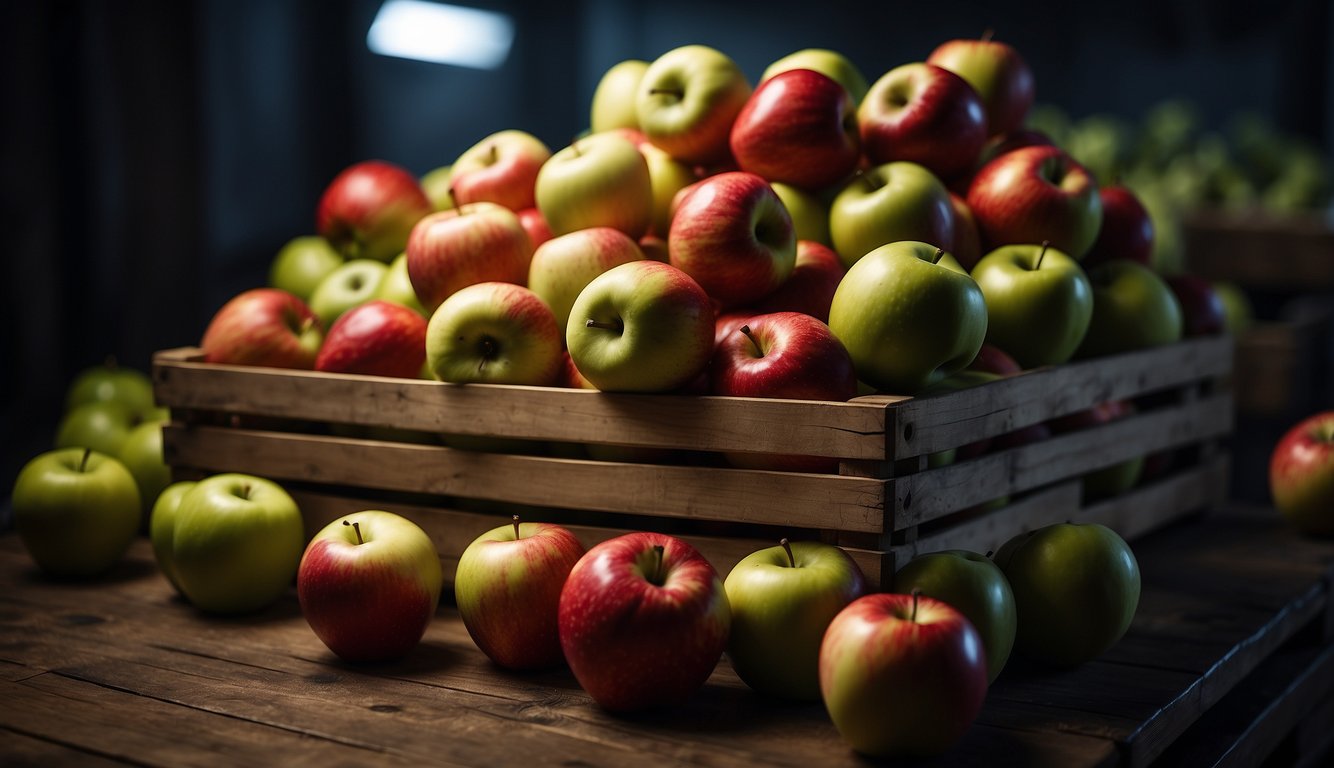
I know how essential it is to store apples the right way to keep their freshness and crisp texture. Whether you’ve picked up a large supply from the farmer’s market or simply want to stock up on your favorite varieties, proper storage makes all the difference. In this article, I’ll share my best apple storage tips for both short-term and longer periods.
When it comes to storing apples, there are a few factors to consider. Temperature, humidity, and ethylene gas are all important factors that can affect the shelf life of your apples. Depending on how many apples you have and how long you want to store them, there are different methods you can use to keep them fresh. From refrigeration to root cellars, there are a variety of storage options available.
I will cover each of these methods in detail and provide tips for choosing the best one for your needs. Additionally, I will share some common mistakes to avoid when storing apples to ensure that they stay fresh and delicious for as long as possible.
Understanding Apple Varieties And Storage Apples
As someone who enjoys storing apples for the winter season, it’s important to understand the different types of apples available and which ones are best suited for long-term storage. In this section, I will discuss the characteristics of storage-friendly apples and their seasonal availability.
Characteristics of Storage-Friendly Apples
When it comes to storing apples, some varieties are better suited than others. Apples with thick skins, such as Granny Smith, Honeycrisp, Braeburn, and Gold Rush, are known for their ability to last longer in storage. These apples have a high acid content, which helps to slow down the ripening process and prevent spoilage.
Tart apples, such as McIntosh and Crispin, are also good for storage, as they have a firm texture and a high sugar content that helps to preserve them. Pink Lady apples are another great option for long-term storage, as they are known for their firm texture and long shelf life.
Small apples, such as those from the Gold Rush variety, are also great for storage. They may not be as visually appealing as larger apples, but their smaller size means that they will take up less space in your storage area.
Seasonal Availability and Peak Freshness
Different apple varieties have different seasonal availability and peak freshness. For example, Golden Delicious apples are typically harvested in September and October and are at their peak of freshness from October to January. Meanwhile, Fuji apples are harvested in October and November and are at their peak of freshness from November to March.
It’s important to keep in mind that the peak freshness of apples can vary depending on where they are grown and how they are stored. When selecting apples for storage, it’s best to choose those that are fresh and free of blemishes or bruises.
Preparation for Storage of Apples – Apple Storage Tips
When it comes to storing apples, proper preparation is crucial to ensure that the apples stay fresh and crisp for as long as possible. In this section, I will discuss the two important steps to prepare apples for storage: selecting apples for storage and inspecting them for bruises and blemishes.
Selecting Apples for Storage
Begin by choosing the right apples. Select firm, crisp fruit that feels fresh and shows no signs of softness. Overripe or damaged apples spoil quickly and won’t last in storage.
Focus on varieties that store well. Granny Smith, Honeycrisp, and Braeburn keep their quality for months when handled properly. In contrast, Red Delicious tastes best fresh and doesn’t hold up in long-term storage.
Inspecting for Bruises and Blemishes
Check apples for bruises and blemishes before you store them. Bruised fruit spoils quickly and can cause nearby apples to rot. Press each apple gently with your fingers; firm apples that resist pressure usually stay bruise-free.
Look for other blemishes as well. Cuts, punctures, or insect damage weaken apples and make them spoil faster. Use or discard damaged fruit right away, and store only the healthy apples to extend freshness.
Optimal Storage Apples Conditions
I know how important it is to store apples properly to maintain their freshness and flavor. Here are the optimal storage conditions that I recommend for storing apples.
Temperature and Humidity Control – Apple Storage Tips
Temperature and humidity play a crucial role in maintaining the freshness and flavor of apples.
Apples should be stored in a cool environment, ideally between 30-40°F (0-4°C). When provided with optimum storage conditions, ‘Jonathan’ and ‘Red Delicious’ apples can be stored for up to 3 to 6 months. However, apples stored at a temperature of 50 degrees Fahrenheit will spoil two to three times faster than those stored at 32 degrees Fahrenheit.
Humidity control is equally important. The optimal humidity level for apple storage ranges from 90% to 95%. Apples are sensitive to moisture loss, so it is important to keep them in a humid environment. If the air is too dry, the apples will lose moisture and become shrivelled and soft. On the other hand, if the air is too humid, the apples will rot.
Choosing the Right Storage Location
The best place to store apples is in a cool, dry place with good air circulation. The ideal storage location is a refrigerator or a root cellar. If you don’t have access to a root cellar, a cool garage or pantry can also work.
When storing apples in the refrigerator, place them in the crisper drawer, which has a higher humidity level than the rest of the fridge. To keep the apples fresh, store them in perforated bags or crates, allowing for proper ventilation.
Apple Storage Techniques – Apple Storage Tips
I know that storing apples properly is crucial to maintaining their flavor, crispness, and overall quality. In this section, I will share some of my knowledge of Apple storage techniques.
Short-Term vs. Long-Term Storage
When it comes to storing apples, it is important to differentiate between short-term and long-term storage. Short-term storage refers to keeping apples fresh for a few days to a week, while long-term storage involves preserving apples for several months.
For short-term storage, you can keep your apples in an airtight container or a plastic bag in the refrigerator. However, if you want to keep your apples fresh for a longer time, you need to take extra precautions.
Proper Use of Containers and Wrappings
Use paper bags or boxes instead of plastic bags when storing apples. Plastic traps moisture, which causes mold and spoilage, while paper allows air to circulate and keeps apples crisp and flavorful.
Wrap each apple individually in newspaper before placing them in paper bags. This prevents apples from touching, so one spoiled fruit won’t affect the others. For longer storage, move your apples into a root cellar.
Choose a well-ventilated root cellar that stays cool, dark, and humid. Keep the temperature between 30–40°F and humidity at 90–95%. Place apples in crates or baskets and cover them with a damp cloth to maintain moisture.
Storage Apples And Preventing Apple Spoilage
As apples ripen, they produce ethylene gas, which can cause them to ripen faster and eventually spoil. If you want to store apples for an extended period, it’s important to manage ethylene gas levels and protect them from pests and diseases.
Managing Ethylene Gas and Ripening – Apple Storage Tips
To manage ethylene gas levels, store apples separately from other fruits and vegetables. Apples can also be stored in perforated plastic bags to regulate the amount of gas they produce. You can also use ethylene-absorbing products like activated charcoal or zeolite to help control gas levels.
If you want to slow down the ripening process, store apples in a cool, dark place like a cellar or refrigerator. The ideal temperature range for apple storage is between 30°F (-1°C) and 40°F (4°C). Storing apples at temperatures below 30°F (-1°C) can cause them to freeze and become mushy upon thawing.
Protection from Pests and Diseases
To protect apples from pests and diseases, it’s important to inspect them regularly for signs of rot and spoilage. Remove any damaged apples before storage, as they can spread spoilage to other apples. You can also prevent oxidation and browning by treating apple slices with lemon juice or other acidic solutions. This can help maintain their color and texture for longer periods.
Utilizing Stored Apples – Apple Storage Tips
Once you have successfully stored your apples, it’s time to put them to good use. Here are some of my favorite ways to use stored apples:
Cooking and Baking with Stored Apples
Stored apples are great for cooking and baking. They can be used to make a variety of dishes, including pies, muffins, tarts, and apple butter.
One of my favorite things to make with stored apples is apple cider. To make apple cider, simply simmer your apples with water and spices like cinnamon and cloves. Once the apples are soft, strain the mixture and enjoy your homemade apple cider.
Another great way to use stored apples is to make applesauce. Applesauce is a versatile ingredient that can be used in a variety of dishes, from baked goods to savory dishes. To make applesauce, simply simmer your apples with a little water and sugar until they are soft. Then, mash the apples and enjoy your homemade applesauce.
Preservation Methods Beyond Storage
If you have more apples than you can use, consider preserving them for later use. Canning is a great way to preserve apples for long-term storage. To can apples, simply peel and slice them, then pack them into jars with a sugar syrup. Process the jars in a water bath canner, and your apples will be ready to enjoy for months to come.
Another great way to preserve apples is to make apple butter. Apple butter is a spreadable condiment that is perfect for toast, muffins, and more. To make apple butter, simply simmer your apples with sugar and spices until they are soft. Then, puree the mixture and cook it down until it thickens. Once it’s done, you can store it in jars in the refrigerator for up to a month.
Storage Apples And Maintaining Apple Quality

I know how important it is to maintain the quality of this delicious fruit. Whether you’re buying apples from a local farmer’s market or grocery store, proper storage is key to maintaining their freshness, taste, and nutrition. Here are some tips to help you extend the shelf life of your apples and reduce food waste.
Regular Checks and Rotation – Apple Storage Tips
One of the most important things you can do to maintain the quality of your apples is to perform regular checks and rotations. This means inspecting your apples for any signs of spoilage, such as mold or soft spots, and removing any that are starting to go bad. By doing this, you can prevent the spread of spoilage to other apples and extend the overall shelf life of your apple supply.
Additionally, it’s important to rotate your apples regularly. This means moving older apples to the front of the storage area and placing newer apples in the back. By doing this, you can ensure that you’re using the oldest apples first and reducing the risk of spoilage.
Tips for Extending Shelf Life
There are several tips and tricks you can use to extend the shelf life of your apples. Here are a few:
- Store apples in a cool, dark place: Keep apples in a pantry or cellar where the temperature stays between 30–40°F (0–4°C) and humidity around 90%. This setup slows ripening and keeps apples fresh longer.
- Use proper storage containers: Place apples in breathable containers like mesh bags or perforated plastic bags. These containers let air circulate and stop moisture from building up, which prevents spoilage.
- Avoid storing apples with other produce: Apples release ethylene gas that makes other fruits and vegetables ripen faster. Keep apples separate to protect the rest of your produce.
- Freeze apples for long-term storage: Slice apples and freeze them in a single layer on a baking sheet. After they freeze, move the slices into a freezer-safe container. Frozen apples last up to ten months and work well for baking or cooking, though they don’t taste good raw.
Storage Apple Special Considerations
When it comes to storing apples, there are some special considerations to keep in mind to ensure they remain fresh and flavorful.
Storing Cut Apples – Apple Storage Tips
If you have cut apples that you want to store, it is important to take some extra precautions to keep them from turning brown.
One way to do this is to give the apple halves or slices a spritz with lemon or lime juice before storing them. This will slow down the oxidation and browning caused by air exposure to the flesh. Transfer the cut apples to a zip-top bag or airtight container and place them in the refrigerator until it’s time for a fruit snack.
Impact of Climate on Apple Storage
The climate in which you store your apples can have a significant impact on their longevity. Apples should be stored in a cool, dark place with a temperature between 32°F and 40°F (0°C to 4°C), with humidity levels around 90%.
If you have a cold storage area or a cool basement, you can store apples there as well. However, it is important to keep an eye on the temperature and humidity levels to ensure they remain optimal. If you live in a warm climate, refrigerating your apples is crucial to maintaining their freshness.
Leaving them on a warm countertop or in direct sunlight can cause them to ripen too quickly and spoil faster. If you have store-bought apples, it is important to check the packaging for storage instructions. Some varieties may require different storage conditions, such as being kept in the refrigerator or at room temperature.
Before You Go – Apple Storage Tips

Keeping apples fresh doesn’t have to be complicated. Before you go, remember to store them in a cool, dark place and separate them from other fruits to slow ripening. Check your apples regularly and remove any that show signs of bruising or spoilage to protect the rest.
With the right storage methods, you’ll enjoy crisp, flavorful apples for weeks, or even months, after harvest. A little care goes a long way in preserving their taste and texture.
Don’t forget to add theherbprof.com homepage to your favourites so you don’t miss out on future articles!
References – Apple Storage Tips
Little Herb Encyclopedia, by Jack Ritchason; N.D., Woodland Publishing Incorporated, 1995
The Ultimate Healing System, Course Manual, Copyright 1985, Don Lepore
Planetary Herbology, Michael Tierra, C.A., N.D., Lotus Press, 1988
Handbook of Medicinal Herbs, by James A. Duke, Pub. CRP Second Edition 2007
The Complete Medicinal Herbal, by Penelope Ody, Published by Dorling Kindersley
Check the Following Articles
Best Fertilizer for Tomatoes: Top Picks For Harvest Boost
Growing Arugula: Tips for a Successful Harvest
How to Transplant Aloe Vera? Step-by-Step Guide
Pruning Tomatillo Plants: A Guide for Optimal Growth
Frequently Asked Questions – Apple Storage Tips
How to store apples for the winter?
Store apples in a cool, dry place with good ventilation. Keep the temperature between 30–40°F (0–4°C) and maintain humidity around 90%. Use a perforated plastic bag or a wooden crate to allow air circulation. Keep apples away from sunlight, heat, and moisture. Wrap each apple in a paper towel to prevent contact and absorb excess moisture.
What is the best way to store apples for a long time?
Keep apples in a cool, dark, dry place with proper ventilation. Maintain a temperature of 30–40°F (0–4°C) and humidity near 90%. Place them in perforated plastic bags or wooden crates for airflow. Protect them from sunlight, heat, and moisture. Wrap each apple in a paper towel to reduce contact and absorb moisture.
How long can apples last without refrigeration?
Store apples in a cool, dry place with ventilation, and they last up to two weeks without refrigeration. For longer storage, refrigerate them. Proper refrigeration keeps apples fresh for 3–6 months.
What are the best apple varieties for long-term storage?
Choose apples with thick skin and firm flesh for long-term storage. Fuji, Granny Smith, Braeburn, Honeycrisp, and Pink Lady last 6–12 months when stored correctly.
Can apples be frozen for storage purposes?
Freeze apples if you want to store them longer, but expect changes in texture and flavor. Slice them first, freeze the slices in a single layer on a baking sheet, then transfer them to a freezer bag or container.
How are apples stored commercially to maximize their shelf life?
Commercial growers use controlled atmosphere storage (CAS) to extend apple shelf life. They regulate temperature, humidity, and oxygen to slow ripening and prevent spoilage. Apples sit in airtight containers with adjusted carbon dioxide and nitrogen levels, which keep them fresh for up to 12 months.