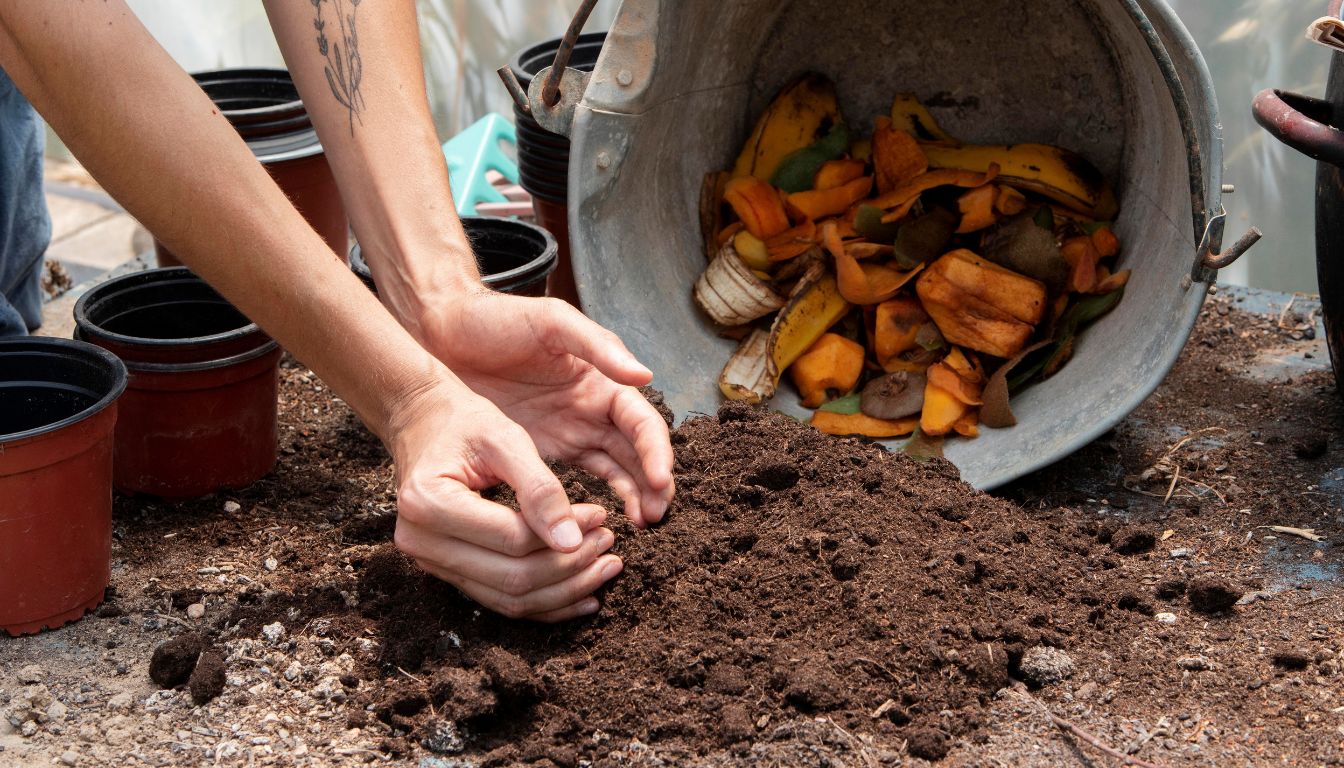
Today, we’re diving into compost pile ideas! But what exactly is a compost pile? Composting transforms your kitchen scraps and yard waste into a nutrient-rich soil amendment for your garden. It’s easy, inexpensive, and environmentally friendly.
One of the best ways to compost is by creating a compost pile. A compost pile is a simple and effective way to create compost. It can be made from a variety of materials, including wood, wire, or plastic. The key to a successful compost pile is to create the right balance of materials.
A good compost pile should contain a mix of “greens” (nitrogen-rich materials like vegetable scraps and grass clippings) and “browns” (carbon-rich materials like leaves and paper). It’s also important to keep the compost pile moist and aerated to promote decomposition. There are many different compost pile ideas to choose from, depending on your needs and preferences.
You can create a traditional compost pile in your backyard, or you can opt for a more compact compost bin that can be kept on your balcony or patio.
Some compost pile ideas even incorporate worms, which can speed up the composting process and create a nutrient-rich fertilizer known as vermicompost. Whatever your compost pile needs, there is sure to be a compost pile idea that will work for you.
Understanding Composting Basics – Compost Pile Ideas
As a gardener, I know the value of composting. Composting is the process of breaking down organic matter into a nutrient-rich soil amendment that can be added to your garden. In this section, I will explain the basics of composting.
The Science of Decomposition
Composting is essentially a process of decomposition. The microorganisms that break down the organic matter require a certain environment to thrive. Composting requires the right balance of carbon and nitrogen, moisture, and air flow.
Balancing Carbon and Nitrogen
Carbon and nitrogen are two essential elements in composting. Carbon-rich materials, such as dry leaves and wood chips, provide the energy source for the microorganisms. Nitrogen-rich materials, such as grass clippings and food scraps, provide the protein that the microorganisms need to grow. To achieve the ideal balance, aim for a ratio of 30 parts carbon to 1 part nitrogen.
Moisture and Air Flow Essentials
Moisture is also critical to the composting process. The microorganisms require a moist environment to thrive, but too much moisture can cause the compost pile to become anaerobic and smelly. Aim for a moisture level of 50-60%. Air flow is also essential. The microorganisms require oxygen to break down the organic matter. Turning the compost pile regularly will help to ensure adequate air flow.
Selecting the Right Location – Compost Pile Ideas
As someone who has been composting for years, I know that choosing the right location for your compost pile is crucial for its success. There are a few factors to consider when selecting the perfect spot for your compost pile.
Considering Sunlight and Shade
The first factor to consider is sunlight and shade. Your compost pile should be in a location that receives partial sunlight. Too much sunlight can dry out the pile, while too much shade can slow down the composting process. Ideally, you want your compost pile to receive about 4-6 hours of sunlight per day.
Accessibility and Aesthetics
Another important factor to consider is accessibility and aesthetics. You want your compost pile to be easily accessible, especially if you plan on adding kitchen scraps to it regularly. At the same time, you don’t want it to be an eyesore in your garden. Consider hiding it behind a fence or in a corner of your garden.
Ensuring Proper Drainage
Proper drainage is also crucial for a successful compost pile. You want to make sure that the location you choose has good drainage so that excess water can drain away from the pile. If your compost pile becomes too wet, it can start to smell and attract pests.
To ensure proper drainage, you can place your compost pile on level ground and add a layer of twigs or branches to the bottom. This will allow air to circulate and excess water to drain away from the pile.
Choosing Your Compost Bin – Compost Pile Ideas
When it comes to composting, choosing the right bin is crucial. There are many options available, from DIY compost bin options to purchasing compost bins and tumblers. Here are some things to consider when choosing your compost bin.
DIY Compost Bin Options
If you’re looking for a budget-friendly option, building your own compost bin might be the way to go. There are many different DIY compost bin options, including wire mesh, pallet compost bins, and wooden compost bins.
Wire mesh compost bins are easy to build and require only a few basic supplies. Simply wrap the wire mesh around four sturdy posts and secure it in place. This open design allows for excellent airflow, which speeds up the composting process. It’s ideal for gardeners who want a lightweight, low-cost solution that can be moved or adjusted as needed.
Pallet compost bins are also a popular option and can be assembled with just a few pallets and some screws. They’re perfect for upcycling materials you might already have on hand, and their slatted sides provide decent ventilation. You can build a single bin or a multi-bin system for turning compost in stages, making this a great choice for larger gardens or more active composters.
Wooden compost bins offer a more polished DIY option and can be built with just a few pieces of lumber and some screws. They’re sturdy, customizable, and blend well into garden landscapes. Adding a hinged lid or removable front slats can make it easier to manage your compost and keep pests out, while still maintaining good airflow and moisture control.
Purchasing Compost Bins and Tumblers
If you’re not interested in building your own compost bin, there are plenty of options available for purchase. Compost bins and tumblers come in a variety of sizes and styles, so it’s important to choose one that fits your needs.
When choosing a compost bin or tumbler, consider the amount of waste you generate and the space you have available. Some compost bins are designed to be compact and can be placed on a balcony or patio, while others are larger and require more space.
Alternative Composting Containers – Compost Pile Ideas
If you don’t have the space for a traditional compost bin, there are alternative composting containers available. These containers are designed to fit in small spaces and can be used to compost food scraps and other organic materials.
One popular option is a worm bin, which uses worms to break down organic material. Another option is a bokashi bin, which uses a special mixture of microorganisms to ferment organic material.
Composting Materials – Compost Pile Ideas
When it comes to creating a successful compost pile, using the right materials is crucial. Here are some tips on what to include and what to avoid.
Greens – Adding Nitrogen-Rich Materials
Greens are materials that are rich in nitrogen and are essential for a healthy compost pile. They include: grass clippings, vegetable scraps, fruit and vegetable peels, coffee grounds, weeds, eggshells
These materials help to provide the necessary nitrogen that is required for the composting process. However, it’s important to avoid adding too much of any one type of green material, as this can cause the pile to become too wet and smelly.
Browns – Incorporating Carbon-Rich Items – Compost Pile Ideas
Browns are materials that are rich in carbon and help to balance out the nitrogen-rich greens. They include: leaves, sticks, sawdust, cardboard, hay, dry leaves, straw bales, wewspaper.
These materials help to provide the necessary carbon that is required for the composting process. It’s important to note that certain brown materials, such as cardboard and newspaper, should be shredded or torn into small pieces before being added to the pile.
Avoiding Inappropriate Waste
While many materials can be composted, some items should be avoided. These include: greasy or oily foods, meat and dairy products, diseased plants, and pet waste.
These materials can attract pests and rodents, and can also slow down the composting process. It’s important to only add appropriate waste to the compost pile in order to create a healthy and effective compost.
Building and Maintaining Your Compost Pile – Compost Pile Ideas
When it comes to building and maintaining your compost pile, there are a few key factors to keep in mind. By following these guidelines, you’ll be able to create a healthy and thriving compost pile that will help nourish your soil and plants.
Layering Your Compost
One of the most important aspects of building a successful compost pile is layering your materials properly.
You’ll want to create a balanced mixture of “greens” (nitrogen-rich materials like grass clippings and food scraps) and “browns” (carbon-rich materials like leaves and wood chips). Aim for a ratio of roughly 2:1 browns to greens.
Start by creating a base layer of twigs or straw to help with drainage and aeration. Then add alternating layers of greens and browns, making sure to keep the pile moist but not too wet. You can also add a layer of soil or finished compost to help introduce beneficial microorganisms to the pile.
Turning and Aerating
In order for your compost pile to decompose properly, it needs to be turned and aerated regularly. This helps to introduce oxygen to the pile, which is essential for the composting process. Use a pitchfork or compost turner to mix up the materials in your pile every few weeks, making sure to break up any clumps and incorporate new materials as needed.
Monitoring Temperature and Humidity
Finally, it’s important to monitor the temperature and humidity of your compost pile. The ideal temperature range for a compost pile is between 120-160°F. If the pile is too hot, it can kill off beneficial microorganisms, while a pile that is too cool won’t decompose properly. Use a compost thermometer to check the temperature regularly.
You’ll also want to make sure that your compost pile stays moist but not too wet. If it’s too dry, it won’t decompose properly, while a pile that is too wet can become slimy and smelly. Aim for a moisture level similar to that of a damp sponge.
Utilizing Finished Compost – Compost Pile Ideas
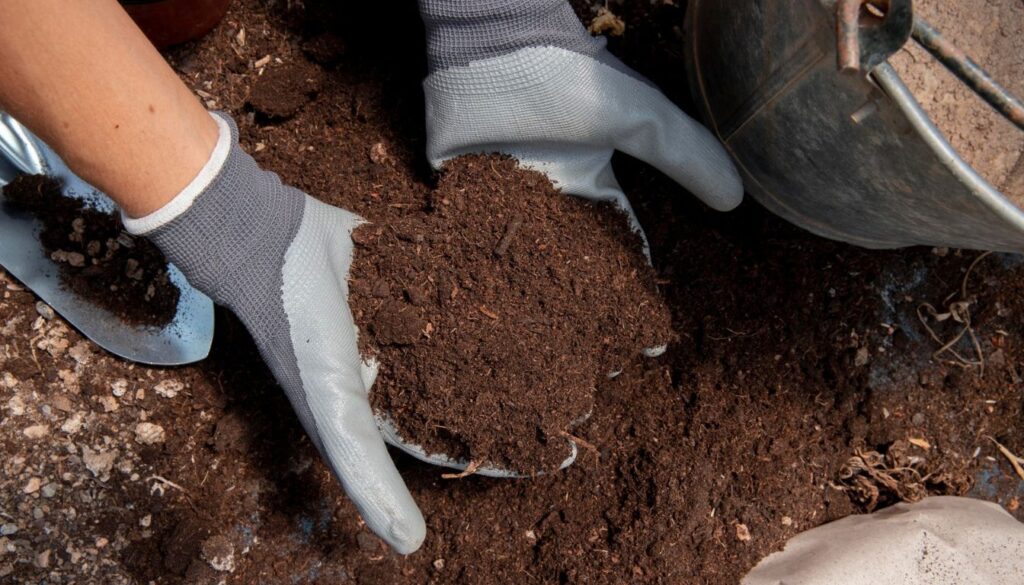
I know the value of compost in improving soil quality. Composting is a natural process that turns organic waste into a nutrient-rich soil amendment that can be used in your garden. In this section, I will discuss how to harvest finished compost, as well as how to apply it in your garden and use it as a natural fertilizer.
When and How to Harvest Compost
Finished compost is dark brown, crumbly, and has an earthy smell. It should be ready to harvest in about 2-6 months, depending on the composting method and the materials used. To harvest compost, you can use a garden fork or a compost screen to remove any large debris. You can then apply the compost to your garden or store it in a bin until you are ready to use it.
Applying Compost in Your Garden
Compost can be applied to your garden in a variety of ways. You can spread it over the soil surface as a mulch, mix it into the soil to improve soil structure, or use it as a top dressing for your plants. Also, it can be used to make homemade potting soil by mixing it with vermiculite and topsoil in equal parts.
Compost as Natural Fertilizer
Compost is an excellent source of natural fertilizer for your garden. It contains a variety of nutrients, including nitrogen, phosphorus, and potassium, that are essential for plant growth. Also improves soil structure, water retention, and soil aeration, which helps plants grow stronger and healthier.
Specialized Composting Techniques – Compost Pile Ideas
I have tried various composting techniques over the years. While traditional composting methods work well, there are some specialized techniques that can yield faster results and are more suitable for specific situations.
In this section, I will introduce you to three specialized composting techniques: Vermicomposting with Worm Bins, Hot Composting for Faster Results, and Trench Composting for Small Spaces.
Vermicomposting with Worm Bins
Vermicomposting is a specialized composting technique that uses worms to break down organic matter. This technique is perfect for small spaces, such as apartments, and produces a nutrient-rich compost that is excellent for houseplants or container gardening.
To start vermicomposting, you will need a worm bin. You can either buy one or make your own using a plastic container with drainage holes and a lid. Fill the bin with bedding material such as shredded newspaper or cardboard, and add some food scraps.
Then, add some red wiggler worms to the bin and let them do their work. The worms will eat the food scraps and bedding material and produce compost that can be harvested every few months.
Hot Composting for Faster Results
Hot composting is a specialized composting technique that produces compost quickly. This method requires a higher level of maintenance and attention than traditional composting, but the results are worth it.
To start hot composting, you will need a compost bin that can hold at least one cubic yard of material. The key to hot composting is to maintain the right balance of carbon and nitrogen-rich materials, keep the pile moist, and turn it regularly to allow for aeration. With the right mix of materials and regular turning, you can produce compost in as little as a few weeks.
Trench Composting for Small Spaces
Trench composting is a specialized composting technique that is perfect for small spaces such as raised garden beds or containers. This method involves digging a trench in the soil and burying food scraps and other organic matter in it. As the organic matter decomposes, it releases nutrients into the soil, which can benefit nearby plants.
To start trench composting, you will need to dig a trench about 8-12 inches deep and add food scraps and other organic matter. Cover the trench with soil and let it decompose for a few weeks before planting in the area. This method is perfect for small gardens or containers and can help improve soil quality over time.
Composting Challenges and Solutions – Compost Pile Ideas
Composting is a great way to reduce waste and create nutrient-rich soil for your garden. However, there are some challenges that can arise when composting. Let’s discuss some common composting challenges and solutions to help you overcome them.
Dealing with Pests and Odors
One of the most common issues composters face involves pests and odors. Rodents and flies often invade compost piles, and odors quickly become unpleasant if you don’t manage them properly. Keep pests away by covering your compost pile with a lid or tarp.
Additionally, avoid adding meat, dairy, or oily foods to your compost pile, as these can attract pests. If you do notice pests in your compost pile, try adding a layer of dry leaves or straw to discourage them.
Odors can be managed by adding more dry materials like leaves or shredded paper to your compost pile. Additionally, make sure to turn your compost pile regularly to ensure proper aeration and decomposition. If you notice a strong odor, it may be a sign that your compost pile is too wet. In this case, add more dry materials to absorb the excess moisture.
Managing Compost in Cold Weather
Composting can be challenging in cold weather, as the decomposition process slows down significantly. To keep your compost pile active in the winter months, try insulating it with straw or leaves. Additionally, consider using a compost bin with a lid to help retain heat.
If your compost pile does freeze, don’t worry! Simply wait for warmer weather to return, and resume adding materials to your compost pile. The decomposition process will resume once temperatures rise.
Troubleshooting Common Issues
Despite your best efforts, you may encounter some common issues when composting. Some of these issues include a slow decomposition process, a slimy or wet compost pile, or a compost pile that smells like ammonia. To speed up the decomposition process, make sure to add a balance of brown and green materials to your compost pile.
Additionally, turn your compost pile regularly to ensure proper aeration. If your compost pile is too wet or slimy, add more dry materials like leaves or shredded paper to absorb the excess moisture. If your compost pile smells like ammonia, it may be a sign that there is too much nitrogen-rich material in the pile. To fix this issue, add more carbon-rich materials like leaves or shredded paper to balance out the nitrogen.
Before You Go – Compost Pile Ideas
Creating a compost pile is one of the simplest ways to recycle kitchen scraps and garden waste into nutrient-rich soil. Whether you choose wire mesh, pallets, or wooden bins, the right setup depends on your space, budget, and gardening style.
Remember that successful composting comes down to balance: mix greens and browns, keep the pile moist but not soggy, and turn it regularly for airflow. With a little consistency, your compost pile will transform waste into a powerful resource that enriches your garden and reduces what goes to the landfill.
Don’t forget to add theherbprof.com homepage to your favourites so you don’t miss out on future articles!
References – Compost Pile Ideas
Little Herb Encyclopedia, by Jack Ritchason; N.D., Woodland Publishing Incorporated, 1995
The Ultimate Healing System, Course Manual, Copyright 1985, Don Lepore
Planetary Herbology, Michael Tierra, C.A., N.D., Lotus Press, 1988
Handbook of Medicinal Herbs, by James A. Duke, Pub. CRP Second Edition 2007
The Complete Medicinal Herbal, by Penelope Ody, Published by Dorling Kindersley
Check the Following Articles
Rooting Snake Plants: The Ultra Guide You Need
Brown Leaves on Cucumber Plants: Causes and Solutions
How to Grow Jade from a Cutting? A Step-by-Step Guide
Coffee Grounds Used as Fertilizer: Benefits and How to Use
Frequently Asked Questions – Compost Pile Ideas
What is the best design for a DIY compost bin?
The best design for a DIY compost bin depends on your needs and available space. You can build bins from wooden pallets, wire mesh, or plastic containers. Each design offers unique benefits. A wooden pallet bin uses recycled materials and goes together quickly. A wire mesh bin provides excellent air circulation and takes little effort to construct. A plastic bin lasts longer and comes in many sizes that you can purchase.
How do I start a compost pile as a beginner?
Starting a compost pile is simple. Choose a location with good drainage that you can access easily. Gather materials such as leaves, grass clippings, and food scraps. Layer browns like leaves and twigs with greens like food scraps and grass clippings. Add water to keep the pile moist, and turn it regularly to improve air circulation.
What materials should be avoided in a compost pile?
Avoid adding meat, dairy products, and bones because they attract pests and slow decomposition. Keep pet waste, diseased plants, and weeds that have gone to seed out of the pile as well, since they introduce harmful pathogens and unwanted seeds.
What are the essential items to include in my compost pile?
Include browns, greens, water, and air in your compost pile. Browns such as leaves, twigs, and shredded paper balance greens like food scraps and grass clippings. Add water to maintain moisture, and turn the pile to supply air. Mix in a small amount of soil or finished compost to introduce beneficial microorganisms.
Should a compost pile be positioned in the sun or in the shade?
Place your compost pile in either sun or shade depending on your climate and space. A sunny spot speeds up decomposition, while a shady spot helps the pile retain moisture. Monitor the pile’s moisture and adjust as needed to keep conditions balanced.
How can I create a compost bin using wooden pallets?
Build a compost bin by stacking wooden pallets into a square or rectangular enclosure. Secure the pallets with wire or zip ties. Line the bottom with cardboard or newspaper to keep compost from falling through the slats. Add materials as you would with any compost pile, and turn it regularly to maintain airflow.