
The Herb Prof Team researches and writes our herbal guides, drawing on published research, traditional herbal references, and hands-on growing experience.
This dandelion root tea recipe turns roasted dandelion roots into a dark, earthy, caffeine-free drink that many people enjoy in place of coffee. Dandelion (Taraxacum officinale) has a long history in traditional herbal use, but the research on it is limited. In this guide, you will learn how to roast the roots, how to brew the tea, how to change the flavor, and who should be careful.
This article is for general information only. It is not medical advice, and dandelion root tea is not a treatment for any condition.
What Is Dandelion Root Tea?
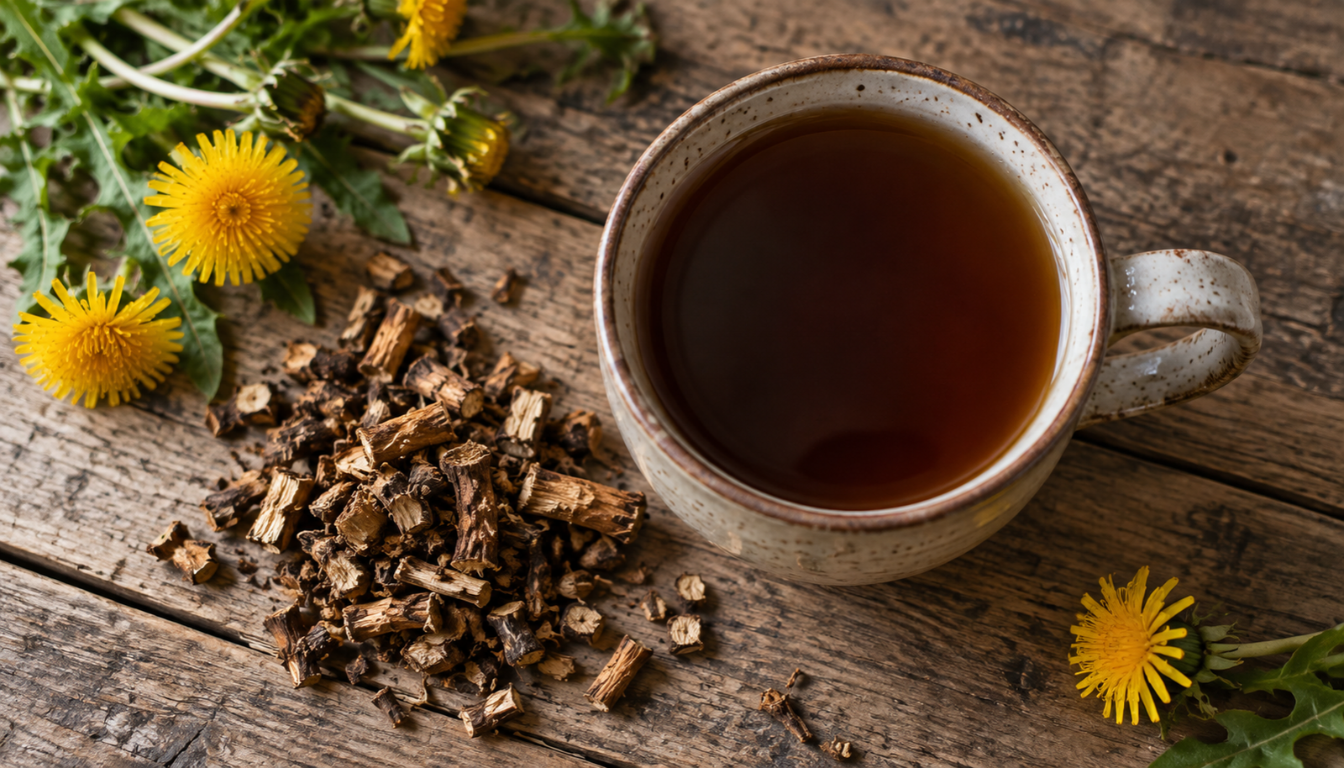
The tea is made by steeping the root of the common dandelion in hot water. Most recipes roast the root first. In fact, roasting gives the tea a deep, slightly bitter and nutty taste, which is why people often compare it to coffee. The tea contains no caffeine.
This plant belongs to the daisy family. Memorial Sloan Kettering Cancer Center (MSK) notes that it is generally safe to use dandelion in food and tea, but that you should talk to your healthcare provider before taking supplements or higher amounts.
Dandelion roots contain inulin, a fiber that has prebiotic potential, according to a 2021 review. The amount varies with the season the root is harvested. However, the review does not show how much inulin ends up in a cup of tea, and roasting the root may change it. For this reason, treat the tea as a flavorful drink, not as a prebiotic supplement.
Dandelion Root Tea Recipe
Makes: about 2 cups Time: about 45 minutes, plus drying time if you dig your own roots
Ingredients
- 2 tablespoons chopped, roasted dandelion root (see below)
- 2 cups water
- Optional: a cinnamon stick, a slice of fresh ginger, or a little honey
Steps
- Roast the roots. Heat the oven to 350°F (175°C). Spread clean, chopped, dry roots on a baking sheet. Roast for about 30 minutes, until they are dry, brown and fragrant. Stir once halfway through.
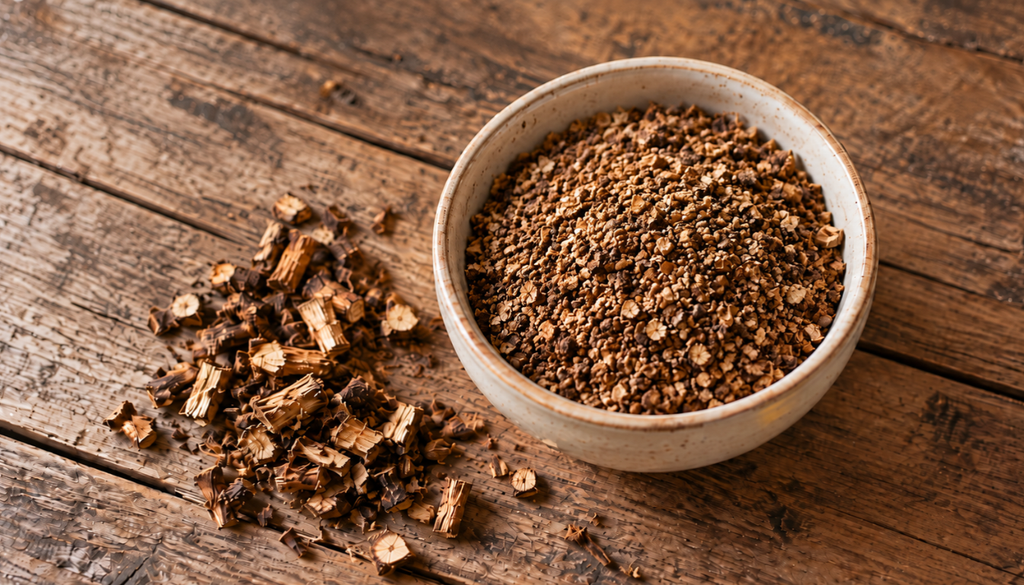
- Cool the roots. Let them cool completely. Then crush or grind them into small pieces.
- Simmer. Add the roasted root and water to a small pot. Bring to a boil, then reduce the heat and simmer for 10 to 15 minutes.
- Strain. Pour the tea through a fine strainer into a mug.
- Flavor and serve. Add a cinnamon stick, ginger or a little honey if you like. Drink it warm.
Tip: Burnt roots taste harsh and acrid. If they smell scorched, start again with a fresh batch and a lower oven temperature.
How to Prepare the Roots
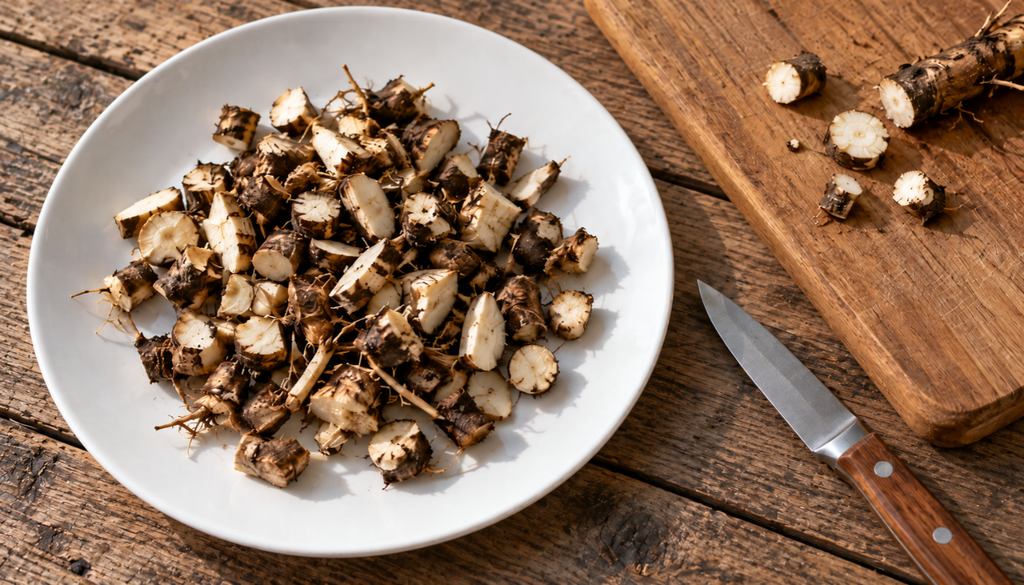
You can buy dried dandelion root online or in herb shops, or you can dig your own.
- Choose a clean spot. Only dig dandelions from places you know have not been sprayed with weed killer or other chemicals. Avoid roadsides, lawns treated with herbicide, and polluted soil.
- Wash well. Scrub the roots under running water to remove all soil.
- Chop. Cut the roots into small, even pieces so they roast evenly.
- Dry. Pat the roots dry, or let them air dry for a day or two, before roasting.
- Store. Keep roasted roots in an airtight jar in a cool, dark place.
Be sure you have correctly identified the plant before you harvest. If you are not sure, do not use it.
Ways to Change the Flavor
- Cinnamon. Add a stick to the pot while it simmers for a warm, spicy note.
- Ginger. A slice of fresh ginger adds a bright, zesty edge.
- Honey. A small spoonful softens the bitterness.
- Milk or plant milk. Some people stir in a splash to make the tea creamier.
- Roast a little longer. A darker roast gives a stronger, more coffee-like taste. Watch it closely so it does not burn.
What Does the Research Say?
Dandelion has many traditional uses, but the research is limited. MSK lists traditional uses such as lactation, diabetes, appetite and increased urination, and says the plant also has uses that have not been studied by doctors to see if they work. Here is how the evidence looks.
- Urine output. MSK says the diuretic effect may be a result of dandelion’s high potassium content. This is a suggested explanation, not a proven benefit.
- Liver and cholesterol. MSK describes laboratory and animal studies only. It does not report a proven liver or cholesterol benefit in people.
- Digestion. The MSK page mentions appetite stimulation as a traditional use. It does not report a proven digestive benefit.
- Overall. MSK states that clinical trials are needed to determine the conditions under which dandelion may be safe and effective.
For this reason, this guide does not claim that dandelion root tea detoxes the body, treats any disease or boosts immunity. Enjoy it as a flavorful drink.
Safety and Side Effects
Dandelion in food and tea is generally safe for most people, according to MSK. However, a few cautions matter.
- Allergy. Dandelion belongs to the daisy family. MSK says it can cause allergic reactions, and it reports skin reactions (contact dermatitis). If you are allergic to plants in this family, take extra care. Stop using it and seek medical help if you develop a rash, swelling or trouble breathing.
- Stomach upset. MSK lists heartburn, stomach ache and mild diarrhea as common effects, and diarrhea is more likely at high doses.
- Medicine interactions. MSK says dandelion may add to the effect of diuretics and of diabetes medicine, which can lower blood sugar. It may also change how the body handles some other medicines. One case report describes toxic levels of an anti-rejection drug in a kidney transplant patient who drank dandelion tea. Ask your doctor or pharmacist before using it if you take any medicine.
- Kidney problems. MSK describes a case report of a man with chronic kidney disease who developed serious problems after drinking 10 to 15 cups of dandelion tea a day for six months. If you have kidney disease, speak to your doctor first.
- Pregnancy and breastfeeding. The MSK page does not address safety in pregnancy or breastfeeding. If you are pregnant or breastfeeding, speak to a healthcare professional before using dandelion regularly.
- Large amounts. Keep to an occasional cup or two rather than large daily amounts.
Before You Go – Dandelion Root Tea Recipe
A dandelion root tea recipe is a simple way to make a warm, coffee-like drink from a common plant. The health research is still limited, so enjoy it for the flavor. Harvest only from clean ground, keep to modest amounts, and check with a healthcare professional if you take medicine or have a medical condition.
References – Dandelion Root Tea Recipe
Little Herb Encyclopedia, by Jack Ritchason; N.D., Woodland Publishing Incorporated, 1995
The Ultimate Healing System, Course Manual, Copyright 1985, Don Lepore
Planetary Herbology, Michael Tierra, C.A., N.D., Lotus Press, 1988
Handbook of Medicinal Herbs, by James A. Duke, Pub. CRP Second Edition 2007
The Complete Medicinal Herbal, by Penelope Ody, Published by Dorling Kindersley
Sources
- Memorial Sloan Kettering Cancer Center. Dandelion
- Plant Prebiotics and Their Role in the Amelioration of Diseases. Biomolecules. 2021. https://pmc.ncbi.nlm.nih.gov/articles/PMC8002343/
Related Article
Herb Oil Recipes: Healthy Ways to Use Fresh Herbs
Frequently Asked Questions – Dandelion Root Tea Recipe
How do you make dandelion root tea?
Roast clean, chopped roots at 350°F for about 30 minutes, then simmer about 2 tablespoons of the roasted root in 2 cups of water for 10 to 15 minutes. Strain and serve.
Does dandelion root tea taste like coffee?
It has a deep, earthy, slightly bitter flavor, so many people use it as a caffeine-free coffee alternative.
Does dandelion root tea contain caffeine?
No. Dandelion is not a source of caffeine.
What are the benefits of dandelion root tea?
It is mainly enjoyed for its flavor. Traditional uses exist, but MSK says clinical trials are needed to show when dandelion is safe and effective.
Is dandelion root tea safe every day?
In food and tea amounts it is generally safe for most people, according to MSK. If you take medicine, have kidney problems or are pregnant, ask a healthcare professional first.
Can you use dandelion flowers or leaves instead?
Yes, people use the flowers and leaves in other drinks and dishes. They taste different from the roasted root. This recipe uses only the root.
How do you dry dandelion root without a dehydrator?
Wash and chop the roots, then spread them on a clean cloth in a warm, well-ventilated spot for several days until dry and crisp. You can also dry them in a low oven. Let them cool completely before you store them.