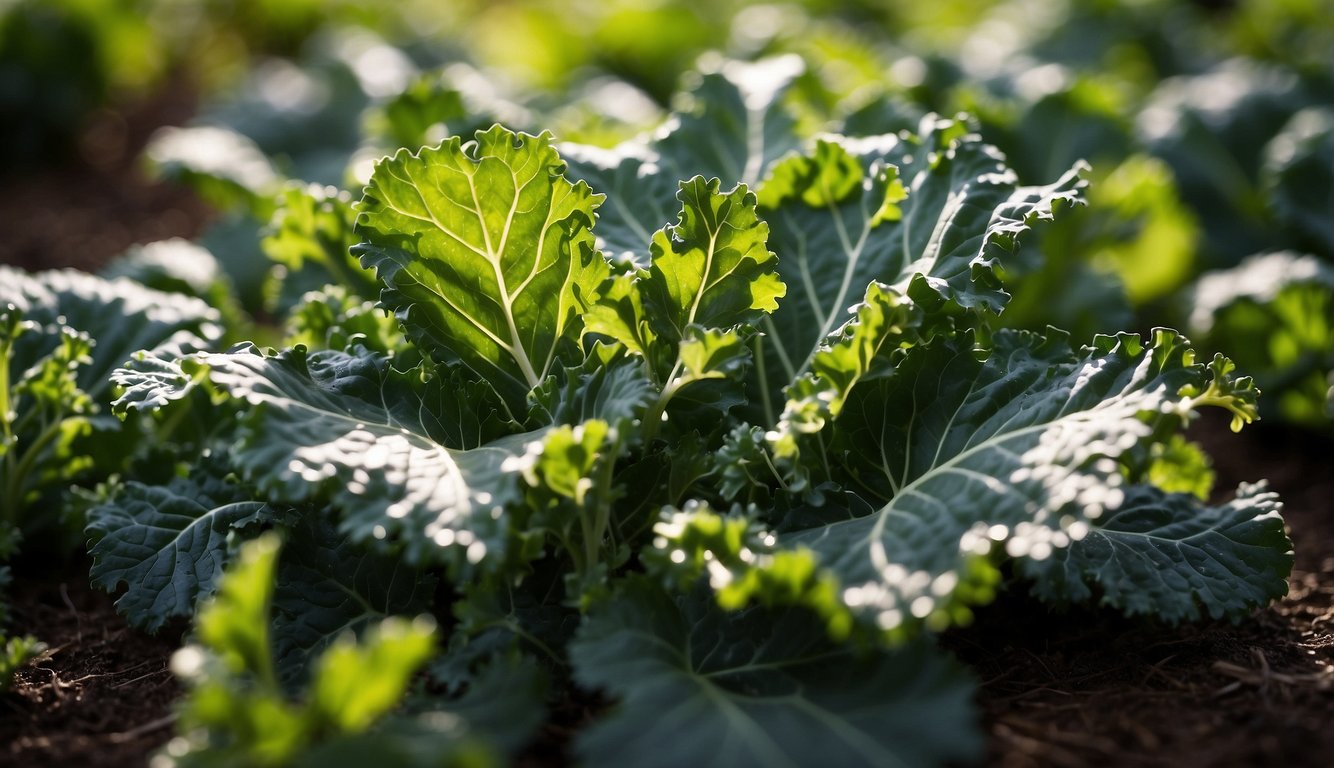
Kale is a leafy green vegetable that’s become incredibly popular due to its numerous health benefits. It’s a member of the Brassica family, which includes broccoli, cabbage, and cauliflower. Kale is packed with vitamins and minerals, including vitamin K, vitamin C, calcium, and potassium. Different types of kale offer a range of flavors, textures, and culinary uses. But what are the different types?
There are many different types of kale, each with its own unique flavor and texture. Some of the most popular varieties include curly kale, which has tightly curled leaves and a slightly bitter taste, and Lacinato kale, also known as Tuscan kale or dinosaur kale, which has long, narrow leaves and a sweeter taste. Red Russian kale, which has purple stems and flat, frilly leaves, is another popular variety. Other types of kale include Siberian kale, black kale, and Chinese kale. Each type of kale has its own unique nutritional profile, so it’s worth trying different varieties to see which ones you like best.
Understanding Kale – Different Types of Kale
History and Botany
Kale is a leafy green vegetable that belongs to the Brassica oleracea family, which also includes cabbage, broccoli, and cauliflower. It has been cultivated for over 2,000 years and was a staple in ancient Roman and Greek diets. Kale is a hardy plant that can grow in cold temperatures and is often harvested in the fall and winter months.
Kale comes in many varieties and colors, including deep green, yellow-green, purple, red, pink, lavender, blue, and white. The leaves can be either flat or ruffled, and some varieties have a more bitter taste than others.
Nutritional Profile
Kale is often referred to as a “superfood” because of its high nutrient content. It is an excellent source of vitamin C, fiber, calcium, iron, and protein. One cup of raw kale contains approximately:
- 33 calories
- 3 grams of protein
- 6 grams of carbohydrates (including 2 grams of fiber)
- 0 grams of fat
Kale is also rich in vitamins A, K, and B6, as well as minerals like potassium, magnesium, and phosphorus. Its high antioxidant content makes it beneficial for overall health and may help reduce the risk of chronic diseases.
Kale is a nutrient-dense leafy green vegetable that has been cultivated for centuries. Its high nutrient content makes it a healthy addition to any diet, and its versatility in the kitchen makes it easy to incorporate into meals.
Types of Kale
Kale is a leafy green vegetable that comes in a variety of types and colors. In this section, I will discuss some of the most popular types of kale.
Curly Kale
Curly kale is the most common type of kale and is easily recognizable by its curly, green leaves. It has a tender texture and a slightly bitter taste. Curly kale is perfect for salads, smoothies, and soups.
Lacinato Kale – Different Types of Kale
Lacinato kale, also known as dinosaur kale or Tuscan kale, is an Italian variety of kale. It has dark green, textured leaves that are slightly sweeter than curly kale. Lacinato kale is great for sautéing, roasting, or making kale chips.
Red Russian Kale
Red Russian kale has sweet and tender leaves that are a mix of red and green. This type of kale is perfect for salads or adding to smoothies. Red Russian kale is also frost-hardy, making it a great choice for winter gardens.
Siberian Kale
Siberian kale is a hardy variety of kale that can withstand frost and cold temperatures. It has frilly, green leaves that are slightly sweeter than curly kale. Siberian kale is great for soups, stews, and stir-fries.
Ornamental Kale
Ornamental kale is a colorful and decorative variety of kale that is often used in landscaping. It comes in a variety of colors, including magenta, purple, and white. Ornamental kale is not typically eaten, but it can be used to add color to salads or as a garnish.
Kale is a versatile vegetable that comes in many different types and colors. Whether you prefer curly kale, Lacinato kale, Red Russian kale, Siberian kale, or ornamental kale, there is a type of kale that will suit your taste and cooking needs.
Cultivation and Harvesting – Different Types of Kale
Growing Conditions
As a kale enthusiast, I have experimented with growing different types of kale in my garden. Kale is a cool-season crop and prefers temperatures between 60-65°F. It can be grown from seeds or seedlings, but I prefer starting from seeds as it gives me more variety to choose from. Kale seeds can be planted directly in the garden soil or started indoors a few weeks before the last frost date in spring. I usually plant kale seeds 3-5 weeks before the projected last frost date in my area to ensure that they mature before the summer heat sets in.
Kale prefers well-drained soil that is rich in organic matter. It can tolerate a wide range of soil pH (6.0-7.5), but it grows best in slightly acidic soil. I usually amend my garden soil with compost or well-rotted manure before planting kale seeds. Kale also prefers full sun, but it can tolerate light shade. If you are growing kale in the summer, planting it in a shaded area can help prevent it from bolting.
Harvesting Techniques
Kale is a fast-growing crop, and you can start harvesting mature leaves within 50-65 days of planting. Mature kale leaves are dark green, slightly curled, and have a slightly rough texture. To harvest kale, I usually use a sharp knife or scissors to cut the mature leaves at the base of the stem. I avoid harvesting the central growing point of the plant, as it helps the plant continue to produce fresh leaves.
Kale can be harvested continuously throughout the growing season, but I usually harvest the outer leaves first and leave the inner leaves to mature. This helps the plant to continue producing fresh leaves. If you want to harvest the entire plant, you can cut it at the base of the stem. Freshly harvested kale leaves can be stored in the refrigerator for up to a week.
Growing and harvesting kale is a straightforward process. With the right growing conditions and harvesting techniques, you can enjoy a continuous supply of fresh kale from your garden throughout the growing season.
Preparing and Cooking
When it comes to preparing and cooking kale, there are a variety of methods you can use. In this section, I will cover some of the most popular ways to prepare and cook kale.
Salads and Raw Dishes – Different Types of Kale
Kale is a popular ingredient in salads and raw dishes. To prepare kale for a salad, remove the stems and massage the leaves with olive oil. This will help to tenderize the leaves and make them easier to chew. You can also add other ingredients to your salad, such as baby kale, to give it a more complex flavor.
Cooking Methods
Kale can also be cooked in a variety of ways. One popular cooking method is to sauté kale in olive oil. This method is great for adding flavor to the kale and making it tender. You can also add other ingredients to your sauté, such as garlic or onions, to give it a more complex flavor.
Another popular cooking method is to roast kale. To do this, simply toss the kale with olive oil and any other seasonings you like, and then roast it in the oven until crispy. This is a great way to make kale chips, which are a healthy and delicious snack.
Kale is also a popular ingredient in soups, stews, and stir-fry dishes. When using kale in these dishes, it is important to make sure that it is cooked until tender. This will help to bring out the flavor of the kale and make it more enjoyable to eat.
Overall, there are many different ways to prepare and cook kale. Whether you are making a salad, sautéing, or roasting, kale is a versatile ingredient that can be used in a variety of dishes.
Kale in Diets and Health – Different Types of Kale

Dietary Uses
As a superfood, kale is a popular ingredient in salads, smoothies, and other healthy meals. It is a low-calorie vegetable that is packed with nutrients, making it an excellent addition to any diet. Kale is particularly rich in fiber, vitamin C, and calcium. Eating kale regularly can help maintain a healthy digestive system and boost the immune system.
Health Benefits
Kale is a nutritious vegetable that provides numerous health benefits. It is rich in vitamins and minerals that are essential for maintaining good health. Kale is an excellent source of fiber, which can help lower cholesterol levels and reduce the risk of heart disease. It is also high in vitamin C, which is important for maintaining healthy skin and a strong immune system.
In addition to its nutritional value, kale has been linked to a number of health benefits. Studies have shown that eating kale regularly can help reduce the risk of certain types of cancer, including breast, colon, and prostate cancer. Kale is also believed to have anti-inflammatory properties, which can help reduce the risk of chronic diseases such as arthritis and diabetes.
Overall, kale is a highly nutritious vegetable that can provide numerous health benefits. It is an excellent source of fiber, vitamin C, and calcium, making it an ideal addition to any healthy diet. Whether eaten raw in salads or blended into smoothies, kale is a versatile and nutritious vegetable that should be included in any healthy eating plan.
Varieties in Cuisine
As a versatile and nutritious vegetable, kale appears in a wide range of global cuisines. Here are some popular ways chefs and home cooks use kale in different dishes and as a garnish.
Global Kale Dishes – Different Types of Kale
Kale features prominently in many cuisines around the world. In Italy, cooks add Tuscan kale, also called Lacinato kale, to soups such as ribollita and minestrone. In Portugal, families prepare caldo verde with kale as the star ingredient. On the other hand, in Korea, cooks steam kale with soy sauce, garlic, and sesame oil to make gaennip‑jjim. In the Caribbean, people prepare callaloo, a soup with kale, coconut milk, okra, and other vegetables.
Kale as a Garnish
Cooks also use kale as a garnish to add color and texture to dishes. Ornamental kale, also called flowering kale, decorates salads and other plates with vibrant leaves. Microgreens made from kale increasingly appear as garnishes in high‑end restaurants. Gai lan, also known as Chinese broccoli, often serves as a garnish in Chinese cuisine.
Overall, kale is a versatile and nutritious vegetable that can be used in a variety of dishes and as a garnish. Whether you are making soups, salads, or other dishes, kale is a great way to add flavor, texture, and nutrition to your meals.
Purchasing and Storage
Selecting Quality Kale – Different Types of Kale
When purchasing kale, look for fresh, green leaves that are free of blemishes and yellowing. Choose kale with curly leaves if you prefer a more bitter taste, or flat leaves if you prefer a milder taste. Make sure the ribs of the kale leaves are not too thick, as they can be tough and fibrous.
If you are purchasing kale from a grocery store, make sure to check the expiration date. Choose kale that has a longer shelf life if you do not plan on using it immediately.
Storage Tips
Store kale in the refrigerator to keep it fresh. Wrap the kale in a damp paper towel and place it in a plastic bag. Wait to wash the kale until you use it, because excess moisture makes it spoil faster.
You can keep kale in the refrigerator for up to five days. If you have leftover kale, freeze it for later use. Remove the ribs from the leaves and blanch them in boiling water for two minutes. Transfer the kale to an ice bath to cool. Once cooled, pat it dry and place it in a freezer‑safe container. You can store frozen kale for up to eight months.
By following these storage tips, you keep your kale fresh and flavorful for longer.
Kale Beyond the Kitchen – Different Types of Kale

As a versatile plant, kale serves not only in the kitchen but also in gardening, landscaping, and even as decorative ornamental plants. Here are some ways to incorporate kale beyond the kitchen.
Kale in Gardening and Landscaping
Kale thrives in a variety of growing conditions because it is hardy. Add it to any garden by planting it in raised beds or containers. Use kale as a companion plant for vegetables such as tomatoes and peppers, since it repels pests and attracts beneficial insects.
Grow kale for its ornamental value as well as its culinary uses. Ornamental kale, also called decorative kale, produces colorful leaves and unique textures. Landscapers often plant it to add vibrant color to flower beds, borders, and containers.
Non-Culinary Uses
You can use kale seeds in several non‑culinary ways. Grow kale sprouts from them to add a crunchy, nutritious boost to salads and sandwiches. Press kale seeds to make kale oil, which contains antioxidants and works well for cooking or skincare.
Use kale as a decorative plant in addition to its culinary and non‑culinary roles. Ornamental kale, with its vivid colors and unique textures, enhances any landscape design. Place it in borders, containers, or even as a centerpiece for a table or mantle.
Kale offers versatility in many ways beyond the kitchen. Add color to your garden or bring more healthy, nutritious foods into your diet by choosing kale. Whether you grow curly kale or ornamental kale, you’ll find it a great choice.
Future of Kale
As a versatile and nutritious vegetable, kale has gained immense popularity in recent years. With demand for kale rising, researchers and farmers explore new ways to improve the quality and sustainability of this crop.
Breeding and New Varieties – Different Types of Kale
Breeding new varieties of kale plays a crucial role in improving its quality and sustainability. Farmers often use hybridization to develop new kale varieties. This process crosses two different types to create a plant with desirable traits. For example, the Beira variety combines curly and plain‑leaf kale, producing a hybrid with unique flavor and texture that chefs and home cooks favor.
Researchers also test new breeding techniques such as gene editing to create kale with improved traits. Scientists aim to develop kale varieties that resist pests and diseases, last longer on shelves, and grow more easily in different environments.
Kale in Sustainable Agriculture
Sustainable agriculture practices are becoming increasingly important to protect the environment and ensure the long-term viability of crops like kale. Farmers are adopting new techniques such as crop rotation, soil conservation, and natural pest control to reduce the use of chemical fertilizers and pesticides.
Growing kale sustainably can also help reduce the environmental impact of agriculture. For example, kale requires less water and fertilizer compared to other crops like corn and soybeans. This makes it a more environmentally friendly choice for farmers and consumers.
The future of kale looks bright with new breeding techniques and sustainable agriculture practices. As demand for kale continues to grow, researchers and farmers will continue to explore new ways to improve the quality and sustainability of this nutritious vegetable.
Before You Go – Different Types of Kale

Kale offers versatility and nutrition, and it comes in many different varieties. Each type of kale delivers a unique flavor, texture, and appearance that you can use in a variety of dishes.
From curly kale to dinosaur kale, each type provides a distinct nutritional profile that strengthens any diet. Kale contains few calories, plenty of fiber, and a wealth of vitamins and minerals, making it an excellent choice for anyone who wants to improve overall health and well‑being.
When you cook with kale, you can prepare it in many different ways. Add it to soups, stews, and casseroles, or sauté it with garlic and olive oil for a quick and easy side dish. You can also blend kale into smoothies, toss it into salads, or layer it on pizza as a topping.
Kale delivers both nutrition and flavor, and you can easily incorporate it into your diet. Whether you choose curly kale or dinosaur kale, you’ll find a type that suits your taste. So, next time you shop at the grocery store, pick up a bunch of kale and experiment with all the different ways to enjoy this superfood.
Don’t forget to add theherbprof.com homepage to your favourites so you don’t miss out on future articles!
References – Different Types of Kale
Little Herb Encyclopedia, by Jack Ritchason; N.D., Woodland Publishing Incorporated, 1995
The Ultimate Healing System, Course Manual, Copyright 1985, Don Lepore
Planetary Herbology, Michael Tierra, C.A., N.D., Lotus Press, 1988
Handbook of Medicinal Herbs, by James A. Duke, Pub. CRP Second Edition 2007
The Complete Medicinal Herbal, by Penelope Ody, Published by Dorling Kindersley
Check the Following Articles
Kinds of Radishes: A Comprehensive Guide
Earwig Bite Treatment: How to Relieve the Pain and Itching
Cool Looking Vegetables: Colorful Additions to Your Plate
Frequently Asked Questions – Different Types of Kale
What are the different varieties of kale available?
Several varieties of kale exist, including Curly Kale, Lacinato Kale, Red Russian Kale, and Siberian Kale. Each variety shows unique characteristics in taste, texture, and appearance.
How does Lacinato kale differ from other kale types?
Lacinato kale, also called Tuscan kale or Dinosaur kale, displays a distinct blue‑green color and long, narrow leaves with a pebbled texture. It tastes sweeter and feels more delicate than other kale types, which makes it a popular choice for salads.
Can you provide a comparison chart for various kale types?
Yes, here is a brief comparison chart for some of the most popular kale varieties:
| Variety | Appearance | Flavor | Texture |
|---|---|---|---|
| Curly Kale | Dark green, ruffled leaves | Bitter | Chewy |
| Lacinato Kale | Blue-green, pebbled leaves | Sweet | Delicate |
| Red Russian Kale | Flat, purple-tinged leaves | Mildly sweet | Tender |
| Siberian Kale | Blue-green, frilly leaves | Mild | Tender |
Which kale variety is considered the healthiest option?
All kale varieties deliver high nutrition and strengthen a healthy diet. Lacinato kale often ranks as the healthiest variety because it contains high levels of vitamins A, C, and K.
What are the best kale varieties for home gardening?
Curly kale and Lacinato kale grow easily and require little maintenance, making them excellent choices for home gardening. Red Russian kale and Siberian kale also grow well, especially in cooler climates, because they resist cold.
Which kale variety offers the least bitter taste?
Lacinato kale usually tastes the least bitter of all kale varieties. Red Russian kale and Siberian kale also taste mild, which makes them good options for people who dislike bitterness in kale.