
False unicorn root, scientifically known as Chamaelirium luteum, is an herb with a long history of medicinal use. Native to North America, it was traditionally used by Native American tribes to treat various ailments. This herb is primarily used to address women’s health issues, including menstrual problems, menopausal symptoms, and infertility.
Practitioners use the underground stem and root of the false unicorn plant to make medicine. The plant contains chemicals that positively affect the female reproductive system. Herbalists commonly prescribe Chamaelirium luteum to treat ovarian cysts, amenorrhea (absence of menstruation), dysmenorrhea (painful menstruation), and premenstrual syndrome (PMS). They also rely on it to support fertility and treat repeated miscarriages.
Manufacturers offer Chamaelirium luteum in several forms, including capsules, tinctures, and teas. Avoid using false unicorn during pregnancy, since it may harm the developing fetus. Because it can interact with certain medications, consult a healthcare provider before using false unicorn for medicinal purposes.
Botanical Profile – Get Your False Unicorn Root Alcohol-Free Liquid Extract Here
Taxonomy
I discuss the botanical profile of the false unicorn (Chamaelirium luteum), which belongs to the family Melanthiaceae. Botanists also refer to it as Helonias lutea. The genus name Chamaelirium comes from the Greek words chamai, meaning “on the ground,” and leirion, meaning “lily.” The species name luteum highlights the yellowish color of the flowers.
Habitat and Cultivation
Chamaelirium luteum grows as a herbaceous perennial native to North America. You can find it in the eastern United States, from Maine to Florida, and westward to Minnesota and Texas. It thrives in open woods, rocky slopes, and meadows. False unicorn favors moist, well-drained soils and partial shade.
Gardeners propagate false unicorn by seed or division. Sow seeds in the fall, and divide plants in either spring or fall. The plant thrives in slightly acidic soil with a pH of 5.5 to 6.5. You can successfully grow it in USDA zones 4 to 9.
Physical Characteristics
Chamaelirium luteum grows up to 3 feet tall and develops a single stem with alternate leaves. The leaves measure 2 to 6 inches long and 1/2 to 1 inch wide. They form a lance shape with a pointed tip. The stem produces a spike of small, greenish-yellow flowers that bloom from May to July. After flowering, the plant forms seed capsules that hold 3 to 6 seeds. Its deep, fibrous root system anchors it firmly in the soil.
Chamaelirium luteum fascinates botanists and herbalists alike with its rich history of medicinal use. Its taxonomy, habitat, and physical traits make it a valuable addition to gardens and natural landscapes.
Traditional Uses – False Unicorn Root
For centuries, practitioners have used false unicorn root (Chamaelirium luteum) in traditional medicine. Its historical significance comes from the extensive use by Native Americans to treat a wide range of ailments. People also know Chamaelirium luteum by several names, including Devil’s bit, Blazing Star, and Helonias root.
Historical Significance
Chamaelirium luteum has been used in folk medicine for a variety of ailments, including digestive, urinary, and menstrual disorders. The use of it dates back to the 19th century, and it was primarily used to treat female reproductive health issues.
Native American Remedies
Native Americans used Chamaelirium luteum to treat menstrual disorders, fertility issues, and menopause. It was also used to treat digestive and urinary disorders. This plant was considered to be an important herb in Native American medicine, and it was used to promote overall health and well-being.
Reproductive Health
Practitioners believe Chamaelirium luteum tones the female reproductive system and promotes overall reproductive health in women. They use it to relieve menstrual cramps, regulate irregular cycles, and address menstrual irregularities. Herbalists also rely on it to treat infertility issues in women.
Chamaelirium luteum carries a long history of use in traditional medicine, particularly in Native American remedies. Healers treated a wide range of ailments with it, including digestive, urinary, and menstrual disorders. They valued its ability to tone the female reproductive system and support women’s reproductive health.
Health Benefits – Get Your False Unicorn Root Alcohol-Free Liquid Extract Here
In this section, I will discuss some of the false unicorn root benefits. For centuries, this herb has been utilized for its medicinal properties. It is recognized for offering various health advantages, such as aiding fertility, relieving menstrual cramps, and improving digestion.
Fertility and Pregnancy
Chamaelirium luteum has been traditionally used to aid fertility and promote a healthy pregnancy. It is believed to help regulate hormones and improve the chances of conception. Additionally, it may also help prevent miscarriage and premature labor. However, it is important to note that more research is needed to confirm these claims.
Menstrual Relief
Chamaelirium luteum has been used to relieve menstrual cramps and other menstrual problems. Its anti-inflammatory properties may help reduce pain and discomfort during menstruation. Chamaelirium luteum may also help regulate menstrual cycles and reduce heavy bleeding. However, it is important to consult a healthcare provider before using it for menstrual relief.
Digestive Aid
False unicorn root offers several benefits, including improving digestion and relieving digestive problems. It may stimulate the production of digestive enzymes and bile, which enhances digestion and nutrient absorption. The benefits also extend to significant antioxidant and anti-inflammatory activities, which may contribute to its digestive support. Researchers still need to confirm these false unicorn root benefits through further studies.
Practitioners have used Chamaelirium luteum for centuries for its medicinal properties. It may aid fertility, relieve menstrual cramps, and improve digestion. Always consult a healthcare provider before using false unicorn root for any health benefits.
Pharmacology – False Unicorn Root
Active Compounds
False unicorn root contains several active compounds, including saponins and steroidal saponins. Researchers have documented various pharmacological effects from these compounds on the body. In particular, they identify aglycone diosgenin, a type of steroidal saponin, as the primary active compound responsible for the herb’s medicinal properties. Studies show that diosgenin produces estrogenic and anti-inflammatory effects and stimulates uterine contractions.
Mechanism of Action
Researchers have not fully clarified the exact mechanism of action of Chamaelirium luteum. They believe the herb’s active compounds, particularly diosgenin, interact with estrogen receptors in the body. This interaction likely produces the herb’s estrogenic effects, which may help regulate menstrual cycles and ease symptoms linked to menopause. Studies also show that false unicorn root stimulates uterine contractions, which may make it useful for managing certain gynecological conditions.
Effects on the Body
Practitioners have traditionally used Chamaelirium luteum for a variety of purposes, including treating menstrual disorders, infertility, and menopausal symptoms. Its estrogenic effects may help regulate menstrual cycles and ease symptoms linked to menopause. The herb also stimulates uterine contractions, which may aid in managing certain gynecological conditions such as menstrual cramps and ovarian cysts.
Overall, Chamaelirium luteum shows promise as an herb with a wide range of potential therapeutic uses. Researchers still need to study its pharmacology and benefits more thoroughly. As with any herbal supplement, consult a healthcare provider before using false unicorn root, especially if you are pregnant or taking medication.
Preparation and Dosage – Get Your False Unicorn Root Alcohol-Free Liquid Extract Here
You can consume false unicorn root in several forms, including tea, tincture, and capsules. Use the dried root to prepare tea or tincture, while capsules offer a more convenient option for consumption. In this section, I provide information on the recommended dosages and brewing techniques for each form of use.
Forms of Consumption
Tea
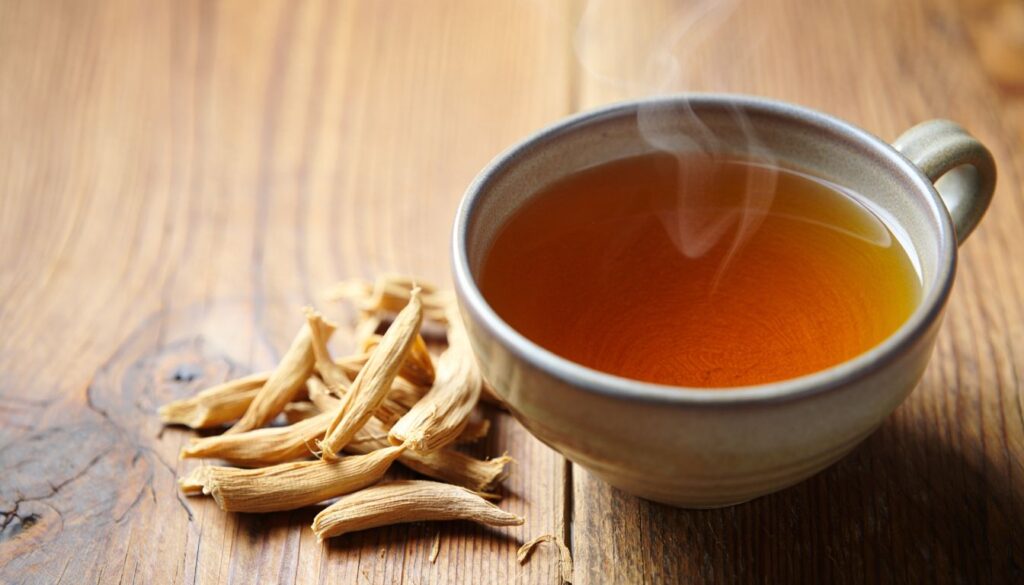
To make false unicorn root tea, add one teaspoon of dried root to a cup of boiling water. Let it steep for 5-10 minutes, then strain and enjoy. For a stronger tea, use up to two teaspoons of dried root per cup of water. Chamaelirium luteum tea has a slightly bitter taste, so you may want to add a sweetener such as honey or stevia.
Tincture
Chamaelirium luteum tincture is made by soaking the dried root in alcohol for several weeks. The resulting liquid is then strained and bottled. Tinctures are typically more concentrated than teas, so only a small amount is needed. The recommended dosage for false unicorn root tincture is 1-2 teaspoons, up to three times per day.
Capsules
Chamaelirium luteum capsules are a convenient way to consume the herb. They are available in various dosages, typically ranging from 500-1000mg per capsule. Follow the recommended dosage instructions on the label.
Recommended Dosages
The recommended dosage for Chamaelirium luteum varies depending on the form of consumption. In general, it is recommended to start with a low dosage and gradually increase as needed. Here are the recommended dosages for each form of consumption:
- Tea: 1-2 teaspoons of dried root per cup of water, up to three times per day.
- Tincture: 1-2 teaspoons, up to three times per day.
- Capsules: Follow the recommended dosage instructions on the label.
It is important to note that there is no standard dosage for false unicorn root, as it has not been extensively studied. Consult with a healthcare professional before consuming Chamaelirium luteum, especially if you are pregnant or breastfeeding.
Brewing Techniques
To get the most out of Chamaelirium luteum, it is important to use the proper brewing techniques. Here are some tips for brewing false unicorn root tea:
- Use fresh, filtered water.
- Bring the water to a boil, then let it cool for a minute or two before pouring it over the dried root.
- Steep for 5-10 minutes, then strain and enjoy.
- For a stronger tea, use more dried root or steep for a longer period.
By following these tips, you can ensure that you are getting the most out of your Chamaelirium luteum tea.
Safety and Side Effects – False Unicorn Root
False unicorn root is generally considered safe when taken in recommended doses. However, there are some contraindications, potential risks, and interactions to be aware of.
Contraindications
Chamaelirium luteum is not recommended for pregnant or breastfeeding women as it may cause adverse effects on the fetus or nursing infant. It is also not recommended for individuals with hormone-sensitive conditions such as breast cancer, uterine cancer, ovarian cancer, endometriosis, or uterine fibroids.
Potential Risks
Common side effects of false unicorn root include nausea and vomiting. In rare cases, it may cause allergic reactions such as rash, itching, or swelling. Chamaelirium luteum may also have estrogenic effects, which can affect hormonal balance in some individuals.
Interactions
Chamaelirium luteum can interact with certain medications, including lithium and St. John’s wort. Consult a healthcare provider before taking Chamaelirium luteum if you use any medications or manage underlying medical conditions.
Most people tolerate Chamaelirium luteum well when they follow recommended doses. Still, you should remain aware of contraindications, potential risks, and possible interactions. Always consult a healthcare provider before using false unicorn root, especially if you are pregnant, breastfeeding, taking medications, or managing underlying medical conditions.
Regulatory Status – Get Your False Unicorn Root Alcohol-Free Liquid Extract Here
FDA Overview
As of now, false unicorn root is not approved by the FDA for any therapeutic use. It is not classified as a drug or a dietary supplement. Therefore, healthcare providers, pharmacists, and healthcare professionals cannot prescribe or recommend false unicorn root to their patients. It is important to note that the FDA has not evaluated the safety and efficacy of Chamaelirium luteum.
Global Regulations
Chamaelirium luteum does not fall under controlled substances in the United States or in most countries worldwide. Still, you should check local regulations before purchasing or selling false unicorn root, since some countries regulate it as a drug or dietary supplement.
Conservation groups classify Chamaelirium luteum as endangered in certain regions. To protect the species, purchase false unicorn root only from reputable sources that follow ethical and sustainable harvesting practices.
The FDA has not approved Chamaelirium luteum for any therapeutic use. Always review local regulations before buying or selling false unicorn root, and choose suppliers who ensure ethical and sustainable harvesting methods.
The King’s Dispensatory – False Unicorn Root
In the King’s Dispensatory of the late 1800s, writers described this plant as exerting a decidedly beneficial influence in cases of sexual lassitude in both sexes and nocturnal emissions resulting from excesses. They emphasized its value, especially when symptoms included gastric derangement, impaired memory, mental apathy, or indifference. They also noted its usefulness for an enfeebled condition of the general system, marked by weakness or dull pain in the renal or lumbosacral region. Men used it to address impotency and prostate problems.
Midwives administered False Unicorn to strengthen the uterus of pregnant women, prevent miscarriage, and reduce the tendency to abort. They generally reserved False Unicorn for complications during pregnancy and avoided it when pregnancy progressed normally and healthily.
Consumer Information – Get Your False Unicorn Root Alcohol-Free Liquid Extract Here
As a natural product, you can purchase Chamaelirium luteum in several forms, including capsules, tinctures, and dried roots. When buying false unicorn root, make sure the product comes from a reputable source and meets high-quality standards. Follow these tips to choose high-quality Chamaelirium luteum:
Purchasing Tips
- Look for products that are standardized to contain a specific amount of the active ingredient.
- Check the label for the Latin name of the plant (Chamaelirium luteum) to ensure you are purchasing the correct product.
- Choose products that are free from additives, fillers, and contaminants.
- Check the expiration date and avoid purchasing products that are past their expiry date.
Storage and Handling
To maintain the potency and quality of false unicorn root, it is essential to store and handle it properly. Here are some tips to help you store and handle false unicorn root:
- Store Chamaelirium luteum in a cool, dry place away from direct sunlight.
- Keep it in an airtight container to prevent moisture and contamination.
- Follow the manufacturer’s instructions for storage and handling.
Consultation with Healthcare Professionals
Before you take false unicorn root supplements, consult your physician or healthcare professional, especially if you are pregnant, breastfeeding, or managing a medical condition. Chamaelirium luteum can interact with certain medications and cause adverse effects. Follow the recommended dosage carefully and avoid exceeding it.
WebMD reports that Chamaelirium luteum remains in high demand because of its potential health benefits. Still, researchers have produced limited scientific evidence to support its use. Approach Chamaelirium luteum with a neutral and informed perspective, and avoid making exaggerated or false claims about its effectiveness.
Before You Go – False Unicorn Root: Reproductive Health Upgrade
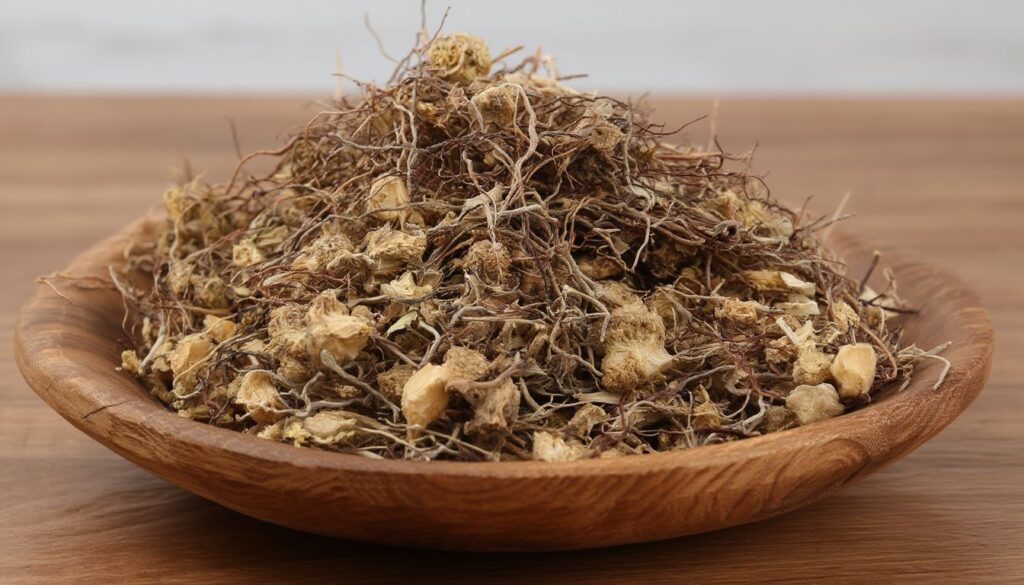
False unicorn root has earned a reputation in traditional herbal medicine for supporting reproductive health, but its benefits are still being explored through modern research. While many practitioners value its historical use, it’s important to remember that scientific evidence remains limited.
If you’re considering false unicorn root as part of your wellness routine:
- Consult a healthcare professional before use, especially if you are pregnant, nursing, or taking other medications.
- Choose reputable sources to ensure product quality and safety.
- Stay informed by following ongoing research into its potential effects on reproductive health.
Ultimately, false unicorn root may offer intriguing possibilities, but responsible use and professional guidance are key to making it a safe and effective addition to your health journey.
Don’t forget to add theherbprof.com homepage to your article so you don’t miss out on future articles!
References – False Unicorn Root: Reproductive Health Upgrade
Little Herb Encyclopedia, by Jack Ritchason; N.D., Woodland Publishing Incorporated, 1995
The Ultimate Healing System, Course Manual, Copyright 1985, Don Lepore
Planetary Herbology, Michael Tierra, C.A., N.D., Lotus Press, 1988
Handbook of Medicinal Herbs, by James A. Duke, Pub. CRP Second Edition 2007
The Complete Medicinal Herbal, by Penelope Ody, Published by Dorling Kindersley
Check the Following Articles
Echinacea Benefits: The Miracle Immune-Boosting Herb
Ephedra: Boost Metabolism and Lose Weight Now
Eucalyptus Oil Benefits: The Amazing Australian Plant
Eyebright: A Natural Remedy To Be Better and Feel Happier
Frequently Asked Questions – False Unicorn Root: Reproductive Health Upgrade
What are the benefits of using false unicorn root?
Practitioners have traditionally used false unicorn root to support reproductive health and treat menstrual disorders like amenorrhea, dysmenorrhea, and premenstrual syndrome. Many herbalists also rely on its diuretic and anti-inflammatory properties. Some people turn to it to ease symptoms of menopause and morning sickness. [1]
How is false unicorn root used to enhance fertility?
Herbalists use Chamaelirium luteum to support female reproductive health and boost fertility. They believe it helps regulate the menstrual cycle and increase cervical mucus, which may improve the chances of conception. People typically take it as a tincture, capsule, or tea. Researchers still need to study its effectiveness more thoroughly. [2]
What are the potential side effects of taking false unicorn root?
Most people tolerate false unicorn root well when they follow recommended doses. Still, some users report nausea, vomiting, or diarrhea. Because Chamaelirium luteum may trigger contractions, pregnant or breastfeeding individuals should avoid it. Always consult a healthcare provider before using any herbal supplement. [1]
Can false unicorn root be used to prevent miscarriage?
Traditional healers have used false unicorn root to help prevent miscarriage and support a healthy pregnancy. However, scientific evidence remains limited. Speak with a healthcare provider before using any herbal remedy during pregnancy. [2]
What are some effective substitutes for false unicorn root?
Herbalists often recommend red raspberry leaf, vitex, or black cohosh as alternatives to false unicorn root. These herbs offer similar benefits, such as supporting reproductive health and regulating the menstrual cycle. Always check with a healthcare provider before starting any new supplement. [2]
How does true unicorn root differ from false unicorn root?
True unicorn root, also called Helonias root, belongs to a different plant species than Chamaelirium luteum. While both herbs support female reproductive health, practitioners often use true unicorn root to treat conditions like uterine prolapse and ovarian cysts. As with any supplement, consult a healthcare provider before use. [1]