
The Herb Prof Team researches and writes our herbal guides, drawing on published research, traditional herbal references, and hands-on growing experience.
Herb Zoo cards were developed by herbalist Mark Travis as a Chinese herbal medicine study tool, and TCM schools adopted them widely for good reason, illustrated, card-based learning builds herb knowledge faster than reading alone. The original deck is no longer in wide circulation, but this guide covers what made them effective, how to use that same approach, and the best references available today.
Overview of Herb Zoo Cards
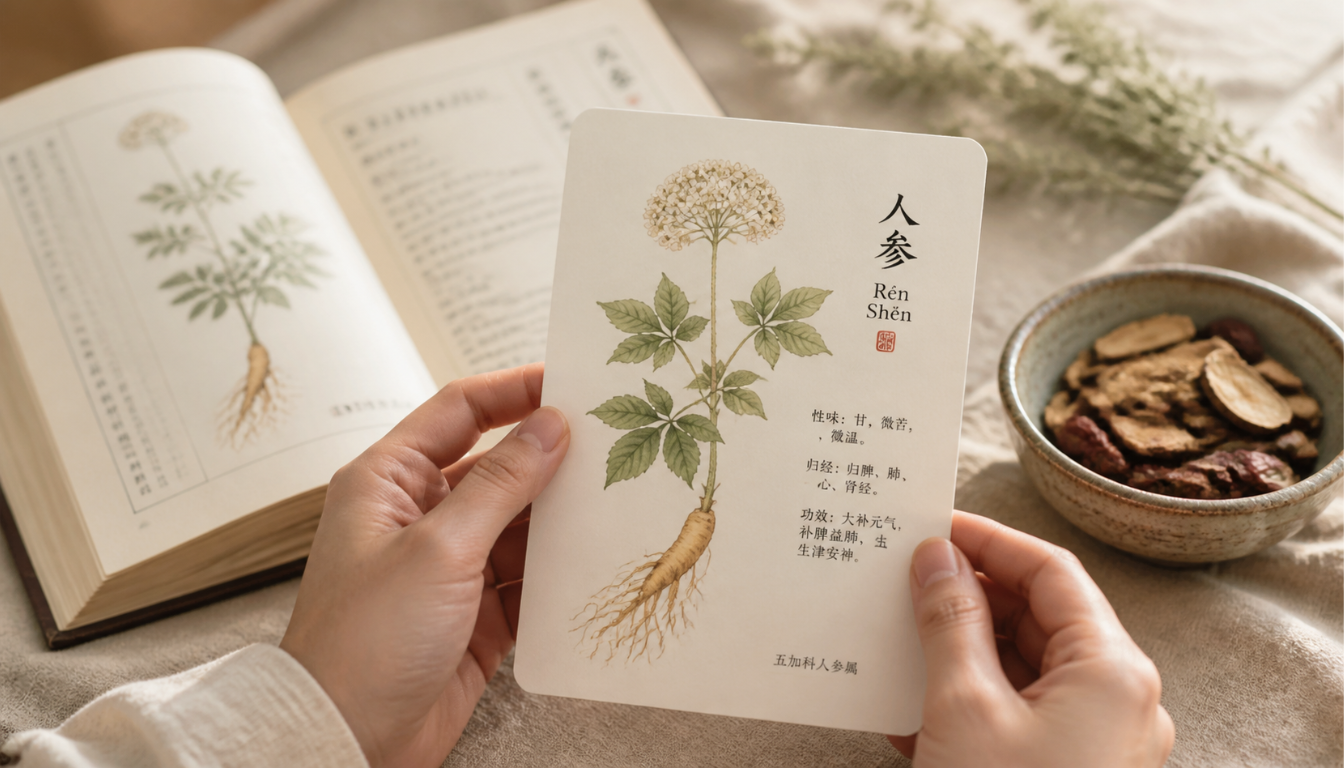
Herb Zoo cards offered a practical way to learn about Chinese herbs. Each card featured a different herb with vibrant illustrations that made the information memorable and easy to revisit. The format delivered a focused snapshot of herbal wisdom without overwhelming the reader.
In addition, the cards provided key details: uses, benefits, and history in a format easy to absorb quickly. They worked for independent study or group sessions, sparking conversations and encouraging people to share herbal insights naturally.
Specifically each card covered one herb at a time, listing its Chinese and common name, primary actions, and the body systems it supports. Cards in the deck covered herbs such as Astragalus, Dong Quai, Ginseng, Licorice Root, Reishi, and dozens more from the classical Chinese materia medica.
Importance of Learning Chinese Herbs
Learning Chinese herbs opens doors to holistic health and wellness. It deepens understanding of traditional practices that have stood the test of time, helping people make more informed choices about their well-being.
Benefits for Herbal Practice
Each herb carries unique properties and applications. As a result, building this knowledge allows anyone to customise herbal remedies based on individual needs, the right herb, chosen for the right condition, makes a real difference. Many studies support the benefits of specific herbs, making them reliable choices for various conditions.
Incorporating Cards into Learning
Card-based learning makes herb study visual and tactile, which is what makes knowledge stick. Group study naturally turns into social activity, and cards work anywhere: at home, in a classroom, or with friends, adding a hands-on element to herbal studies.
Features of Herb Zoo Cards
Herb Zoo cards stood out with their well-considered design, making them an excellent learning tool for anyone interested in Chinese herbs.
Design and Visual Appeal
Each card captivated with vibrant illustrations that highlighted each herb’s unique traits. Bright colours and engaging designs made the information easier to absorb and harder to forget. Beyond education, the cards also added a splash of colour to any study space.
Educational Content
Every card included essential details: uses, benefits, and history presented as quick facts. The format simplified complex information without overwhelming jargon, making it easy to quiz yourself or engage others in meaningful discussions about herbal remedies.
Why Card-Based Learning Works for Herbs
Reading a materia medica cover to cover rarely builds lasting recall, the volume of information is too dense and there is no repetition built in. Instead, cards force you to engage with one herb at a time, retrieving information actively rather than passively scanning text. That retrieval process is what transfers knowledge into long-term memory.
For a subject like Chinese herbal medicine, where each herb has distinct properties, temperatures, and indications, that one-at-a-time structure is not just convenient, it is genuinely the most effective way to learn.
How to Use Herb Zoo Cards
The vibrant images and educational details make it easy to build knowledge at your own pace. These ten methods work whether you are using Herb Zoo cards or any card-based herb study tool:
- Review Regularly – Look at the cards several times a week to reinforce learning
- Group Discussions – Share knowledge with friends to make sessions lively and memorable
- Flashcard Quizzes – Test yourself or others to add a competitive edge
- Create Connections – Link herbs to their uses in meals or teas for real-life reinforcement
- Use Mnemonics – Craft memorable phrases to recall herb names more easily
- Herb Matching Game – Mix up the cards and match herbs to their benefits
- Storytelling Session – Take turns creating stories about each herb, blending creativity with learning
- Art Projects – Use cards as inspiration for drawing your favourite herbs
- Herb Bingo – Create bingo cards using herb names for a group activity that builds recall fast
- Taste Tests – Experiment with recipes using specific herbs to connect learning with flavour
Customer Reviews and Feedback
Customer feedback on Herb Zoo cards consistently highlighted the vibrant designs and concise content. Many users reported that the cards made learning about Chinese herbs genuinely enjoyable, whether studying solo or with a group.
The approach of connecting herbs with real-life uses proved especially popular among home cooks and TCM students, with many discovering new ways to incorporate herbs into everyday practice. Reviewers also appreciated how the information on each card stayed easy to remember without feeling overwhelming.
Before You Go – Herb Zoo Cards
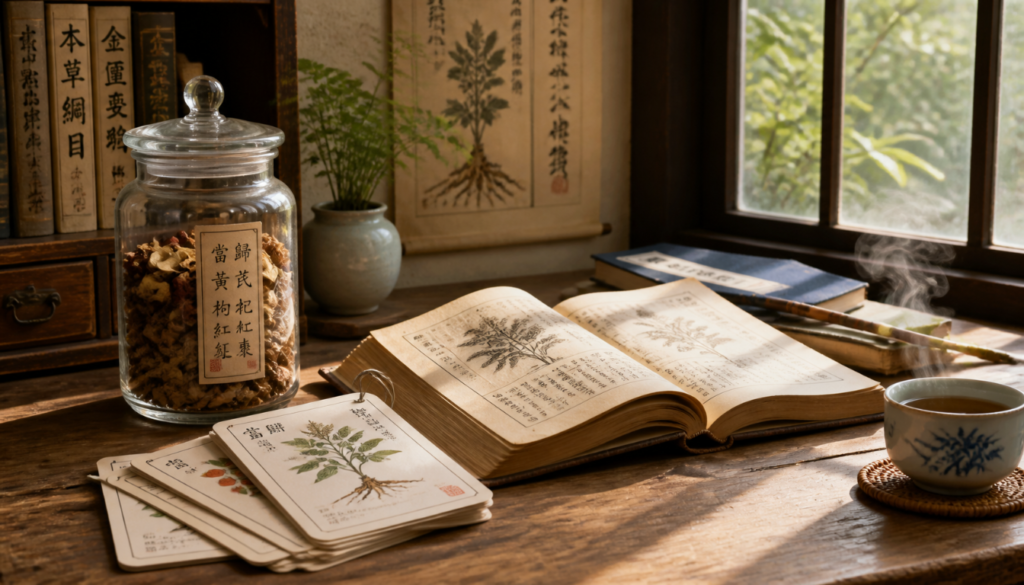
Herb Zoo cards turned one of the most complex herbal traditions in the world into something you could pick up, shuffle through, and actually remember. The illustrated, card-based method remains one of the most effective ways to build a working knowledge of Chinese herbal medicine. Start with one herb, learn it thoroughly, and build from there.
The study approach behind Herb Zoo cards learning one herb at a time, focusing on properties, uses, and history works with any good reference. The books below are the same references used throughout this site, and each covers Chinese and Western herbs in depth. Pick one up and work through it using the methods in this guide.
References – Herb Zoo Cards
Little Herb Encyclopedia, by Jack Ritchason; N.D., Woodland Publishing Incorporated, 1995
The Ultimate Healing System, Course Manual, Copyright 1985, Don Lepore
Planetary Herbology, Michael Tierra, C.A., N.D., Lotus Press, 1988
Chinese Herbal Medicine: Materia Medica by Dan Bensky
Handbook of Medicinal Herbs, by James A. Duke, Pub. CRP Second Edition 2007
The Complete Medicinal Herbal, by Penelope Ody, Published by Dorling Kindersley
Frequently Asked Questions – Herb Zoo Cards
What are Herb Zoo cards?
Herb Zoo cards are illustrated reference cards developed by herbalist Mark Travis to help users learn Chinese herbs through colourful illustrations and informative content. Each card covers a specific herb, detailing its uses, benefits, and history, suitable for both independent study and group discussions.
Who can benefit from using Herb Zoo cards?
Anyone interested in Chinese herbs can benefit from the Herb Zoo approach, including students, clinical practitioners, and herbal enthusiasts. The card format makes learning accessible and promotes a deeper understanding of herbal knowledge at any level.
How can I use Herb Zoo cards effectively?
Review the cards regularly, engage in group discussions, and test yourself with flashcard quizzes. Connecting herbs with recipes or participating in matching games also helps deepen and retain understanding over time.
What are the standout features of Herb Zoo cards?
Herb Zoo cards stood out for their vibrant illustrations and concise educational content. The colourful designs made studying easier to sustain, while the informative details simplified complex information and sparked curiosity about individual herbs.
Are there any customer reviews for Herb Zoo cards?
Yes, customer feedback consistently highlighted the cards’ engaging designs and content. Users appreciated how the cards made learning about Chinese herbs genuinely engaging and easy to stick with, particularly praising their effectiveness in group settings.
Where can I purchase them?
That’s a great question, I tried to get it as well but could not. I believe they stop selling those unfortunately.