
Hypothyroidism is a common endocrine disorder affecting millions worldwide. The thyroid gland doesn’t produce enough thyroid hormone. This leads to symptoms like fatigue, weight gain, and depression. Causes include autoimmune disorders, iodine deficiency, and radiation therapy. A complex condition with varied origins!
As someone who has been diagnosed with hypothyroidism, I understand the impact this disease can have on one’s quality of life. It can be frustrating to experience symptoms that are often dismissed or misdiagnosed by healthcare professionals. However, with proper diagnosis and treatment, many people with hypothyroidism can lead healthy and fulfilling lives.
In this article, I will explore the causes, symptoms, diagnosis, and treatment options for hypothyroidism. I will also provide tips for managing the condition and maintaining optimal thyroid health. Whether you have been recently diagnosed with hypothyroidism or are seeking more information about the disease, this article will provide you with a comprehensive overview of hypothyroidism and its management.
Understanding Hypothyroidism
Definition and Function of the Thyroid Gland
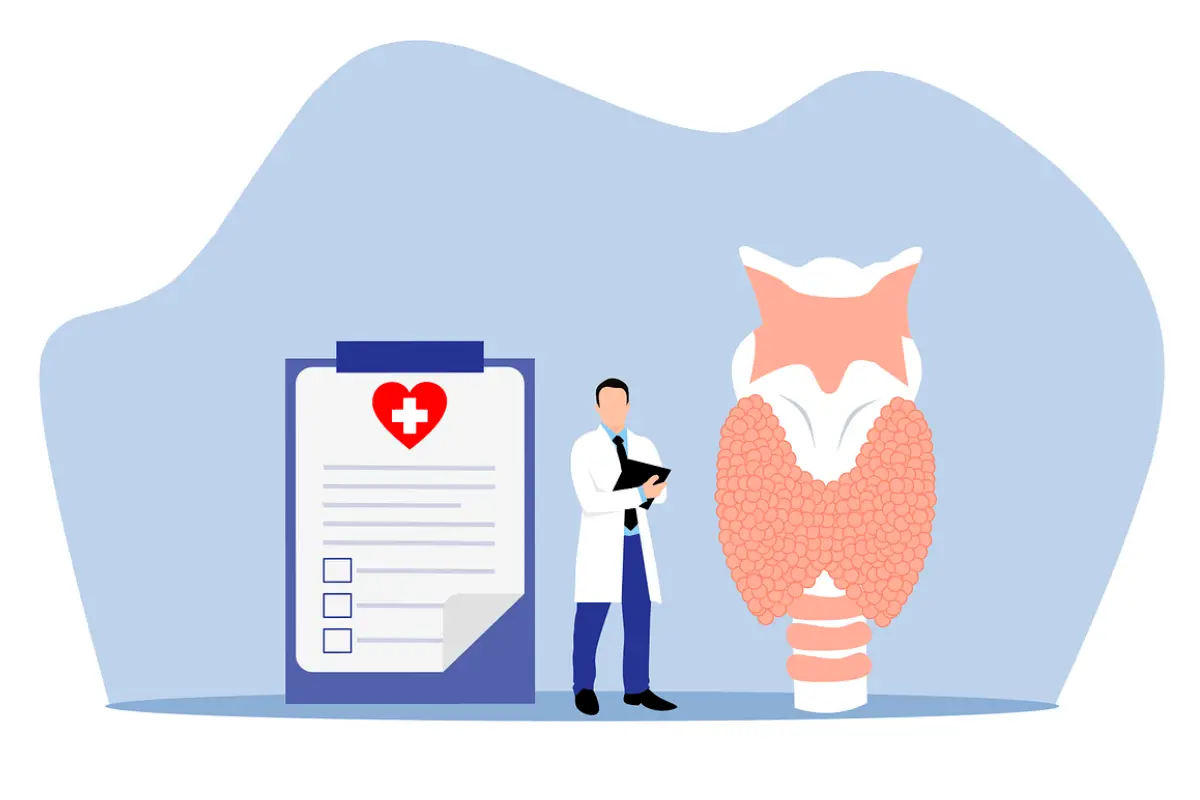
The thyroid gland is a small, butterfly-shaped gland located in the neck, just below the Adam’s apple. It produces and secretes hormones that regulate many of the body’s functions, including metabolism, heart rate, and body temperature.
Thyroid Hormones and Their Role
The thyroid gland produces two main hormones: thyroxine (T4) and triiodothyronine (T3). These hormones are responsible for regulating the body’s metabolism, energy production, and growth and development. T4 is converted into T3 in the body’s tissues, and it is T3 that is the biologically active hormone.
Causes of Hypothyroidism
Hypothyroidism occurs when the thyroid gland does not produce enough thyroid hormone to meet the body’s needs. The most common cause of hypothyroidism is an autoimmune disorder called Hashimoto’s thyroiditis, in which the body’s immune system attacks the thyroid gland. Other causes of hypothyroidism include radiation therapy, surgery to remove the thyroid gland, and certain medications.
Hypothyroidism vs. Hyperthyroidism
Hypothyroidism is the opposite of hyperthyroidism, which occurs when the thyroid gland produces too much thyroid hormone. Symptoms of hypothyroidism include fatigue, weight gain, cold intolerance, dry skin, and constipation. Hyperthyroidism, on the other hand, can cause symptoms such as weight loss, rapid heartbeat, sweating, and anxiety.
The thyroid gland produces hormones that play a crucial role in regulating many of the body’s functions. Hypothyroidism occurs when the thyroid gland does not produce enough thyroid hormone, and it can be caused by a variety of factors. Understanding the function of the thyroid gland and the role of thyroid hormones is key to understanding hypothyroidism and its symptoms.
Symptoms and Diagnosis

Hypothyroidism is a condition in which the thyroid gland does not produce enough thyroid hormones. The symptoms of hypothyroidism can vary depending on the severity of the condition and can develop slowly over time.
Recognizing the Symptoms of Hypothyroidism
Some common symptoms of hypothyroidism include fatigue, weight gain, cold intolerance, dry skin, depression, and hair loss. These symptoms may not be specific to hypothyroidism and may be present in other conditions as well. Therefore, it is important to consult a healthcare provider if you experience any of these symptoms.
Diagnostic Tests for Hypothyroidism
The diagnosis of hypothyroidism is based on a combination of symptoms, physical examination findings, and blood tests. The blood tests measure the levels of thyroid hormones and thyroid-stimulating hormone (TSH) in the blood. A high TSH level and low thyroid hormone levels are indicative of hypothyroidism.
Physical Examination Findings
During a physical examination, the healthcare provider may check for signs of hypothyroidism, such as a slow heart rate, dry skin, and swelling in the legs. The provider may also check for an enlarged thyroid gland, which is a common finding in some types of hypothyroidism.
Hypothyroidism is a condition that can cause a variety of symptoms, including fatigue, weight gain, and depression. The diagnosis of hypothyroidism is based on a combination of symptoms, physical examination findings, and blood tests. If you experience any of these symptoms, it is important to consult a healthcare provider for further evaluation and treatment.
Populations at Risk

As with many diseases, certain populations are more at risk for developing hypothyroidism than others. Here are some of the populations that should be aware of their risk for hypothyroidism:
Hypothyroidism in Women and Pregnancy
Women are much more likely to develop hypothyroidism than men. In fact, according to a study published in the Journal of Clinical Endocrinology & Metabolism, women are five to eight times more likely to develop hypothyroidism than men. This is likely due to the fact that women’s bodies go through hormonal changes during menstruation, pregnancy, and menopause that can affect the thyroid gland.
Pregnancy can also increase a woman’s risk for hypothyroidism. According to the American Thyroid Association, about 2-3% of pregnant women develop hypothyroidism. It is important for pregnant women to be screened for hypothyroidism, as untreated hypothyroidism can lead to complications during pregnancy and birth.
Hypothyroidism in Men

While men are less likely to develop hypothyroidism than women, it is still a possibility. Men with a family history of thyroid disease or who have had radiation treatment to the neck area are at a higher risk for developing hypothyroidism.
Children and Congenital Hypothyroidism
Congenital hypothyroidism is a rare condition in which a baby is born without a functioning thyroid gland. This can lead to developmental delays and other health problems if not treated promptly. According to the National Institute of Diabetes and Digestive and Kidney Diseases, congenital hypothyroidism affects about 1 in 2,000 to 4,000 newborns.
Children can also develop hypothyroidism later in life. According to the American Thyroid Association, about 1 in 4,000 children in the United States develop hypothyroidism each year. Children with a family history of thyroid disease or who have had radiation treatment to the neck area are at a higher risk for developing hypothyroidism.
Hypothyroidism can affect anyone, but certain populations are more at risk than others. It is important to be aware of your risk factors and to talk to your doctor if you have any concerns.
Treatment and Management

As a chronic condition, hypothyroidism requires ongoing treatment and management. There are several approaches to managing hypothyroidism, including thyroid hormone replacement therapy, medications, lifestyle adjustments, and surgical interventions.
Thyroid Hormone Replacement Therapy
The most common treatment for hypothyroidism is thyroid hormone replacement therapy. This involves taking a synthetic hormone called levothyroxine, which works like the T-4 hormone naturally produced by the thyroid gland. The goal of this therapy is to restore and maintain adequate T-4 hormone levels and improve symptoms of hypothyroidism. Patients typically take levothyroxine orally once a day, preferably in the morning, on an empty stomach. The dosage of levothyroxine is individualized based on the patient’s age, weight, and severity of hypothyroidism.
Diet for Autoimmune and Thyroid Diseases
If you have discovered as I did when I received this information. If you need to make some changes, start easily with The Morning Drink. Add Whole Food Multivitamin Plus if you feel that you are deep in nutritional debt and want to get a good start on filling that nutritional hole you have. Make the drink every day and watch as your energy begins to come on.
Bring in a supplement like Onnit New Mood and increase your intake of raw fruit and vegetables. Add Premier Research Labs Digestase to your meals so you can get the enzyme levels up for better digestion. Buy organic whenever you can but do not stress over it. Make this a lifestyle change, not a diet.
Your body may not benefit from the old way you were eating but it was used to it so you will feel different after a meal. The more raw vegetables you add the less you will feel like there is a big lump in your stomach. That lumpy feeling will be replaced by a very pleasant serene feeling that you have eaten just enough, very nice.
Medications and Their Side Effects
In addition to thyroid hormone replacement therapy, other medications may be prescribed to manage symptoms of hypothyroidism. For example, patients with high cholesterol levels may be prescribed statins to lower their cholesterol levels. Patients with depression or anxiety may be prescribed antidepressants or anti-anxiety medications. However, it is important to note that some medications can interfere with the absorption of levothyroxine, so patients should inform their healthcare provider of all the medications they are taking.
Some common side effects of levothyroxine include headache, nervousness, irritability, insomnia, and sweating. Patients should inform their healthcare provider if they experience any of these side effects or other symptoms.
Lifestyle Adjustments and Home Remedies
Lifestyle adjustments and home remedies can also help manage hypothyroidism. Patients should maintain a healthy diet and exercise regularly to help control their weight and improve their energy levels. They should also avoid smoking and limit their alcohol consumption. Some home remedies that may help manage hypothyroidism include taking supplements such as selenium, vitamin D, and omega-3 fatty acids. However, patients should consult with their healthcare provider before taking any supplements.
Surgical Interventions
In rare cases, surgical interventions may be necessary to manage hypothyroidism. Thyroid surgery may be required if a patient has a large goiter or nodules that are causing compression of the airway or esophagus. Radioactive iodine or radiation therapy may be used to treat hyperthyroidism or thyroid cancer. However, these treatments can also lead to hypothyroidism.
Hypothyroidism is a manageable condition that requires ongoing treatment and management. Patients should work closely with their healthcare provider to develop an individualized treatment plan that meets their needs and goals. With proper treatment and management, patients with hypothyroidism can lead healthy and fulfilling lives.
Complications and Associated Conditions

As someone who has hypothyroidism, I understand the importance of managing this condition to prevent complications and associated conditions. Here are some of the long-term risks of untreated hypothyroidism:
Long-Term Risks of Untreated Hypothyroidism
If left untreated, hypothyroidism can lead to a range of complications. For instance, it can cause heart-related problems such as an increased heart rate, heart disease, and heart failure. It can also cause myxedema coma, which is a rare but life-threatening condition that can occur when severe hypothyroidism goes untreated for too long.
Autoimmune Disorders and Hypothyroidism
Hypothyroidism is often caused by an autoimmune disorder, such as Hashimoto’s disease. Individuals with autoimmune disorders are at a higher risk of developing hypothyroidism. Additionally, people with hypothyroidism are at a higher risk of developing other autoimmune disorders, such as rheumatoid arthritis, pernicious anemia, and celiac disease.
Heart-Related Complications
As mentioned earlier, hypothyroidism can cause heart-related complications. These complications can include an increased heart rate, heart disease, and heart failure. It is important to manage hypothyroidism to prevent these complications from occurring.
Hypothyroidism is a condition that requires proper management to prevent complications and associated conditions. If you have been diagnosed with hypothyroidism, it is important to work closely with your healthcare provider to develop a treatment plan that works best for you.
Prevention and Screening

As someone who has been diagnosed with hypothyroidism, I understand the importance of prevention and screening. While there is no guaranteed way to prevent hypothyroidism, there are steps that can be taken to reduce the risk of developing the condition.
Importance of Iodine and Diet
One of the most important steps in preventing hypothyroidism is ensuring adequate iodine intake. Iodine is an essential mineral that is required for the production of thyroid hormones. Iodine deficiency is a leading cause of hypothyroidism, so it is important to ensure that your diet includes enough iodine-rich foods. Some of the best sources of iodine include seaweed, saltwater fish, dairy products, and eggs.
In addition to iodine, a healthy diet is also important for preventing hypothyroidism. Eating a balanced diet that includes plenty of fruits, vegetables, and whole grains can help to reduce the risk of developing a range of health conditions, including hypothyroidism.
Screening Recommendations
Screening for hypothyroidism is an important part of early detection and treatment. The United States Preventive Services Task Force (USPSTF) recommends screening for hypothyroidism in adults aged 35 years and older, and in younger adults who have risk factors for the condition, such as a family history of thyroid disease or previous exposure to radiation.
Screening for hypothyroidism typically involves a blood test to measure levels of thyroid-stimulating hormone (TSH) and thyroxine (T4). If levels of TSH are high and T4 levels are low, this may indicate hypothyroidism.
Genetic and Environmental Factors
While iodine deficiency and screening are important factors in preventing hypothyroidism, it is also important to consider genetic and environmental factors. Some people may be more genetically predisposed to developing hypothyroidism, while others may be exposed to environmental factors that increase their risk.
Exposure to radiation, for example, can increase the risk of developing hypothyroidism. This can occur through exposure to medical radiation, such as radiation therapy for cancer, or through exposure to environmental radiation, such as nuclear accidents.
While there is no guaranteed way to prevent hypothyroidism, ensuring adequate iodine intake, eating a healthy diet, and screening for the condition are all important steps in reducing the risk of developing the condition. It is also important to consider genetic and environmental factors that may increase the risk of developing hypothyroidism.
Historical and Social Context

Hypothyroidism is a disease that has been known and studied for centuries. In the past, it was often misdiagnosed or misunderstood, leading to ineffective treatments or no treatment at all. Today, thanks to advances in medical science, we have a better understanding of the disease and how to treat it.
History of Hypothyroidism Research
The history of hypothyroidism research dates back to the 19th century when the thyroid gland was first identified as an important organ in the body. The first effective treatment for hypothyroidism was developed in the early 20th century when synthetic thyroid hormone was synthesized. Since then, researchers have continued to study the disease, its causes, and potential treatments.
Hypothyroidism in the United States
In the United States, hypothyroidism is a common condition affecting millions of people. According to the American Thyroid Association, an estimated 20 million Americans have some form of thyroid disease, and up to 60 percent of those with thyroid disease are unaware of their condition. Women are more likely than men to develop hypothyroidism, and the risk increases with age.
Global Perspective on Thyroid Disorders
Hypothyroidism is a global health issue that affects people of all ages and backgrounds. According to the World Health Organization, iodine deficiency is the most common cause of thyroid disorders worldwide. In some parts of the world, such as sub-Saharan Africa, up to 90 percent of the population may be affected by iodine deficiency. In other areas, such as Japan, where iodine is abundant in the diet, thyroid disorders are less common.
Overall, hypothyroidism is a complex disease that affects people around the world. While there is still much to learn about the condition, advances in medical research and treatment have made it possible for people with hypothyroidism to live healthy, productive lives.
Hypothyroid and The Herb Prof: A Healing Harmony
Let’s delve into the world of Hypothyroid, a health condition that affects many, and its unique synergy with our website, theherbprof.com.
Hypothyroid is a condition where the thyroid gland doesn’t produce enough thyroid hormones. But don’t fret! Nature has provided us with herbs that can help manage it. It’s like a soothing balm for your thyroid!
But how does this tie into theherbprof.com? Well, we’re all about sharing the wisdom of herbs. And Hypothyroid? It’s one of the health concerns we aim to address!
We’re a perfect pair, really. Theherbprof.com provides the platform, and Hypothyroid is one of the topics we cover. We highlight the herbs that can help manage it, and it brings a wealth of information to our readers.
So, when you’re exploring theherbprof.com, make sure to visit our Hypothyroid section. It’s a dynamic duo you won’t want to miss! And remember, laughter is the best medicine, but a little herbal knowledge might just be the perfect sidekick!
References:
Little Herb Encyclopedia, by Jack Ritchason; N.D., Woodland Publishing Incorporated, 1995
The Ultimate Healing System, Course Manual, Copyright 1985, Don Lepore
Planetary Herbology, Michael Tierra, C.A., N.D., Lotus Press, 1988
Handbook of Medicinal Herbs, by James A. Duke, Pub. CRP Second Edition 2007
The Complete Medicinal Herbal, by Penelope Ody, Published by Dorling Kindersley
Before You Go – Check the Following Articles!
Fibroid Diseases: Causes, Symptoms, and Treatment
Bursitis Hip: Herbal Remedy to Reduce Inflammation
Frequently Asked Questions – Hypothyroidism
What are the common symptoms of hypothyroidism in women?
As a woman, if you have hypothyroidism, you may experience symptoms such as fatigue, weight gain, constipation, dry skin, and hair loss. You may also feel cold, have irregular menstrual cycles, and experience depression. If you experience any of these symptoms, it is essential to consult your doctor.
How is hypothyroidism diagnosed?
Hypothyroidism is diagnosed through a blood test that measures the level of thyroid-stimulating hormone (TSH) in your body. If your TSH level is high, your doctor may order additional tests to check your thyroid hormone levels.
What are the standard treatments for hypothyroidism?
The most common treatment for hypothyroidism is daily medication with synthetic thyroid hormone. This medication replaces the hormones that your thyroid gland is not producing. Your doctor will monitor your hormone levels and adjust your medication as needed.
What causes hypothyroidism?
The most common cause of hypothyroidism is an autoimmune disorder called Hashimoto’s thyroiditis. Other causes include radiation therapy, surgery to remove the thyroid gland, and certain medications. In some cases, hypothyroidism may be present at birth.
How do hypothyroidism and hyperthyroidism differ?
Hypothyroidism is a condition where your thyroid gland does not produce enough thyroid hormone, while hyperthyroidism is a condition where your thyroid gland produces too much thyroid hormone. The symptoms of hypothyroidism and hyperthyroidism are opposite.
Can certain lifestyle choices exacerbate hypothyroidism?
Yes, certain lifestyle choices can exacerbate hypothyroidism. For example, smoking, stress, and a diet low in iodine can all make hypothyroidism worse. It is essential to maintain a healthy lifestyle and follow your doctor’s treatment plan to manage your hypothyroidism.
Thyroid diseases were actually very rare but they have reached epidemic numbers; that is a contradiction but not an obvious one. The reason is that better than 90% of hypothyroid diseases start with an autoimmune disease called Hashimoto’s disease that attacks your thyroid. Why would an autoimmune disease such as Hashimoto’s attack your thyroid? Because your immune system stopped recognizing your thyroid as part of you and attacked it.
Basically, your thyroid is genetically weak and you are like everyone else you are toxic and possibly stressed from living in a toxic, polluted, and stressed world. Because of this your immune system becomes confused and attacks your weakest genetic link your thyroid. The result of this attack is your thyroid is unable to supply the hormones as it was designed to and so you have hypothyroid disease.
The Interesting Part Autoimmune Diseases
Autoimmune diseases are very interesting, there are approximately 80 to 100 at this time with another 40 waiting for a name. Some of them such as Hashimoto’s have been with us for hundreds of years while many others are brand new yet medical science cannot explain why and has not found a cure for even one. You can trigger one of them just by having an auto accident, taking aspirin, medicine, and/or vaccines, starting a new exercise routine, or even stressing out says latest research.
Symptoms of Hypothyroid or Hashimoto’s Disease
Anemia, Brain fog, Chest pains, Cold intolerance plus cold hands and feet, Constipation, Depression, Difficulty recovering from infections, Dry skin, Early graying of hair, Exhaustion after exercise, Frequent colds and flu, Headaches and/or Migraines, Infertility and/or Miscarriage, Low basal temperature, Low libido, Muscle cramps Tender muscles, Hair loss, Restless leg syndrome, Cold weather exacerbation of symptoms, Severe PMS, Sleep disturbances, Slowed speech and ankle reflexes, Tender, Tired, aching muscles, Weak, brittle nails, Weight gain.
Note:
Symptoms of Hashimoto’s might also involve symptoms of hyperthyroidism in the early phase of the disease, then evolve into hypothyroidism.