
The Herb Prof Team researches and writes our herbal guides, drawing on published research, traditional herbal references, and hands-on growing experience.
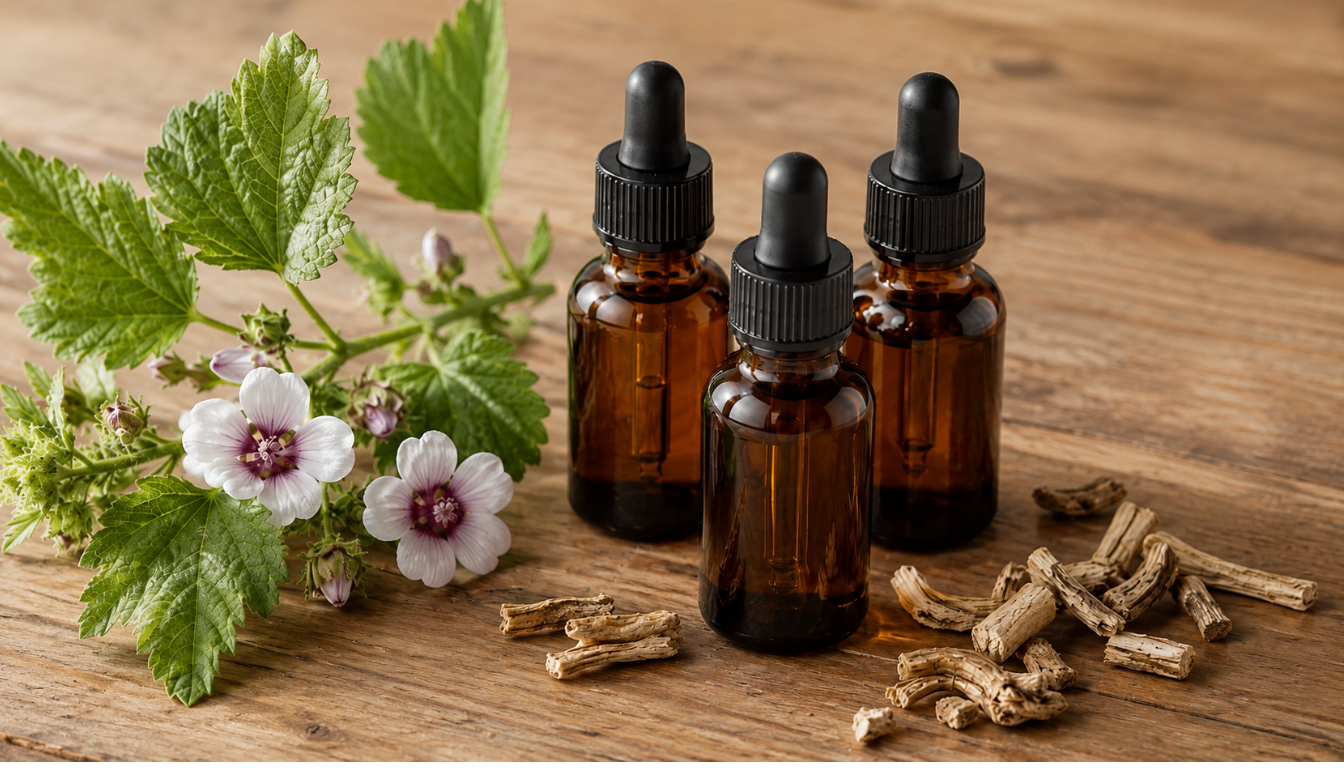
Marshmallow Root Tincture Recipe is a phrase you’ll see often if you look into traditional herbal remedies. Marshmallow root has been valued as a soothing herb for centuries, especially for dry, irritated throats, digestive discomfort and inflamed skin.
One concentrated way herbalists use marshmallow is as a tincture made with alcohol. This can be used in very small, diluted doses internally under professional guidance, or applied externally in skin and mouth preparations.
In this guide, therefore, I’ll walk you through how marshmallow root tincture works, how to make it step‑by‑step, the main ways it’s used traditionally, and how to use it safely alongside other treatments.
Understanding Marshmallow Root
Marshmallow root, also known as Althaea officinalis, is a perennial herb in the mallow family. It belongs to the Malvaceae family, grows natively across Europe, Western Asia and Northern Africa, and healers have used it for centuries for its healing properties.
Historical Use
For example, traditional records describe marshmallow root being used by ancient Egyptians for wounds and inflammation, and by Greeks and Romans for sore throats and digestive issues. Traditional Chinese and European herbalists also turned to it for respiratory problems and itchy, irritated skin.
Marshmallow Root Benefits
Marshmallow root is rich in soothing mucilage and has gentle anti‑inflammatory properties.
- The mucilage is a sticky, gel‑like substance that coats and calms irritated tissue. It works especially well in the digestive and respiratory tracts.
- Traditional use focuses on reflux, mild gastritis, general digestive irritation, dry coughs, sore throats and inflamed or itchy skin.
Although modern research is still limited, several reviews and monographs support marshmallow root as a demulcent herb for upper respiratory and digestive discomfort.
Active Constituents
Marshmallow root contains three main groups of beneficial compounds. These components work together to create marshmallow’s classic soft, protective, demulcent effect.
- Polysaccharides (mucilage) – complex sugars that swell in water to form a soothing gel that coats mucous membranes.
- Flavonoids – antioxidant compounds that help protect tissues from oxidative stress.
- Phenolic acids – mildly anti‑inflammatory compounds that can help reduce local irritation.
If you want to go deeper into this herb before making your tincture, I have covered it in two other guides on theherbprof.com. Marshmallow leaf uses takes a closer look at the plant itself, its history and how it works in the body. Also, if you are curious about how it compares to similar herbs, Licorice vs Marshmallow Root breaks down the differences and helps you choose the right one for your needs. Both are worth a read alongside this recipe.
Preparing for Your Tincture
When preparing to make a marshmallow root tincture, having the right equipment and quality ingredients makes a real difference to the final product.
Required Equipment
You only need a few basic tools:
- A clean, empty mason jar with a lid
- Cheesecloth or a fine mesh strainer
- A measuring cup
- A funnel
- Dark glass dropper bottles for storage
Selecting Quality Ingredients
The quality of your ingredients directly affects your tincture.
- Marshmallow root: Choose a reputable supplier offering high‑quality, organic and sustainably harvested dried marshmallow root. In addition, cut and sifted root is easiest to work with.
- Alcohol: Vodka or brandy at around 40% alcohol (80‑proof) is the most common choice. It has a neutral flavour and extracts many constituents well.
- Water (optional): If diluting the alcohol, use clean filtered water rather than tap water, which may contain impurities that affect taste or quality.
Remember that marshmallow’s mucilage dissolves best in water. Tinctures are often used for convenience or combination formulas, while cold infusions and teas are preferred for deep demulcent action.
Marshmallow Root Tincture Recipe: Step‑by‑Step
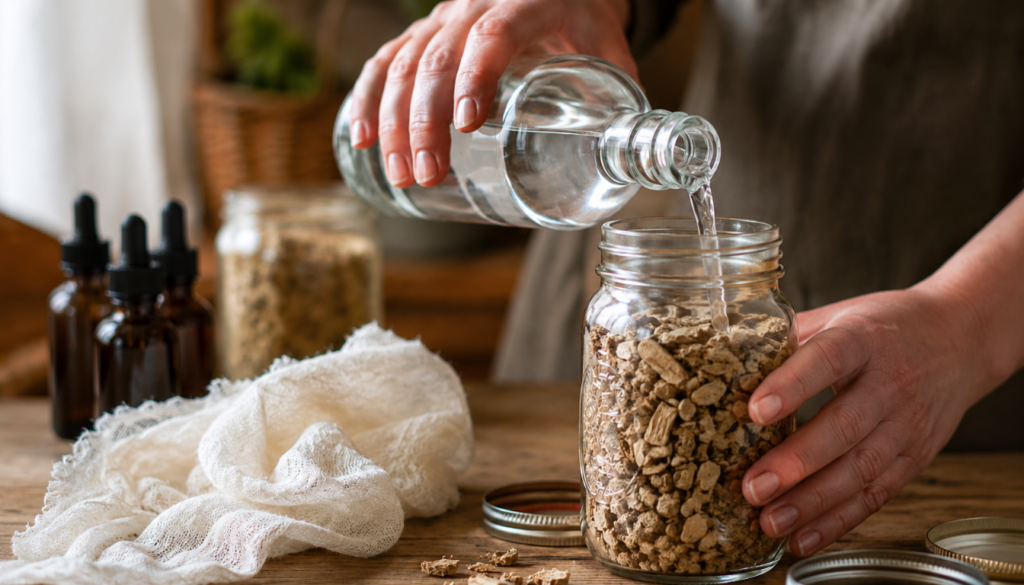
Making your own marshmallow root tincture is straightforward and cost‑effective. Here are the steps.
Step‑by‑Step Tincture Process
- Fill the jar with herb. Fill a clean mason jar about three‑quarters full with dried marshmallow root. Lightly shake to settle the pieces.
- Add the alcohol. Pour 80‑proof alcohol into the jar until the root is completely covered by at least 2–3 cm. Furthermore, the alcohol acts as a preservative and extracts many of the beneficial compounds.
- Seal and shake. Seal the jar tightly and shake it well to mix the contents and remove air pockets.
- Macerate. Finally, store the jar in a cool, dark place for 4–6 weeks, shaking it every few days. This allows the alcohol to extract the constituents from the marshmallow root.
Straining and Bottling
After 4–6 weeks:
- Strain the liquid through a fine mesh strainer or cheesecloth into a clean jug, squeezing the root gently to extract as much liquid as possible.
- Transfer the strained tincture into dark glass bottles using a funnel.
- Label each bottle clearly with the herb name, alcohol strength and date made.
Stored in a cool, dark place, marshmallow root tincture can keep for up to two years. However, the best flavour and potency are usually in the first year.
Therapeutic Uses of Marshmallow Root Tincture
Marshmallow root tincture has been used in traditional herbal medicine to support the throat, digestion and skin.
Because marshmallow’s mucilage dissolves best in water, many herbalists prefer teas or cold infusions for strong demulcent action and use tinctures for convenience, blending and portability.
Digestive Comfort
Marshmallow root tincture is often used to support an irritated digestive tract.
- The mucilage can help coat and calm tissue in the oesophagus and stomach, easing discomfort from reflux, mild gastritis and general digestive irritation.
- For this reason, marshmallow tincture is usually taken diluted in water, often alongside diet changes and other herbs, not as a stand‑alone treatment.
Throat and Respiratory Soothing
Traditional herbal practice uses marshmallow root for dry coughs and sore throats.
- The soothing gel can line irritated throat tissue and help calm the urge to cough.
- Tincture is often used in small doses in combination formulas. Nevertheless, syrups and teas remain popular for intensive throat soothing.
Skin Support
Thanks to its demulcent and mild anti‑inflammatory properties, marshmallow root tincture can also be included in topical blends for itchy or irritated skin.
- For instance, diluted tincture added to creams or lotions may help soften and soothe dry, tight or mildly inflamed skin.
- Do not use on deep, serious or infected wounds without medical advice.
Using Marshmallow Root Tincture Safely
Marshmallow root is generally well tolerated when used appropriately, but tinctures still need sensible handling.
Recommended Dosage
In traditional herbal practice, adults often use around 20–40 drops of marshmallow root tincture diluted in water, up to three times a day.
The right dose depends on:
- Tincture strength
- Body weight
- Overall health and other medicines being taken
It is always best to confirm dosing with a qualified practitioner, especially for long‑term use. For children, always seek professional guidance rather than guessing a dose.
Potential Side Effects
Marshmallow root tincture is generally safe for most adults, but a few issues can arise:
- Allergic reactions – rare, but possible. Signs include rash, itching, swelling or difficulty breathing. Stop use and seek medical help immediately if these occur.
- Digestive upset – some people experience stomach discomfort, nausea or loose stools at higher doses. Reducing the amount usually resolves this.
Medication Interactions
Marshmallow’s mucilage can reduce the absorption of medicines taken by mouth by coating the gut wall.
- Take marshmallow tincture at least 1–2 hours apart from prescription medications or other supplements, unless your doctor advises otherwise. This is especially important for thyroid medications, which marshmallow mucilage can particularly affect.
- People taking blood thinners or blood‑sugar‑lowering drugs should consult their healthcare provider before using marshmallow regularly.
Pregnancy and Breastfeeding
There is limited reliable human data on marshmallow root tincture in pregnancy and breastfeeding.
- Most conservative sources recommend using only small food‑like amounts, or avoiding medicinal doses unless supervised by a qualified practitioner.
- Anyone with chronic illness, complex medication regimens or upcoming surgery should speak with a healthcare professional before using marshmallow tincture.
Enhancing Your Tincture
Once you are comfortable making a basic marshmallow tincture, you can combine it with other herbs or build simple compound formulas.
Combining with Other Herbs
Marshmallow root pairs well with herbs that share similar soothing actions.
- For digestive blends, try combining marshmallow with mint or chamomile for extra digestive support and a pleasant flavour.
- For respiratory blends, small amounts of licorice root, slippery elm or thyme are sometimes added alongside marshmallow.
You can also add a small amount of tincture directly to a cup of herbal tea to combine the benefits of both preparations.
Creating Compound Tinctures
Compound tinctures contain more than one herb in the same bottle and can target multiple complaints at once.
- A respiratory compound might include marshmallow root with small amounts of licorice root, thyme and echinacea.
- A digestive compound might combine marshmallow, chamomile and a little ginger.
Always label your bottles clearly with the herbs, ratios and date so you can reproduce successful formulas. If the taste is too strong, a little raw honey or stevia added to the diluted dose softens it without affecting the herbal properties.
Legal and Medical Disclaimer
The information in this guide is for educational purposes only. It is not intended to diagnose, treat, cure or prevent any disease.
Marshmallow root tincture is generally considered safe when used in traditional doses, but it can interact with certain medications including blood thinners, diabetes medicines and other drugs taken by mouth.
Always consult a qualified healthcare professional before using marshmallow root tincture if you:
- Take prescription medication
- Are pregnant or breastfeeding
- Have a chronic medical condition
- Plan to use it regularly or at higher doses
Herbal products are not regulated as strictly as medicines, so quality and strength can vary. Choose reputable suppliers and follow manufacturer or practitioner guidance carefully.
Before You Go – Marshmallow Root Tincture Recipe
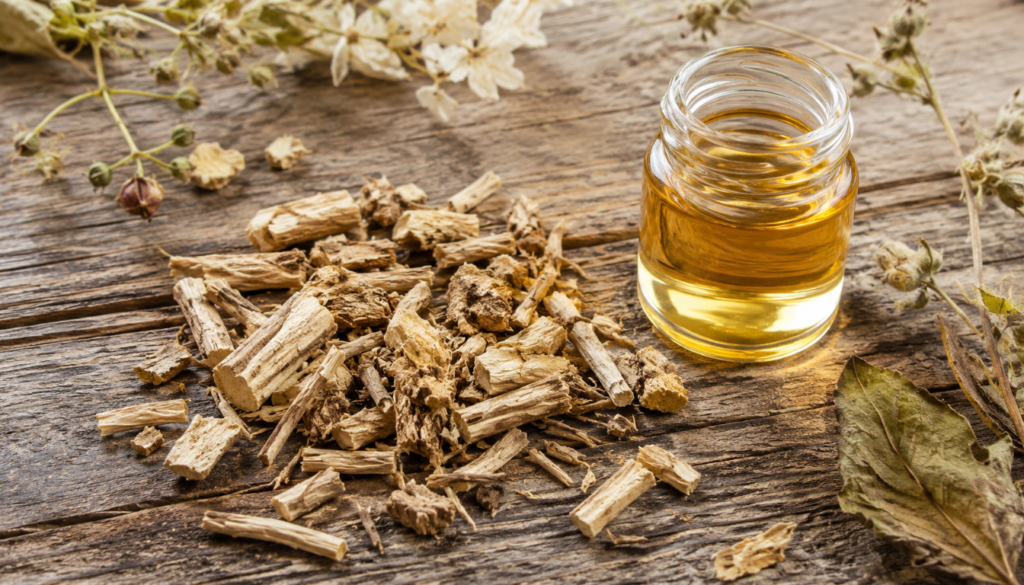
Making your own marshmallow root tincture is one of the most rewarding steps you can take into home herbalism. It costs very little, takes only a few minutes of active effort, and gives you a soothing, versatile remedy that can sit quietly in your medicine cabinet ready whenever you need it.
The more you explore herbs like marshmallow root, the more you start to see how well they complement each other and how simple it can be to support your health naturally. Whether you are brand new to tinctures or already have a small collection of herbal remedies at home, every new herb you learn adds something valuable to your toolkit.
Take your time, be patient with the process, and enjoy the journey. There is always something new to discover at theherbprof.com, and I am here every step of the way.
References – Marshmallow Root Tincture Recipe
Little Herb Encyclopedia, by Jack Ritchason; N.D., Woodland Publishing Incorporated, 1995
The Ultimate Healing System, Course Manual, Copyright 1985, Don Lepore
Planetary Herbology, Michael Tierra, C.A., N.D., Lotus Press, 1988
Handbook of Medicinal Herbs, by James A. Duke, Pub. CRP Second Edition 2007
The Complete Medicinal Herbal, by Penelope Ody, Published by Dorling Kindersley
Related Articles
Damiana Tincture Recipe: Easy Way To Make At Home
Cinnamon Tincture Recipe: Your Herbal Extract
Ginseng Tincture Recipe: How to Make Your Own?
Black Walnut Tincture Recipe: A Simple Guide
Frequently Asked Questions – Marshmallow Root Tincture Recipe
What are the basic steps to make marshmallow root tincture at home?
Fill a jar three‑quarters full of dried marshmallow root, cover with 80‑proof alcohol, seal and shake well, then steep in a cool dark place for 4–6 weeks. After that, strain through cheesecloth, bottle into dark glass dropper bottles, and label clearly with the date and contents.
How long should marshmallow root steep to make a potent tincture?
Allow marshmallow root to steep for 4–6 weeks so the alcohol has enough time to extract the root’s soluble constituents before you strain and bottle it.
What is a typical adult dosage for marshmallow root tincture?
In traditional practice, adults often start with about 20–40 drops diluted in water, up to three times daily, but the ideal dose depends on tincture strength and individual health needs. Confirming with a qualified practitioner is always advisable.
Can marshmallow root tincture be used on the skin?
Yes. Diluted marshmallow tincture can be applied topically or added to creams and lotions to help soften and soothe dry or mildly irritated skin. Serious or infected wounds still need medical care.
What benefits do people seek from marshmallow root tincture?
People typically use marshmallow tincture to support irritated digestion, dry coughs, sore throats and mildly inflamed skin, drawing on its demulcent and anti‑inflammatory properties. Research is still limited and it should not replace medical treatment.
How should marshmallow root tincture be stored?
Store in sealed dark glass bottles in a cool, dark place away from sunlight and heat. Under these conditions it can keep for up to two years, with best potency in the first year.