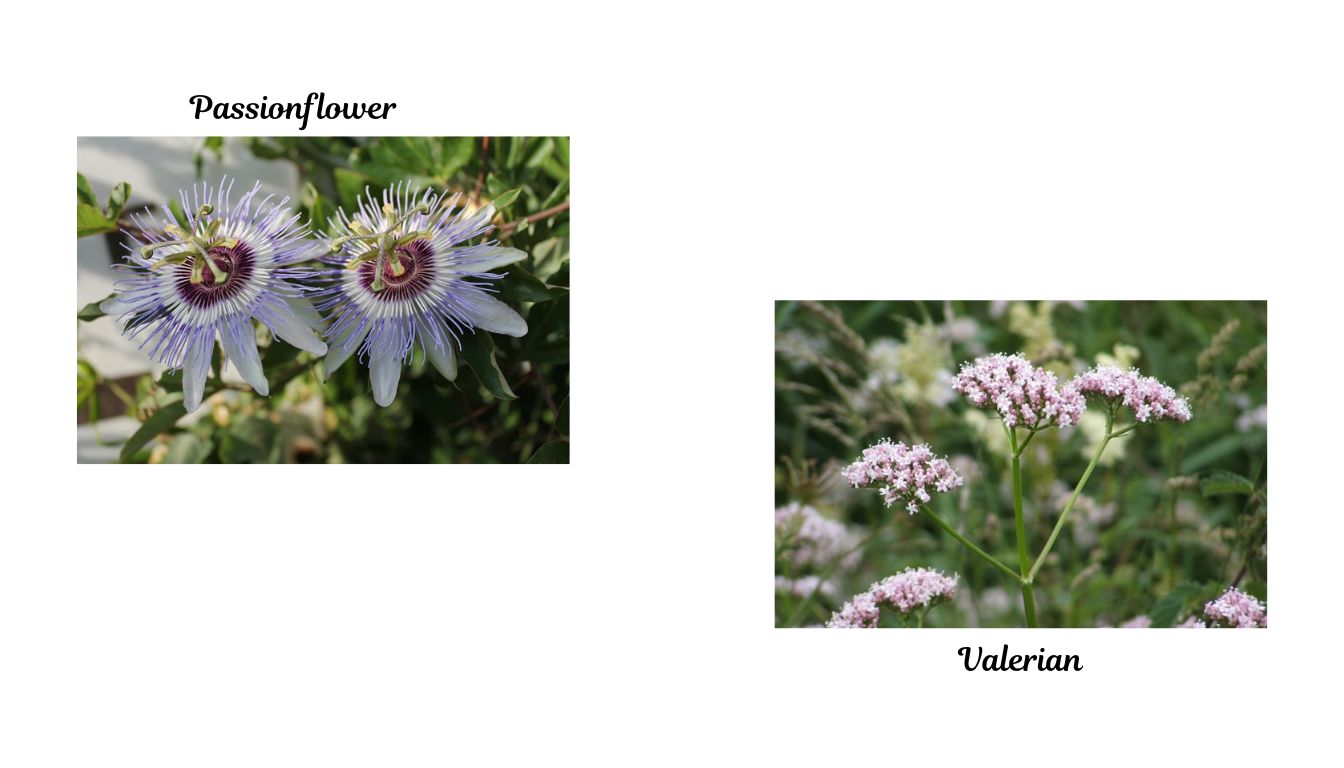
Having trouble falling asleep? You’re in good company. Many people look to natural remedies in search of a peaceful night’s rest. Two well-known options are passionflower and valerian root. Passionflower vs Valerian is a common comparison, as both offer distinct advantages and have been used for generations. The real question is which one suits your needs best.
Overview of Natural Sleep Aids
Natural sleep aids help people sleep better without harsh side effects. As a result, they offer a gentler approach to enhancing sleep quality. Two popular options include passionflower and valerian root. Both have received much attention for their calming effects.
Passionflower has a long history of use. In particular, people often turn to it for its potential to reduce anxiety and improve sleep. Traditional medicine has recognized its benefits for centuries. Moreover, research supports its ability to increase gamma-aminobutyric acid, a neurotransmitter that promotes relaxation.
Valerian root also has historical significance. People use it to ease insomnia and promote deeper sleep. Notably, many studies suggest it might shorten sleep onset time. Valerian acts on the brain’s neurotransmitters too, creating a sense of calm.
When comparing the two, one should consider individual preferences and responses. Different people react uniquely to each herb. Some find passionflower more effective, while others benefit from valerian. Therefore, I encourage trying both to see which resonates better with your sleep needs.
Both options embrace nature’s power, so exploring them could lead to better rest. After all, we all deserve a good night’s sleep, right?
Passionflower as a Sleep Aid
Passionflower is a popular choice for those seeking better sleep. This herb not only calms the mind but also promotes relaxation and enhances sleep quality.
Benefits of Passionflower – Passionflower vs Valerian: Finding Your Best Sleep Ally
Passionflower offers multiple benefits for sleep. It reduces anxiety, making it easier to unwind before bed. As a result, users often report falling asleep faster and staying asleep longer. Research suggests it can lessen insomnia symptoms. Additionally, the herb may improve sleep without causing daytime drowsiness, so I wake up feeling refreshed.
Mechanism of Action
Passionflower works mainly by increasing gamma-aminobutyric acid (GABA) in the brain. This neurotransmitter promotes relaxation and reduces stress levels. Consequently, when GABA levels rise, the brain calms down, leading to a more restful night. Studies highlight this effect on reducing anxiety and enhancing sleep, which is great news for anyone tossing and turning at night.
Valerian Root as a Sleep Aid
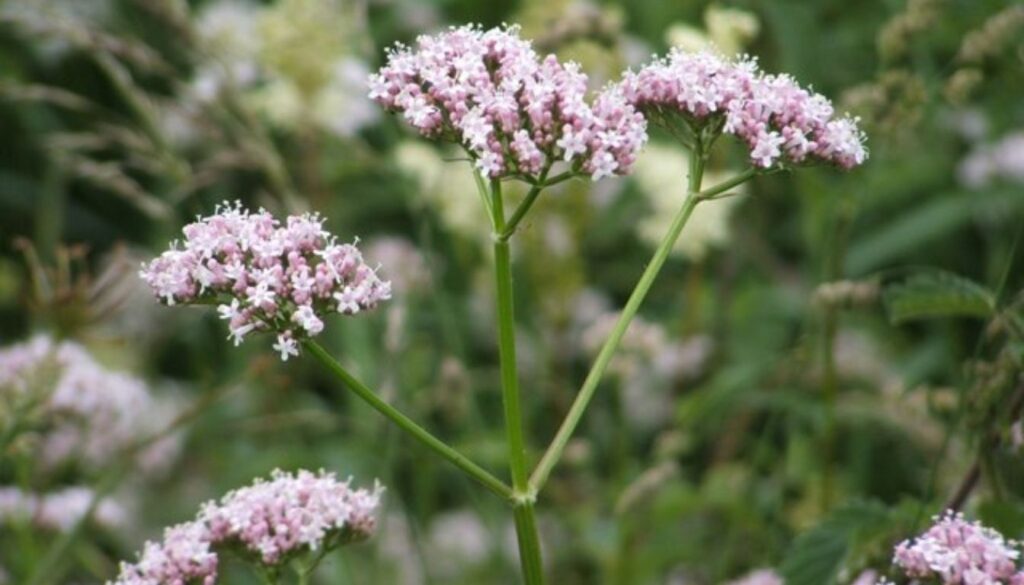
Valerian root offers several benefits for sleep. For many, it serves as a natural solution for insomnia and restless nights. Studies show that it may help you fall asleep faster and improve sleep quality. Users often report feeling more refreshed and alert in the morning after using valerian root.
Benefits of Valerian Root – Passionflower vs Valerian: Finding Your Best Sleep Ally
Valerian root acts as a calming herb. It can reduce anxiety, making it easier to unwind after a long day. Moreover, this herb may also enhance overall sleep duration. Some individuals find that it helps them achieve deeper sleep, which can contribute to better health. Importantly, users appreciate that valerian root generally has fewer side effects than prescription sleep medications.
Mechanism of Action
Valerian root works by affecting neurotransmitters in the brain. It boosts gamma-aminobutyric acid (GABA), a chemical that promotes relaxation. As GABA levels increase, it can help ease stress and calm the mind. This action may lead to faster sleep onset and prolonged restful sleep. Unlike some sleep aids, valerian root doesn’t typically leave you groggy in the morning. Its natural properties make it appealing for those seeking a gentle approach to better sleep.
Comparing Passionflower and Valerian
Passionflower and valerian root both serve as popular natural sleep aids. Each offers distinct benefits for sleep enhancement, so a side-by-side comparison is useful.
Effectiveness for Sleep – Passionflower vs Valerian: Finding Your Best Sleep Ally
Passionflower shines in its ability to reduce anxiety and promote relaxation. It’s like a warm hug for your mind. According to research, it may help increase GABA levels, leading to faster sleep onset. Many people report drifting off quickly with passionflower. Valerian root, on the other hand, tackles insomnia and promotes deeper sleep. It works wonders for those restless nights. In addition, studies suggest valerian can shorten the time it takes to fall asleep and help one stay asleep longer, too. Some users rave about feeling fresh and alert after a night of valerian-enhanced slumber.
Safety and Side Effects
Both herbs boast relatively good safety profiles. Passionflower generally poses minimal risks. Some occasional side effects include dizziness or stomach upset. Valerian root also remains safe for most users, though it may cause mild digestive issues or headaches.
Always start with a low dose to see how your body responds. If you’re ever in doubt, a conversation with a healthcare provider is a smart move. These natural options can help promote a well-deserved restful night, but it’s essential to know how your own body reacts.
Before You Go – Passionflower vs Valerian: Finding Your Best Sleep Ally
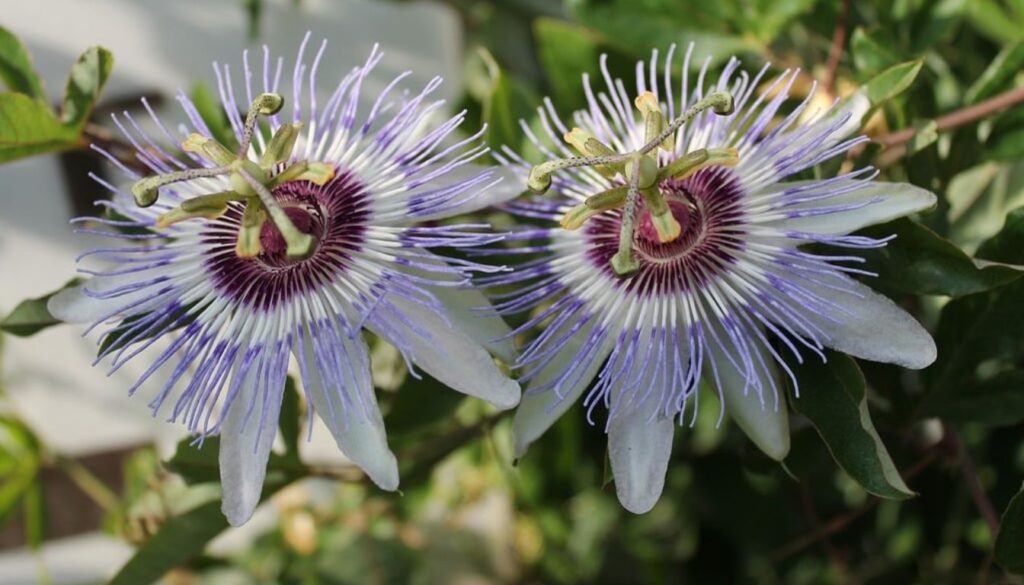
Choosing between passionflower and valerian root as natural sleep aids ultimately comes down to personal preference and individual needs. I’ve found that while passionflower is fantastic for easing anxiety and promoting relaxation, valerian root shines when it comes to combating insomnia and achieving deeper sleep.
Both herbs have their unique strengths and can significantly improve sleep quality. It’s worth experimenting with each to see which one resonates with your body and sleep patterns. Remember that everyone’s journey to restful sleep is different, so don’t hesitate to consult a healthcare provider to ensure you’re making the best choice for your health. A good night’s sleep is within reach with the right natural support.
Don’t forget to add theherbprof.com homepage to your favourites so you don’t miss out on future articles.
References – Passionflower vs Valerian: Finding Your Best Sleep Ally
Little Herb Encyclopedia, by Jack Ritchason; N.D., Woodland Publishing Incorporated, 1995
The Ultimate Healing System, Course Manual, Copyright 1985, Don Lepore
Planetary Herbology, Michael Tierra, C.A., N.D., Lotus Press, 1988
Handbook of Medicinal Herbs, by James A. Duke, Pub. CRP Second Edition 2007
The Complete Medicinal Herbal, by Penelope Ody, Published by Dorling Kindersley
Check the Following Article
Herbal Chest Rub for Congestion: A Soothing DIY Remedy
Herbs for Radiant Skin After 40: Unlock Your Natural Glow
Herbs for Stretch Marks: Nourishing Skin Naturally
How to Brew Medicinal Mushroom Tea: A Guide to Wellness
Frequently Asked Questions – Passionflower vs Valerian: Finding Your Best Sleep Ally
What are the benefits of passionflower for sleep?
Passionflower is known for its ability to reduce anxiety and improve sleep quality. It increases gamma-aminobutyric acid (GABA) levels in the brain, promoting relaxation. Users often find it helps them fall asleep faster and stay asleep longer without causing daytime drowsiness.
How does valerian root help with sleep?
Valerian root is effective in easing insomnia and promoting deeper sleep. Studies suggest it helps shorten sleep onset time by acting on neurotransmitters in the brain. Many users report waking up feeling more refreshed after using valerian root.
Are there any side effects of using passionflower or valerian root?
Both passionflower and valerian root are considered safe for most people, with minimal risks. However, some individuals may experience mild side effects, such as dizziness or digestive upset. It’s wise to consult a healthcare provider if you have any concerns.
Can I use passionflower and valerian root together?
Yes, you can try using passionflower and valerian root together, as they may complement each other in promoting relaxation and sleep. However, individual responses can vary, so it’s best to start with one before combining them.
How do I know which herb is better for me?
Individual preferences and responses differ, so it’s recommended to try both passionflower and valerian root separately. Pay attention to how you feel after using each herb to determine which one best meets your sleep needs.