
The Herb Prof Team researches and writes our herbal guides, drawing on published research, traditional herbal references, and hands-on growing experience.
Rosemary is a beloved herb, celebrated for centuries for its medicinal properties. Centuries of use show it enhances memory and concentration, boosts mood, and reduces inflammation. One effective way to harness rosemary’s benefits is by making a rosemary tincture. But how can you create a rosemary tincture recipe?
A tincture is a concentrated liquid herbal extract made by soaking herbs in alcohol. Rosemary tincture is easy to make at home and can be used for a variety of purposes. People commonly use it to improve digestion, relieve headaches, and reduce stress and anxiety. Additionally, rosemary tincture can be used topically to promote hair growth and improve skin health.
What Is Rosemary Tincture?
Definition
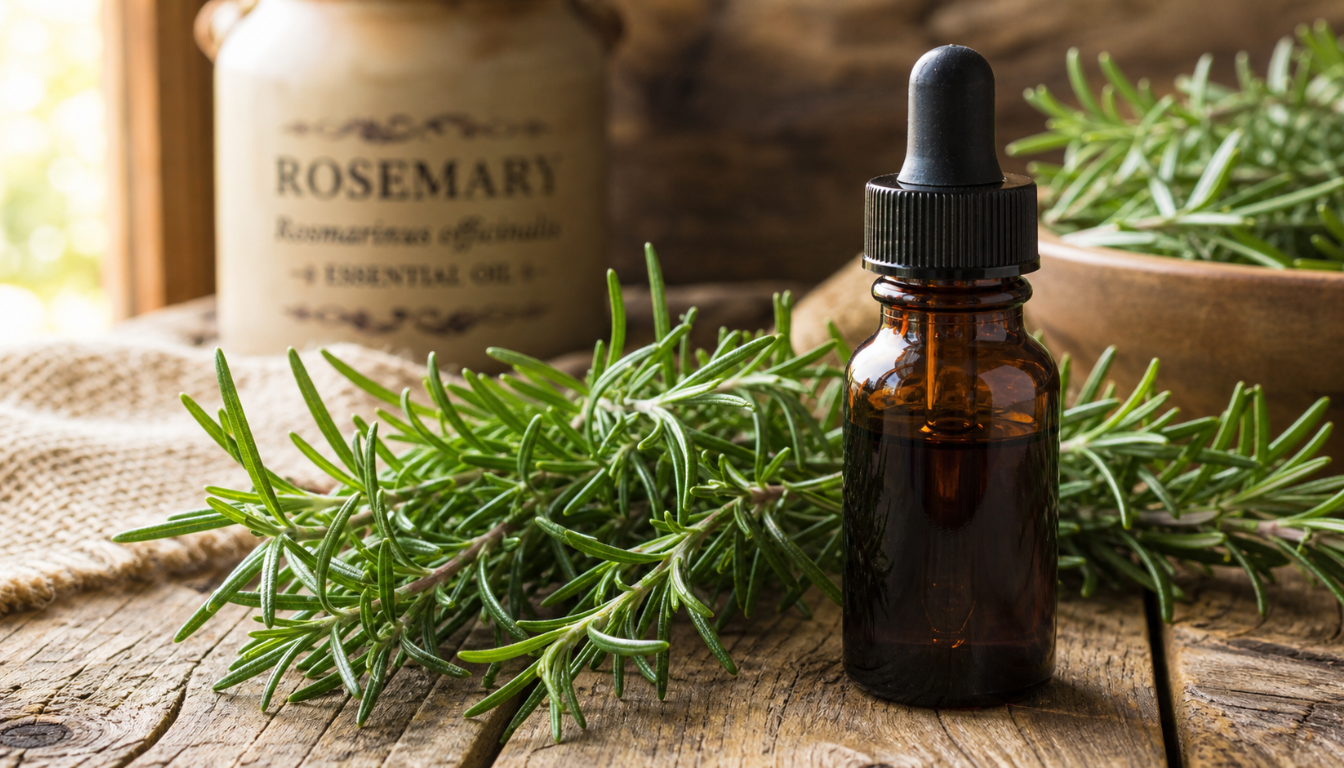
Rosemary tincture is a concentrated herbal extract made by steeping fresh or dried rosemary leaves in alcohol or vinegar. This process produces a liquid rich in antioxidants, anti-inflammatory compounds, and other medicinal properties.
Benefits
Rosemary tincture acts as a powerful antioxidant, helping protect healthy cells from free radical damage. Its anti-inflammatory properties improve blood flow, reduce inflammation, and support a healthy immune system.
Uses
You can use rosemary tincture in several ways, as a daily tonic for overall health, as a flavoring agent in cooking and baking, or as a natural remedy for specific ailments. Many people find it sharpens brain function, memory, and concentration, while others use it to aid digestion or ease discomfort from arthritis and rheumatism.
Overall, rosemary tincture is a versatile and potent herbal extract that can provide a wide range of health benefits. Whether you’re looking to support your immune system, improve brain function, or simply add a flavorful and aromatic ingredient to your cooking, rosemary tincture is worth considering.
How to Make a Rosemary Tincture
If you want to make a rosemary tincture at home, it’s important to start with fresh rosemary leaves. In this section, I will provide you with step-by-step instructions on how to make a rosemary tincture using alcohol as a solvent.
Harvesting Rosemary
The first step to making a rosemary tincture is to harvest fresh rosemary leaves. You can either grow your own rosemary plant or purchase fresh rosemary from a local grocery store or farmers market. Make sure the rosemary leaves are fresh and free of any dirt or debris.
Ingredients
To make a rosemary tincture, you will need the following ingredients:
- Fresh rosemary leaves
- High-proof alcohol such as vodka or brandy
- Glass jar with a tight-fitting lid
- Cheesecloth or strainer
- Dropper bottle
Directions
- Begin by sterilizing a glass jar and lid by boiling them in water for 10 minutes. Let them cool completely before using.
- Finely chop the fresh rosemary leaves and place them in the sterilized jar.
- Pour high-proof alcohol over the rosemary leaves until they are completely covered.
- Seal the jar tightly and shake it well to mix the contents.
- Place the jar in a cool, dark place for at least 4 weeks. Shake the jar every few days to help infuse the alcohol with the rosemary.
- After 4 weeks, strain the mixture through a cheesecloth or strainer to remove the rosemary leaves.
- Transfer the tincture to a dropper bottle for easy use.
Dosage and Safety: Start with 10–15 drops diluted in a small glass of water once daily. Do not exceed 30 drops three times daily. Avoid rosemary tincture during pregnancy, while breastfeeding, or if you take blood thinners or anticoagulant medication. Always consult a qualified herbalist or doctor before starting any herbal supplement.
It’s important to note that the proof of the alcohol you choose will affect the potency of your tincture. The higher the proof, the stronger the tincture will be. You can use other solvents such as apple cider vinegar, glycerin, or water instead of alcohol if you prefer, but the resulting tincture may not be as potent.
Studies confirm that rosemary compounds like rosmarinic acid deliver antibacterial and antioxidant effects. A rosemary tincture may help combat oxidative stress and support overall health.
In total, making a rosemary tincture will take about 4-6 weeks, including the steeping time. With these simple instructions, you can make your rosemary tincture and enjoy its potential health benefits.
Other Uses for Rosemary Tincture
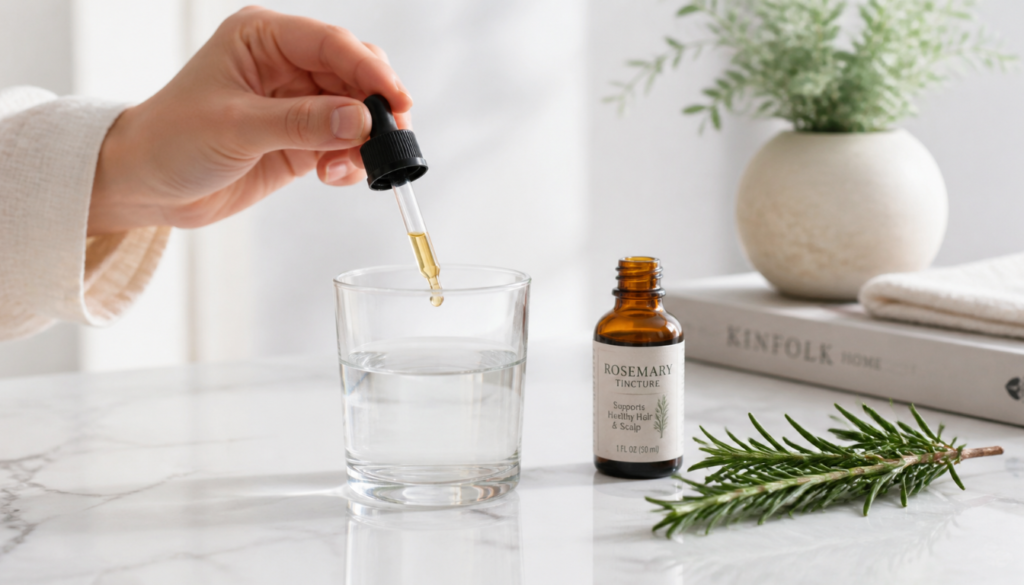
Rosemary tincture is not only a powerful herbal remedy, but it also has other uses that you might find interesting. In this section, I will cover some of the most common uses of rosemary tincture, such as hair growth, antioxidants, and cooking.
For Hair Growth
Rosemary tincture can be used topically to promote hair growth. The tincture helps to increase blood flow to the hair follicles, which stimulates hair growth. To use rosemary tincture for hair growth, simply apply a few drops to your scalp and massage it in. You can also add a few drops to your shampoo or conditioner.
As an Antioxidant
Rosemary tincture is rich in antioxidants, which help to protect your cells from damage caused by free radicals. Free radicals are unstable molecules that can damage your cells and contribute to the development of chronic diseases. By consuming rosemary tincture, you can help to prevent oxidative stress and protect your cells from damage.
In Cooking and Cocktails
Rosemary tincture can be used in cooking and cocktails to add flavor and depth. The tincture can be used to flavor sauces, potatoes, and other dishes. In cocktails, rosemary tincture can be used to add a unique twist to classic drinks like the gin and tonic. To use rosemary tincture in cooking or cocktails, simply add a few drops to your recipe.
Before You Go – Rosemary Tincture Recipe
Rosemary is one of the most accessible herbs for home tincture-making, and one of the most underestimated clinically. A few drops daily can make a real difference to circulation, cognitive clarity, and digestive comfort. Make a batch, be patient with the steeping time, and introduce it gradually.
References – Rosemary Tincture Recipe
Little Herb Encyclopedia, by Jack Ritchason; N.D., Woodland Publishing Incorporated, 1995
The Ultimate Healing System, Course Manual, Copyright 1985, Don Lepore
Planetary Herbology, Michael Tierra, C.A., N.D., Lotus Press, 1988
Handbook of Medicinal Herbs, by James A. Duke, Pub. CRP Second Edition 2007
The Complete Medicinal Herbal, by Penelope Ody, Published by Dorling Kindersley
Related Article
Herb to Lower Cortisol: Solution for Stress Management
Frequently Asked Questions – Rosemary Tincture Recipe
What are the benefits of using rosemary tincture?
Rosemary tincture has been used for centuries for its medicinal properties. Herbalists use it to improve memory, increase circulation, and relieve pain. Rosemary tincture is also rich in antioxidants, which can help protect the body from damage caused by free radicals.
How can I create a rosemary tincture without using alcohol?
If you prefer not to use alcohol, you can make a rosemary tincture using apple cider vinegar or vegetable glycerin instead. Simply follow the same process as you would for an alcohol-based tincture, but substitute the alcohol with your chosen alternative.
Which type of alcohol is most effective for making a rosemary tincture?
Most herbalists use high-proof alcohol such as vodka or brandy because it extracts beneficial compounds more effectively.
What is the process for making a dried rosemary tincture?
The ratio differs depending on whether you use fresh or dried rosemary. For fresh rosemary, use one part herb to three or four parts alcohol. For dried rosemary, use one part herb to two parts alcohol, as dried herbs are more concentrated. Follow the same steeping and straining process either way.
Can rosemary tincture be used to enhance hair health?
Yes, rosemary tincture is believed to be beneficial for hair health. It is thought to stimulate hair growth and improve scalp health. To use rosemary tincture on your hair, simply mix a few drops with your shampoo or dilute it with water and use it as a hair rinse.
What are some ways to incorporate rosemary tincture into cocktails?
Rosemary tincture can add a unique and flavorful twist to cocktails. Try adding a few drops to a gin and tonic or a vodka martini. You can also use it to flavor simple syrup or mix it with honey and lemon juice for a refreshing herbal cocktail.