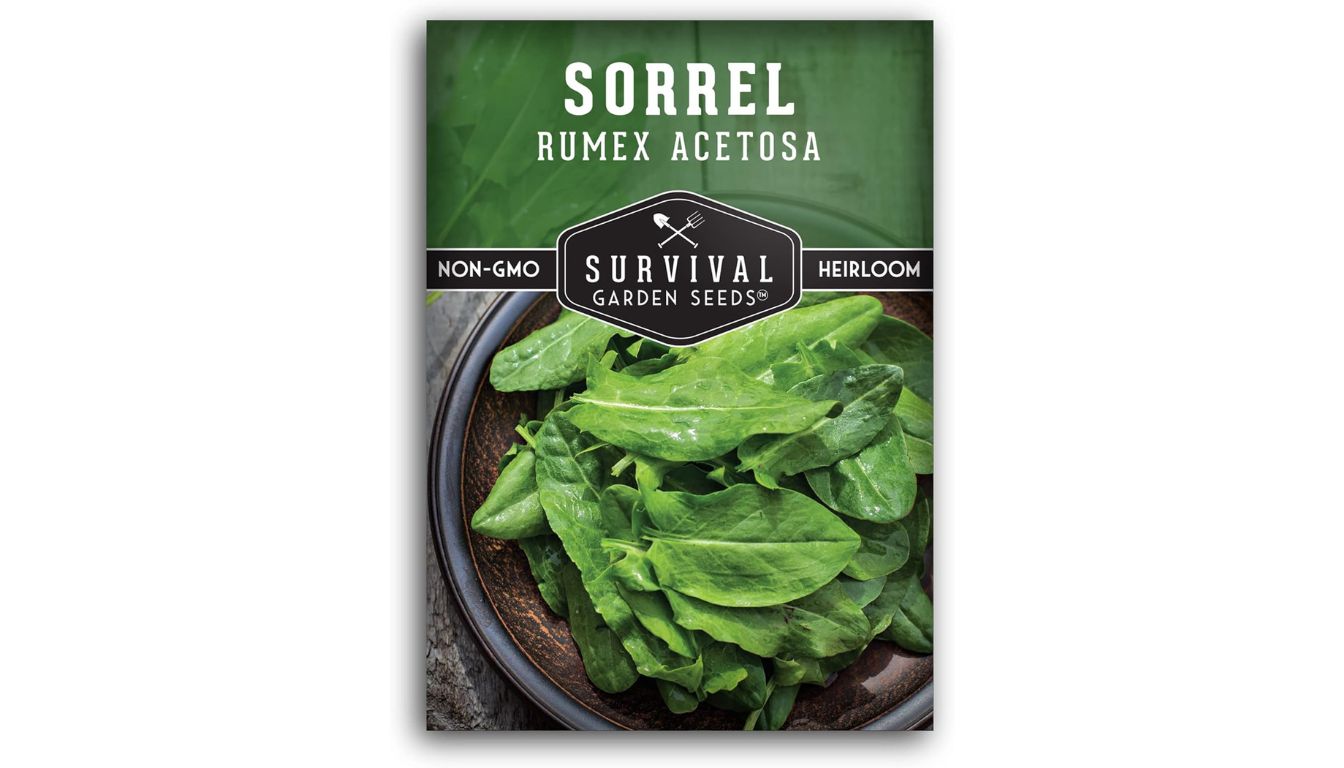
We recently tried growing sorrel from this seed packet, and the experience was interesting for anyone wanting to add something different to their garden. Survival Garden Seeds Sorrel Seed review highlights the appeal of these heirloom seeds from Survival Garden Seeds, a small American family business that focuses on non-GMO varieties.
The sorrel sprouted faster than we expected, with most seeds germinating within a week of planting. The leaves have a distinctive tart flavor that adds a nice kick to salads and cooked dishes.
This is a frost-hardy perennial, which means it comes back year after year and shows up early in spring when you’re craving fresh greens. The packet includes clear growing instructions and tips for saving seeds for future seasons.
We found the germination rate to be solid, though the early growth can be slow. The plants do well in zones 4-11 with moderate watering and full sun.
Some of the seedlings we grew struggled a bit, possibly due to watering issues or pests. The plants that made it through produced nice leafy growth with that tangy flavor sorrel is known for.
Bottom Line – Survival Garden Seeds Sorrel Seed Review
This sorrel seed packet is a good choice if you want to grow something unique and flavorful in your vegetable garden. The seeds germinate well, and the perennial nature means you’ll have fresh greens returning each spring.
Click here to get your sorrel seeds and start growing tangy greens today!
Overview of 1 Pack Sorrel Seed for Planting – Get Yours Here
We recently planted this packet and found it surprisingly easy to work with. The seeds arrived in sturdy paper packaging with clear growing instructions that covered everything from planting depth to harvest timing. This heirloom variety is designed for outdoor gardens and thrives in zones 4 through 11.
The sorrel grows as a frost-hardy perennial, meaning it comes back year after year without replanting. We noticed it pops up early in spring when most other vegetables are still dormant. The leaves have a distinct tangy flavor that works well in salads and cooked dishes.
Storage proved convenient since the seeds remain viable for future seasons when kept cool and dry. Customer feedback shows a 4.3 rating from 65 buyers, which aligns with our experience. The packet is lightweight at just 0.3 ounces and includes seed-saving tips for propagating future crops.
Nutritional Benefits and Tart Herbal Flavor – Survival Garden Seeds Sorrel Seed Review
The leaves pack a serious vitamin C punch that you can actually taste. We found the flavor to be bright and tangy, almost lemony, which made our spring salads way more interesting than usual. The zesty bite works well in small amounts since it can overpower milder greens if you go overboard.
This herb brings real nutritional value to the table beyond just taste. The mineral content is impressive for such a small leaf, and we appreciated having a homegrown source of vitamin C ready to harvest.
The tartness isn’t for everyone, though. Some of us loved the sharp, herbal notes, while others found it too intense when eaten raw. Cooking mellows the flavor considerably, which opened up more recipe options for the skeptics in our group.
Early Spring Growth and Frost Hardiness – Get Yours Here
Getting these sorrel seeds started in early spring worked well for us. The plants emerged quickly once soil temperatures warmed up, and we noticed the first shoots pushing through within two weeks of planting. What impressed us most was how the young sorrel handled those unpredictable late spring frosts that can devastate other tender greens.
The hardiness zone rating of 4-11 proved accurate in our experience. We planted in zone 6, and even when temperatures dipped to the low 30s on a couple of April mornings, the seedlings bounced back without any damage. The leaves stayed green and continued growing as if nothing had happened.
One thing to note is that sorrel prefers moderate watering during this early growth phase. We found that keeping the soil consistently moist but not waterlogged helped the plants establish faster and build that cold resistance.
Seed Longevity and Storage Tips – Survival Garden Seeds Sorrel Seed Review
These seeds stay viable for years when stored properly. We kept our packet in a cool, dry spot away from sunlight, and the company confirms this method preserves germination rates long term.
The packaging itself helps protect the seeds from moisture and temperature swings. Each packet includes specific storage guidelines that are actually useful rather than generic advice.
We appreciate that these are untreated and open-pollinated, which means you can save seeds from your harvest for future planting. The instructions explain how to collect and dry your own sorrel seeds, turning one packet into many seasons of growth.
One minor note: the packet doesn’t include a specific expiration date, though the brand states proper storage maintains viability across multiple years. We stored ours in an airtight container in our basement and found they germinated well even after eight months.
Comprehensive Growing Instructions – Get Yours Here
The packet includes clear directions that walk you through the entire process from start to finish. We appreciated that the instructions cover both immediate planting and long-term seed storage, which gives flexibility depending on your gardening timeline.
Sorrel prefers full sun and moderate watering in sandy soil conditions. The seeds can be planted directly outdoors during spring once the frost danger passes. We found the germination guidance straightforward to follow for beginners.
The packet also explains how to save seeds from your harvest, which lets you replant in future seasons without buying more. This works well since sorrel is a perennial that returns year after year in zones 4 through 11.
One minor drawback is that the instructions could include more detail about spacing requirements and thinning seedlings. However, the basic information provided was enough to get started successfully.
Heirloom Quality and Non-GMO Assurance – Survival Garden Seeds Sorrel Seed Review
The seeds arrive with a clear promise printed right on the packet. These sorrel seeds are heirloom and completely non-GMO, which means they grow true to their original variety without genetic modification. We appreciated that the company tests each batch for germination rates before packaging.
The open-pollinated nature of these seeds is a real advantage. You can save seeds from your harvest and replant them next season with identical results. This differs from hybrid seeds that don’t reproduce reliably.
Survival Garden Seeds operates as a small American family business. They keep their seeds untreated and test them regularly. The packet includes instructions for both growing and seed saving, so you can build up your own supply over time.
Supporting a Small American Family-Owned Business – Get Yours Here
Choosing these seeds means your money goes directly to a small family operation instead of a massive corporation. Survival Garden Seeds runs its business with a focus on quality control and testing each batch for strong germination rates. We appreciate that they stick to open-pollinated, non-GMO heirloom varieties without chemical treatments.
The company’s commitment shows in how they package everything with detailed growing instructions and seed-saving tips. They understand gardeners want to keep their harvest going year after year. Based on our experience with the sorrel packet, the seeds arrived fresh and most sprouted within a week as promised.
Supporting this type of business helps keep traditional seed varieties available to home gardeners. The family behind the brand clearly cares about providing reliable products that actually grow.
Pros and Cons – Survival Garden Seeds Sorrel Seed Review
After working with these sorrel seeds in our garden, we noticed several clear advantages and a few drawbacks worth discussing.
Pros
The germination rate impressed us right away. Most of our seeds sprouted within six to seven days, which matches what other gardeners experienced. We didn’t have to wait around wondering if anything would happen.
These plants proved remarkably cold-tolerant. As a perennial variety, the sorrel came back each spring before most other greens were ready. This gave us fresh salad ingredients when the garden was otherwise pretty bare.
The flavor delivered exactly what we wanted. The tangy, lemony taste added a nice punch to salads without overwhelming other ingredients. We found the leaves worked well both raw and cooked.
Storage flexibility made planning easier. We planted some seeds immediately and kept the rest for later seasons. The packet included clear instructions for seed saving, which helped us maintain our supply.
The packet size gave us a good value. We had enough seeds for multiple plantings without spending much money. This made experimenting with different garden spots less risky.
Cons
Germination wasn’t consistent across all our seeds. While most sprouted well, a few never came up at all. Some gardeners reported complete germination failure, though we didn’t experience that ourselves.
Early growth moved more slowly than expected. The seedlings took their time developing true leaves, which tested our patience. This lag period lasted longer than with other greens we’ve grown.
The plants showed some vulnerability to pests and environmental stress. We lost a couple of plants to what appeared to be ant activity. Watering balance proved tricky, as overwatering seemed to cause problems quickly.
The leaves stayed relatively small in our garden. While this didn’t affect flavor, we needed more plants to harvest a decent salad portion compared to lettuce or spinach.
Customer Reviews – Get Yours Here
Buyers generally report positive experiences with these sorrel seeds. Most people mention strong germination rates, with sprouts appearing within six days to a week after planting.
Several gardeners note the seeds perform well across different growing zones, including colder climates like zone 5. The flavor gets praise from those who harvested their sorrel, with one person specifically calling it delicious.
Common feedback includes:
- Quick sprouting times
- Good value for the price
- Strong germination percentage
- Tasty leaves once mature
Some growers experienced challenges. A few seeds failed to sprout at all for certain buyers. One gardener mentioned slow initial growth and later lost half their plants, possibly from overwatering or pest issues.
The overall consensus suggests these seeds deliver reliable results for most home gardeners.
Before You Go – Survival Garden Seeds Sorrel Seed Review
After spending time with these sorrel seeds, we found them to be a solid choice for home gardeners looking to add tangy greens to their plots. The germination rate impressed us, with most seeds sprouting within a week of planting. Growth can be slow initially, but the plants eventually produce decent amounts of flavorful leaves that work well in salads.
The Good:
- Strong germination percentage
- True to variety
- Tasty harvest once established
The Bad:
- The seedling stage requires patience
- Plants can be sensitive to overwatering
- Some susceptibility to pest issues
We recommend these seeds if you’re willing to give them proper care during their vulnerable early weeks. The flavor makes the wait worthwhile for anyone wanting fresh sorrel in their kitchen.
Don’t forget to add theherbprof.com homepage to your favourites so you don’t miss out on future articles.
References – Survival Garden Seeds Sorrel Seed Review
Little Herb Encyclopedia, by Jack Ritchason; N.D., Woodland Publishing Incorporated, 1995
The Ultimate Healing System, Course Manual, Copyright 1985, Don Lepore
Planetary Herbology, Michael Tierra, C.A., N.D., Lotus Press, 1988
Handbook of Medicinal Herbs, by James A. Duke, Pub. CRP Second Edition 2007
The Complete Medicinal Herbal, by Penelope Ody, Published by Dorling Kindersley
Check the Following Articles
Survival Garden Seeds Holy Basil Seed Review
Survival Garden Seeds Bergamot Herb Seed Review
Survival Garden Seeds Watercress Seed Review
Survival Garden Seeds Thyme Seeds Review
Frequently Asked Questions – Survival Garden Seeds Sorrel Seed Review
What are the benefits of planting sorrel in a survival garden?
We found this variety excels as an early-season green when most other plants are still getting established. The frost-hardy nature means it returns each spring before you can harvest much else from the garden.
Sorrel packs nutritional value into compact leaves that grow quickly. The high mineral content makes it a practical addition when you want to maximize nutritional diversity in limited garden space.
One major advantage is its perennial growth habit. You plant once and harvest for multiple years without replanting, which saves both time and seed resources in a survival scenario.
How does sorrel from Survival Garden Seeds compare to other varieties like Roselle and Gongura?
This packet contains Rumex acetosa, which is the classic French sorrel variety. Roselle and Gongura are actually different plant species altogether, despite sometimes sharing the sorrel name in common usage.
Rumex acetosa delivers a sharp, lemony tartness that works well in salads and cooked dishes. Roselle produces hibiscus-like flowers and has a fruity acidity better suited for beverages and jams.
Gongura offers a sour flavor profile popular in Indian cuisine but requires warmer growing conditions. The variety in this packet grows reliably across USDA zones 4 through 11, giving it broader climate adaptability.
Can you provide tips on the best growing conditions for sorrel seeds?
We had success starting these seeds in early spring when soil temperatures reached about 50 degrees. The seeds sprouted within 6 to 10 days under normal conditions.
Full sun produces the best growth, though the plants tolerate partial shade in hot climates. Sandy or well-drained soil prevents the root rot issues that can occur with heavy clay.
Moderate watering keeps plants productive without causing problems. We noticed overwatering led to struggles, as one reviewer experienced when possibly combining excess moisture with ant activity.
The seeds germinate at a shallow depth, so we barely covered them with soil. Thin seedlings to about 12 inches apart once they establish their first true leaves.
What companion plants are recommended when planting sorrel seeds?
Strawberries make excellent companions since they share similar soil preferences and watering needs. Both plants also establish early in spring and tolerate cool temperatures.
Lettuce grows well alongside sorrel because the two have compatible root depths and light requirements. Harvesting them together creates interesting salad combinations with varied flavors.
We avoid planting sorrel near members of the mint family, as aggressive spreading can cause competition. Keep it away from plants that need heavy nitrogen feeding since sorrel prefers leaner soil conditions.
How do the germination rates of sorrel seeds from Survival Garden Seeds measure up?
Most users reported strong germination performance from this packet. Several reviewers noted that seedlings appeared within a week of planting.
We saw consistent sprouting across the seeds we tested. One reviewer described a high sprouting percentage, while another mentioned that all their planted seeds germinated successfully.
However, one customer reported no germination at all. This isolated case could relate to planting conditions or storage rather than seed quality, but it represents an outlier in the overall feedback.
The company tests these seeds for high germination rates before packaging. Our experience matched the majority of users who achieved reliable sprouting.
What should be considered when harvesting sorrel for both seeds and leaves?
Start harvesting leaves once plants reach 4 to 6 inches tall. Pick outer leaves first and leave the center growth point intact for continuous production.
The tangy flavor intensifies as leaves mature, so younger leaves taste milder. We found that the best eating quality comes from leaves harvested in cool weather rather than summer heat.
For seed saving, allow some plants to bolt and flower completely. The seed heads turn brown when ready for collection, usually in late summer.
Dry seeds thoroughly before storage to prevent mold. The packet includes detailed seed-saving instructions that help you collect and store seeds for future seasons.
Regular leaf harvesting actually delays flowering and extends your fresh greens harvest. Balance your need for immediate eating greens against long-term seed production goals.