
The Herb Prof Team researches and writes our herbal guides, drawing on published research, traditional herbal references, and hands-on growing experience.
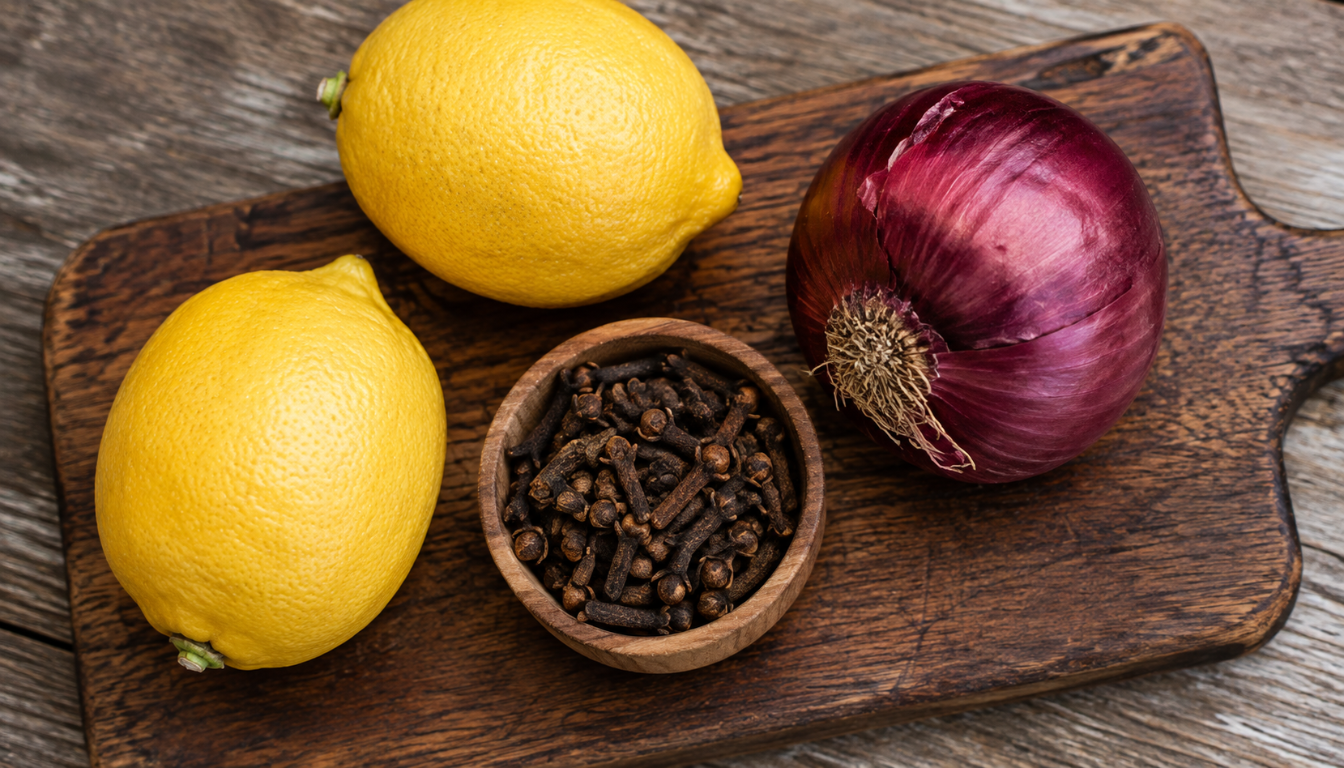
Cloves, lemon, and onion benefits are talked about often in traditional wellness circles, where the three are grouped together as a natural trio for supporting overall health. Each ingredient does have real, studied properties worth knowing about. This article looks at what the current research actually shows about these benefits, how the combination is traditionally used in cooking, and what to watch for if you decide to try it.
What the Research Actually Shows
Cloves contain eugenol, a compound researchers have studied for antioxidant, antibacterial, and anti-inflammatory properties. Some early and animal research suggests eugenol may support liver health and help regulate blood sugar. That said, medical experts are clear that there isn’t enough evidence yet to support using cloves as a treatment for any specific condition, so it’s best to think of them as a beneficial addition to a varied diet rather than a remedy.
Lemon is a well-known source of vitamin C, a nutrient with a long track record of supporting immune function and acting as an antioxidant in the body.
Onion contains quercetin, a plant compound found in especially high amounts in onions and studied for antioxidant and anti-inflammatory properties. Research on quercetin’s broader health effects is ongoing and promising, though most of it comes from lab and animal studies rather than large human trials.
Put together, this is a nutrient-dense combination worth including in a balanced diet. What it is not is a proven treatment for colds, infections, or any other illness. If you’re feeling unwell, this trio can be a reasonable thing to include in your food, but it isn’t a substitute for seeing a doctor when symptoms are serious or don’t improve.
Culinary Uses
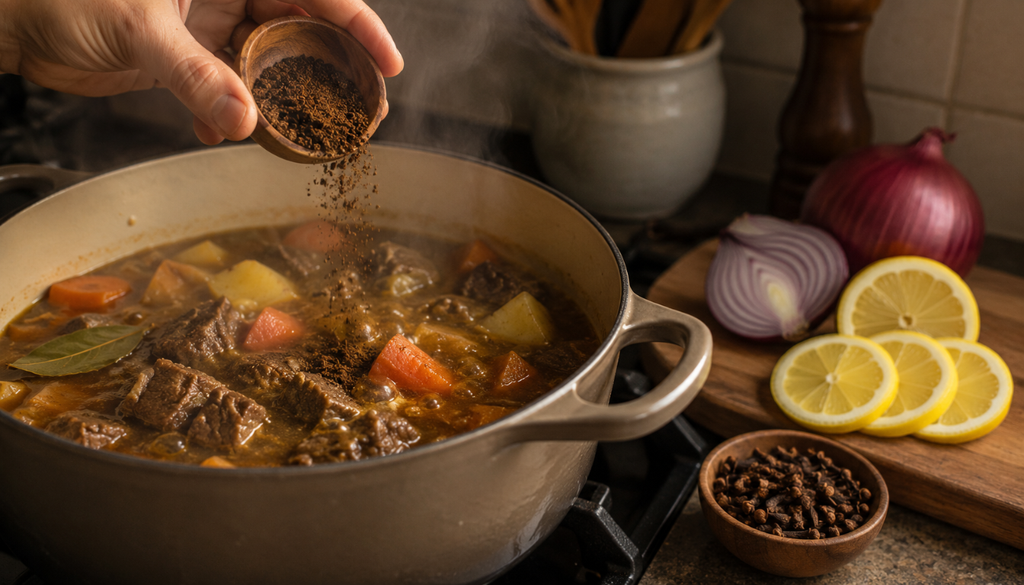
This combination shows up across several cuisines, and for good reason: cloves bring a warm, aromatic depth, lemon adds brightness, and onion contributes a savory sweetness that balances both.
It works well in:
- Soups and stews, where the flavors have time to develop
- Marinades, particularly for dishes like paneer tikka, where paneer is marinated with lemon juice, garlic, cloves, and spices before grilling
- Slow-cooked dishes, such as a Moroccan-style tagine combining chicken, onion, lemon, and cloves
- Homemade pickles, where the combination adds a distinctive zesty note
- Roasted vegetables, where sauteed onion, ground cloves, and a squeeze of lemon juice add real depth
Practical Tips
Preparation: Whole cloves keep their flavor and aroma longer than pre-ground cloves. Grinding them fresh, just before use, releases more of their essential oils. Onions and lemon juice are straightforward: chop or squeeze just before cooking for the freshest flavor.
Storage: Keep whole cloves in a cool, dark cupboard to preserve their potency. Store ground cloves in an airtight container in the refrigerator. Lemons can sit at room temperature for about a week; refrigerate them once they start to wrinkle. Onions do best in a cool, dry, well-ventilated space rather than the refrigerator, which can encourage sprouting.
Possible Side Effects
As with any food eaten in larger amounts, this combination isn’t risk-free for everyone.
- Cloves in excess can cause stomach upset in some people.
- Lemon’s acidity can trigger or worsen acid reflux for those prone to it.
- Onions can cause heartburn or digestive discomfort in sensitive individuals, particularly when eaten raw or in large quantities.
- True allergic reactions to any of these ingredients are uncommon but possible; anyone with a known allergy should avoid the relevant ingredient entirely.
If you’re new to eating larger amounts of any of these, introducing them gradually is a reasonable way to see how your body responds.
Before You Go – Cloves, Lemon, Onion Benefits
Cloves, lemon, and onion is a combination with real nutritional substance behind it: eugenol, vitamin C, and quercetin are all genuinely studied compounds with documented properties. Used thoughtfully in everyday cooking, this trio is a flavorful way to add nutrient density to meals. Just keep expectations realistic: this is a good food combination, not a treatment for illness, and it works best as part of a varied diet rather than as a stand-alone remedy.
This article is for general educational purposes only and is not medical advice. It does not describe a treatment or cure for any illness. Always talk to a doctor before using any food or herb to address a health concern, especially if you are pregnant, nursing, managing a health condition, or taking medication.
References – Cloves, Lemon, Onion Benefits
Ritchason, Jack. Little Herb Encyclopedia. Woodland Publishing, 1995
Lepore, Don. The Ultimate Healing System (Course Manual), 1985
Tierra, Michael. Planetary Herbology. Lotus Press, 1988
Duke, James A. Handbook of Medicinal Herbs, 2nd ed. CRC Press, 2007
Ody, Penelope. The Complete Medicinal Herbal. Dorling Kindersley
Sources:
- Cleveland Clinic, “5 Potential Health Benefits of Cloves”: read the article
- WebMD, “Cloves: Health Benefits & Uses”: read the article
- Healthline, “8 Surprising Health Benefits of Cloves”: read the article
- National Center for Biotechnology Information, “Recent Advances in Potential Health Benefits of Quercetin”: read the study
Check the Following Articles
Growing Green Beans in Your Garden: Easy Tips
Horbäach Cranberry Vitamin Review: A UTI Solution?
Frequently Asked Questions – Cloves, Lemon, Onion Benefits
What are the health benefits of cloves, lemon, and onion?
Each ingredient contributes a studied compound: cloves provide eugenol, lemon provides vitamin C, and onion provides quercetin. Together they add antioxidant and anti-inflammatory nutrients to the diet, though current research doesn’t support treating this combination as a cure or treatment for any specific illness.
How can I use cloves, lemon, and onion in my meals?
This trio works well in soups, stews, marinades, and slow-cooked dishes. Traditional examples include Indian paneer tikka and Moroccan-style tagine, both of which combine these ingredients with other spices.
Are there any side effects of using these ingredients?
Some people experience digestive discomfort, such as heartburn or acid reflux, especially in larger amounts. Starting with small quantities and paying attention to how your body responds is a sensible approach. True allergies are uncommon but possible.
How should I store cloves, lemon, and onion?
Store whole cloves in a cool, dark place; refrigerate ground cloves in an airtight container. Keep lemons at room temperature until they begin to wrinkle, then refrigerate. Store onions in a cool, dry, well-ventilated space, not the refrigerator.
Is there scientific evidence behind these ingredients’ health properties?
Yes, to a point. Eugenol, vitamin C, and quercetin are all real, studied compounds with documented antioxidant and anti-inflammatory properties. Most of the more specific health claims (liver support, blood sugar regulation, and similar) come from early, animal, or lab research rather than large human clinical trials, so they should be treated as promising rather than proven.