

The Herb Prof Team researches and writes our herbal guides, drawing on published research, traditional herbal references, and hands-on growing experience.
Feeling tired and sluggish? You might be one of the millions struggling with iron deficiency anemia. This common condition can zap your energy and leave you feeling less than your best. But what if I told you that nature holds the key to boosting your iron levels?
Herbal remedies have been used for centuries to combat various health issues, and iron deficiency anemia is no exception. From nettle leaf to dandelion root, these powerful plants offer a natural approach to restoring your vitality. In this text, I’ll explore some effective herbal strategies that can help you reclaim your energy and improve your overall well-being. Let’s dive into the world of herbal healing and discover how you can harness these natural solutions for a healthier, more vibrant life.
Overview of Iron Deficiency Anemia
Iron deficiency anemia leads to low levels of hemoglobin in the blood. This condition can produce symptoms like fatigue and low energy. Understanding it helps in recognizing effective treatments, especially herbal ones.
Definition and Causes – Healing Iron Deficiency Anemia with Herbal Remedies
Iron deficiency anemia occurs when the body lacks sufficient iron. Without enough iron, the body can’t produce enough hemoglobin. Hemoglobin carries oxygen in red blood cells. Many factors can cause this deficiency. Poor diet, blood loss, or certain medical conditions can reduce iron levels. Foods low in heme iron include fruits and vegetables, while heme iron mainly comes from meat.
Symptoms and Diagnosis
Iron deficiency anemia has clear symptoms. Fatigue tops the list. Many experience weakness, pale skin, and shortness of breath. However, not everyone shows the same symptoms. Diagnosis typically involves blood tests. Doctors check hemoglobin levels and ferritin, a protein that stores iron. Early detection helps manage iron levels effectively.
Herbal Strategies for Iron Deficiency Anemia
Herbal remedies offer a gentle, natural approach to combat iron deficiency anemia. While iron supplements are commonly prescribed, many people seek plant-based alternatives that not only boost iron levels but also support the body’s ability to absorb and utilize this essential mineral. Several herbs have shown promise in enhancing iron absorption, stimulating red blood cell production, and improving overall vitality.
Mechanisms of Action
Herbal approaches to iron deficiency anemia work through a variety of interconnected mechanisms that support the body’s natural ability to restore balance. Rather than simply supplying iron, these remedies help optimize the internal environment for better absorption, utilization, and overall vitality. When used consistently and thoughtfully, herbal strategies can lead to noticeable improvements in energy, cognitive function, and immune resilience. Their holistic nature means they not only address iron deficiency but also contribute to broader well-being.
Enhancing the Impact of Herbal Strategies – Healing Iron Deficiency Anemia with Herbal Remedies
To get the most out of herbal approaches to iron deficiency anemia, it’s important to support the body’s natural absorption and utilization of iron through smart dietary and lifestyle choices. These strategies work synergistically with herbal remedies to restore iron levels, improve energy, and support overall well-being.
- Pair iron-rich herbs with vitamin C sources such as citrus fruits, bell peppers, or berries. Vitamin C significantly enhances iron absorption.
- Avoid calcium-rich foods and caffeine around the time of iron intake, as they can inhibit iron absorption.
- Include fermented foods like sauerkraut, kimchi, or tempeh to improve gut health and nutrient uptake. A healthy microbiome plays a key role in iron metabolism.
- Incorporate iron-rich whole foods such as eggs, pomegranates, legumes, and dark leafy greens to complement herbal remedies and provide a nutritional foundation.
Common Herbs Used
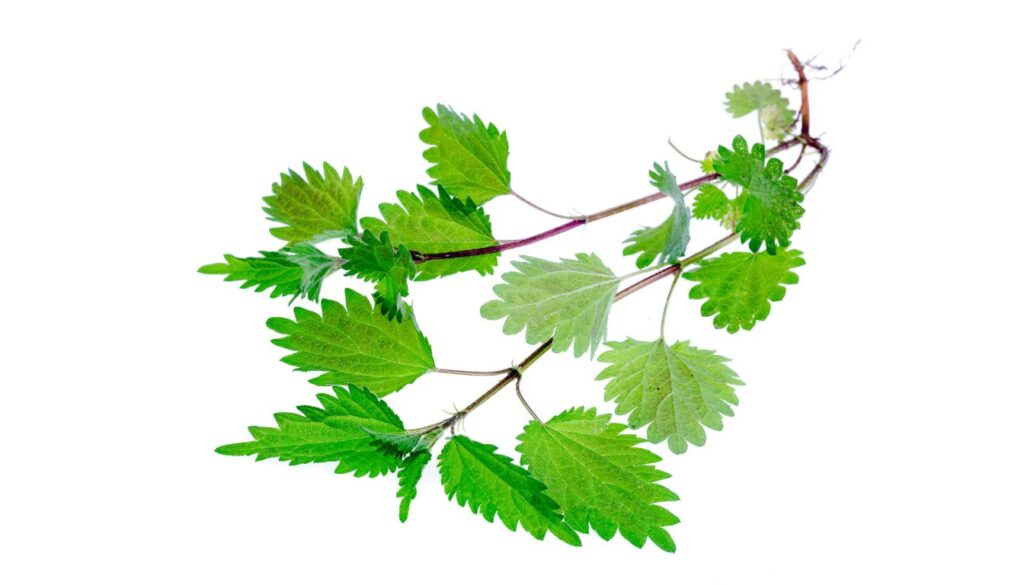
Certain herbs are rich in iron, while others enhance iron absorption or support organs like the liver and digestive system, which play key roles in nutrient uptake. For example:
Nettle Leaf (Urtica dioica)
Nettle leaf is a powerhouse of iron, vitamin C, and other minerals that support red blood cell production. Vitamin C enhances iron absorption, making nettle especially effective. Also supports kidney function and reduces inflammation, making it a great all-around tonic. Brew into a nourishing herbal tea, take in capsule form, or add dried nettle to soups and stews. It has a slightly grassy taste that pairs well with lemon or mint.
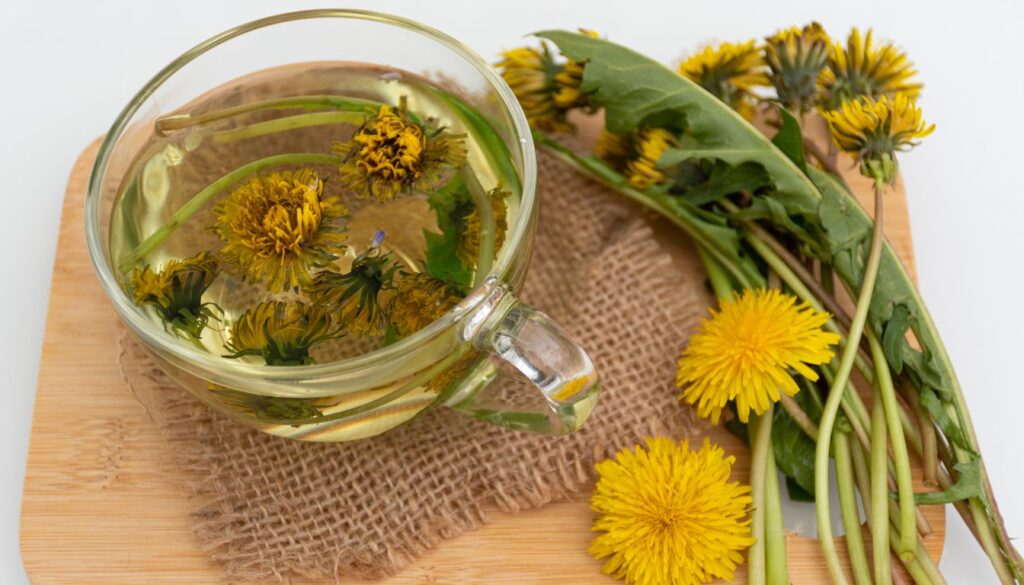
Dandelion Root (Taraxacum officinale)
While not extremely high in iron itself, dandelion root stimulates digestion and bile production, which improves the body’s ability to absorb iron from food and supplements. Acts as a gentle liver detoxifier and supports gut health, both crucial for nutrient absorption. Roast and brew as a coffee-like tea, toss fresh roots into salads, or take as a tincture. Its earthy flavor complements root vegetable dishes.
Yellow Dock (Rumex crispus) – Healing Iron Deficiency Anemia with Herbal Remedies
Yellow dock contains iron and compounds that help the body assimilate it efficiently. It’s often used in herbal formulas for anemia. Supports liver and bowel function, which helps eliminate toxins and improve overall vitality. Commonly taken as a tincture, capsule, or decoction. Its bitter taste is best balanced with sweet herbs like licorice or cinnamon.
Spirulina (Arthrospira platensis)
This blue-green algae is exceptionally rich in iron, B vitamins, and protein. It’s one of the most bioavailable plant-based sources of iron. Boosts energy, supports immune function, and may help reduce inflammation. Blend into smoothies, mix into energy balls, or stir into juices. A little goes a long way due to its strong flavor.
Alfalfa (Medicago sativa)
Alfalfa contains moderate amounts of iron and is rich in vitamins A, C, and K, which support blood health and iron metabolism. Aids digestion, balances hormones, and supports detoxification pathways. Sprinkle dried alfalfa on salads, blend into smoothies, or take as a tea or capsule. Its mild flavor makes it easy to incorporate.
Efficacy of Herbal Treatments
Herbal treatments show promise for iron deficiency anemia. Various studies support the effectiveness of certain herbs in boosting iron levels.
Clinical Studies and Evidence – Healing Iron Deficiency Anemia with Herbal Remedies
Research backs up the benefits of herbs like nettle leaf and yellow dock. In one study, participants taking nettle leaf showed improved iron absorption due to its vitamin C content. Yellow dock also provides a source of iron, making it a potent ally in tackling anemia. Spirulina, a blue-green algae, increased hemoglobin levels significantly in clinical trials. If you’re looking for alternatives, these findings highlight the potential of these herbs in enhancing iron levels naturally.
Comparisons with Conventional Treatments
Herbal treatments differ from conventional medicine, offering a gentler approach. While traditional iron supplements often cause stomach upset, herbs typically come with fewer side effects. Many people find them easier to incorporate into their daily routines.
For example, dandelion root may support digestion while providing essential nutrients. If you’re wary of synthetic supplements, herbal remedies might offer a friendly alternative. Embracing these natural solutions can help one feel revitalized while maintaining a more holistic approach to health.
Safety and Side Effects
When exploring herbal strategies for iron deficiency anemia, keeping safety and potential side effects in mind is essential. Each herb can affect individuals uniquely, so it’s wise to tread carefully.
Potential Risks of Herbal Remedies – Healing Iron Deficiency Anemia with Herbal Remedies
Certain herbs, while beneficial, can cause side effects. Nettle leaf may lead to stomach upset in some people. Dandelion root can interact with blood thinners, which makes monitoring crucial. Yellow dock might cause mild diarrhea if taken in excess. Spirulina is generally safe, but it might cause headaches in rare cases. Always observe how your body reacts before fully committing to a new herb.
Guidelines for Safe Use
To use herbal remedies safely, consider a few guidelines. First, consult a healthcare professional before starting any new treatment. Allow them to evaluate your health conditions and medications. Start with small doses to see how your body reacts. Keeping a journal can help track any changes or side effects you experience. Hydrating well can also ease discomfort that some herbs may cause. Listening to your body is key, so if something doesn’t feel right, pause and reassess.
Before You Go – Healing Iron Deficiency Anemia with Herbal Remedies
Exploring herbal strategies for iron deficiency anemia has opened my eyes to the potential of natural remedies. By incorporating herbs like nettle leaf and dandelion root into my routine, I’ve found a holistic way to support my iron levels.
It’s clear that these herbs not only enhance absorption but also promote overall well-being. As I continue to experiment with these remedies, I encourage you to listen to your body and consult with a healthcare professional.
With the right approach and a little patience, reclaiming your vitality through herbal healing is within reach. Embrace this journey and empower yourself to take charge of your health naturally.
Don’t forget to add theherbprof.com homepage to your favourites so you don’t miss out on future articles.
References – Healing Iron Deficiency Anemia with Herbal Remedies
Little Herb Encyclopedia, by Jack Ritchason; N.D., Woodland Publishing Incorporated, 1995
The Ultimate Healing System, Course Manual, Copyright 1985, Don Lepore
Planetary Herbology, Michael Tierra, C.A., N.D., Lotus Press, 1988
Handbook of Medicinal Herbs, by James A. Duke, Pub. CRP Second Edition 2007
The Complete Medicinal Herbal, by Penelope Ody, Published by Dorling Kindersley
Check the Following Article
Herbal Allies to Support Circulation and Boost Vitality Daily
Top Healing Herbs to Treat Cold Sores Naturally and Quickly
Refresh and Soothe: Cooling Mint & Epsom Salt Foot Soak
Frequently Asked Questions – Healing Iron Deficiency Anemia with Herbal Remedies
What is iron deficiency anemia?
Iron deficiency anemia is a condition where there are low levels of hemoglobin in the blood due to insufficient iron. This results in symptoms like fatigue, weakness, and low energy levels. It can be caused by poor diet, blood loss, or certain medical conditions.
What are common symptoms of iron deficiency anemia?
Common symptoms include fatigue, weakness, pale skin, shortness of breath, dizziness, and cold hands or feet. These symptoms occur because the body isn’t getting enough oxygen due to low hemoglobin levels.
How can herbal remedies help with iron deficiency anemia?
Herbal remedies, such as nettle leaf and dandelion root, can help boost iron levels naturally. They may enhance iron absorption, reduce inflammation, and support hemoglobin production, offering a more holistic approach to managing anemia.
What are some effective herbal treatments for iron deficiency anemia?
Effective herbal treatments include nettle leaf, dandelion root, yellow dock, spirulina, and alfalfa. Each herb contains properties that aid iron absorption and overall nutrient support.
How is iron deficiency anemia diagnosed?
Diagnosis typically involves blood tests to measure hemoglobin and ferritin levels. Early detection is essential for effective management and prevention of severe symptoms.
Are herbal remedies safe for everyone?
While many herbal remedies can be beneficial, they may not be suitable for everyone. Some herbs can cause side effects or interact with medications. It’s important to consult a healthcare professional before starting any herbal treatment.
Can herbal remedies replace conventional treatment for iron deficiency anemia?
While herbal remedies can be effective, they should not necessarily replace conventional treatment. Combining both approaches may offer the best results, and individuals should consult healthcare providers for personalized advice.
How do I start using herbal remedies for iron deficiency anemia?
Begin by consulting a healthcare professional and starting with small doses to monitor your body’s reaction. Keep track of any side effects and adjust usage accordingly to ensure safety and effectiveness.