Black Cohosh is an herbal supplement with a rich history of use. For centuries, it has been used to treat a variety of health conditions. Sourced from the root of the Cimicifuga racemosa plant, which is native to North America, Black Cohosh is widely known for relieving menopausal symptoms such as hot flashes, mood swings, and sleep disturbances. Truly a gift from nature!
Also known as Actaea racemosa, studies show that Black Cohosh may reduce the frequency and severity of hot flashes in menopausal women. Researchers believe the herb mimics the effects of estrogen in the body. Scientists still need to conduct more research to fully understand the mechanisms behind its potential benefits. In addition to easing menopausal symptoms, practitioners use Black Cohosh to treat menstrual cramps, osteoporosis, and anxiety.
Most people tolerate Black Cohosh safely, but some experience side effects such as stomach upset, headache, and dizziness. Healthcare providers emphasize the importance of consulting them before starting any new supplements, especially during pregnancy or when you have a history of liver disease.
Botanical Profile – Get Your Black Cohosh Root Extract Supplement Here
Plant Description
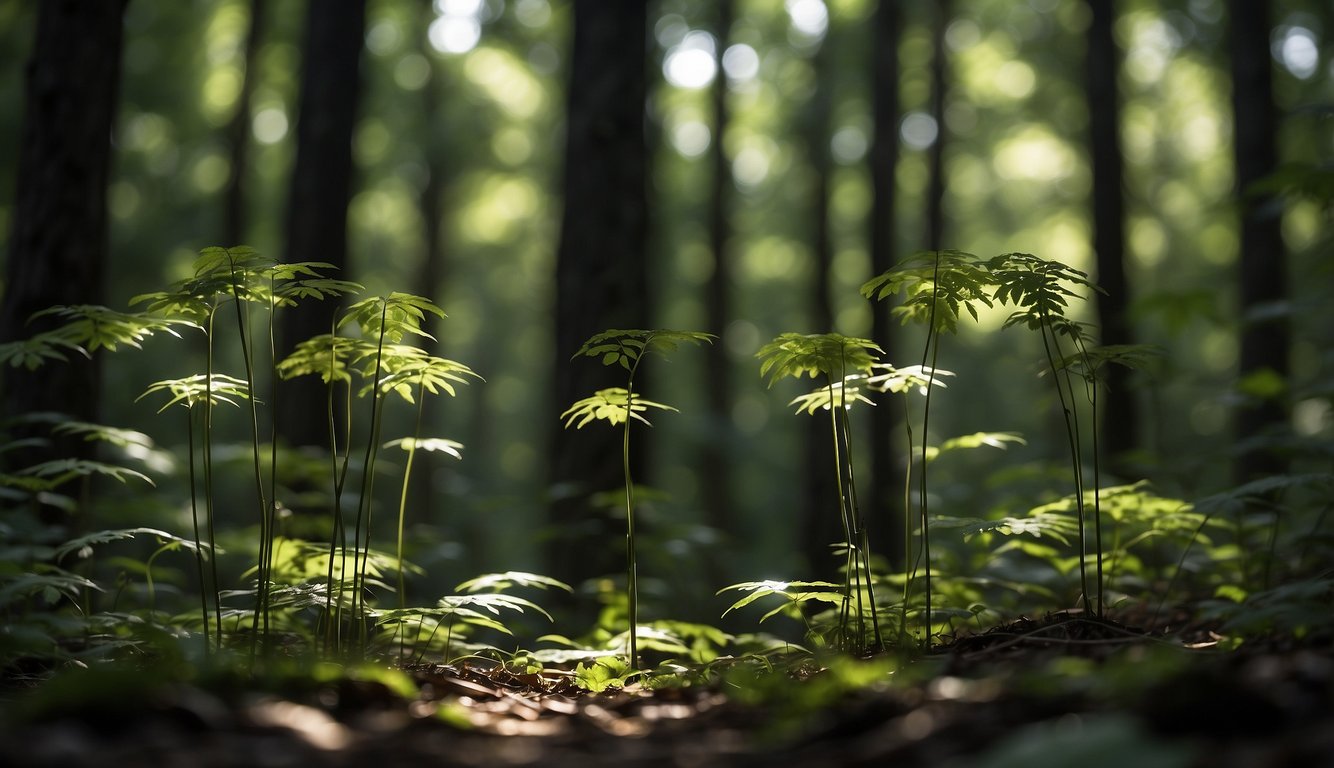
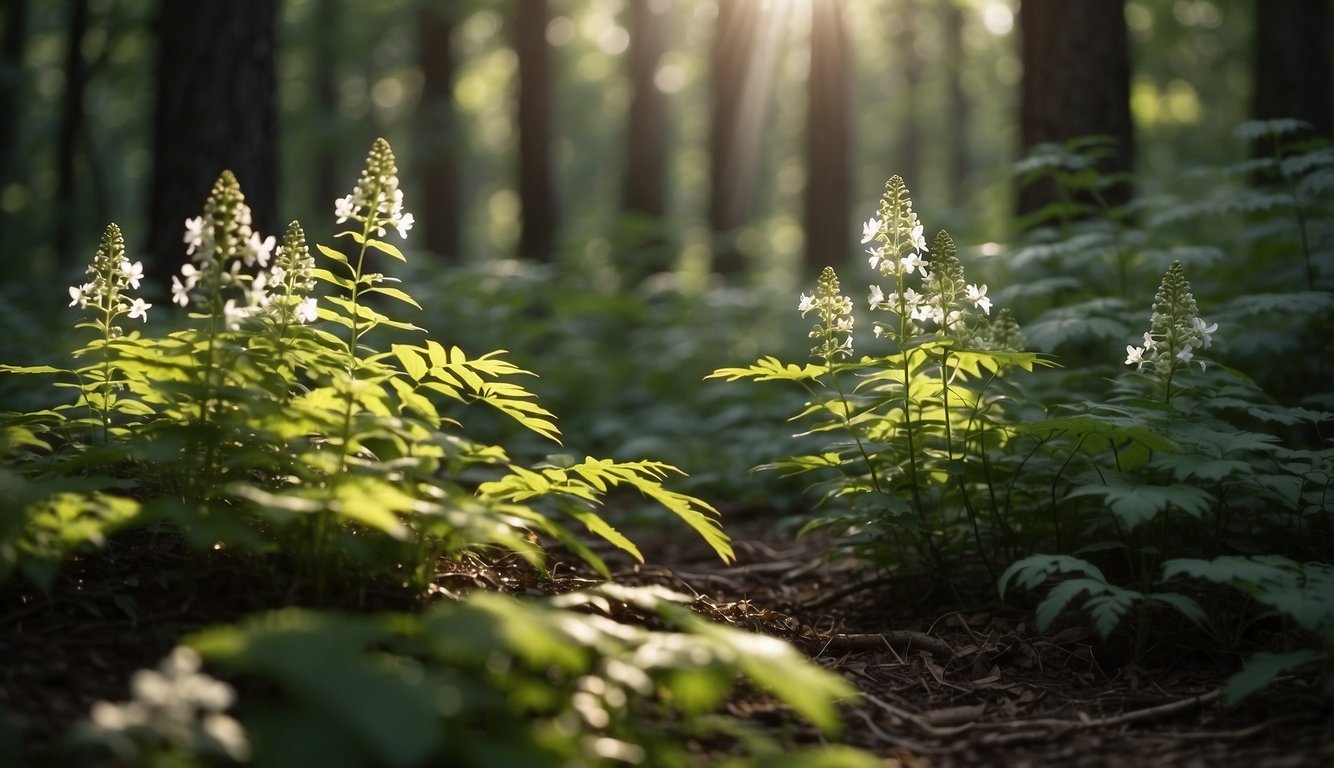
Black Cohosh, also called Actaea racemosa or Cimicifuga racemosa, grows as a perennial herbaceous plant in the buttercup family. It thrives in North American woodlands, stretching from Maine and Ontario in the north, south to Georgia, and west to Missouri and Indiana.
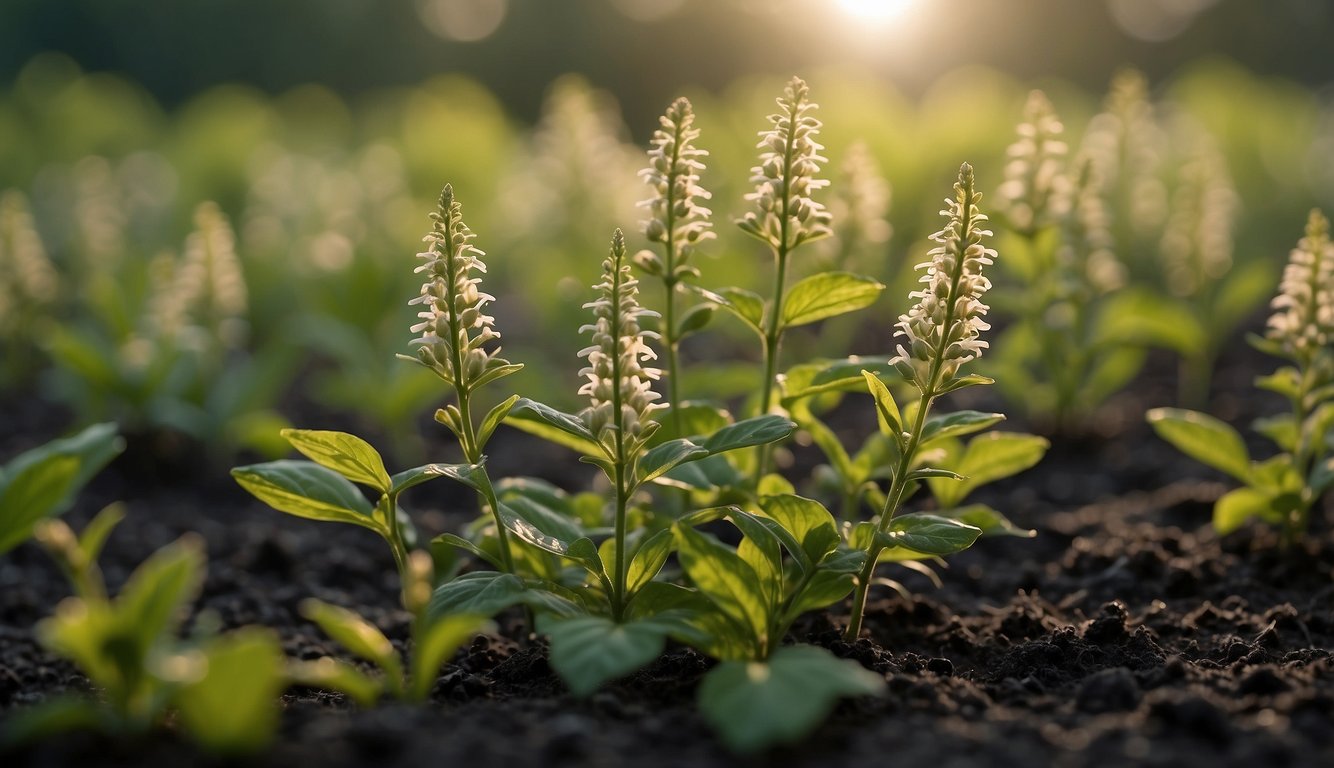
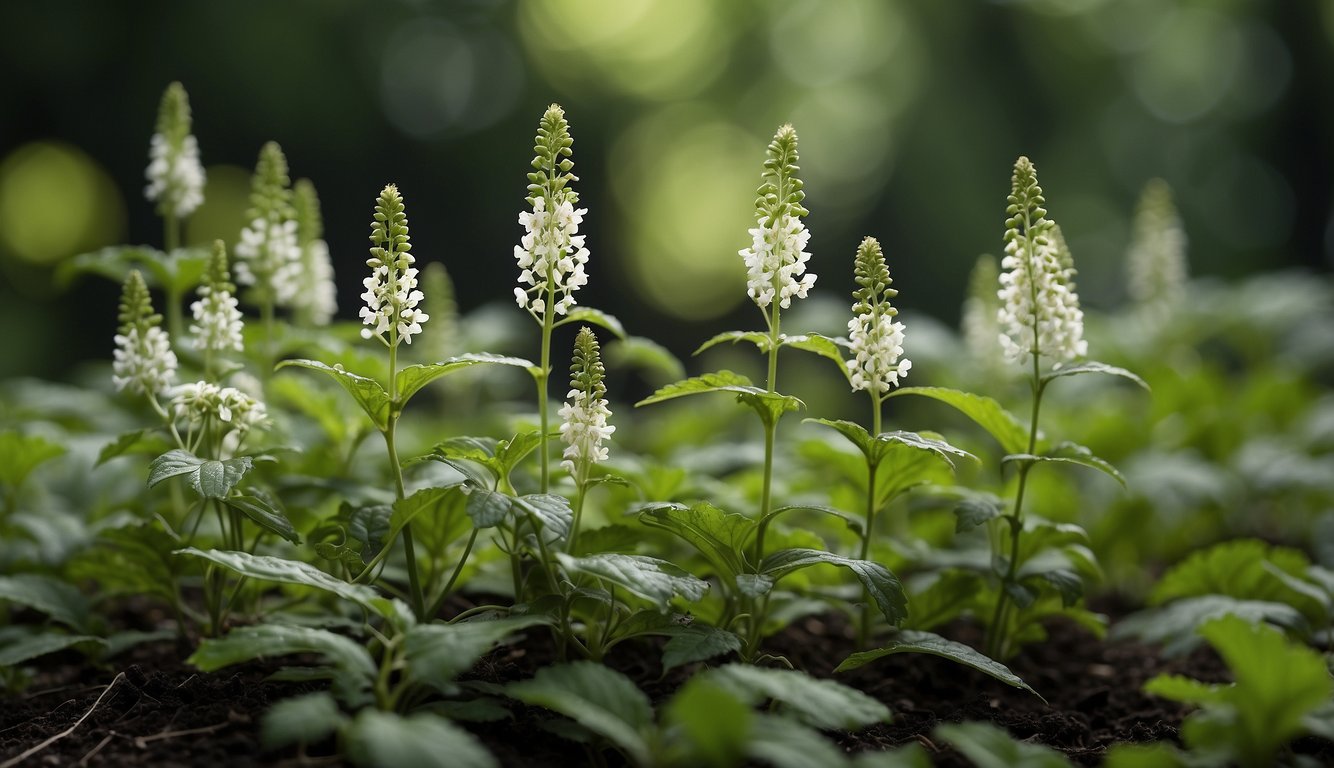
The plant reaches up to 8 feet tall and displays compound leaves with toothed leaflets. From June to September, it produces long, white, tapering racemes of flowers. These flowers lack petals but show numerous white stamens. The plant develops a dry follicle as fruit, which contains several seeds.
Historical Use – Get Your Black Cohosh Root Extract Supplement Here
Native Americans used Actaea racemosa for various medicinal purposes throughout history. They treated menstrual cramps, infertility, and childbirth with the plant. They also relied on it as a remedy for snake bites, which gave rise to the name “black snakeroot.”
Healers used the roots and rhizomes of the plant for their sedative and anti-inflammatory properties to treat rheumatism, arthritis, and other inflammatory conditions. They also applied the plant as a natural insect repellent, burning the dried root as incense to drive away insects.
In modern times, people commonly use Black Cohosh as a dietary supplement to alleviate menopause symptoms such as hot flashes, night sweats, and mood swings. Researchers have studied the plant for its potential to treat osteoporosis, anxiety, and depression. They still need to confirm its efficacy for these conditions and conduct more research to determine its safety and effectiveness.
Overall, Black Cohosh stands out as a fascinating plant with a rich history of use among Native Americans and a growing body of research on its potential health benefits.
Black Cohosh and Menopause
As a woman approaches menopause, her body undergoes significant changes that can cause a range of uncomfortable symptoms. Actaea racemosa is a popular herbal supplement that has been used for centuries to help alleviate some of the symptoms associated with menopause.
Symptom Relief – Get Your Black Cohosh Root Extract Supplement Here!
Hot flashes rank among the most common symptoms of menopause. Women experience sudden, intense feelings of heat that come with sweating, chills, and heart palpitations. Studies show that Black Cohosh helps reduce the frequency and severity of hot flashes in some women.
Night sweats represent another common symptom of menopause. These episodes resemble hot flashes but occur during the night and disrupt sleep. Actaea racemosa alleviates night sweats and allows women to enjoy a better night’s sleep.
Vaginal dryness also develops as a symptom during menopause. Women may feel discomfort and pain during sexual intercourse. Research shows that Black Cohosh increases vaginal lubrication, which reduces discomfort and pain.
Hormonal Effects
Black Cohosh shows estrogen-like effects on the body. Estrogen regulates the menstrual cycle and decreases in production during menopause. Actaea racemosa alleviates some menopausal symptoms by mimicking estrogen’s effects in the body.
Researchers have not fully understood the hormonal effects of Actaea racemosa, and they need more studies to determine its safety and effectiveness. Women considering Black Cohosh should consult their healthcare provider to decide if it suits them.
Actaea racemosa helps women manage menopausal symptoms such as hot flashes, night sweats, and vaginal dryness. Researchers still need to clarify its hormonal effects, but most women can take it safely. As with any supplement, women should consult a healthcare provider before starting Black Cohosh.
Health Benefits and Uses – Get Your Black Cohosh Root Extract Supplement Here
People have used Black Cohosh for centuries to treat various conditions. The herb shows anti-inflammatory, analgesic, and antispasmodic properties. In this section, I will highlight some of the health benefits and uses of Actaea racemosa.
PMS and Menstrual Relief
Women have used Black Cohosh to relieve symptoms of premenstrual syndrome (PMS) and menstrual cramps. The herb calms the uterus and helps reduce the intensity and duration of cramps. Actaea racemosa also regulates hormonal imbalances that trigger PMS symptoms such as mood swings, bloating, and headaches.
Mood and Anxiety – Get Your Black Cohosh Root Extract Supplement Here
Studies show that Black Cohosh may benefit mental health, particularly in menopausal women. Research demonstrates that it reduces anxiety and depression in women experiencing menopause. Actaea racemosa also regulates mood swings and irritability caused by hormonal imbalances.
Sleep Support
Black Cohosh has been used to treat insomnia and other sleep disorders. It is believed to have a sedative effect on the body and can help promote a restful night’s sleep. Actaea Racemosa can also help regulate sleep patterns that can be disrupted by hormonal imbalances.
Musculoskeletal Pain
People have used Actaea racemosa to treat musculoskeletal pain, including arthritis and headaches. The herb shows anti-inflammatory and analgesic properties that reduce pain and inflammation in the body. Black Cohosh also relaxes muscles and relieves tension that causes pain.
Actaea racemosa serves as a versatile herb that treats a variety of conditions. It regulates hormonal imbalances, reduces inflammation and pain, and promotes a restful night’s sleep. Healthcare providers advise consulting them before using Black Cohosh to ensure that it is safe and appropriate for your individual needs.
Dosage and Administration
Supplement Forms
Black Cohosh is available in various supplement forms such as capsules, tablets, extracts, and teas. The standardized extract of Actaea Racemosa is the most commonly used form of the supplement. It is available in both dried and liquid forms. The standardized extract is prepared by extracting the active ingredients from the root and rhizome of the Black Cohosh plant.
Recommended Dose
The recommended dose of Actaea racemosa changes with the supplement form and the condition treated. The USP advises a daily dose of 20–40 mg of Black Cohosh extract standardized to contain 2.5% triterpene glycosides. For managing menopausal symptoms, experts recommend 40–80 mg/day of standardized Actaea racemosa extract. Women can take this dose in divided amounts, but treatment should not exceed six months.
Brands set different dosages for Black Cohosh supplements. You should follow the instructions on the product label or use them as directed by a healthcare provider. Healthcare providers stress the importance of consulting them before starting any new supplement regimen.
Manufacturers offer Actaea racemosa in various supplement forms, and the recommended dosage changes with the form and the condition treated. You should follow the instructions on the product label or use them as directed by a healthcare provider.
Safety and Side Effects
As with any medication or supplement, there are potential safety concerns and side effects associated with the use of Actaea Racemosa. It is important to be aware of these before beginning to take this herb.
Contraindications
Black Cohosh should not be taken by pregnant or breastfeeding women, as there is insufficient evidence of its safety in these populations. Additionally, individuals with a history of liver damage or disease should avoid using Actaea Racemosa due to concerns over hepatotoxicity.
Known Side Effects
While side effects associated with Black Cohosh are generally mild, they can include gastrointestinal upset, cramping, headache, rash, a feeling of heaviness, and weight gain. Vaginal spotting or bleeding may also occur. These side effects are usually transient and resolve on their own.
Liver Health Concerns
Reports link the use of Actaea racemosa to liver damage, including hepatitis and liver failure. These cases remain rare, and most people who take Black Cohosh do not experience liver-related issues. Individuals with a history of liver damage or disease should avoid using this herb.
Healthcare providers recommend that people taking medications affecting liver function, or those with a history of alcohol abuse, exercise caution when using Black Cohosh. People should always consult a healthcare provider before beginning any new supplement or medication.
Actaea racemosa effectively treats certain conditions, but users must stay aware of potential safety concerns and side effects. By taking appropriate precautions and recognizing the risks, individuals can use this herb safely and effectively to manage their symptoms.
Interactions with Medications
As with any medication or supplement, Black Cohosh can interact with other drugs and substances. It is important to consult with a healthcare provider before taking Actaea Racemosa if you are currently taking any medications or supplements.
Pharmaceutical Interactions
There are 315 drugs known to interact with Black Cohosh, including Atorvastatin (Lipitor). Taking Actaea Racemosa along with Lipitor might increase the risk of liver damage. It is important to talk to a healthcare provider before taking Black Cohosh if you are taking Lipitor or any other medication.
Supplement and Food Interactions
Black Cohosh does not show any clinically relevant interactions with medications, but it may interact with supplements and certain foods. Experts warn that doctors or pharmacists should screen all medications, including herbals, vitamins, and other over-the-counter supplements, to review potential Actaea racemosa drug interactions.
Researchers have not created a comprehensive list of all supplements and foods that interact with Black Cohosh. For this reason, you should talk to a healthcare provider before taking Actaea racemosa if you use any supplements or follow dietary restrictions.
Research and Studies
As a researcher, I have looked into the scientific evidence surrounding Black Cohosh and its potential benefits for women’s health. In this section, I will discuss the clinical trials, systematic reviews, and meta-analyses that have been conducted on Actaea Racemosa.
Clinical Trials
Researchers have conducted several clinical trials to investigate the effects of Black Cohosh on various health conditions. One study reported that Actaea racemosa did not change mammographic breast density in 50 Tamoxifen-treated breast cancer patients [1]. Another study demonstrated that Actaea racemosa reduced the frequency of vasomotor symptoms associated with menopause [2]. Researchers still need to perform more studies to determine its effectiveness and safety.
Systematic Reviews and Meta-Analyses
Researchers have conducted several systematic reviews and meta-analyses to evaluate the effectiveness of Black Cohosh. One review concluded that Actaea racemosa reduced the frequency of vasomotor symptoms associated with menopause [2].
Biases in identifying relevant studies made it difficult for researchers to verify these conclusions. Another review suggested that Actaea racemosa extracts approved for treatment in Europe decreased menopause symptoms. Evidence for any benefit from Black Cohosh in treating menopause symptoms remains inconsistent.
Studies provide some evidence that Black Cohosh benefits women’s health, but researchers need more work to determine its effectiveness and safety. As with any herbal supplement, women should consult a healthcare professional before use.
[1] https://www.ncbi.nlm.nih.gov/pmc/articles/PMC8953734/ [2] https://www.ncbi.nlm.nih.gov/books/NBK79338/
Regulation and Quality Standards
As with any supplement, it is important to ensure that the product you are purchasing is safe and effective. When it comes to Black Cohosh, there are several certifications and testing procedures that consumers should be aware of.
Certifications and Testing
One of the most important organizations to look for when choosing Actaea Racemosa supplement is the United States Pharmacopeia (USP). The USP is an independent, nonprofit organization that sets quality standards for medicines, supplements, and food ingredients. Products that bear the USP Verified Mark have been independently tested for purity, potency, and quality.
Another organization to look for is NSF International, a nonprofit organization that certifies products and writes standards for food, water, and consumer goods. The NSF Certified for Sport program ensures that supplements do not contain any banned substances and that they are accurately labelled.
Consumer Guidance
In addition to looking for the USP Verified Mark and the NSF Certified for Sport program, consumers should also do their research on the brand and manufacturer of the supplement. Look for companies that have a good reputation and that are transparent about their manufacturing practices. It is also a good idea to read reviews from other consumers to see if they have had positive experiences with the product.
ConsumerLab is another helpful resource for consumers. This independent testing organization tests supplements for purity, potency, and quality, and provides reports to subscribers. While Actaea Racemosa has not been extensively tested by ConsumerLab, they have tested some products and found that some did not contain the amount of active ingredient claimed on the label.
Overall, it is important to do your research and make informed decisions when purchasing Black Cohosh supplements. Look for products that have been independently tested and certified, and choose brands that have a good reputation and are transparent about their manufacturing practices.
Comparative Analysis
As I researched Black Cohosh, I came across several alternative supplements that claim to alleviate menopausal symptoms. These include red clover, soy isoflavones, and dong quai. However, after careful analysis, I found that Actaea Racemosa has been the most extensively studied and has the strongest evidence for its effectiveness in reducing hot flashes, night sweats, and other menopausal symptoms.
Alternative Supplements
Red clover is a popular alternative supplement that contains phytoestrogens, compounds that mimic the effects of estrogen in the body. While some studies have shown that red clover may reduce hot flashes and improve bone density, the evidence is not as strong as that for Black Cohosh. Moreover, red clover may increase the risk of bleeding and interact with certain medications, including blood thinners and birth control pills.
Soy isoflavones are another type of phytoestrogen found in soybeans and soy products. Like red clover, soy isoflavones may reduce hot flashes and improve bone density. However, the evidence is mixed, and some studies have shown no significant benefit. Moreover, soy isoflavones may interact with certain medications, including hormone replacement therapy.
Dong Quai is a herb commonly used in traditional Chinese medicine to treat menopausal symptoms. While some studies have shown that dong quai may reduce hot flashes and improve mood, the evidence is not as strong as that for Black Cohosh. Moreover, dong quai may increase the risk of bleeding and interact with certain medications, including blood thinners and birth control pills.
Black Cohosh vs. Similar Herbs
Black Cohosh is often compared to other herbs that contain phytoestrogens, such as red clover and soy isoflavones. However, Actaea Racemosa is unique in that it does not contain phytoestrogens but instead acts on the body’s serotonin receptors. This mechanism of action may explain why Actaea Racemosa is effective in reducing menopausal symptoms, even in women who cannot or do not want to take estrogen.
While several alternative supplements claim to alleviate menopausal symptoms, Actaea Racemosa has the strongest evidence for its effectiveness. However, as with any supplement, it is important to talk to your doctor before taking Black Cohosh or any other supplement, especially if you are taking medications or have a medical condition.
Before You Go – Black Cohosh
Black cohosh has earned attention for its potential benefits in supporting women’s health, particularly during menopause. While research highlights promising effects on symptoms such as hot flashes and mood changes, scientists still need to conduct more studies to confirm its long-term safety and efficacy.
If you’re considering adding black cohosh to your wellness routine, remember that herbal supplements can interact with medications and may not be suitable for everyone. Always consult with a healthcare professional before use, especially if you have underlying health conditions or are pregnant or breastfeeding.
By staying informed and cautious, you can explore the potential of black cohosh while protecting your health. Herbal remedies can be powerful allies, but they work best when paired with professional guidance and mindful use.
Don’t forget to add theherbprof.com homepage to your favourites so you don’t miss out on future articles!
References – Black Cohosh
Little Herb Encyclopedia, by Jack Ritchason; N.D., Woodland Publishing Incorporated, 1995
The Ultimate Healing System, Course Manual, Copyright 1985, Don Lepore
Planetary Herbology, Michael Tierra, C.A., N.D., Lotus Press, 1988
Handbook of Medicinal Herbs, by James A. Duke, Pub. CRP Second Edition 2007
The Complete Medicinal Herbal, by Penelope Ody, Published by Dorling Kindersley
Check the Following Articles
Astragalus Benefits and Uses: What It’s Good For
Barberry Root Benefits: What You Need to Know
Barley Grass Benefits: The Top Health Advantages
Bitter Orange Benefits: A Comprehensive Overview
Frequently Asked Questions – Black Cohosh
What are the benefits of taking black cohosh for women?
Actaea racemosa serves as a popular herbal supplement traditionally used to support female health. Women often take it to alleviate menopause symptoms such as hot flashes, mood swings, and sleep disturbances. Some studies show that black cohosh may improve bone density in postmenopausal women, but researchers still need to confirm this.
Can Actaea Racemosa cause side effects, and if so, what are they?
Most people tolerate black cohosh safely, but some individuals experience mild side effects such as stomach upset, headache, or dizziness. In rare cases, Actaea racemosa causes more serious side effects, including liver damage. You should talk to your healthcare provider before taking this supplement.
How does black cohosh affect body weight and metabolism?
Evidence remains limited, but some studies suggest that black cohosh provides a small benefit for weight management in menopausal women through its estrogenic effects. Researchers still need to conduct more studies to confirm this.
Who should avoid using black cohosh supplements?
People with a history of liver disease or those taking medications that affect liver function should avoid black cohosh supplements. Pregnant and breastfeeding women should also avoid Actaea racemosa because researchers have not established its safety in these populations.
Does black cohosh have a role in hormone regulation, specifically estrogen levels?
Black cohosh shows estrogenic effects, which may help regulate estrogen levels in the body. Researchers still need to study the mechanisms of Actaea racemosa more thoroughly to understand how it influences hormone regulation.
What is the recommended dosage for Actaea Racemosa supplementation?
Dosage varies depending on the specific product and formulation. You should follow the manufacturer’s instructions or consult a healthcare provider to determine the appropriate dosage for your individual needs.