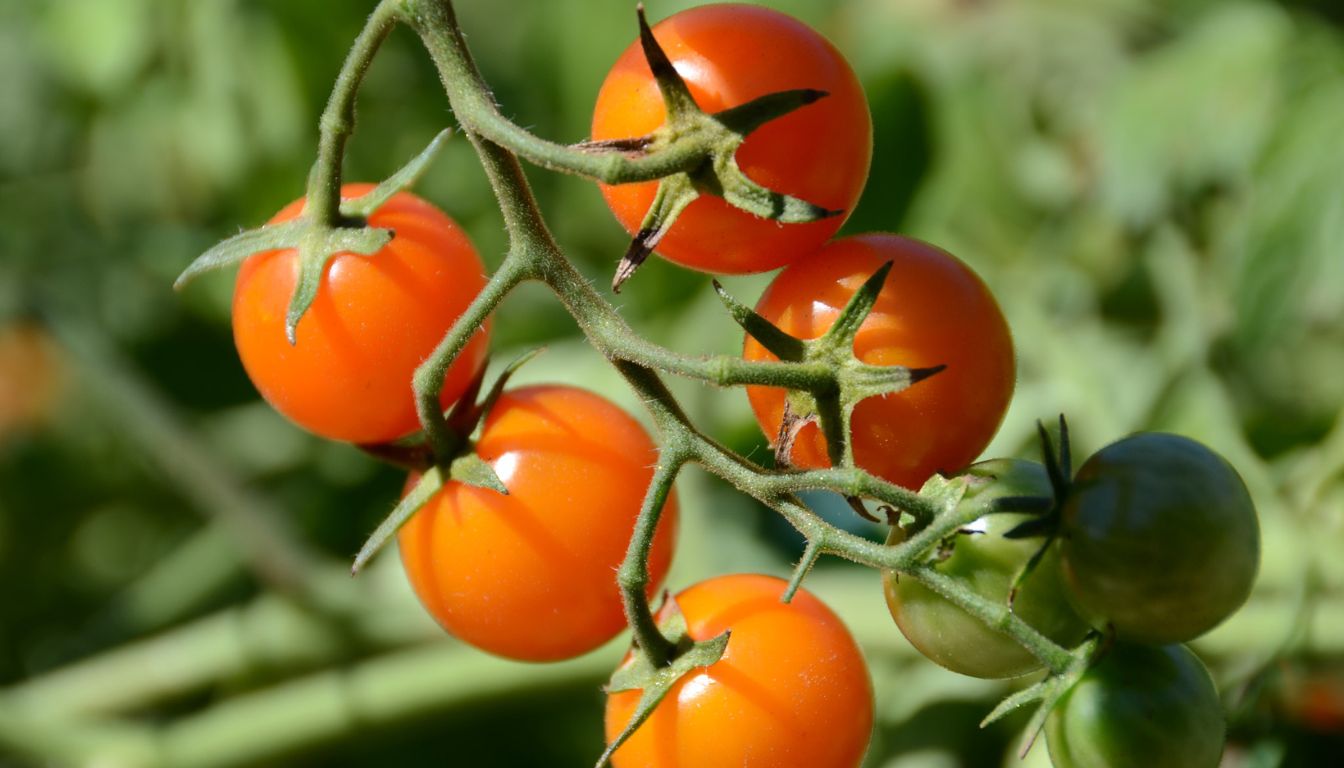
Cherry Tomato Nutritional Information shows that cherry tomatoes are tiny, bite-sized fruits full of nutrients. They make a favorite addition to salads, pasta dishes, or can be simply enjoyed as a snack. Low in calories yet rich in fiber, vitamins A and C, and carotenoid antioxidants such as lutein, lycopene, and beta-carotene, they deliver both flavor and health benefits in every bite.
According to Healthline, one cup (149 grams) of cherry tomatoes contains 27 calories, 2 grams of fiber, 1 gram of protein, and 6 grams of carbohydrates. They are also a good source of potassium, folate, and vitamin K.
The high antioxidant content in cherry tomatoes may help reduce the risk of chronic diseases such as heart disease and cancer. Overall, cherry tomatoes are a nutritious addition to your diet. They are low in calories and high in essential vitamins and minerals.
In the next sections, I will dive deeper into the nutritional information of cherry tomatoes and their health benefits.
Nutritional Profile – Cherry Tomato Nutritional Information
Cherry tomatoes are a great source of essential nutrients, including macronutrients, vitamins, minerals, and phytonutrients. Here’s a breakdown of their nutritional value:
Macronutrients
Cherry tomatoes are low in calories, with only 18 calories per 100 grams. They are also low in fat and protein, with less than 1 gram of each per 100 grams. However, they are high in carbohydrates, with 3.9 grams per 100 grams, most of which comes from fiber.
Vitamins
Cherry tomatoes are an excellent source of vitamins, particularly vitamin C. One small cherry tomato provides 13 milligrams of vitamin C, which is 21% of the recommended daily value. They are also a good source of vitamin A, with 833 IU per 100 grams, which is 28% of the recommended daily value. Additionally, they contain vitamin K, folate, and riboflavin.
Minerals – Cherry Tomato Nutritional Information
Cherry tomatoes are rich in minerals, including potassium, phosphorus, and magnesium. They also contain small amounts of iron, calcium, and zinc. Potassium is important for maintaining healthy blood pressure, while phosphorus is essential for strong bones and teeth. Magnesium is necessary for muscle and nerve function, and iron is important for oxygen transport in the body.
Phytonutrients
Cherry tomatoes are packed with phytonutrients, including lycopene, beta-carotene, and phenolic compounds. Lycopene is a powerful antioxidant that gives tomatoes their red color and has been linked to a reduced risk of heart disease and certain cancers. Beta carotene is a precursor to vitamin A and also has antioxidant properties. Phenolic compounds are plant compounds that have been shown to have anti-inflammatory and anti-cancer effects.
Health Benefits – Cherry Tomato Nutritional Information
Cherry tomatoes pack nutrients and antioxidants that deliver several health benefits. This section highlights some of the most significant benefits of eating cherry tomatoes.
Cardiovascular Health
Cherry tomatoes contain nutrients that promote heart health. The high levels of potassium in cherry tomatoes can help lower blood pressure and reduce the risk of heart disease. Additionally, the lycopene in cherry tomatoes can help prevent the formation of blood clots, which can lead to heart attacks and strokes.
Cancer Prevention – Cherry Tomato Nutritional Information
Cherry tomatoes provide antioxidants, especially lycopene, that fight cancer. Lycopene lowers the risk of prostate and breast cancer. Their high vitamin C content protects cells from free radical damage, further reducing cancer risk.
Weight Management
Cherry tomatoes are low in calories and high in fiber, making them an excellent addition to any weight loss diet. The fiber in cherry tomatoes can help you feel full for longer periods, which can help reduce overall calorie intake. Additionally, the low levels of total fat in cherry tomatoes make them a healthy snack option.
Anti-Inflammatory Effects
Cherry tomatoes deliver antioxidants that reduce inflammation in the body. Lycopene lowers lung inflammation, helping prevent respiratory diseases. Dietary fiber reduces inflammation in the digestive system.
Digestive Health
Cherry tomatoes are an excellent source of dietary fiber, which can help improve digestive health. The fiber in cherry tomatoes can help prevent constipation and promote regular bowel movements. Additionally, the high levels of vitamin C in cherry tomatoes can help prevent acid reflux and other digestive disorders.
Culinary Uses – Cherry Tomato Nutritional Information
Cherry tomatoes offer versatility in the kitchen. You can eat them raw or cook them, and they appear in dishes across many cuisines. This section explains the two main ways people consume cherry tomatoes: raw and cooked.
Raw Consumption
You can eat cherry tomatoes raw as a snack or add them to salads, sandwiches, and pico de Gallo. Their sweet and tangy flavor brings freshness to any dish. Along with great taste, they supply nutrients such as vitamin C, vitamin A, and fiber.
Cooking Applications – Cherry Tomato Nutritional Information
Cherry tomatoes can also be cooked in a variety of ways. They can be roasted, stewed, or steamed to bring out their natural sweetness and flavor. When cooked, cherry tomatoes become softer and juicier, making them a great addition to sauces, stews, and soups.
They can also be used as a topping for pizzas or added to pasta dishes for a burst of flavor. When cooking with cherry tomatoes, it is important to note that they cook quickly and can become mushy if overcooked. To avoid this, it is best to cook them on low heat for a short amount of time.
Agricultural Aspects – Cherry Tomato Nutritional Information
Growing Cherry Tomatoes
As a tomato variety, cherry tomatoes are relatively easy to grow. They require a lot of sunlight and warm temperatures to thrive. I recommend planting them in soil that is well-draining and rich in organic matter. Cherry tomato plants should be spaced about two feet apart to allow for adequate air circulation and prevent the spread of disease.
When it comes to watering, cherry tomato plants need to be watered regularly but not overwatered. Overwatering can lead to root rot, which can kill the plant. I recommend watering the plants deeply once or twice a week, depending on the weather conditions.
There are many different varieties of cherry tomatoes available, each with its unique size, color, and flavor profile. Some popular varieties include Sweet 100, Sun Gold, and Black Cherry. It’s a good idea to experiment with different varieties to find the ones that grow best in your climate and soil conditions.
Harvesting and Storage – Cherry Tomato Nutritional Information
Cherry tomatoes are ready to be harvested when they are fully ripe and have a bright, vibrant color. You can tell if a cherry tomato is ripe by gently squeezing it. If it’s firm but slightly soft to the touch, it’s ready to be picked.
When harvesting cherry tomatoes, it’s important to handle them carefully to avoid damaging the fruit. I recommend using a pair of scissors or pruning shears to cut the stem just above the fruit. After harvesting, cherry tomatoes can be stored in a cool, dry place for up to a week.
To extend their shelf life, you can also store them in the refrigerator. However, keep in mind that refrigeration can affect the flavor and texture of the fruit, so it’s best to use them within a few days of refrigeration.
Nutrition Facts and Food Labeling – Cherry Tomato Nutritional Information
As someone who is health-conscious, I always check the nutrition facts and food labelling of the foods I eat. Cherry tomatoes are a great source of nutrients and vitamins, and it is important to know what we are consuming when we eat them.
According to the United States Department of Agriculture (USDA), one cup of cherry tomatoes (149g) contains the following nutritional information:
| Nutrient | Amount |
|---|---|
| Calories | 27 |
| Total Fat | 0.3g |
| Saturated Fat | 0g |
| Polyunsaturated Fat | 0.1g |
| Monounsaturated Fat | 0.1g |
| Sodium | 9mg |
| Total Carbohydrates | 5.8g |
| Dietary Fiber | 1.8g |
| Sugars | 3.9g |
| Protein | 1.3g |
It is important to note that the serving size for cherry tomatoes is one cup (149g). This serving size provides 27 calories, which is relatively low compared to other fruits and vegetables.
Cherry tomatoes are also low in saturated fat and sodium, making them a healthy addition to any diet. In addition to the nutrients listed above, cherry tomatoes are also a good source of vitamins A and C, as well as potassium. These vitamins and minerals are essential for maintaining a healthy immune system, skin, and vision.
Dietary Considerations – Cherry Tomato Nutritional Information
When it comes to dietary considerations, cherry tomatoes are generally considered safe for most people. However, there are a few things to keep in mind.
Allergies and Sensitivities
While allergies to tomatoes are rare, some people may experience sensitivity to tomatoes, including cherry tomatoes. Symptoms of sensitivity can include digestive upset and skin irritation. If you experience any of these symptoms after consuming cherry tomatoes, it may be best to avoid them in the future.
Dietary Restrictions – Cherry Tomato Nutritional Information
Cherry tomatoes are a great option for those following a vegan or vegetarian diet, as they are plant-based and contain no animal products. They are also gluten-free, making them a good choice for those with celiac disease or gluten sensitivity.
In terms of sodium content, cherry tomatoes are relatively low, with only 5 milligrams per 1 cherry tomato. This makes them a good option for those watching their sodium intake. For those with diabetes, cherry tomatoes can be a good choice due to their low glycemic index. This means they are less likely to cause a spike in blood sugar levels.
Before You Go – Cherry Tomato Nutritional Information
Cherry tomatoes may be small, but they pack a powerful nutritional punch. Loaded with vitamins A and C, antioxidants like lycopene, and hydrating properties, these bite-sized fruits support immune health, skin vitality, and heart function.
Before you head to the kitchen or garden, remember: fresh cherry tomatoes offer the most nutrients when eaten raw or lightly cooked. Add them to salads, roast them for a burst of flavor, or snack on them straight from the vine. However you enjoy them, you’re fueling your body with something delicious and nutritious.
Don’t forget to add theherbprof.com homepage to your favourites so you don’t miss out on future articles!
References – Cherry Tomato Nutritional Information
Little Herb Encyclopedia, by Jack Ritchason; N.D., Woodland Publishing Incorporated, 1995
The Ultimate Healing System, Course Manual, Copyright 1985, Don Lepore
Planetary Herbology, Michael Tierra, C.A., N.D., Lotus Press, 1988
Handbook of Medicinal Herbs, by James A. Duke, Pub. CRP Second Edition 2007
The Complete Medicinal Herbal, by Penelope Ody, Published by Dorling Kindersley
Check the Following Articles
Caring for a Meyer Lemon Tree: Tips and Tricks
How Long Does It Take for Compost to Break Down?
Can You Grow a Banana Tree from a Banana?
Basil Leaves Curling: Causes and Solutions
Frequently Asked Questions – Cherry Tomato Nutritional Information
How many calories are in 100g of cherry tomatoes?
Cherry tomatoes are low in calories, making them a great addition to any diet. According to Healthline, 100g of cherry tomatoes contains only 18 calories.
What are the nutritional benefits of consuming cherry tomatoes?
Cherry tomatoes pack essential nutrients that support good health. They supply vitamin C, vitamin A, and potassium. They also deliver antioxidants that protect your body from damage caused by harmful free radicals.
Can eating cherry tomatoes help with weight loss?
Cherry tomatoes are a great food to include in a weight-loss diet. They are low in calories and high in fiber, which can help you feel full and satisfied after eating. According to Healthline, the fiber in cherry tomatoes can aid weight loss by helping you stay full and hydrated.
What vitamins and minerals are abundant in cherry tomatoes?
Cherry tomatoes supply vitamins and minerals vital for health. They provide high amounts of vitamin C, vitamin A, and potassium. They also offer small amounts of calcium, iron, and magnesium.
How many carbohydrates are present in a serving of cherry tomatoes?
Cherry tomatoes are low in carbohydrates, making them a great food to include in a low-carb diet. According to Livestrong, a serving of cherry tomatoes contains 12 grams of carbohydrates.
What is the nutritional content of a 250g serving of cherry tomatoes?
A 250g serving of cherry tomatoes provides about 45 calories, 2g of protein, 10g of carbohydrates, and 3g of fiber. It also delivers 25% of the recommended daily intake of vitamin C and 20% of the recommended daily intake of vitamin A.