
The Herb Prof Team researches and writes our herbal guides, drawing on published research, traditional herbal references, and hands-on growing experience.
The right tea for high blood pressure can offer real, evidence-backed support, though none should replace prescribed medication or a solid lifestyle foundation. Compounds like catechins, flavonoids, and anthocyanins found across green, black, and hibiscus tea have been studied specifically for their effects on blood vessel function and inflammation, giving tea a stronger evidence base than most casual home remedies. This guide covers the best-researched teas, what the science actually shows, and how to brew each one for maximum benefit.
Understanding High Blood Pressure
High blood pressure, or hypertension, occurs when blood pushes against artery walls with excessive force. Left unmanaged, it raises the risk of heart attack, stroke, and kidney disease. Normal blood pressure sits around 120/80 mmHg, while hypertension is generally diagnosed above 130/80 mmHg. It often causes no symptoms, which is why it’s frequently called a silent condition, yet left unmanaged it raises the risk of heart attack, stroke, and kidney disease.
Genetics play a role in hypertension risk, but lifestyle factors matter just as much. A sedentary routine, high-sodium diet, excess weight, chronic stress, and heavy alcohol or tobacco use can all push blood pressure higher. These lifestyle factors compound over time. This is why habitual choices, including daily beverage choices, are increasingly studied as part of blood pressure management rather than dismissed as minor. Tea is one of the most accessible of these habitual choices, and a handful of varieties now have genuine research behind their effect on blood pressure.
Best Teas For High Blood Pressure
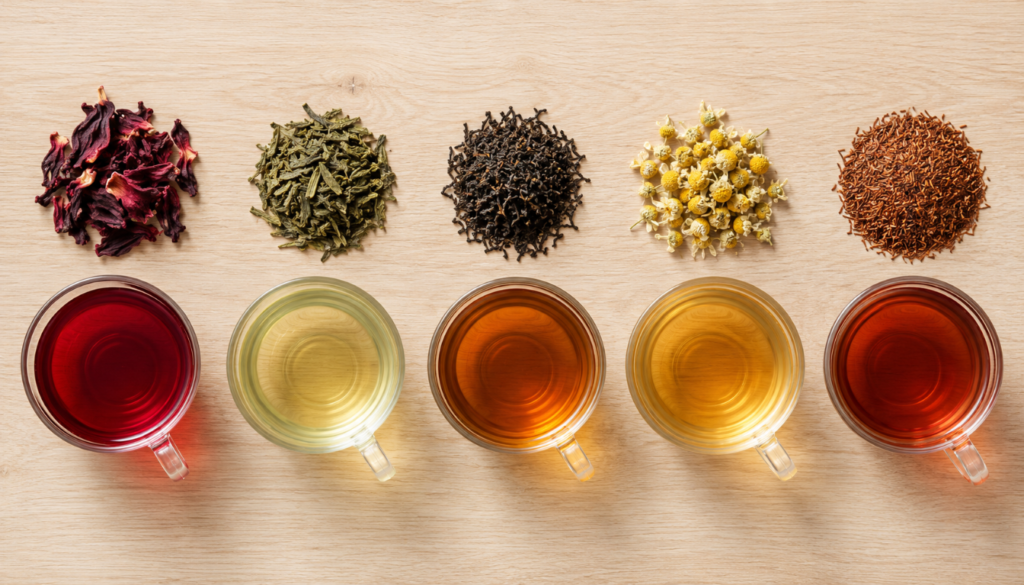
Each tea below works through a slightly different mechanism. The right choice often comes down to whether you want caffeine, a stronger evidence base, or simply a calming ritual.
Green tea
Green tea is rich in catechins, antioxidant compounds that improve blood flow and support healthy blood vessel function. Specifically, catechins such as epigallocatechin gallate (EGCG) stimulate nitric oxide production in the cells lining blood vessels. This causes the vessels to widen, reducing resistance to blood flow.
One notable study published in the American Journal of Clinical Nutrition found that daily green tea drinkers had lower systolic and diastolic pressure than non-drinkers, making it one of the more consistent everyday options.
Hibiscus tea
Hibiscus has some of the strongest clinical support of any tea for blood pressure. A clinical trial published in Nutrition Journal found that drinking hibiscus tea lowered systolic blood pressure by roughly 7 mmHg in people with hypertension, and broader meta-analyses back this up.
Its tart, cranberry-like flavor makes it easy to enjoy daily, though it should be used cautiously alongside certain blood pressure medications. This is because hibiscus has a mild diuretic effect similar to some prescription blood pressure drugs. Combining the two may lower blood pressure more than intended.
Black tea
Black tea contains flavonoids that help relax blood vessels. Research published in the Journal of Hypertension found these compounds contribute to measurable blood pressure reductions, making black tea a solid choice for those who prefer a stronger, more traditional cup.
These flavonoids, primarily theaflavins formed during oxidation, support the same nitric-oxide-driven vasodilation seen in green tea. Black tea’s stronger caffeine content means moderation matters more here.
Chamomile tea
As a caffeine-free option, chamomile works indirectly. Its calming properties help reduce stress, and since stress is itself a driver of temporary blood pressure spikes, a nightly cup can be a genuinely useful part of a wind-down routine.
Unlike green or black tea, chamomile has little direct evidence for lowering blood pressure through vascular mechanisms. Its value lies almost entirely in reducing the stress-driven spikes that compound hypertension over time, making it a good choice for an evening routine rather than a primary treatment.
Rooibos tea
Rooibos is a caffeine-free herbal tea from South Africa, made from the leaves of Aspalathus linearis. It has a smooth, naturally sweet flavor and a deep red color that gives it its name, “red bush” in Afrikaans.
Rooibos has been consumed in South Africa’s Western Cape region for centuries. It was traditionally brewed by indigenous Khoi communities long before it reached European markets in the 18th century. Unlike true teas, rooibos comes from a legume-family shrub rather than the Camellia sinensis plant, which explains both its naturally sweet flavor and its complete absence of caffeine.
Rooibos is rich in antioxidants and has shown promise in some research: a study in Phytotherapy Research found participants experienced a decrease in blood pressure after regular consumption, and other findings suggest rooibos extract may improve blood vessel function.
That said, the overall body of human evidence remains preliminary and mixed compared with hibiscus or green tea. It’s best approached as a supportive, low-risk daily habit rather than a proven blood-pressure treatment on its own. Where rooibos reliably helps is as a completely caffeine-free way to unwind, and reducing stress is itself beneficial for blood pressure.
Who Should Be Cautious With Rooibos:
While rooibos is well tolerated by most people, a few groups should check with a healthcare provider before making it a daily habit:
- Pregnant women, due to weak but possible hormonal effects
- People with legume allergies, since rooibos belongs to the same plant family
- Those with chronic kidney disease, because of its potassium content
- Anyone with naturally low blood pressure, since it may lower pressure further
- People on blood pressure medication or blood thinners, as rooibos may amplify these effects. Monitor readings closely and check with a doctor or pharmacist
The Science Behind Tea and Blood Pressure
Tea’s benefits come from polyphenols and flavonoids, compounds that improve endothelial function (the health of the cells lining blood vessels) and reduce inflammation. These effects are real but modest, and study limitations matter. Much of the research relies on self-reported consumption data, individual responses vary based on overall diet and lifestyle. Most trials only measure short-term effects. Tea works best as one part of a broader approach, not a standalone fix.
This is why hibiscus and green tea, which have the largest and most consistent body of trial data, are generally considered more reliable choices than rooibos or chamomile for anyone specifically targeting blood pressure rather than general relaxation.
How To Prepare Each Tea For Maximum Benefit
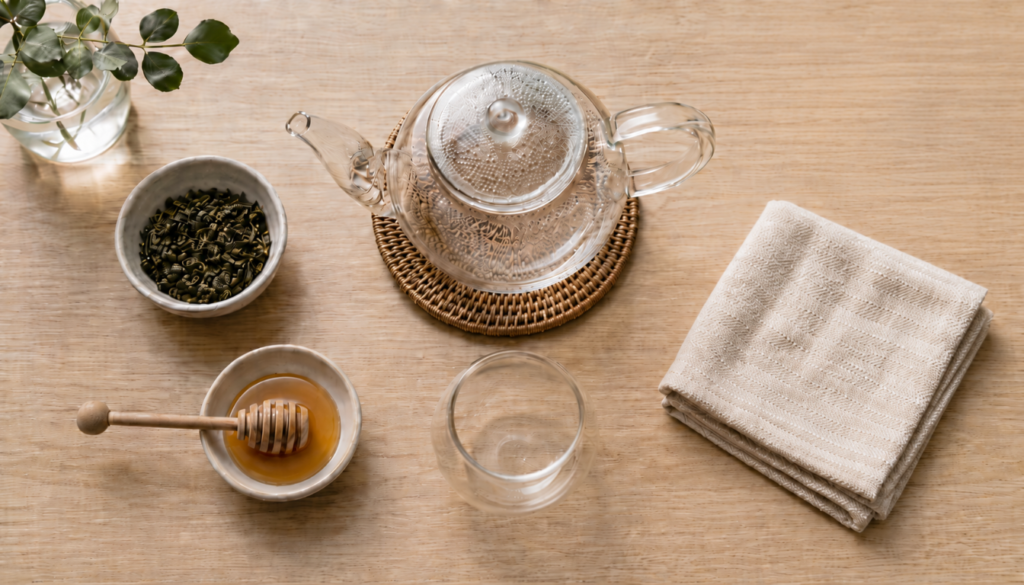
Brewing method affects how much of each tea’s beneficial compounds you actually extract.
- Green tea: steep at around 175°F for 2–3 minutes
- Black tea: use nearly boiling water, steep for 3–5 minutes
- Hibiscus: steep for up to 15 minutes to extract full flavor and benefit
- Chamomile: steep in freshly boiled water for 5–7 minutes
- Rooibos: use one teaspoon of loose leaves or one tea bag, steep in hot water for 5–7 minutes; steep longer for a stronger brew
Sweeten with honey or stevia rather than sugar. Rooibos also works well blended into smoothies with banana and berries, iced with lemon or mint in warmer months. Try brewing it with a cinnamon stick or fresh ginger for extra flavor and warmth.
How Much Tea Should You Drink?
Two to three cups daily is a reasonable target across most of these teas for consistent benefit. Consistency matters more than quantity. Hibiscus’s strongest trial results, for example, only appeared after several weeks of daily use.
Before You Go – Tea for High Blood Pressure
Tea offers a simple, enjoyable way to support healthy blood pressure alongside a balanced diet and regular exercise. Hibiscus, green, and black tea have the strongest evidence behind them, while chamomile and rooibos offer a gentler, caffeine-free path to the same goal through stress reduction. Building a daily tea ritual is one of the easiest natural habits to sustain long-term, and it pairs well with the other lifestyle steps covered in our Home Remedies for High Blood Pressure guide.
If you’re managing diagnosed hypertension, hibiscus and rooibos are the two teas worth discussing with your doctor first. Both can interact with blood pressure medication in ways green, black, or chamomile tea generally don’t.
References – Tea for High Blood Pressure
Little Herb Encyclopedia, by Jack Ritchason; N.D., Woodland Publishing Incorporated, 1995
The Ultimate Healing System, Course Manual, Copyright 1985, Don Lepore
Planetary Herbology, Michael Tierra, C.A., N.D., Lotus Press, 1988
Handbook of Medicinal Herbs, by James A. Duke, Pub. CRP Second Edition 2007
The Complete Medicinal Herbal, by Penelope Ody, Published by Dorling Kindersley
Related Articles
Lemon Balm: Health Benefits, Uses and How to Use It
Almond Seeds: Nutrition, Culinary Uses, and Growing Tips
Turkey Tail Benefits: Immune Health & Gut Wellness Boost
Frequently Asked Questions – Tea for High Blood Pressure
What types of tea are best for managing high blood pressure?
Green tea, hibiscus tea, and black tea have the strongest evidence. Hibiscus can lower both systolic and diastolic pressure, green tea’s catechins improve blood flow, and black tea’s flavonoids help relax blood vessels. Caffeine-free options like chamomile and rooibos support blood pressure more indirectly through stress reduction.
How does tea help lower blood pressure?
Tea is rich in antioxidants such as polyphenols and flavonoids that support cardiovascular health, improve blood flow, and help relax blood vessels.
Is rooibos tea proven to lower blood pressure?
Not conclusively. Some studies show promising decreases in blood pressure with regular rooibos consumption, but the overall evidence in humans is still preliminary compared with hibiscus or green tea. Its most reliable benefit is as a calming, caffeine-free daily habit.
Can tea replace medication for high blood pressure?
No. Tea should never replace prescribed medication, though it can be a beneficial addition to a balanced diet and lifestyle. Always consult your healthcare provider before making changes to your treatment plan.
Are there any side effects to drinking tea?
Tea is generally safe, but excessive consumption of caffeinated varieties may cause insomnia, jitteriness, or digestive issues. Rooibos specifically should be used cautiously by pregnant women, people with legume allergies, those with kidney disease, and anyone on blood pressure medication or blood thinners.
Can anyone drink tea for high blood pressure?
Most people can enjoy these teas as part of a balanced diet, but those with certain health conditions, caffeine sensitivity, or specific medications should consult their doctor first.
How does stress affect blood pressure?
Stress can cause temporary spikes in blood pressure, and chronic stress may contribute to long-term hypertension. Relaxing rituals like a warm cup of herbal tea can be a genuinely useful part of managing that stress.