The Herb Prof Team researches and writes our herbal guides, drawing on published research, traditional herbal references, and hands-on growing experience.
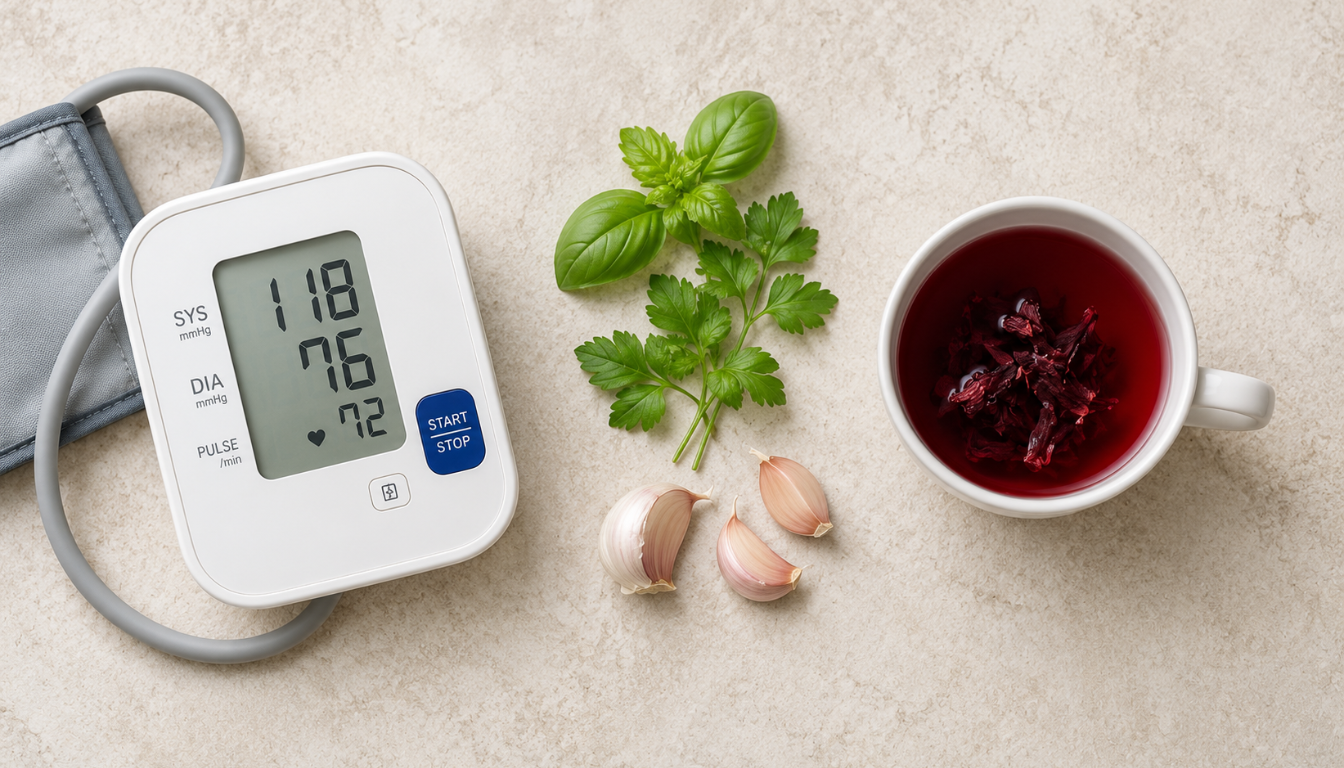
High blood pressure (hypertension) is one of the most common, and most silent, threats to heart health, yet small changes at home can still make a real difference alongside medical care. Consistently elevated readings (typically over 130/80 mmHg) increase the risk of heart attack, stroke, kidney disease and cognitive decline. This is why doctors and major heart organisations emphasise lifestyle measures such as the DASH diet, regular exercise, weight management, reduced sodium, and limiting alcohol and tobacco use as first‑line tools to help control blood pressure. In this article, we’ll explore home remedies for high blood pressure that work alongside professional care, not instead of it.
At the same time, certain foods, herbs and teas can modestly support healthier blood pressure as part of a daily routine. Potassium‑rich fruits and vegetables help counteract sodium, and garlic and selected herbs may aid blood vessel function. Evidence suggests that drinks like hibiscus and green tea can contribute to small reductions in systolic blood pressure in people with hypertension. Used wisely and safely, and never as a replacement for prescribed medication, these home remedies can sit alongside professional treatment to support better cardiovascular health.
In this article, you’ll find a practical roadmap that begins with core lifestyle changes (DASH eating, exercise, weight, salt and alcohol). It then explores natural options such as potassium‑rich foods, selected herbs and spices, stress management, sleep habits and evidence‑based teas. Each section is designed to help you build a realistic plan you can follow at home, while also knowing when it’s time to work directly with your doctor on medication and monitoring.
Understanding High Blood Pressure
What is high blood pressure?
High blood pressure, or hypertension, occurs when the force of the blood pushing against your artery walls is consistently too high. Blood pressure is measured in millimetres of mercury (mmHg) and recorded as two numbers: systolic pressure (the top number, when the heart beats) and diastolic pressure (the bottom number, when the heart rests between beats). Readings persistently above about 130/80 mmHg generally indicate high blood pressure and may require lifestyle changes.
Why it’s called the “silent killer”
Most people with high blood pressure feel perfectly well and have no obvious symptoms, which is why hypertension is often called the “silent killer”. Uncontrolled blood pressure over time damages blood vessels and increases the risk of serious problems such as heart attack, stroke, heart failure, kidney disease and cognitive decline. Regular monitoring and check‑ups are essential, even when you feel fine. Early detection gives you more options and better chances of preventing complications.
Lifestyle Changes To Lower Blood Pressure
Lifestyle measures are the foundation of blood‑pressure management and are strongly supported by clinical guidelines and large studies. They work best when combined, not used in isolation.
Regular physical activity
Moving your body regularly helps your heart pump more efficiently and reduces the pressure on your arteries. Many guidelines recommend at least 150 minutes per week of moderate‑intensity activity (such as brisk walking) or 75 minutes of more vigorous exercise. Also, they advise on muscle‑strengthening activities two days per week. Even simple habits like walking after dinner, gardening or using the stairs can add up over time.
The DASH diet and healthy eating
The DASH diet (Dietary Approaches to Stop Hypertension) was designed specifically to help lower blood pressure and is backed by strong evidence. For more details, see DASH diet: Healthy eating to lower your blood pressure.
- Plenty of fruits and vegetables
- Whole grains instead of refined grains
- Lean proteins such as fish, poultry and legumes
- Low‑fat or fat‑free dairy products
- Nuts and seeds in moderation
DASH also focuses on nutrients such as potassium, fibre, calcium and magnesium, which support blood pressure control, while cutting back on saturated fat, added sugars and highly processed foods.
Limiting salt and alcohol
Too much sodium (salt) can cause the body to retain fluid and make blood vessels constrict, raising blood pressure. Many heart organisations recommend keeping sodium under about 1,500–2,300 mg per day and using herbs and spices for flavour instead of the salt shaker. Alcohol can also increase blood pressure when consumed in excess. Moderation generally means up to one drink per day for women and up to two for men, although your doctor may advise stricter limits if you have hypertension.
Maintaining a healthy weight
Carrying extra weight, especially around the waist, makes the heart work harder and is closely linked to higher blood pressure. Losing even 5–10% of your body weight can significantly improve blood pressure and overall cardiovascular risk. Combining portion awareness, nutrient‑dense foods and regular movement is usually more sustainable. This approach works better than crash dieting for long‑term blood pressure control.
Herbal Home Remedies For High Blood Pressure
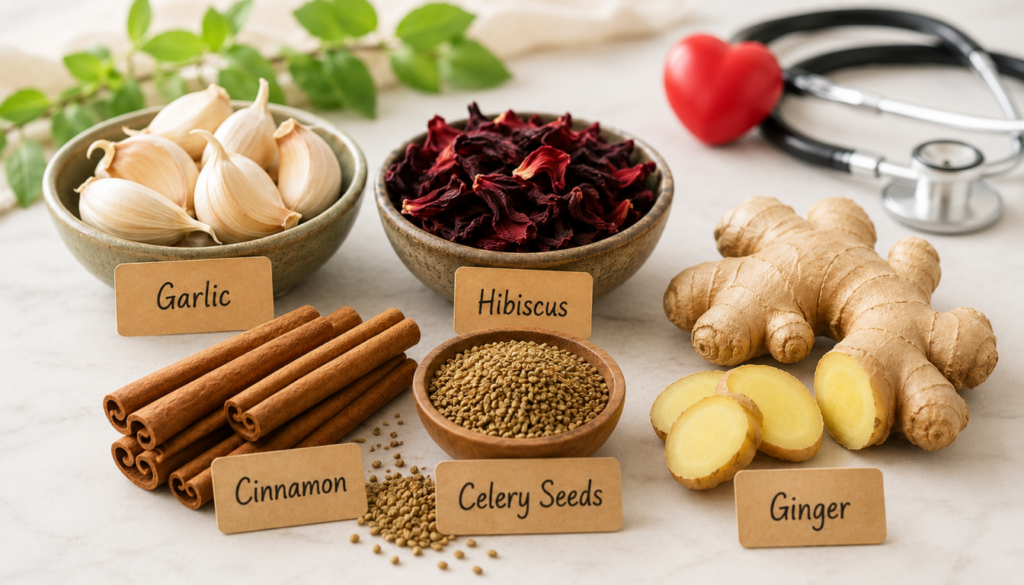
Alongside lifestyle changes, certain foods and natural approaches can help support healthier blood pressure. These are best viewed as adjuncts to a solid diet, exercise and medical plan, not as stand‑alone treatments.
Potassium-rich foods
Potassium helps balance the effects of sodium and supports healthy nerve and muscle function, including the heart. Many blood‑pressure guidelines recommend increasing potassium‑rich foods, particularly for people without kidney disease. Good sources include:
- Bananas
- Sweet potatoes
- Tomatoes and tomato products
- Oranges and orange juice
- Cantaloupe and other melons
- Leafy greens such as spinach and kale
These foods also provide fibre and other nutrients that support heart health.
Tea for blood pressure: home remedies
Certain teas may help support healthier blood pressure as part of an overall lifestyle plan. Green tea is rich in catechins that can improve blood flow and endothelial function. Hibiscus tea has shown meaningful reductions in systolic blood pressure in people with hypertension. Black tea provides flavonoids that help blood vessels relax. Caffeine‑free herbal options such as chamomile and rooibos can assist indirectly by helping reduce stress. Stress also contributes to blood pressure, so these teas may be helpful.
For a detailed breakdown of which teas to choose, how much to drink, the key studies behind them and how to brew them for maximum benefit, see Discover the Best Tea for High Blood Pressure.
Herbs and Spices for High Blood Pressure
Some herbs and spices have been studied for their potential to modestly lower blood pressure or support cardiovascular function when used regularly. Evidence is mixed and usually shows small to moderate effects, but they can still be useful additions to a heart‑healthy diet.
Garlic is one of the best‑researched herbs for blood pressure. Its active compound, allicin, appears to help blood vessels relax. Taken consistently in food or supplement form, garlic may lower systolic and diastolic pressure in people with hypertension. Using garlic generously in cooking is a simple way to support cardiovascular health.
Hibiscus (often consumed as a tart red tea) has been shown in randomised trials and meta‑analyses to reduce both systolic and diastolic blood pressure by several mmHg in people with prehypertension or mild hypertension. These benefits appear when it is drunk daily over several weeks. It is one of the more promising plant‑based options, though it should be used cautiously by people on certain medications.
Celery seed contains compounds such as phthalides and magnesium that may help relax blood vessel walls and act as a mild natural diuretic. It is commonly used as a seasoning and can be incorporated into soups, stews and salads.
Cinnamon and ginger have antioxidant and anti‑inflammatory properties. They may help improve circulation and various cardiometabolic markers, including components that influence blood pressure. Also, they make useful flavourful additions to a DASH‑style diet but should not be relied on alone for hypertension control.
Olive leaf extract and hawthorn are traditional cardiovascular herbs. Some modern data suggests they may support heart function and modestly influence blood pressure. Because they can interact with medications, they are best used under the guidance of a qualified practitioner.
Other herbs with modest evidence
Cat’s claw (Uncaria species) contains rhynchophylline, an alkaloid studied for its ability to relax blood vessels. It also provides antioxidant flavonoids that may support vascular health. Evidence is still preliminary, so use it only under guidance. It can interact with blood pressure and immune medications.
Bacopa works differently from the other herbs on this list. It supports blood pressure indirectly, through stress and anxiety reduction rather than direct vasodilation. Its active compounds, bacosides, help regulate neurotransmitter activity in the brain. This calming effect can help people whose hypertension is linked to chronic stress.
Thyme contains rosmarinic acid, the same compound found in lemon balm and rosemary. This compound may improve nitric oxide production and help blood vessels relax. Using thyme regularly in cooking is a simple, low-risk way to benefit. Evidence remains limited, but the safety profile is excellent.
Cardamom contains cineole, a compound linked to improved nitric oxide production and antioxidant activity. Some small studies link regular cardamom intake to modest blood pressure improvements. Larger trials are still needed to confirm this effect. It pairs well with cinnamon and ginger in a heart-healthy diet.
Safety of herbal remedies for high blood pressure
Herbal remedies are not risk‑free, particularly for people already taking prescription drugs for blood pressure, heart disease or blood thinning. Some herbs can change how medicines are absorbed or metabolised. This may cause blood pressure to drop too low or increase bleeding risk. Anyone with diagnosed hypertension should talk with their healthcare provider before starting herbal supplements and should never discontinue prescribed medication without medical advice.
Stress and Sleep Remedies for High Blood Pressure
Relaxation techniques
Stress triggers the release of hormones that temporarily raise blood pressure, and chronic stress can contribute to long‑term hypertension. Relaxation practices such as deep breathing, meditation, yoga, tai chi and guided imagery have been shown to help lower stress levels. Practised regularly, they may modestly support blood pressure control. Building small, daily “unwind” periods can be more effective than occasional intense efforts.
Prioritising quality sleep
Poor or insufficient sleep affects hormones that regulate blood pressure and can increase cardiovascular risk over time. Many adults benefit from aiming for seven to eight hours of consistent, good‑quality sleep per night. A regular bedtime, a dark and quiet room and limited screen use before bed all help. If you snore heavily or feel unrefreshed despite adequate sleep, it’s worth asking your doctor about sleep apnea, which is closely linked to high blood pressure.
When To Seek Professional Treatment
Home remedies and lifestyle changes are powerful, but they are not always enough on their own. It’s important to know when to involve a healthcare professional. Seek urgent medical help if you have very high readings plus symptoms such as chest pain, shortness of breath, severe headache, confusion or vision changes. These may signal a hypertensive emergency.
Prescription medication
For many people, especially those with significantly elevated readings or additional risk factors such as diabetes or kidney disease, doctors recommend blood‑pressure medications. Common types include diuretics, ACE inhibitors, angiotensin receptor blockers, beta‑blockers and calcium channel blockers, each working in different ways to reduce pressure in the arteries. Taking medication exactly as prescribed and combining it with lifestyle changes usually gives the best results.
Caffeine, smoking and processed foods
Caffeine can cause temporary blood pressure spikes in some people, so it’s sensible to monitor how coffee, energy drinks and strong tea affect your readings and to keep total intake within moderate limits. Smoking damages blood vessels, raises blood pressure and dramatically increases cardiovascular risk; quitting is one of the single most effective steps you can take for heart health.
Highly processed foods often hide large amounts of sodium, unhealthy fats and added sugars, all of which can worsen hypertension, so prioritising fresh, minimally processed foods is a key part of long‑term management.
Before You Go – Home Remedies For High Blood Pressure
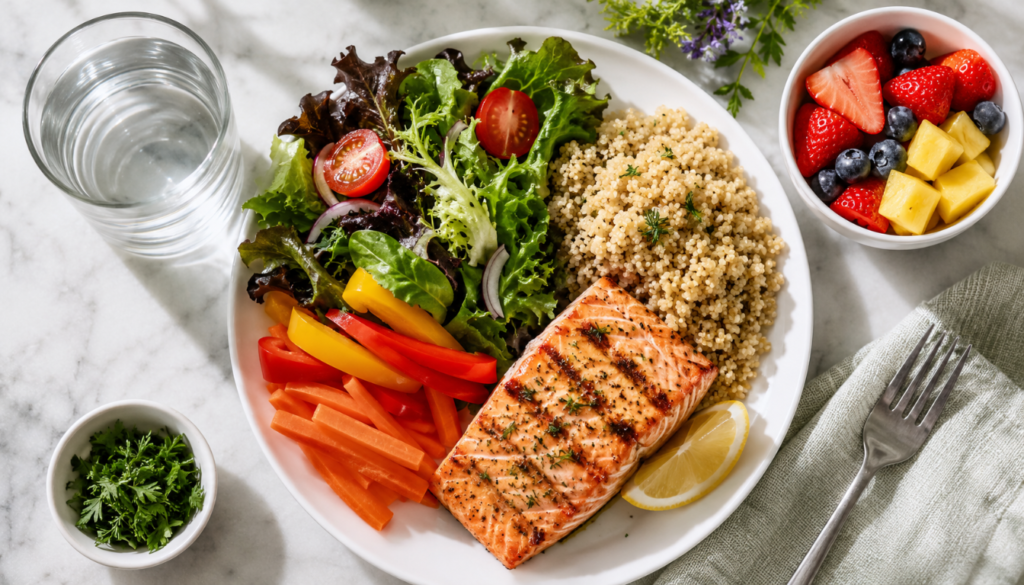
Managing high blood pressure is a long‑term project, not a quick fix. The combination of lifestyle changes and well‑chosen home remedies can still make a meaningful difference over time. Eating in a DASH‑style pattern, staying active, maintaining a healthy weight, limiting salt and alcohol, and avoiding tobacco all have strong evidence behind them and sit at the core of non‑drug blood‑pressure control.
Alongside these fundamentals, you can add potassium‑rich foods and use herbs like garlic and hibiscus wisely. Enjoying evidence‑backed teas in moderation, working on stress management and protecting your sleep can provide extra support. The most important step is to build a routine you can stick with and to partner with your healthcare provider to decide whether medication is needed, how often to monitor your numbers, and which natural approaches are safe for you.
References – Home Remedies For High Blood Pressure
Little Herb Encyclopedia, by Jack Ritchason; N.D., Woodland Publishing Incorporated, 1995
The Ultimate Healing System, Course Manual, Copyright 1985, Don Lepore
Planetary Herbology, Michael Tierra, C.A., N.D., Lotus Press, 1988
Handbook of Medicinal Herbs, by James A. Duke, Pub. CRP Second Edition 2007
The Complete Medicinal Herbal, by Penelope Ody, Published by Dorling Kindersley
Related Article
Herbs For Anxiety: Natural Remedies That Can Help
Frequently Asked Questions – Home Remedies For High Blood Pressure
Can home remedies help control high blood pressure?
Yes. Lifestyle changes such as the DASH diet, regular exercise, weight management and reduced sodium are strongly supported by evidence and can substantially lower blood pressure. Selected herbs and teas can provide additional modest benefits when used safely and consistently.
Which foods are most helpful?
Fibre‑rich foods, fruits, vegetables, whole grains, lean proteins and low‑fat dairy products are central to the DASH diet and have been shown to support healthier blood pressure and overall heart health.
Can stress management really make a difference?
Yes. Chronic stress contributes to high blood pressure, and practices such as deep breathing, meditation, yoga and other relaxation methods can help reduce stress and modestly support blood pressure control over time.
Do herbs and teas replace medication?
No. Herbs and teas can support blood pressure, but they do not replace prescribed medication in people who need it. Always discuss natural remedies with your healthcare provider and follow your treatment plan.
How often should I monitor my blood pressure at home?
Many clinicians recommend checking at least a few times per week if you have hypertension, using a validated home monitor and keeping a log to share with your doctor. Your exact schedule should be guided by your healthcare provider. For practical tips on checking readings correctly, see this blood pressure patient information page.