The Herb Prof Team researches and writes our herbal guides, drawing on published research, traditional herbal references, and hands-on growing experience.
Growing medicinal herbs is one of the most rewarding things you can do for your health and your garden. These plants have been used for thousands of years to support the body’s natural healing processes. Today they are just as relevant whether you have a large garden, a small balcony, or a sunny kitchen windowsill. This guide walks you through everything you need to know, from choosing the right herbs to harvesting them at peak potency and using them every day.
Understanding the Benefits of Medicinal Herbs
Medicinal herbs offer a natural, gentle approach to everyday health. Unlike many synthetic products, they work with the body’s own processes, providing antioxidants, vitamins, and anti-inflammatory compounds that support rather than override natural function.
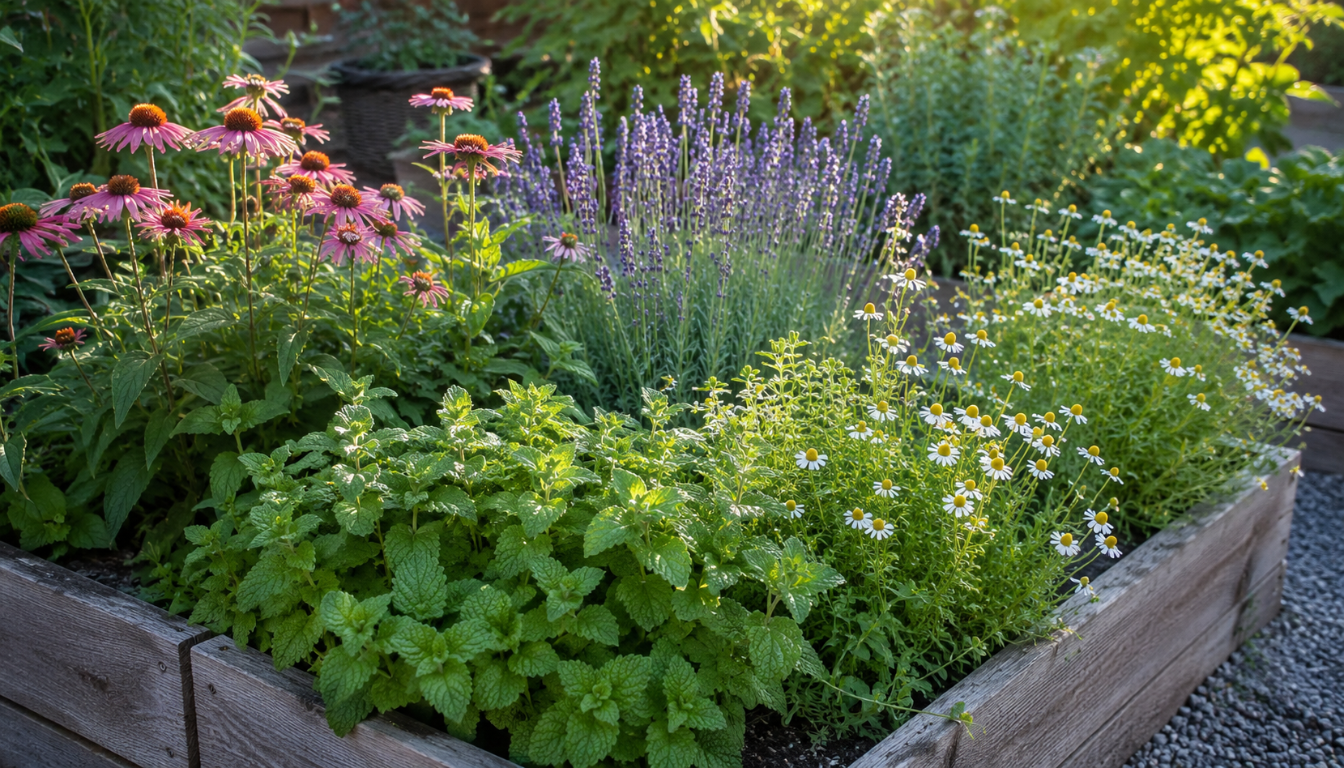
Different herbs address different needs. Chamomile and lavender are well known for calming the nervous system and improving sleep. Echinacea and elderberry support the immune system, especially during cold and flu season. Peppermint and ginger ease digestive discomfort. By choosing the right plants for your specific goals, your herb garden becomes a practical, personalised health resource.
It is worth being realistic, however. Medicinal herbs are supportive tools, not cures. They work best as part of a broader health plan that includes a balanced diet, good sleep, regular movement, and medical care when needed.
Why Grow Your Own Medicinal Herbs?
Growing medicinal herbs at home gives you full control over quality. You know exactly how they were grown, whether any pesticides were used, and when they were harvested. Fresh or home-dried herbs also tend to retain more of their active compounds than older commercial products sitting on a shelf.
There is also a practical and financial benefit. A single plant of lemon balm, chamomile, or peppermint costs very little and will provide harvests for months or years. Over time, a small medicinal garden becomes a cost-effective, sustainable personal pharmacy.
Beyond health, growing herbs connects you to a long tradition of plant knowledge. When you grow, harvest, and prepare your own remedies, you develop a deeper understanding of how plants work, and that understanding itself is empowering.
Choosing the Right Herbs for Your Goals
When it comes to growing medicinal herbs, start by identifying your main health priorities. Do you want to reduce stress and sleep better? Focus on lemon balm, chamomile, lavender, and valerian. Are you looking to support your immune system? Prioritise echinacea, elderberry, and thyme. For digestion, peppermint and ginger are your best allies.
Also consider your growing conditions. Lavender, rosemary, and thyme need full sun and well-drained soil. They thrive in warm, dry climates. Mint, lemon balm, and parsley prefer cooler, moister conditions and tolerate partial shade. Matching herbs to your environment reduces effort and increases your chance of a strong harvest.
Finally, think about versatility. The best starter herbs are those that serve multiple purposes: culinary and medicinal, ornamental and functional. Basil, rosemary, sage, and calendula all fit this description perfectly.
Top 15 Medicinal Herbs to Grow
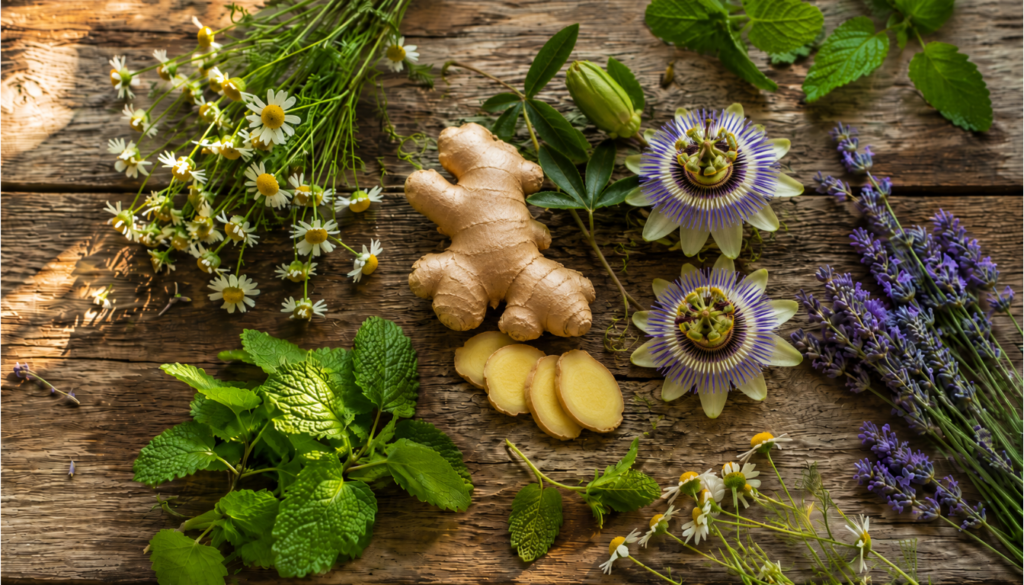
These herbs are reliable, well-researched, and suited to most home gardens or indoor spaces:
- Lemon Balm – Reduces stress and anxiety; supports restful sleep. Use as a tea or in aromatherapy.
- Echinacea – Boosts immune function; helps prevent and shorten colds. Use as a tea, tincture, or supplement.
- Chamomile – Promotes relaxation and sleep; soothes skin irritations. Use as a tea or in skincare.
- Lavender – Calms the nervous system; reduces tension headaches. Use in aromatherapy, teas, or cooking.
- Peppermint – Eases digestive discomfort and nausea; clears congestion. Use as a tea, in steam inhalations, or in cooking.
- Ginger – Reduces nausea and inflammation; supports digestion. Use in teas, cooking, or as a fresh infusion.
- Thyme – Supports respiratory health; has antimicrobial properties. Use in teas, steam inhalations, or cooking.
- Calendula – Soothes and repairs skin irritations, cuts, and rashes. Use in salves, oils, or teas.
- Rosemary – Supports circulation and cognitive function; antioxidant-rich. Use in teas or cooking.
- Sage – Supports oral health; reduces hot flushes; anti-inflammatory. Use in teas or cooking. Avoid in high doses during pregnancy.
- Basil – Rich in antioxidants and anti-inflammatory compounds. Use fresh in dishes or as a mild tea.
- Oregano – Strong antimicrobial and antioxidant properties. Use in cooking or as an oil.
- Valerian – Promotes relaxation and deeper sleep. Use as a tea or tincture. Not recommended during pregnancy or with sedative medications.
- Passionflower – Reduces anxiety and nervous tension; gentle sleep support. Use as a tea or tincture. Avoid during pregnancy.
- Elderberry – Boosts immune function; rich in antioxidants. Use in teas, syrups, or tinctures.
Individual Herb Spotlights
Lemon Balm: The Calming Herb
Lemon balm (Melissa officinalis) is a member of the mint family with a gentle lemony scent and remarkable calming properties. It works partly by supporting GABA activity in the nervous system, which promotes relaxation and reduces anxiety. A cup of lemon balm tea in the evening is one of the simplest, most effective herbal sleep rituals you can build.
Beyond its calming effects, lemon balm has demonstrated antiviral properties in research, particularly against the herpes simplex virus responsible for cold sores. It is easy to grow in pots or garden beds, spreads readily, and tolerates partial shade, making it ideal for beginners.
Echinacea: The Immune Booster
Echinacea (Echinacea purpurea and related species) is native to North America and has been used for centuries to support immune resilience. It works by stimulating white blood cell activity, helping the body mount a faster, stronger response to infection. Multiple clinical reviews suggest it can reduce the duration and severity of colds when taken at the first sign of symptoms.
In the garden, echinacea is also a beautiful ornamental plant with distinctive purple, daisy-like flowers that attract pollinators. It is a perennial, so once established it will return year after year with minimal effort.
Chamomile: The Soothing Remedy
Chamomile (Matricaria chamomilla) is one of the most widely used medicinal herbs in the world, and for good reason. Its calming effects on the nervous system make it a reliable remedy for anxiety, tension, and disrupted sleep. It also has well-documented anti-inflammatory and antimicrobial properties, making it useful for soothing skin irritations, mild digestive complaints, and minor infections.
Chamomile is easy to grow from seed, thrives in most garden soils, and self-seeds freely once established. The flowers are the medicinal part, harvest them when fully open and dry them quickly to preserve their active compounds.
Cultivating Your Medicinal Herb Garden
Choosing a Location
When growing medicinal herbs, most plants need at least six hours of direct sunlight per day. A south- or west-facing spot is ideal in the UK and northern Europe. If outdoor space is limited, a sunny windowsill or a small raised bed works well. Many herbs also thrive indoors under a grow light if natural light is insufficient.
Preparing the Soil
Good drainage is essential. Most herbs originate from Mediterranean or dry-climate regions and will struggle, or rot, in waterlogged soil. Amend heavy clay soils with coarse grit and compost. For containers, use a high-quality peat-free potting mix with added perlite for drainage. Most herbs prefer a neutral to slightly alkaline pH (around 6.5–7.5).
Planting and Spacing
Follow the specific spacing requirements for each herb. Herbs like mint and lemon balm spread aggressively so grow these in containers to prevent them from taking over. Others, like echinacea and valerian, need more space to develop their root systems. Good air circulation between plants reduces the risk of fungal disease.
Watering
Overwatering is the most common mistake in herb gardening. Most herbs prefer to dry out slightly between waterings. Water deeply and then allow the top inch of soil to dry before watering again. In containers, check drainage holes regularly to ensure they are not blocked. Signs of overwatering include yellowing leaves, soft stems, and a sour smell from the soil.
Companion Planting
Strategic planting can protect your herbs naturally. Lavender planted near roses helps deter aphids. Basil planted near tomatoes is said to repel certain insects and may even improve flavour. Mint deters ants and some flying insects, though keep it contained in pots. Chamomile is sometimes called the “physician plant” because it appears to benefit neighbouring plants by improving their health and vigour.
Pests and Disease
Common issues include aphids (particularly on young basil and lemon balm), powdery mildew (common on sage and rosemary in humid conditions), and root rot (almost always caused by overwatering). Treat aphids with a diluted neem oil spray or a strong jet of water. Improve air circulation around plants to prevent powdery mildew. For root rot, reduce watering immediately and repot in fresh, well-drained compost.
Harvesting for Maximum Potency
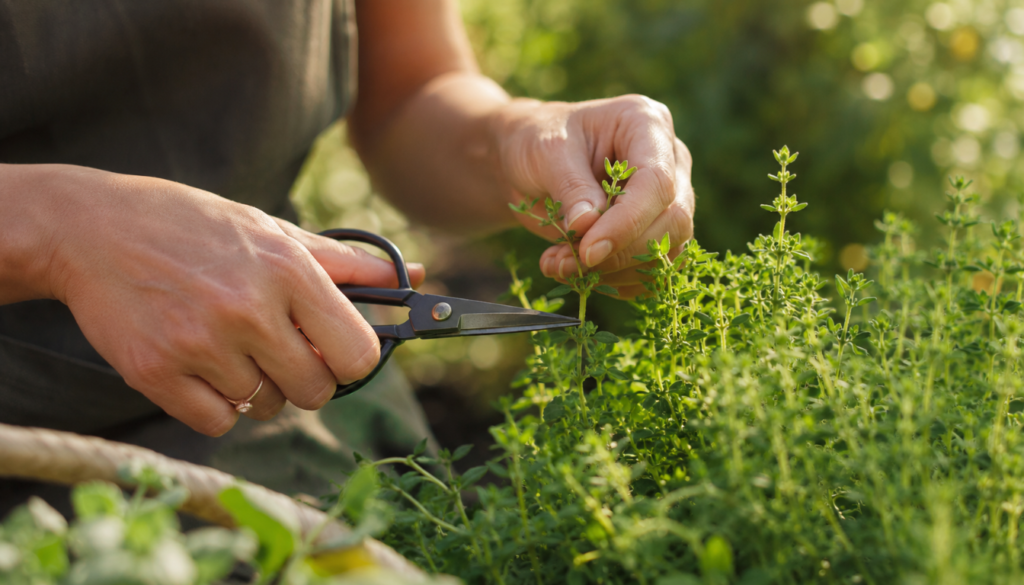
Timing matters. The best time to harvest is in the morning, after the dew has dried but before the heat of the day sets in. This is when essential oil concentrations are highest, which means more active compounds and better flavour in your remedies.
Use clean, sharp scissors or pruning shears to avoid crushing stems or introducing bacteria. Cut stems just above a leaf node. This encourages the plant to branch and keeps it productive. Never harvest more than one third of the plant at a time, as this can stress it and reduce future yields.
Dry harvested herbs by bundling them loosely and hanging them upside down in a cool, dark, well-ventilated space. Alternatively, spread them in a single layer on a drying rack. Once fully dry (usually 1–2 weeks), store in labelled airtight glass jars away from heat and light. Properly stored, dried herbs retain their potency for 12–18 months.
Practical Tips for Beginners
Start small. Choose three to five herbs that match your health priorities and growing conditions. Master those before expanding. A small, well-tended collection of five herbs is far more useful than a neglected garden of twenty.
Label everything. Many herbs look similar at the seedling stage. Label pots and beds clearly with the herb name and planting date. This also helps you track harvest times.
Keep a simple garden journal. Note when you planted, when you first harvested, what worked, and what didn’t. After one season, you will have a personalised guide that no book can match.
Be patient with perennials. Echinacea, valerian, and lemon balm may look slow in their first year as they establish roots. Do not give up on them, they will reward you generously from year two onwards.
Research before you use. Some herbs that are safe for most adults are not appropriate for pregnant women, people taking certain medications, or those with specific health conditions. Always check before using valerian, passionflower, sage, or any herb with known drug interactions.
By following these techniques, you can create a thriving herb garden that supports health naturally.
Integrating Medicinal Herbs into Daily Life
Herbal Teas and Infusions
One of the great rewards of growing medicinal herbs is how easily they fit into daily life. The simplest way to start is with a tea. Steep one to two teaspoons of fresh herbs (or one teaspoon of dried) in hot water for five to ten minutes, then strain and drink. Some popular and effective blends:
- Chamomile + lavender – Evening relaxation and sleep support
- Peppermint + ginger – Digestive comfort after meals
- Echinacea + elderberry – Immune support during winter months
- Lemon balm + passionflower – Anxiety and nervous tension relief
DIY Herbal Remedies
Once you are comfortable with your herbs, try simple preparations:
- Infused oil – Steep dried calendula or lavender in a carrier oil (such as sweet almond or olive oil) for four to six weeks. Use as a skin salve base.
- Salve or balm – Warm your infused oil and stir in melted beeswax at roughly a 5:1 ratio. Pour into tins and allow to set. Excellent for dry skin, minor cuts, and rashes.
- Tincture – Steep fresh or dried herbs in food-grade alcohol (vodka works well) for four to six weeks, then strain and bottle. A far more concentrated preparation than tea.
- Bath soak – Add a muslin bag of dried lavender, chamomile, and rosemary to a warm bath. Relaxing and good for skin health.
In the Kitchen
Many medicinal herbs are also culinary herbs. Fresh basil, rosemary, thyme, sage, and oregano add flavour and nutritional value to everyday meals. This is one of the easiest ways to build herbal medicine into daily life, not as a ritual or supplement, but simply as part of how you cook and eat.
Safety: What to Know Before You Start
Medicinal herbs are generally safe when used sensibly, but a few important principles apply:
- Pregnancy and breastfeeding: Avoid valerian, passionflower, sage (in large amounts), and many other herbs unless specifically approved by your midwife or doctor.
- Drug interactions: Some herbs interact with medications. Valerian can enhance the effect of sedatives. Echinacea may affect immunosuppressant drugs. St John’s Wort (not in the Top 15 but commonly grown) has well-documented interactions with antidepressants, contraceptives, and blood thinners.
- Allergies: Chamomile, calendula, and echinacea belong to the daisy (Asteraceae) family. People with ragweed or chrysanthemum allergies may react to these herbs.
- Children and older adults: Both groups may be more sensitive to herb effects and interactions. Always consult a healthcare professional before giving herbal preparations to children or combining them with multiple medications in older adults.
If you are unsure, check with your doctor or a qualified medical herbalist before starting any new herbal regimen.
Before You Go – Growing Medicinal Herbs
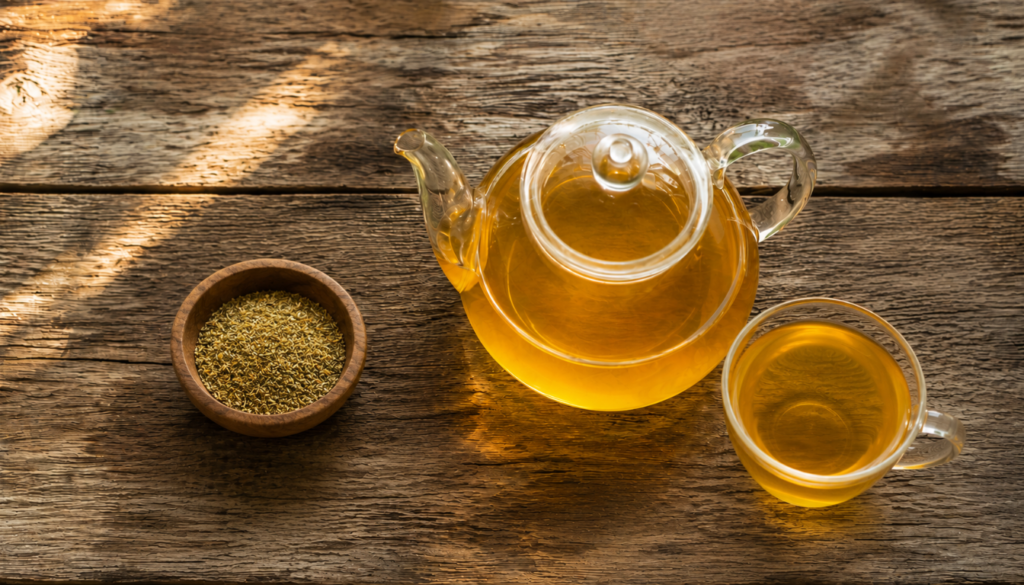
Growing medicinal herbs is a deeply practical and satisfying skill. You do not need a large garden, specialist knowledge, or expensive equipment to get started. You just need a few good plants, the right conditions, and the curiosity to learn as you go. Start with three or four herbs that address your most pressing health priorities, grow them well, harvest them thoughtfully, and build from there.
Over time, your garden will become one of the most useful and personal health resources you have. For more details on specific preparations, explore our guides on the herbprof.com.
References – Growing Medicinal Herbs
Little Herb Encyclopedia, by Jack Ritchason; N.D., Woodland Publishing Incorporated, 1995
The Ultimate Healing System, Course Manual, Copyright 1985, Don Lepore
Planetary Herbology, Michael Tierra, C.A., N.D., Lotus Press, 1988
Handbook of Medicinal Herbs, by James A. Duke, Pub. CRP Second Edition 2007
The Complete Medicinal Herbal, by Penelope Ody, Published by Dorling Kindersley
Related Articles
Top 5 Herbs That Repel Insects
Green Tea vs Herbal Tea: The Ultra Guide
Caffeinated Herbal Tea: The Caffeine Chronicles
Top 7 Healthy Caffeine-Free Herbal Teas
Frequently Asked Questions – Growing Medicinal Herbs
What are the easiest medicinal herbs to grow for beginners?
Lemon balm, peppermint, chamomile, and calendula are excellent starting points. They are forgiving, fast-growing, and useful for a wide range of everyday health needs. Lemon balm and mint in particular are almost impossible to kill. In fact, containing their spread is more often the challenge than keeping them alive.
Can I grow medicinal herbs indoors?
Yes. Many medicinal herbs grow well indoors as long as they have a bright, sunny windowsill, ideally south- or west-facing. Basil, lemon balm, chamomile, peppermint, and thyme all do well indoors. For herbs that need more light, a basic grow light can make a significant difference, especially in winter.
When is the best time to harvest medicinal herbs?
Harvest in the morning, after the dew has dried but before the midday heat. This is when essential oil concentrations are at their highest, which means more active compounds and better potency in your teas, tinctures, and remedies. For flowering herbs like chamomile and calendula, harvest when the flowers are fully open.
How do I dry and store herbs properly?
Bundle herbs loosely and hang them upside down in a cool, dark, well-ventilated space, or spread them on a drying rack. Once fully dry, usually one to two weeks, store them in labelled airtight glass jars away from heat and direct light. Properly stored, most dried herbs stay potent for 12 to 18 months.
Is it safe to use homegrown herbs as remedies?
For most healthy adults, yes, when used sensibly. However, some herbs are not suitable during pregnancy or for people taking certain medications. Always research an herb before using it medicinally, and consult your doctor if you have any existing health conditions.
Do medicinal herbs interact with prescription medications?
Some do. Valerian can enhance sedatives, and echinacea may affect immunosuppressant drugs. If you take any regular prescription medication, check with your doctor or pharmacist before adding a new herb to your routine.
How is a herbal tea different from a tincture?
A herbal tea steeps herbs in hot water, mild and ideal for everyday use. A tincture steeps herbs in alcohol over several weeks, producing a much stronger, more concentrated preparation taken in small doses.
Why are my herbs not growing well?
The most common causes are overwatering, insufficient light, and poor drainage. Check these three things first. Most herb failures trace back to too much water rather than too little.