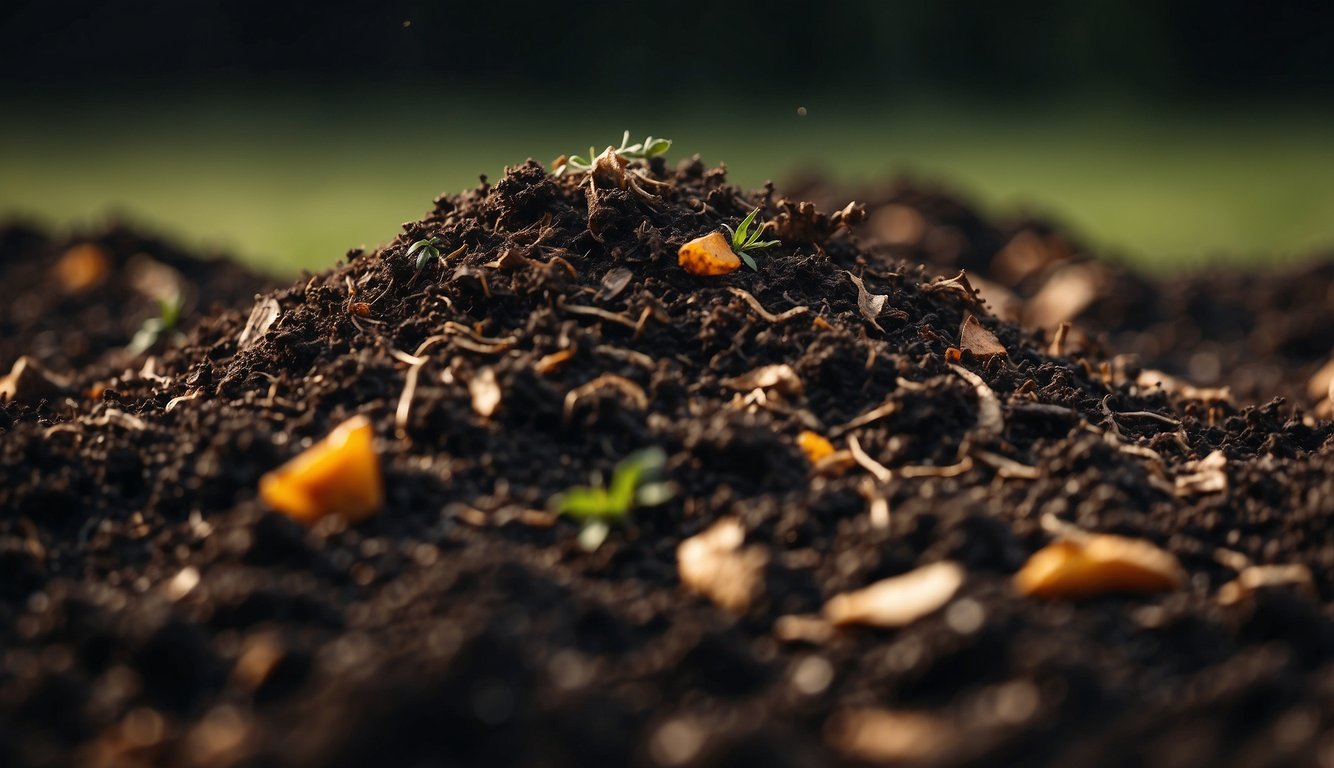
Composting is a natural process that turns organic waste into nutrient-rich material that can be used to fertilize plants and improve soil health. But how much time does it actually take for compost to fully break down? Composting can be done both at home and on a larger scale, offering an eco-friendly solution for disposing of food scraps, yard waste, and other organic matter.
One of the most common questions that people have about composting is how long it takes for compost to break down. The answer to this question depends on a variety of factors, including the type of organic matter being composted, the size and shape of the compost pile or bin, the temperature and moisture levels of the composting material, and the presence of microorganisms that aid in the decomposition process.
In general, it can take anywhere from a few weeks to several months for compost to break down completely. However, there are ways to speed up the process and ensure that your compost is ready to use in a shorter amount of time.
Understanding Composting Basics – How Long Does It Take for Compost to Break Down?
What Is Composting?
Composting is the process of breaking down organic matter into a nutrient-rich soil amendment. This process occurs naturally in nature, but it can also be done intentionally in a compost bin or pile. Composting is an environmentally friendly way to dispose of organic waste, such as food scraps, yard waste, and paper products.
The Role of Organic Matter – How Long Does It Take for Compost to Break Down?
Organic matter is the key ingredient in composting. It includes any material that was once alive, such as leaves, grass clippings, food waste, and wood chips. Organic matter provides the food source for the bacteria and microorganisms that break down the material into compost. It also helps to aerate the compost pile and retain moisture.
Composting Process Overview
The composting process involves four main stages:
- Initial Breakdown: In this stage, bacteria and microorganisms begin to break down the organic matter, producing heat as a byproduct. This stage can last anywhere from a few days to a few weeks, depending on the size of the compost pile and the materials used.
- Active Decomposition: During this stage, the temperature of the compost pile rises as more bacteria and microorganisms begin to break down the organic matter. This stage can last several weeks to several months, depending on the conditions of the compost pile.
- Curing: In this stage, the compost pile is left to sit and cure for several months to a year. During this time, the remaining organic matter breaks down into a stable, nutrient-rich soil amendment.
- Screening: The final stage involves sifting the compost to remove any large pieces of organic matter that have not fully broken down. The resulting compost can then be used in gardens, landscaping, or as a soil amendment.
Factors Influencing Compost Breakdown
Several factors influence how compost breaks down, including carbon and nitrogen balance, moisture and oxygen levels, temperature conditions, and compost pile size and surface area. In this section, I will discuss each factor in detail.
Carbon and Nitrogen Balance
Carbon and nitrogen drive the composting process. Carbon-rich materials such as leaves, straw, and wood chips supply energy for microorganisms, while nitrogen-rich materials such as grass clippings, food scraps, and manure supply nutrients.
Maintain a carbon-to-nitrogen (C) ratio of 25–30:1 for efficient composting. When the C ratio rises too high, decomposition slows. When the ratio drops too low, the pile smells bad and attracts pests.
Moisture and Oxygen Levels – How Long Does It Take for Compost to Break Down?
Moisture and oxygen directly affect compost breakdown. Microorganisms need moisture to survive, and the ideal level is 50–60%. Dry piles slow decomposition, while wet piles turn anaerobic and produce foul odors.
Oxygen also fuels the composting process. Aerobic microorganisms need oxygen to break down organic matter efficiently. Turn the pile regularly to maintain oxygen levels and distribute moisture evenly.
Temperature Conditions
Temperature plays a vital role in compost breakdown. The composting process generates heat, and temperatures can reach 160°F (71°C). At this level, the pile destroys harmful pathogens and weed seeds while speeding up decomposition. Excessive heat dries the pile and kills microorganisms. Low temperatures slow decomposition and reduce efficiency.
Compost Pile Size and Surface Area
The size and surface area of the compost pile also affect compost breakdown. A pile that is too small may not generate enough heat to break down the organic matter efficiently. Conversely, a pile that is too large may not allow adequate airflow, leading to anaerobic conditions.
The ideal compost pile size is between 3-5 feet (0.9-1.5 meters) in height and width. Additionally, the surface area of the pile should be kept to a minimum to reduce moisture loss and increase heat retention.
Composting Materials – How Long Does It Take for Compost to Break Down?
To make compost, you need to collect organic materials that will break down over time. These materials are divided into two categories: green and brown.
Green and Brown Materials
Green materials are high in nitrogen and include items such as grass clippings, kitchen scraps, and fresh leaves. Brown materials are high in carbon and include items such as paper, wood chips, and sawdust.
It is important to have a good balance of both green and brown materials in your compost pile. A ratio of 2:1 (browns to greens) is recommended. This will ensure that your compost pile has enough nitrogen to break down the carbon-rich materials.
Items to Avoid in Compost
While most organic materials can be composted, there are a few items that should be avoided. These include dairy products, meat, and bones. These items can attract pests and create unpleasant odors in your compost pile.
It is also important to avoid adding any materials that have been treated with chemicals, such as pesticides or herbicides. These chemicals can kill the beneficial bacteria that break down the organic matter in your compost pile.
Stages of Compost Development – How Long Does It Take for Compost to Break Down?
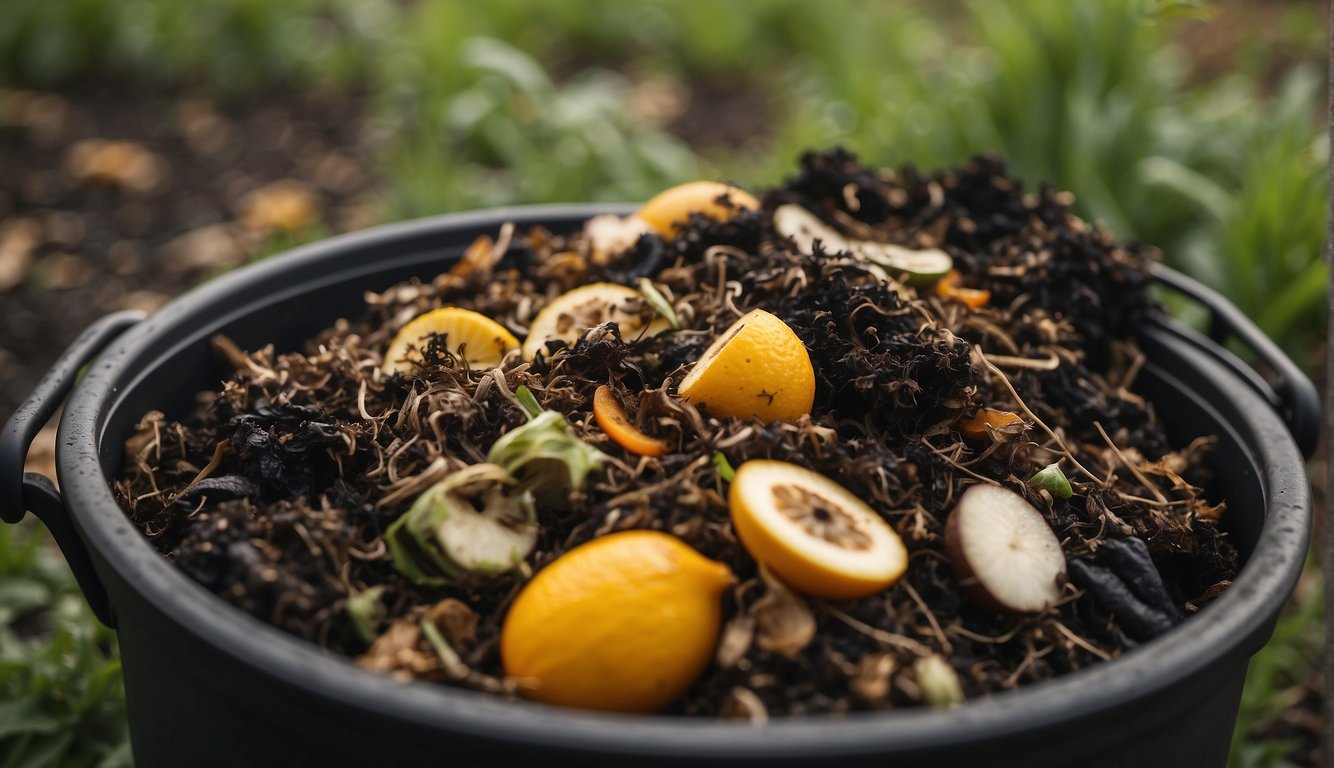
The process of composting can be broken down into three distinct stages: the Mesophilic Phase, the Thermophilic Phase, and the Cooling and Maturation Phase.
Mesophilic Phase
The Mesophilic Phase is the first stage of composting, where the decomposition process starts. During this stage, the organic matter is broken down by mesophilic bacteria, which thrive in temperatures ranging from 68°F to 113°F (20°C to 45°C). In this stage, the temperature of the compost pile will rise to around 100°F (38°C) as the bacteria start to break down the organic matter. This phase typically lasts for a few days to a week.
Thermophilic Phase – How Long Does It Take for Compost to Break Down?
The Thermophilic Phase is the second stage of composting, where the temperature of the compost pile rises to around 140°F to 160°F (60°C to 71°C) due to the activity of thermophilic bacteria. The high temperature helps to kill off any weed seeds and pathogens that may be present in the compost pile. This stage can last for several weeks to a few months, depending on the size of the compost pile and the materials used.
Cooling and Maturation Phase
The Cooling and Maturation Phase is the final stage of composting, where the temperature of the compost pile starts to cool down.
The compost pile is left to mature and stabilize for a few weeks to several months, depending on the type of materials used and the desired quality of the finished compost. During this stage, the compost pile is turned periodically to ensure that it is well-aerated and to promote the growth of beneficial microorganisms.
Composting Methods and Equipment
In this section, I will discuss some of the most popular composting methods and equipment to help you get started.
How Long Does It Take for Compost to Break Down? – Compost Bins and Tumblers
Compost bins and tumblers are two of the most popular composting methods used by gardeners. Compost bins are stationary containers that allow you to add organic waste, such as kitchen scraps and yard waste, to create compost. On the other hand, compost tumblers are rotating containers that allow you to mix the compost easily and speed up the composting process.
When choosing between a compost bin and a tumbler, it is essential to consider the amount of waste you generate and the space you have available. Compost bins are ideal for larger gardens and yards, while compost tumblers are perfect for smaller spaces.
Hot Composting Techniques
Hot composting is a technique that uses heat to speed up the composting process. This method involves layering organic waste materials and adding water to create a moist environment. The compost pile is then turned regularly to aerate it and promote decomposition.
Hot composting can take as little as a few weeks or as long as several months to produce finished compost. To ensure that your hot composting is successful, it is essential to maintain the right temperature and moisture levels. The ideal temperature for hot composting is between 120 and 160 degrees Fahrenheit. It is also crucial to keep the compost pile moist but not wet.
Vermicomposting with Worms
Vermicomposting is a method that uses worms to break down organic waste and create compost. This technique involves creating a worm bin and adding organic waste, such as kitchen scraps, to the bin.
The worms will consume the waste and produce nutrient-rich compost. Vermicomposting is an excellent option for those with limited space, as the worm bin can be kept indoors or outdoors. It is also a great option for those who want to compost year-round.
Optimizing the Composting Process – How Long Does It Take for Compost to Break Down?
Composting is a natural process that can take anywhere from a few weeks to a year, depending on various factors. However, there are ways to speed up the process and optimize it for maximum efficiency. In this section, I will discuss some tips and techniques that can help you achieve faster and better composting results.
Adjusting Moisture and Aeration
The right balance of moisture and aeration is essential for optimal composting. If the compost pile is too wet, it can become anaerobic, which means that there is not enough oxygen for the microbes to thrive. On the other hand, if the pile is too dry, the microbes will not be able to break down the organic matter effectively.
To ensure the right moisture level, you should aim for a compost pile that is about as moist as a wrung-out sponge. You can achieve this by adding water to the pile as needed. Additionally, you should turn the pile regularly to provide enough oxygen for the microbes to breathe. This will also help distribute the moisture evenly throughout the pile.
Turning the Compost Pile
Regular turning of the compost pile is crucial for maintaining optimal microbial activity and oxygen availability. Turning the pile every few days will help aerate the compost and prevent it from becoming too compacted.
This will also help to distribute the heat evenly throughout the pile, which is important for breaking down the organic matter effectively.
When turning the compost pile, you should use a pitchfork or a compost aerator to avoid disturbing the beneficial microbes living in the pile. You should also avoid turning the pile too often, as this can disrupt the natural process of composting.
Using Compost Activators
Compost activators are organic materials that can help speed up the composting process by providing a rich source of beneficial microbes and nutrients. Some common examples of compost activators include manure, grass clippings, and kitchen scraps.
Adding compost activators to your compost pile can help jumpstart the microbial activity and speed up the decomposition process. However, it is important to use them in moderation, as too much can upset the balance of the compost pile and lead to an overgrowth of certain microbes.
Assessing Compost Maturity – How Long Does It Take for Compost to Break Down?
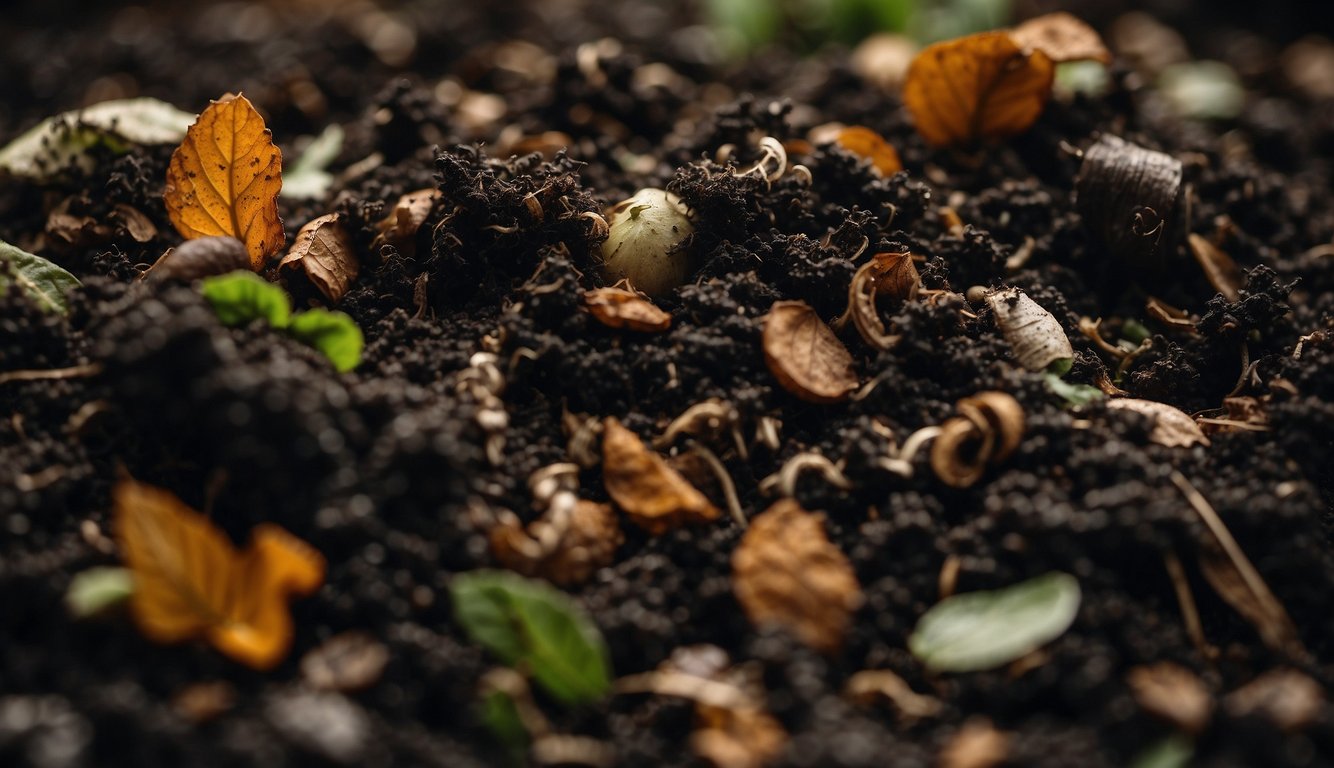
As a gardener, it is important to know when your compost is ready to use. Compost that is not mature enough can harm your plants, while over-mature compost can lose some of its nutrients. Here are some ways to assess the maturity of your compost.
Visual and Tactile Indicators
One of the most reliable ways to tell if your compost is mature is by its appearance and texture. Mature compost is crumbly and dark brown, with a soil-like texture. You should not be able to recognize any of the original materials. If you can still see recognizable bits of food or plant matter, it is not mature yet.
Odor and Temperature Tests
Another way to tell if your compost is mature is by its smell and temperature. Mature compost should have a pleasant, earthy smell. If it smells sour or rotten, it is not mature yet. Additionally, the temperature of your compost can indicate its maturity. When compost is actively decomposing, it generates heat. A mature compost pile will be cool to the touch.
Using Finished Compost – How Long Does It Take for Compost to Break Down?
Once your compost has fully broken down, you can use it in a variety of ways to improve your garden and landscaping. Here are some ways to use finished compost:
In Gardens and Landscaping
Finished compost makes an excellent fertilizer for gardens and landscaping. Spread a layer of compost over your garden beds or mix it into the soil before planting. The nutrients in the compost will help your plants grow strong and healthy.
You can also use compost as a top dressing for your lawn. Spread a thin layer of compost over your lawn and water it in. The compost will help improve the soil structure and provide nutrients to the grass.
As Potting Soil or Mulch
You can also use finished compost as potting soil or mulch for your plants. Mix equal parts of compost, vermiculite, and topsoil to create a nutrient-rich potting mix. This mix is perfect for starting seeds or potting up young plants.
Alternatively, you can use finished compost as a mulch around your plants. Spread a layer of compost around the base of your plants to help retain moisture and suppress weeds. As the compost breaks down, it will release nutrients into the soil, providing a slow-release fertilizer for your plants.
Environmental Impact and Benefits
As I mentioned earlier, composting is an eco-friendly and sustainable way of managing organic waste. In addition to reducing the amount of waste that ends up in landfills, composting has several environmental benefits that can help create healthier plants and soil.
Reducing Waste and Landfill Use
Food waste is a significant contributor to landfills, where it breaks down anaerobically and produces methane, a potent greenhouse gas. Composting diverts food waste from landfills, reducing the amount of methane produced and the need for additional landfill space.
According to the United States Environmental Protection Agency (EPA), composting can reduce the amount of organic waste sent to landfills by up to 30 percent. By composting, we can reduce our carbon footprint and help mitigate climate change.
Creating Healthier Plants and Soil
Composting provides a valuable source of organic material that can improve soil health and fertility. Compost is rich in nutrients, including nitrogen, phosphorus, and potassium, that plants need to grow.
Compost also helps soil retain moisture, reducing the need for irrigation and conserving water. By increasing soil health and fertility, composting can help reduce the need for synthetic fertilizers and pesticides, which can have negative environmental impacts.
Before You Go – How Long Does It Take for Compost to Break Down?
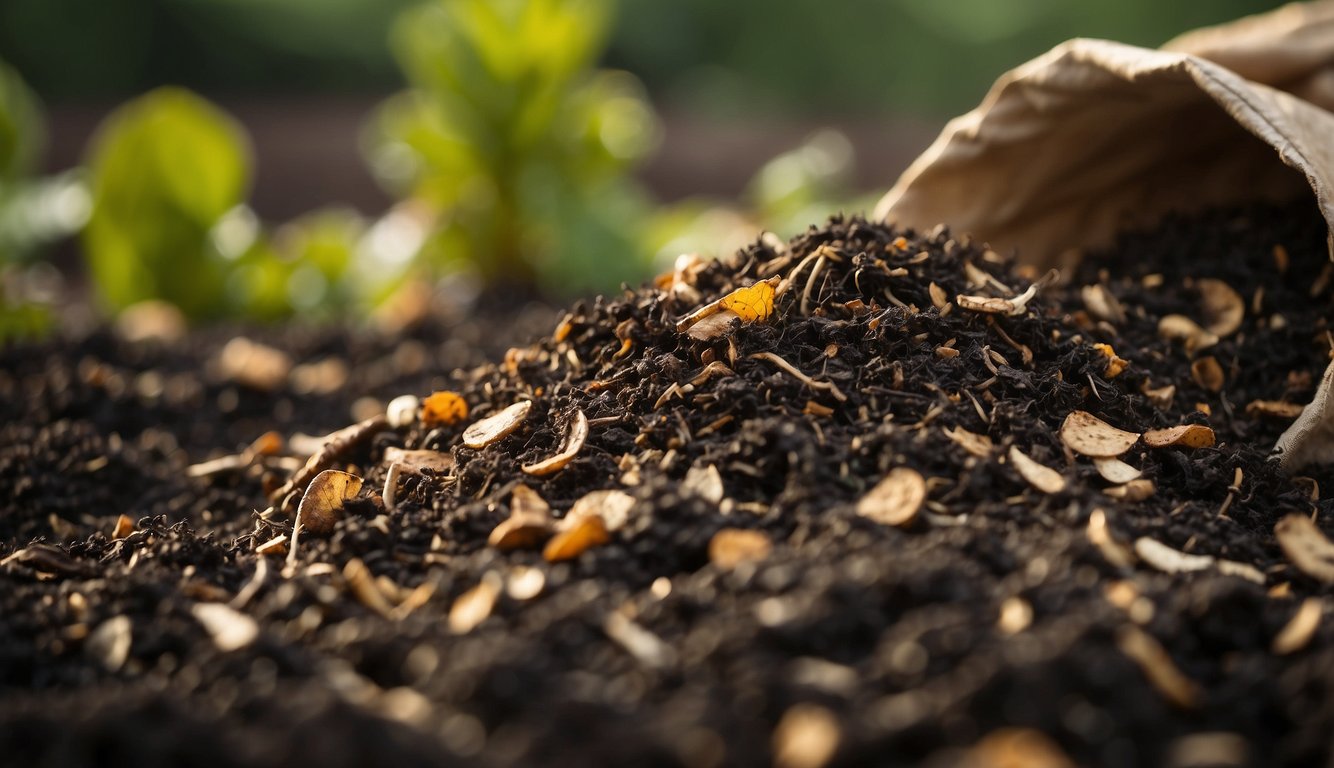
Composting is a journey of patience and care, but the rewards are worth every step. Whether your pile takes a few months or a year to fully mature, the process transforms kitchen scraps and garden waste into nutrient-rich soil that fuels healthy plants.
Before you wrap up, remember: balance greens and browns, keep the pile moist but not soggy, and turn it regularly to speed up decomposition. Pay attention to temperature and airflow, and don’t worry if the process feels slow. Nature works at its own pace. With consistency, you’ll create compost that enriches your garden and closes the loop on waste.
Don’t forget to add theherbprof.com homepage to your favourites so you don’t miss out on future articles!
References – How Long Does It Take for Compost to Break Down?
Little Herb Encyclopedia, by Jack Ritchason; N.D., Woodland Publishing Incorporated, 1995
The Ultimate Healing System, Course Manual, Copyright 1985, Don Lepore
Planetary Herbology, Michael Tierra, C.A., N.D., Lotus Press, 1988
Handbook of Medicinal Herbs, by James A. Duke, Pub. CRP Second Edition 2007
The Complete Medicinal Herbal, by Penelope Ody, Published by Dorling Kindersley
Check the Following Articles
Best Cut Flowers to Grow: Top Picks for a Beautiful Bouquet
Peppermint Plants Indoors: Tips for Growing and Care
Bugs Eating My Cucumber Plants: Causes and Solutions
Caring for a Meyer Lemon Tree: Tips and Tricks
Frequently Asked Questions – How Long Does It Take for Compost to Break Down?
What factors affect the decomposition rate in a composting system?
Pile size, carbon-to-nitrogen ratio, temperature, moisture, and oxygen all influence how fast compost breaks down. Small or oversized piles fail to heat properly, and piles that are too wet or dry slow microbial activity.
What materials should not be included in a compost pile?
You can compost many organic materials, but you should avoid some. Meat, dairy products, and oily foods attract pests and slow decomposition. Pet waste, diseased plants, and weed seeds introduce harmful pathogens or unwanted seeds into the compost, so exclude them.
What is the typical time frame for compost to transform into usable soil?
The time compost needs to transform into usable soil varies widely depending on pile conditions. In general, compost breaks down into a usable soil amendment within two to six months. This time frame shortens or lengthens depending on temperature, moisture level, and the carbon-to-nitrogen ratio.
What techniques can be employed to expedite the composting process?
You can speed up composting by shredding or chopping organic material into smaller pieces. Turn the compost pile regularly to add oxygen and mix the materials. Maintain a proper balance of carbon- and nitrogen-rich materials. Add compost activators or inoculants to accelerate the process further.
How can you ascertain when compost is mature and ready to use?
Mature compost looks dark, feels crumbly, and smells pleasantly earthy. It no longer resembles the original materials. To test maturity, place a handful in a plastic bag and seal it for a few days. If condensation forms inside the bag, the compost still needs more time.
What are the consequences of applying immature compost to plants?
Immature compost contains high levels of organic acids and ammonia that harm plants. It may also carry weed seeds and harmful pathogens that disrupt plant growth. Using immature compost often results in stunted growth, yellowing leaves, and poor yields. Always ensure compost reaches maturity before applying it as a soil amendment.