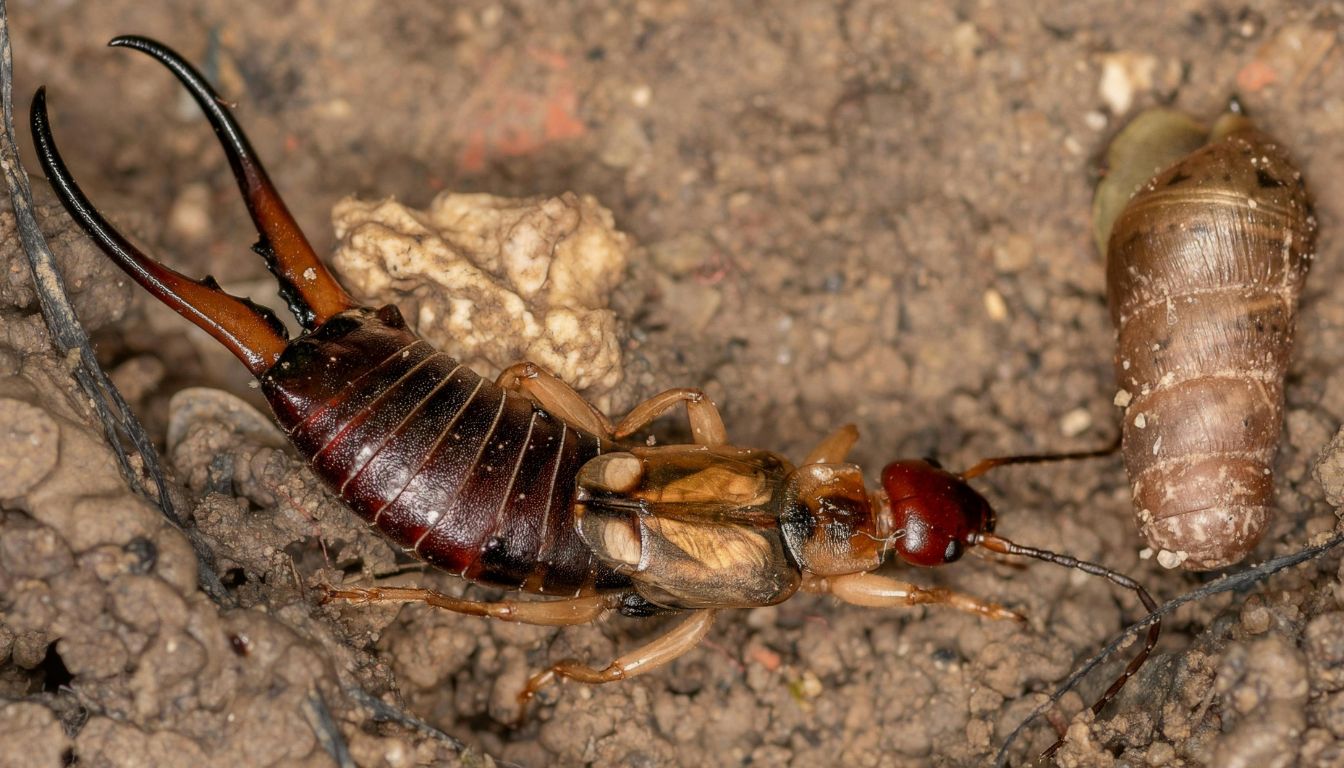
Earwigs invade many homes and gardens as common pests. These insects use their distinctive pincers for defense and to capture prey. They do not harm humans, but they damage plants and vegetables in gardens. They also create a nuisance inside the home. In this article, I’ll share tips on how to stop earwigs from invading your home and garden.
Seal cracks or gaps in doors, windows, and walls to prevent earwigs from entering your home. Because earwigs are small, they slip through even the tiniest openings. Close these gaps to block their access. Apply caulking, weather stripping, or other sealing materials to keep them outside.
Reduce moisture in and around your home to discourage earwigs. Since they seek damp, dark areas, keep your home and yard dry. Repair leaky pipes or faucets, and direct water away from your foundation. In the garden, avoid overwatering plants and ensure proper soil drainage. These steps make your home and garden less attractive to earwigs.
Understanding Earwigs – How to Stop Earwigs?
I know how frustrating it can be to find earwigs in your garden. Earwigs are insects that belong to the order Dermaptera and are commonly known for their pincers. In this section, I will provide a brief overview of earwigs, including their species and identification, habitat and behavior, and signs of an earwig infestation.
Species and Identification
There are over 1,800 species of earwigs, and they can be found all over the world. The most common species of earwig in North America is the European earwig. Earwigs are typically dark brown or black in color and have a long, slender body. They are easily identifiable by their distinctive pincers, which are located at the end of their abdomen.
Habitat and Behavior – How to Stop Earwigs?
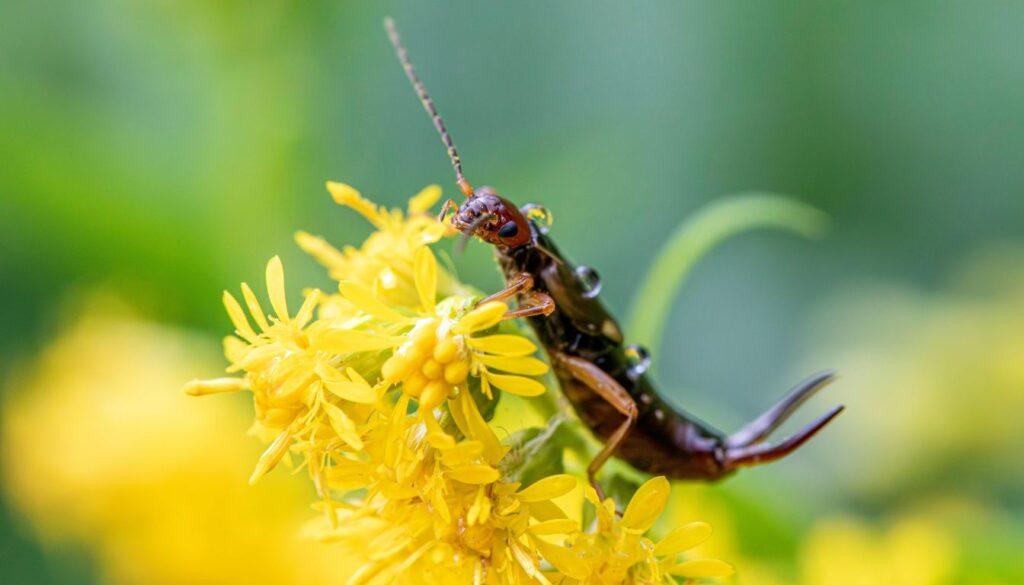
Earwigs are nocturnal insects that prefer to live in dark, moist environments. They are commonly found in gardens, under rocks, and in other damp areas. Earwigs are also attracted to light and may be found near porch lights or streetlights at night.
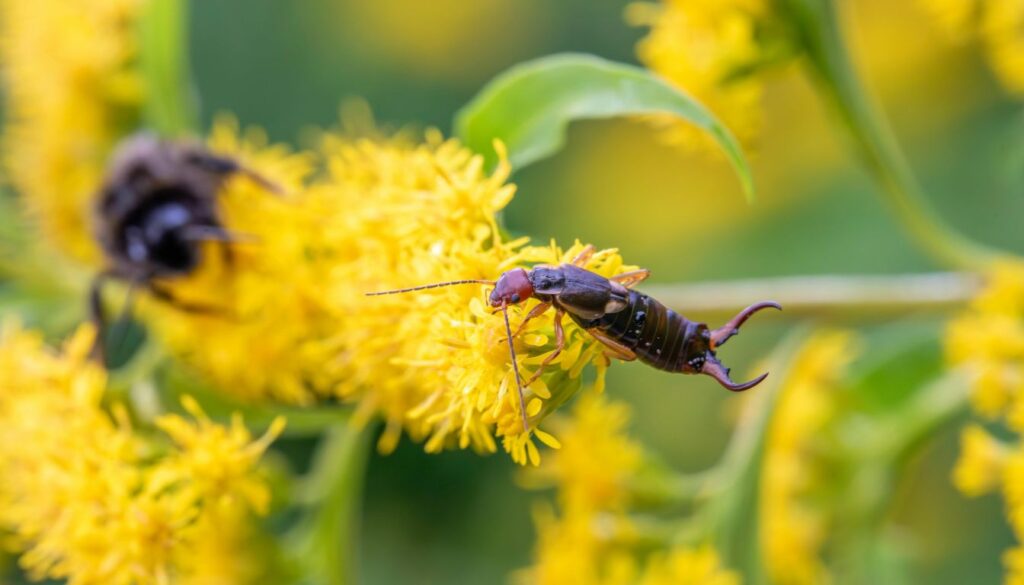
Earwigs are not harmful to humans, but they can be a nuisance in the garden. They feed on a variety of plants, including fruits, vegetables, and flowers. Earwigs are also known to eat other insects, which can be beneficial in the garden.
Signs of an Earwig Infestation
If you suspect that you have an earwig infestation, there are a few signs to look out for. Earwigs leave behind small holes in leaves and flowers, and they may also eat the petals off of flowers. You may also notice damage to fruits and vegetables, such as small holes or bite marks.
Another sign of an earwig infestation is the presence of earwigs themselves. Earwigs are typically active at night, so you may not see them during the day. However, if you notice earwigs crawling around your garden or on your porch at night, you may have an infestation.
Earwigs have a waxy coat that protects them from moisture loss and helps them regulate their body temperature. They also have wings, but are not strong fliers. Earwigs use their pincers for defense and to capture prey.
Preventive Measures – How to Stop Earwigs?
As the saying goes, prevention beats cure. Take these preventive measures to stop earwigs from infesting your home and garden.
Securing the Home Environment
Earwigs enter homes through cracks and crevices in the foundation, baseboards, and screens. Seal openings around your home with caulk or weather stripping to block them. Install screens on doors and windows to keep earwigs out. Set up light traps to attract earwigs and dispose of them afterwards.
Garden and Yard Maintenance
Earwigs thrive in damp and dark environments, so it’s important to keep your garden and yard clean and dry. Remove any piles of mulch, dead leaves, or other vegetation that may attract earwigs. Regularly trim trees and shrubs to eliminate shady areas, especially near the house.
Natural Predators and Biological Controls – How to Stop Earwigs?
Birds and other predators can help control earwig populations. You can attract these predators to your garden by providing nesting boxes and bird feeders. Additionally, you can use biological controls, such as nematodes and parasitic wasps, to reduce earwig populations.
By implementing these preventive measures, you can significantly reduce the likelihood of earwig infestations in your home and garden.
Physical Removal and Traps – How to Stop Earwigs?
Remove earwigs physically by setting traps, vacuuming, or manual removal. Use these effective methods to get rid of earwigs with physical removal and traps:
Setting Up Traps
Set up earwig traps with household items. Fill a bucket with soapy water and place it in areas where earwigs gather. Earwigs crawl into the bucket and fall in, unable to climb out. Create another trap with a plastic container and newspaper. Roll up the newspaper, place it inside the container, and leave space around the edges. Earwigs crawl into the newspaper, and you can dispose of them afterward.
Use light traps and glue traps to catch earwigs. Light traps attract earwigs to a light source and trap them in a sticky substance. Glue traps work the same way, drawing earwigs to the trap and holding them in the glue.
Vacuuming and Manual Removal – How to Stop Earwigs?
Vacuuming is an effective way to remove earwigs from your home. Use a vacuum cleaner with a hose attachment to suck up earwigs from corners, crevices, and other areas where they may be hiding. Be sure to dispose of the vacuum bag or canister promptly to prevent the earwigs from escaping.
Manual removal can also be effective, especially for smaller infestations. Wear gloves and use a damp cloth to catch and remove earwigs from your home. Be sure to dispose of the earwigs promptly to prevent them from returning.
Overall, physical removal and traps can be effective ways to get rid of earwigs. By setting up traps and using vacuuming and manual removal, you can reduce the number of earwigs in your home and prevent them from causing damage to your plants and other belongings.
Chemical and Natural Insecticides – How to Stop Earwigs?
Earwigs can be controlled using insecticides, both chemical and natural. While chemical insecticides are effective, they can also be harmful to the environment and humans, especially if not used safely. Therefore, it’s important to use them only as a last resort and follow the instructions carefully.
Using Insecticides Safely
When using insecticides, it’s important to wear protective clothing such as gloves, long-sleeved shirts, and pants. You should also avoid spraying on windy days to prevent the chemicals from drifting to unwanted areas. Furthermore, be sure to follow the instructions on the label and use the recommended amount of insecticide.
Some of the commonly used insecticides for earwig control include boric acid, diatomaceous earth, and pyrethroids. Boric acid is a stomach poison that is effective in killing earwigs when ingested. Diatomaceous earth is a natural insecticide that is made from the fossilized remains of diatoms. It works by dehydrating the earwigs and causing them to die. Pyrethroids are synthetic insecticides that are effective in killing earwigs on contact.
Homemade and Natural Solutions – How to Stop Earwigs?
If you prefer a more natural approach, you can use homemade solutions or natural insecticides. One of the most effective natural insecticides is rubbing alcohol, which can be mixed with water and sprayed directly on the earwigs. Soap and water are another effective solution that can be used to suffocate the earwigs.
Food-grade diatomaceous earth and boric acid powder are also effective natural insecticides that can be used to control earwigs. These can be sprinkled around the areas where earwigs are present.
Another natural solution is a homemade bug spray made from olive oil and soy sauce. This can be mixed and placed in a container to attract and trap the earwigs.
Overall, using insecticides can be an effective way to control earwigs, but it’s important to use them safely and as a last resort. Natural solutions can also be effective and are a safer alternative to chemical insecticides.
Environmental Control – How to Stop Earwigs?
As earwigs prefer moist environments, reducing moisture levels around your home is an effective way to control their population. Here are a few ways to reduce moisture levels:
Moisture Reduction
- Fix leaky pipes and faucets to avoid excess moisture buildup.
- Use a dehumidifier in damp areas such as basements and attics to reduce humidity levels.
- Ensure that gutters and downspouts are clear and functioning properly to avoid water accumulation around your home’s foundation.
Decluttering and Sanitation – How to Stop Earwigs?
Earwigs are attracted to cluttered and unsanitary areas as they provide ample hiding spots. Here are a few ways to declutter and maintain sanitation:
- Remove wood piles and debris from around your home, as they provide shelter for earwigs.
- Rake and dispose of dead leaves, leaf litter, and leaf piles around your home, as they can harbor moisture and provide hiding spots for earwigs.
- Keep your yard and garden free of debris and clutter.
- Clear rocks and other debris from the perimeter of your home, as they can provide hiding spots for earwigs.
By following these simple steps, you can significantly reduce the moisture levels and clutter around your home, making it less hospitable for earwigs.
Professional Pest Control – How to Stop Earwigs?
When dealing with a severe earwig infestation, you may need to call in the experts. Exterminators or professional pest control services like Orkin provide effective solutions that eliminate earwigs from your home.
When to Call the Experts
If you have tried DIY methods to get rid of earwigs but the infestation persists, it may be time to call in the professionals. Here are some signs that you should consider contacting a pest control service:
- The earwig population is growing rapidly, and you cannot keep up with the infestation
- You are finding earwigs in multiple areas of your home, including hard-to-reach places like inside walls or in crawl spaces
- You have tried several DIY methods without success
- You are dealing with an allergic reaction to earwig bites
Professional pest control services can offer a range of solutions for earwig infestations, including chemical treatments, traps, and preventative measures. Before hiring a pest control service, be sure to do your research and choose a reputable company with experience in treating earwig infestations.
While DIY methods can be effective for controlling earwig populations, severe infestations may require the help of professional pest control services. By recognizing the signs that it’s time to call in the experts, you can ensure that your home is free from earwig infestations and the potential health risks they pose.
Aftercare and Monitoring – How to Stop Earwigs?
As important as it is to get rid of earwigs, it is equally important to ensure they don’t return. Here are some aftercare and monitoring tips to help you keep your home and garden earwig-free.
Regular Inspections
Regular inspections are vital to ensure that the earwigs stay away. Check your home and garden for any signs of earwig infestation. Look for earwig nests in damp areas, under piles of leaves, and in any other dark, moist places. Check window screen holes, shrubs, and any other areas where earwigs may be hiding. Seal any gaps or cracks in your home’s foundation with caulk to prevent earwigs from entering.
Ongoing Prevention Strategies
Prevention is key when it comes to keeping earwigs at bay. Here are some ongoing prevention strategies to consider:
- Keep your home and garden clean and tidy to eliminate any potential hiding spots for earwigs.
- Vacuum regularly to remove any earwigs that may have found their way inside.
- Remove any bird feeders, bird baths, or birdhouses that may be attracting earwigs to your garden.
- Position outdoor lights away from your home to prevent earwigs from being attracted to the light and entering your home.
- Consider using a foul smell to repel earwigs. Some people have found success with using a mixture of vinegar and water or a citrus-based cleaner around their home and garden.
- Hire a professional pest control service to provide ongoing monitoring and maintenance to ensure long-term control.
By following these aftercare and monitoring tips, you can keep your home and garden earwig-free. Remember to stay vigilant and take action at the first sign of an earwig infestation.
Before You Go – How to Stop Earwigs?
Stopping earwigs doesn’t require harsh pesticides; it requires a strategy. These nocturnal pests thrive in damp, dark environments; therefore, reducing moisture, clearing debris, and sealing entry points can make your home and garden less inviting to them.
Before you wrap up your pest-control plan, consider layering your defenses. Combine physical barriers, DIY traps, and natural repellents like diatomaceous earth or neem oil for a well-rounded approach. With consistent effort and a few clever tricks, you can keep earwigs out and your plants thriving.
Don’t forget to add theherbprof.com homepage to your favourites so you don’t miss out on future articles!
References – How to Stop Earwigs?
Little Herb Encyclopedia, by Jack Ritchason; N.D., Woodland Publishing Incorporated, 1995
The Ultimate Healing System, Course Manual, Copyright 1985, Don Lepore
Planetary Herbology, Michael Tierra, C.A., N.D., Lotus Press, 1988
Handbook of Medicinal Herbs, by James A. Duke, Pub. CRP Second Edition 2007
The Complete Medicinal Herbal, by Penelope Ody, Published by Dorling Kindersley
Check the Following Articles
Grow Carrots in Containers: Tips for The Best Harvest
Christmas Cactus Cuttings: Propagate & Grow Them Now!
How to Make Seed Bombs: A Step-by-Step Guide
How to Grow Potatoes in a Bucket: A Step-by-Step Guide
Frequently Asked Questions – How to Stop Earwigs?
What natural methods can prevent earwig infestations?
Prevent earwig infestations by removing their hiding places. Earwigs hide in dark, damp spots such as piles of leaves, mulch, and wood. Rake up debris and keep your yard clean and dry. Sprinkle diatomaceous earth, a natural powder, around your home and garden to deter earwigs.
What steps can I take to eliminate earwigs from my home?
Eliminate earwigs by using insecticides or traps. Apply insecticides containing Sevin, malathion, or pyrethrins to kill them. Set sticky traps or rolled‑up newspapers in basements, bathrooms, and kitchens where earwigs gather.
How can I quickly remove earwigs from my living spaces?
Remove earwigs quickly with a vacuum cleaner. Vacuum them up and dispose of the bag or contents outside. Spray them directly with soapy water to kill them on contact.
Why are earwigs frequently found indoors, and what does it indicate?
Earwigs enter homes because they seek dark, damp places. They crawl inside through cracks and crevices in foundations, doors, and windows. Finding earwigs indoors does not always mean an infestation, but it signals the need to seal entry points.
What measures can protect my plants from earwig damage?
Protect plants by placing copper tape around their base as a barrier. Trap earwigs with rolled‑up newspapers or shallow containers filled with vegetable oil. Position traps near plants to catch them.
What are effective strategies to deter earwigs from my garden?
Deter earwigs by clearing piles of leaves and wood that provide shelter. Spread diatomaceous earth around your garden to repel them. Plant herbs such as basil, mint, and rosemary to keep earwigs away.