
The Herb Prof Team researches and writes our herbal guides, drawing on published research, traditional herbal references, and hands-on growing experience.
Milk Thistle Tincture Recipe is the perfect starting point if you want to make your own potent liver‑supportive extract at home. Milk thistle is one of the most widely used herbs for liver support because of its active complex, silymarin, which has antioxidant and hepatoprotective properties. A tincture is one of the most concentrated and convenient ways to use this herb.
In this guide, you’ll learn what milk thistle tincture is and how it might support your liver and overall health. You’ll also see how to make a simple, effective tincture step by step.
What Is Milk Thistle Tincture?
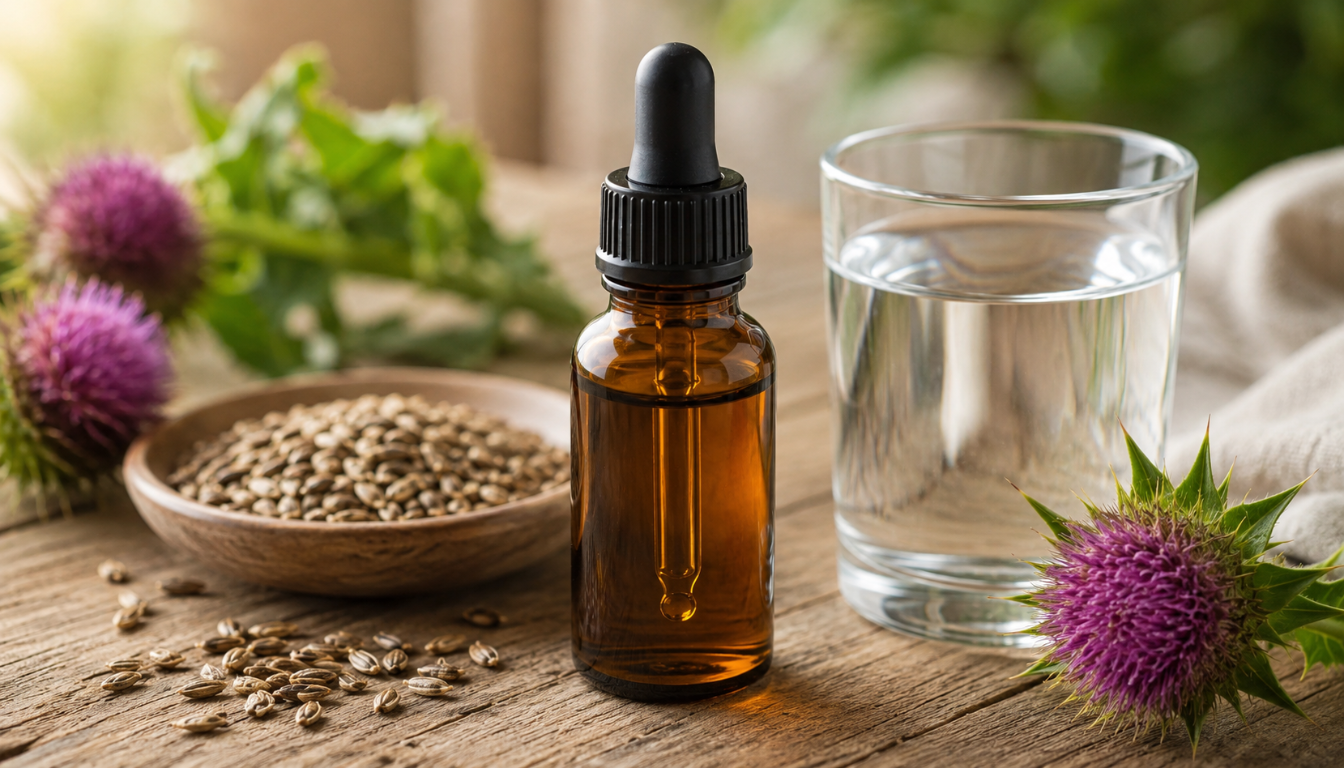
Milk thistle (Silybum marianum) is a spiky, purple‑flowering plant in the Asteraceae (daisy) family. It has been used for centuries for liver and gallbladder complaints. The seeds contain silymarin, a group of flavonolignans responsible for most of milk thistle’s studied effects.
A milk thistle tincture is a concentrated liquid extract made by soaking the crushed seeds in alcohol (and sometimes a little water) for several weeks. The alcohol draws out and preserves the active compounds, giving you a potent preparation that is easy to dose and store.
Why Use Milk Thistle Tincture?
Liver support and detox assistance
Milk thistle is best known for its potential support in chronic liver conditions and toxin exposure. Research on standardized silymarin extracts suggests:
- Antioxidant and anti‑inflammatory activity in liver tissue
- Support for liver cell regeneration in some settings
- Possible protection against certain drug‑ or toxin‑induced liver injuries
Clinical results are mixed and milk thistle is not a cure for liver disease. Silymarin appears generally safe and well‑tolerated and is often used alongside medical care rather than instead of it.
Anti‑inflammatory and antioxidant properties
Silymarin acts as a potent antioxidant and may reduce oxidative stress and inflammation in the body. This is one reason milk thistle is sometimes explored for broader uses, including metabolic health, some cancers, and neurodegenerative conditions, although strong clinical proof is still limited.
Metabolic health: cholesterol and blood sugar
Some studies on milk thistle extracts suggest modest improvements in blood sugar control and insulin resistance in people with type 2 diabetes, and small benefits for cholesterol and triglyceride levels. These findings are encouraging but not definitive, and tincture use should never replace prescribed treatment for diabetes or cardiovascular disease.
Preparing to Make Milk Thistle Tincture
Equipment and ingredients
For a simple home tincture, you’ll need:
- Clean glass jar with tight‑fitting lid (amber glass preferred)
- 5 ounces (about 140 g) dried milk thistle seeds
- High‑proof, food‑grade alcohol (vodka, brandy, or grain alcohol), enough to fully cover the seeds (about 25 oz / 750 ml for a 1:5 ratio)
- Optional: a small amount of distilled water for dilution, if using very high‑proof alcohol
- Cheesecloth or unbleached muslin
- Fine mesh strainer
- Dark glass dropper bottles for storage
Work on a clean, dry surface. Make sure all equipment is washed and thoroughly dried before you begin.
Choosing the right alcohol
High‑proof alcohol is important because it extracts and preserves the active constituents effectively.
- 80–100 proof (40–50% alcohol) vodka or brandy works for most home tinctures.
- If you use 151+ proof alcohol, dilute it slightly with distilled water before you add it to the seeds. Aim for roughly 50–70% alcohol once everything is mixed.
Avoid rubbing alcohol, denatured alcohol, or anything not labeled as food‑grade and safe for internal use.
Simple Milk Thistle Tincture Recipe (1:5 ratio)
This recipe uses a 1:5 herb‑to‑menstruum ratio by weight to volume (1 part dry herb, 5 parts liquid). That gives a good, strong home tincture.
Ingredients
- 5 oz (about 140 g) dried milk thistle seeds, lightly crushed
- About 25 oz (750 ml) high‑proof alcohol (vodka or similar), enough to fully cover the seeds with 2–3 cm (about 1 inch) liquid above
Step‑by‑step instructions
- Crush the seeds.Lightly crush the milk thistle seeds with a mortar and pestle or a clean rolling pin to break the seed coats and improve extraction.
- Fill the jar.Place the crushed seeds into your clean glass jar, leaving a little headspace at the top.
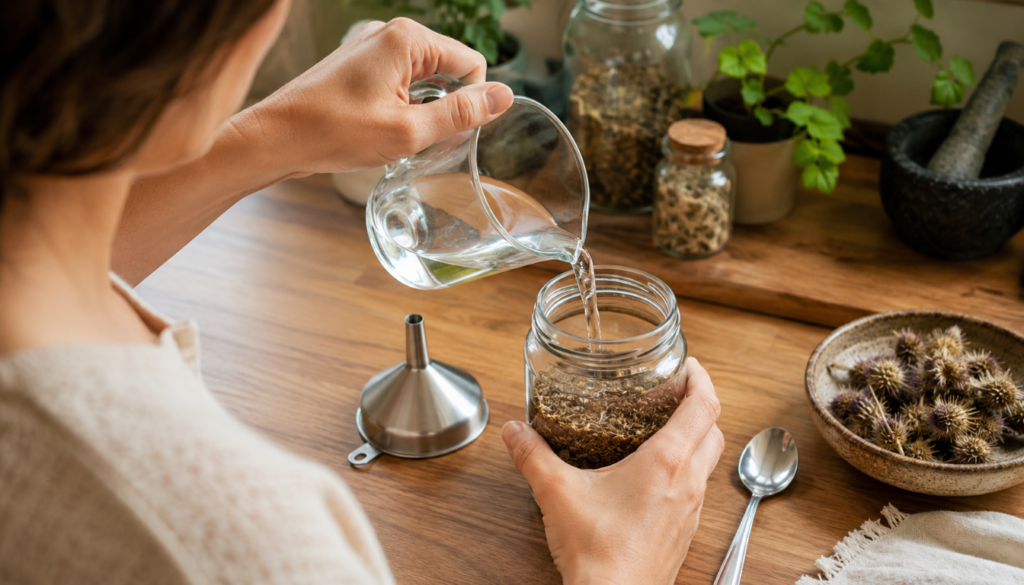
- Add the alcohol.Pour alcohol over the seeds until they are completely submerged, with about 2–3 cm (1 inch) of liquid above the plant material. Stir or gently shake to release air bubbles.
- Label and seal.Label the jar with the herb name, ratio, alcohol used, and date. Seal the lid tightly.
- Steep in a dark place.Store the jar in a cool, dark place (like a cupboard) for 6–8 weeks. Shake gently every day or every few days to keep the herb and alcohol well mixed.
- Strain the tincture.After 6–8 weeks, line a strainer with cheesecloth and pour the mixture through into a clean bowl or jug. Squeeze the cheesecloth to extract as much liquid as possible.
- Bottle and store.Transfer the strained tincture into dark glass dropper bottles. Label with the name, strength, and date. Store in a cool, dark place.
Properly made and stored, a high‑alcohol tincture can retain its potency for several years.
How to Use Milk Thistle Tincture
Typical dosages
There is no single standardized dose for home‑made tinctures, but common herbal practice for adult maintenance doses is:
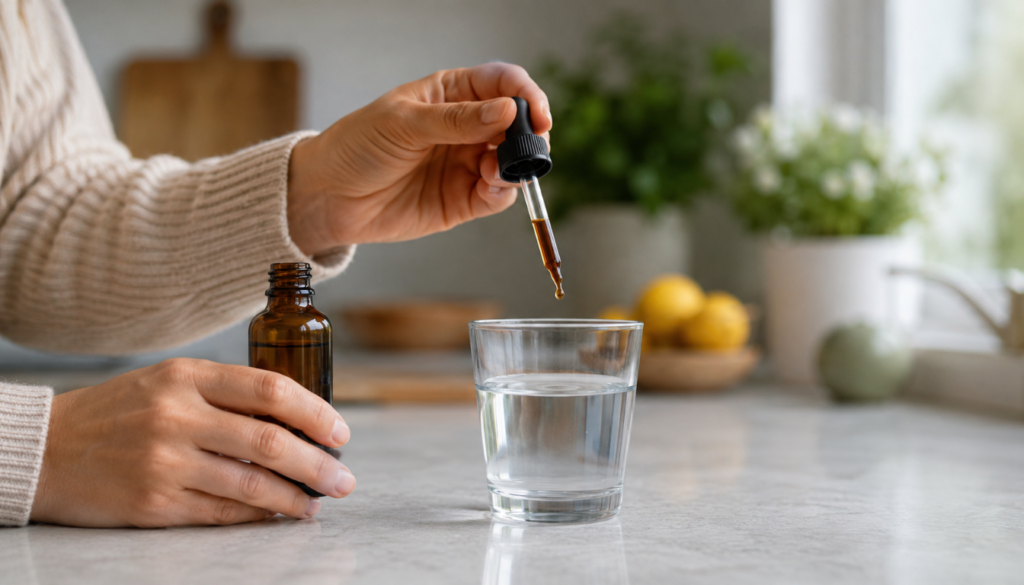
- Around 20–30 drops (about 1–1.5 ml), 2–3 times per day, diluted in a little water or juice
Start at the lower end (for example, 10–15 drops twice daily) to see how you respond, and only increase if you tolerate it well. Always talk with a healthcare professional before using milk thistle tincture, especially if you have liver disease, chronic conditions, or take regular medications.
Methods of consumption
- Under the tongue (sublingual): Place drops directly under the tongue, hold briefly, then swallow for quick absorption.
- In water or juice: Add drops to a small glass of water or juice to dilute the taste.
- In herbal tea: You can add a dose of tincture to a cup of herbal tea (for example, milk thistle tea or a gentle liver‑supportive blend).
Shake the bottle before each use so the constituents are evenly distributed.
Safety, Side Effects, and Who Should Avoid It
Possible side effects
Milk thistle and silymarin are generally well‑tolerated at typical doses, but possible side effects include:
- Mild digestive upset (nausea, bloating, loose stools)
- Headache or mild dizziness
- Rare allergic reactions (itching, rash, swelling)
If you notice signs of an allergic reaction such as hives, swelling of the face or throat, or difficulty breathing, stop using the tincture and seek medical help immediately.
Pregnancy, breastfeeding, and hormone‑sensitive conditions
Evidence on safety in pregnancy and breastfeeding is limited. One clinical trial suggests silymarin may be relatively safe, but more data are needed. Because of this, most experts recommend avoiding milk thistle supplements and tinctures during pregnancy or breastfeeding unless your clinician specifically advises otherwise.
If you have hormone‑related cancers (such as breast, uterine, or prostate) or hormone‑sensitive conditions, milk thistle may not be appropriate because of possible mild estrogen‑like effects.
Drug interactions and liver‑metabolized medications
Milk thistle can affect liver enzymes that metabolize medications, particularly CYP3A4 and some UGT pathways, which could alter blood levels of certain drugs. Use caution and seek medical advice if you take:
- Immunosuppressants, some chemotherapy agents, or antifungals
- Certain HIV medications, many antidepressants or antianxiety drugs
- Some statins, blood thinners, hormonal therapies, or other drugs with a narrow safety margin
Because the tincture is a concentrated form, it is especially important not to combine it with such medications without professional guidance.
Storing Your Milk Thistle Tincture
Ideal storage conditions
- Keep tincture in dark glass bottles (amber or cobalt) with tight‑fitting lids.
- Store in a cool, dark place away from direct heat and sunlight.
- Avoid leaving the bottle open to minimize evaporation and oxidation.
Shelf life and potency
A well‑made, high‑alcohol tincture can retain good potency for at least 2–3 years if properly stored. Check occasionally for changes in smell, color, or clarity; if it smells off, shows mold, or has unusual cloudiness, discard and prepare a fresh batch.
How This Fits Into Your Herbal Routine
Milk thistle tincture can work alongside other supportive steps:
- Limiting alcohol and processed foods
- Focusing on a balanced, fiber‑rich diet
- Managing weight, blood sugar, and blood pressure
- Working with your healthcare team on any diagnosed liver or metabolic condition
For a gentler, beverage‑based option, some people prefer milk thistle tea, which provides a lower, milder dose and can be a soothing daily ritual. Tinctures, by contrast, are more concentrated and easier to use when you need precise, portable dosing.
You can also link this page internally to your milk thistle tea article (“Milk Thistle Tea: Benefits, Detox Uses, and Simple Recipes”) and your general “Milk Thistle Benefits” monograph to keep visitors inside your milk thistle content cluster.
Before You Go – Milk Thistle Tincture Recipe
Milk thistle tincture is a concentrated way to tap into this herb’s potential liver‑supportive, antioxidant, and anti‑inflammatory properties, especially when used alongside a healthy lifestyle and medical care where needed. If you take regular medication or have a diagnosed liver or metabolic condition, always check in with your healthcare provider before making tinctures part of your daily routine.
If you prefer gentler preparations, you might enjoy our guide to milk thistle tea. For a broader look at this herb, including research on liver health, blood sugar, and more, read our full milk thistle benefits article. And if you’re comparing stronger options, our review of milk thistle supplements for liver detox can help you choose standardized products wisely.
References – Milk Thistle Tincture Recipe
Anti‑inflammatory effects of silymarin: PubMed 29468932
Effects of silymarin on glycemic control in type 2 diabetes: PubMed 24967691
Little Herb Encyclopedia, by Jack Ritchason; N.D., Woodland Publishing Incorporated, 1995
The Ultimate Healing System, Course Manual, Copyright 1985, Don Lepore
Planetary Herbology, Michael Tierra, C.A., N.D., Lotus Press, 1988
Handbook of Medicinal Herbs, by James A. Duke, Pub. CRP Second Edition 2007
The Complete Medicinal Herbal, by Penelope Ody, Published by Dorling Kindersley
Related Articles
Exterol Ear Drops Review: Effectiveness and Side Effects
Rohto Lycee Eye Drops Review: Benefits and Drawbacks
New Roots Herbal Review: A Look at Their Products
Milk Thistle Tea: Benefits, Detox Uses, and Simple Recipes
Frequently Asked Questions – Milk Thistle Tincture Recipe
What is milk thistle tincture used for?
Milk thistle tincture is most commonly used as a complementary support for liver health, especially in the context of fatty liver, toxin exposure, or general “liver support” routines. It is also used for its antioxidant and potential anti‑inflammatory effects, though it should not replace medical treatment for liver disease.
How long should I take milk thistle tincture?
Many people use milk thistle tincture in blocks, such as several weeks to a few months, or as part of a longer‑term plan under professional supervision. If you have chronic liver or metabolic conditions, duration and dose should be guided by your healthcare provider, not self‑decided.
Can I take milk thistle tincture every day?
Healthy adults who tolerate it and are not on interacting medications may be able to take modest doses (for example, 20–30 drops 2–3 times daily) on an ongoing basis. However, daily use should still be reviewed with a clinician, especially if you take other medicines or have underlying diseases.
Is tincture stronger than milk thistle tea?
Yes. Tinctures made with high‑proof alcohol extract and concentrate more of the silymarin complex than water‑based tea, so they are generally considered stronger per dose. Tea is milder and can be a better starting point for sensitive people or those who prefer non‑alcoholic preparations.
Who should avoid milk thistle tincture?
People with known allergies to ragweed or other Asteraceae plants, pregnant or breastfeeding women, and those with hormone‑sensitive cancers or conditions should generally avoid milk thistle or only use it under specialist guidance. It should also be used cautiously (or not at all) if you take medications that are heavily processed by the liver or have a very narrow safety margin.
Does milk thistle tincture interact with medications?
Milk thistle can influence liver enzymes such as CYP3A4 and may change how certain medications are metabolized, potentially increasing or decreasing drug levels in the body. This is why it is important to speak with your doctor or pharmacist before combining tincture with prescription drugs, especially immunosuppressants, some chemotherapy agents, antifungals, statins, blood thinners, and certain psychiatric medications.
Thank you for sharing this. I am confused on the recipe, as I can’t imagine 1oz alcohol (2T) could cover 5oz of dry goods (the seeds). Could you clarify this for me? Thank you.
Hi Junie,
Great catch, you’re absolutely right to question that!
There’s likely a mistake in the recipe as written. 1 oz of alcohol would not be nearly enough to cover 5 oz of milk thistle seeds, and covering the plant material completely is essential for making a safe and effective tincture.
A better way to approach it is:
Use enough alcohol to fully submerge the seeds, with about 2–3 cm (around 1 inch) of liquid above them.
If you prefer a more precise guideline:
For dried herbs like milk thistle seeds, a common ratio is 1 part herb to 5 parts alcohol (1:5)
So for 5 oz of seeds, you’d need roughly 25 oz of alcohol
An easier method (used by many herbalists) is:
Lightly crush the seeds
Fill a jar about halfway with them
Pour alcohol over until fully covered
Seal and shake regularly while it steeps
So yes! You were right to be confused, and your instinct was spot on. The original measurement just doesn’t work in practice.
Hope that helps, and let me fix that asap!